Bihar is a destination where every place tells a story, from the Buddhist pilgrimage sites of Bodh Gaya and Rajgir to the ancient learning centres of Nalanda and Vikramshila. The state is home to some of India’s most important historical landmarks, peaceful religious sites, wildlife destinations, and natural attractions that are often overlooked by travellers.
Whether you want to explore ancient ruins, visit sacred temples and monasteries, enjoy a wildlife experience at Valmiki National Park, or discover hidden architectural wonders like Barabar Caves and Rohtasgarh Fort, Bihar offers diverse experiences for different types of travellers. The best time and places to visit can vary depending on the season, making it important to plan your trip accordingly.
10 Best Tourist Places in Bihar
After exploring Bihar according to different seasons, it is time to discover the destinations that make this state worth visiting. The following places showcase Bihar’s ancient history, spiritual significance, architectural wonders, and natural beauty. From world-famous heritage sites to lesser-known attractions, these are the must-visit places that should be part of your Bihar travel plan.
| Place |
Known For |
| Bodh Gaya |
Mahabodhi Temple, Bodhi Tree, Buddhist enlightenment site |
| Nalanda University |
Ancient residential university ruins, UNESCO site |
| Rajgir |
Griddhakuta hill, hot springs, Japanese Peace Pagoda |
| Vaishali |
Ashokan Pillar, Jain and Buddhist heritage |
| Vikramshila |
Ancient Buddhist university ruins along the Ganga |
| Valmiki National Park |
Bengal tigers, jungle safaris, Gandak River |
| Patna Sahib |
Sikh gurudwara, birthplace of Guru Gobind Singh Ji |
| Barabar Caves |
India's oldest rock-cut caves, whispering acoustics |
| Rohtasgarh Fort |
Historic hilltop fort, Kaimur Hills views |
| Kakolat Waterfall |
Natural waterfall, pool, and picnic spot |
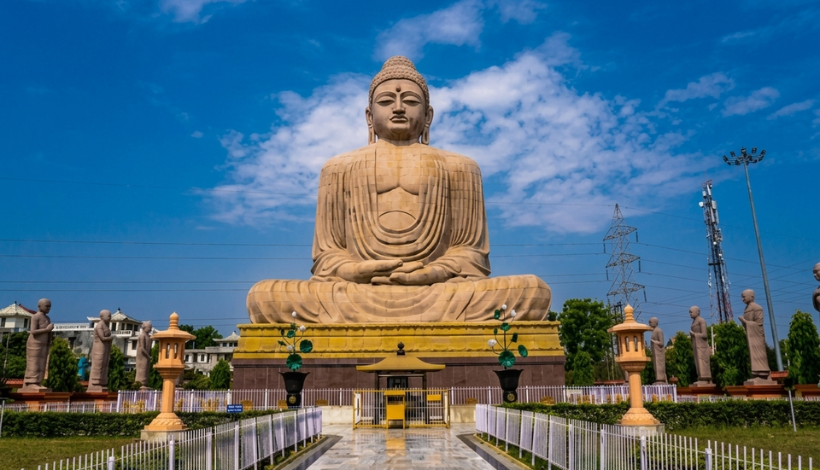
Bodh Gaya is one of the most significant spiritual sites in the world, where Lord Buddha attained enlightenment under the Bodhi Tree. The Mahabodhi Temple, a UNESCO World Heritage site, stands as a symbol of peace and serenity. Visitors can explore the tranquil temple complex, meditate under the Bodhi Tree, and experience the calm that permeates this sacred site. Bodh Gaya attracts pilgrims and tourists from all over the world, offering a deep connection to India’s spiritual heritage.
- Timings: The Mahabodhi Temple complex is open every day from 5 in the morning till 9 at night, so you have a long window to visit. Entry is free, though there's a small charge if you want to carry a camera or shoot a video inside. Early mornings are quiet and peaceful, while evenings have a nice glow to them once the lamps are lit around the Bodhi Tree.
- Things to Do: Spend a good couple of hours around the main temple and the sacred Bodhi Tree, then take a slow walk through the monasteries built by Thailand, Japan, Bhutan, and Tibet, each one has its own distinct style worth seeing. Don't skip the 80 foot Great Buddha Statue a little outside the main complex. If you have half a day extra, the Dungeshwari Cave Temples where Buddha meditated before his enlightenment make for a good side trip.
- How to Reach: If you're flying in, Gaya airport is your best bet since it's barely a 15 minute drive from the temple. Coming from Patna, you're looking at around 2 to 2.5 hours by road, and there are plenty of buses and shared cabs running that route through the day. Gaya also has its own railway station well connected to Delhi, Kolkata, and other major cities, so a lot of pilgrims prefer taking an overnight train and then a short auto ride into Bodh Gaya. Once you're in town, everything is walkable or a quick e-rickshaw ride away.
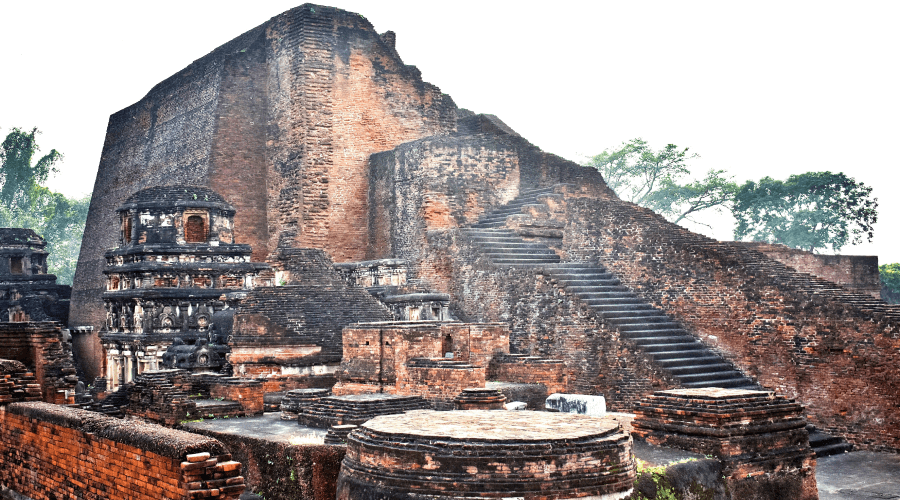
A visit to the ancient ruins of Nalanda University offers a glimpse into one of the world’s first residential universities. Established in the 5th century, Nalanda was a renowned centre of learning, attracting scholars from as far as China, Korea, Japan, and Southeast Asia. The archaeological site reveals grand structures, lecture halls, monasteries, and stupas that once formed part of this educational hub. Nalanda’s historical significance makes it a must-visit for anyone interested in the intellectual heritage of ancient India.
- Timings: The ruins are open daily from 9 am to 5 pm, though during the winter months (October to February) the gates close a bit earlier around 4:40 pm. There's no weekly off for the site itself, but the museum across the road stays shut on Fridays.
- Things to Do: Honestly, hire a guide at the entrance. The ruins don't explain themselves, and Rs 200 to 300 for someone who knows the layout is worth it. Walk through the old monastery blocks and the towering Temple No. 3, then cross over to the museum to see the coins, seals, and Buddha statues that were dug up here. Set aside about 2 to 3 hours for the whole thing.
- How to Reach: The easiest way in is via Rajgir, which is only about 12 km away and has shared autos and local buses running constantly between the two. If you're coming straight from Patna, it's roughly a 90 km drive, about 2 hours depending on traffic. There's no railway station right at Nalanda, so most people either combine this with a Rajgir or Bodh Gaya trip and hire a cab for the day, that works out easier than trying to piece together local transport.
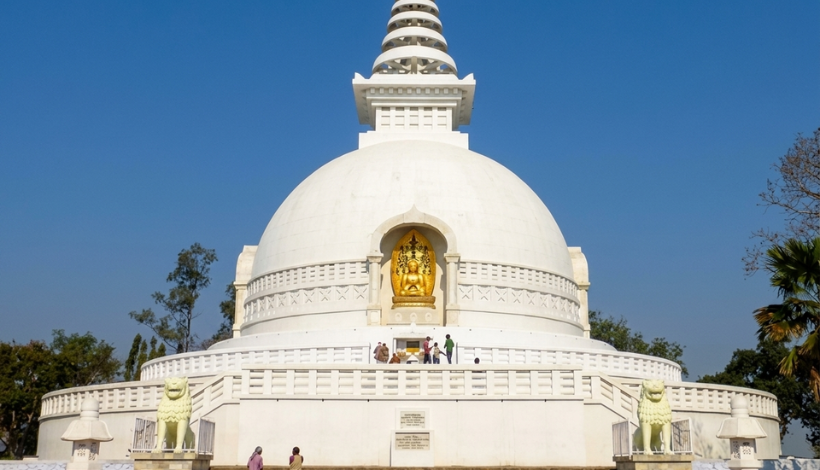
Surrounded by lush green hills, Rajgir was once the capital of the Magadha Empire. This historic city is steeped in legends associated with both Buddhism and Jainism. The Vulture’s Peak, or Griddhakuta, was a favoured retreat for Lord Buddha, and it remains a popular spot for meditation and reflection. Visitors can also explore the hot springs, the Japanese Peace Pagoda, and the ruins of ancient fortifications. Rajgir’s natural beauty, combined with its historical significance, makes it a perfect destination for those seeking both adventure and spirituality.
- Timings: The ropeway up to Griddhakuta (Vulture's Peak) generally runs from around 8 am to 1 pm and then again 2 pm to 5 pm, so plan around that gap. The hot springs at Brahmakund are best visited early morning when it's less crowded and the water's warmth actually feels nice against the cool air.
- Things to Do: Take the ropeway up to Griddhakuta where Buddha used to deliver sermons, the views over the hills are worth it alone. Walk through Venuvana, the bamboo grove gifted to Buddha, and check out the Japanese-built Peace Pagoda. If you like a bit of history digging, the ruins of Bimbisara's jail and the old fort walls are close by too.
- How to Reach: Rajgir has its own railway station, which makes things simple if you're coming from Patna or Gaya by train. By road, it's about 100 km from Patna, roughly a 2.5 hour drive, and shared jeeps or buses run this route regularly. If you're flying in, Patna airport is your nearest option, and from there you can grab a cab straight to Rajgir.
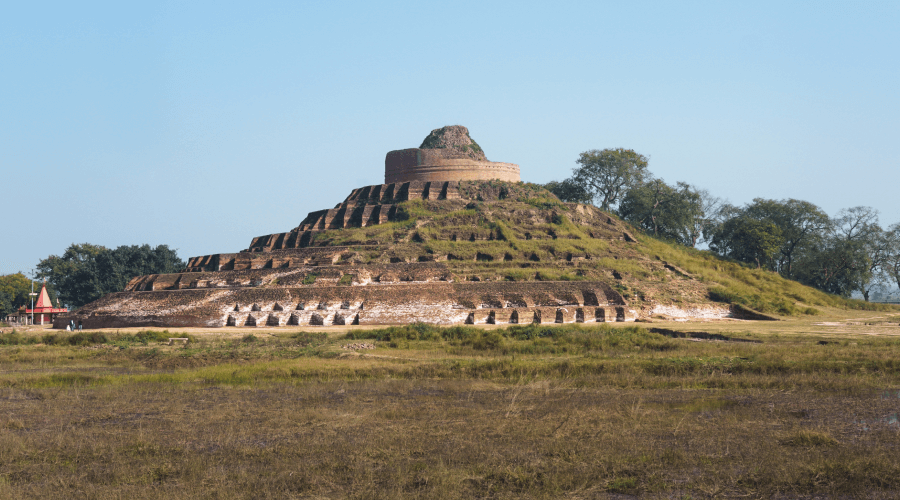
Vaishali is another ancient city that played a crucial role in the development of both Buddhism and Jainism. It is believed to be the birthplace of Lord Mahavira, the founder of Jainism, and is closely linked to Lord Buddha’s final sermon. The Ashokan Pillar and the Ananda Stupa are important landmarks that draw visitors to this historical site. Vaishali’s peaceful ambiance and its association with two major religions make it a unique destination for spiritual exploration.
- Timings: The site is open from sunrise to sunset, so essentially you can walk in anytime during the day. The small archaeological museum nearby runs from 10 am to 5 pm and stays closed on Fridays.
- Things to Do: The Ashokan Pillar with its lion capital is the main draw, and it's in surprisingly good shape considering its age. Walk over to the Relic Stupa where a portion of Buddha's ashes are believed to be kept, and the Abhishek Pushkarini tank nearby where Buddha is said to have taken his last bath. The museum is small but worth 20 minutes if you want context on what you've just seen.
- How to Reach: Vaishali is roughly 55 km from Patna, and you'll cross the Mahatma Gandhi Setu bridge over the Ganga to get there, which itself is quite a sight. It takes about 1.5 to 2 hours by road, and cabs or buses from Patna are the most practical option since there's no direct train station right at Vaishali. Hajipur, about 35 km away, is the nearest major railhead if you're coming from further out.
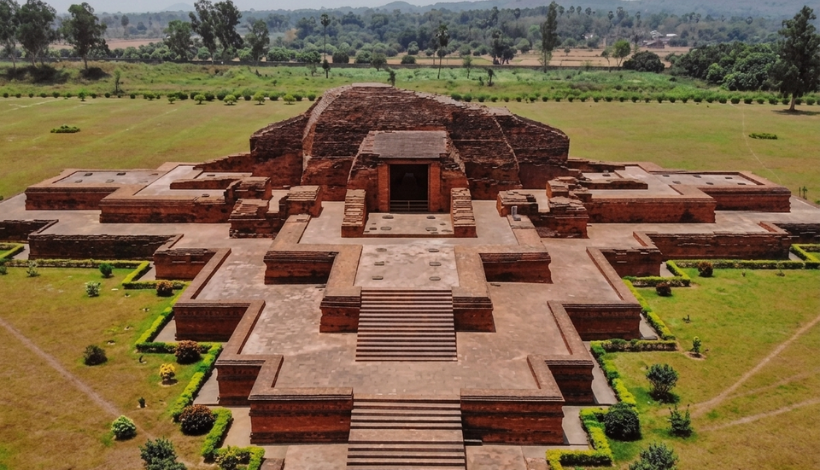
While Nalanda is widely known, the ruins of Vikramshila University, established in the 8th century, remain one of Bihar’s hidden treasures. Once a centre of excellence for Tantric Buddhism, Vikramshila was an equally prestigious learning institution during its time. The site is located near Bhagalpur and offers visitors a chance to walk through the remnants of ancient classrooms, monasteries, and stupas. The historical significance and serene surroundings of Vikramshila make it a perfect spot for history enthusiasts.
- Timings: Like most ASI protected sites, Vikramshila stays open from sunrise to sunset daily, and the entry fee is minimal.
- Things to Do: Walk around the central stupa and the monastery cells that once housed scholars, this place was every bit as important as Nalanda in its day, just far less visited, which honestly makes it more peaceful. The riverside setting along the Ganga adds a nice backdrop, and there's a small on-site museum with some of the excavated pieces.
- How to Reach: This one's a bit more off the beaten path. Bhagalpur is your nearest big town, about 40 km away, and from there you'll need to hire a cab or shared auto since public transport thins out closer to the site. If you're coming from Patna, it's a long haul, around 250 km, so most people either take a train to Bhagalpur first or break the journey with an overnight stay. Kahalgaon is another nearby town some travelers use as a base.
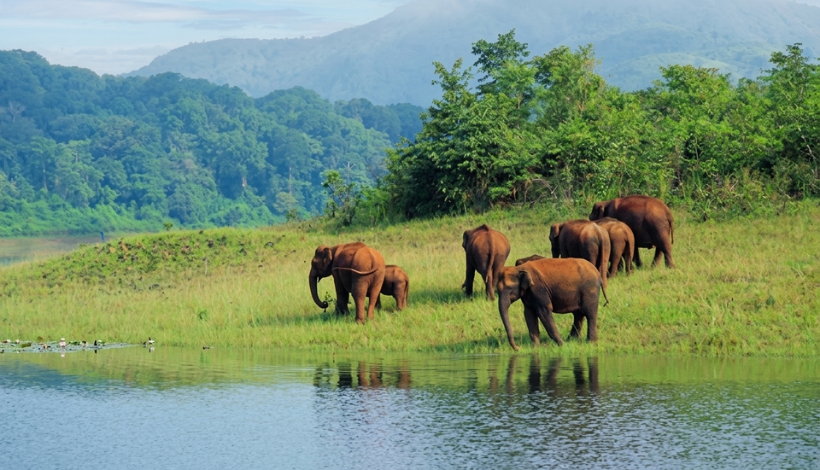
For nature lovers, Valmiki National Park is a haven of biodiversity. Nestled in the foothills of the Himalayas, this park is home to Bengal tigers, elephants, leopards, and a variety of bird species. The park’s scenic beauty is enhanced by the meandering Gandak River, dense forests, and rolling hills. Whether you’re on a wildlife safari or enjoying a peaceful trek, Valmiki National Park offers a refreshing break from the hustle and bustle of city life.
- Timings: Safaris run in two slots, roughly 6 am to 10 am and then 2 pm to 5 pm. Keep in mind the park shuts down completely from July to September during monsoon because of flooding, so plan your visit outside that window, ideally October to March for the best wildlife activity and pleasant weather.
- Things to Do: Book a jeep safari through the Manguraha or Gobardhana zones for your best shot at spotting tigers, leopards, and deer. The boat safari on the Gandak River is a calmer alternative if you'd rather not do a bumpy jeep ride, and there's also cycling and trekking trails if you want to stay active. Camping at the forest rest houses with a bonfire in the evening is a nice way to end the day here.
- How to Reach: The nearest railway stations are Bagaha and Narkatiaganj, both a short drive from the park gates. If you're flying, Gorakhpur airport in UP is actually closer than Patna for this one, about 3 to 4 hours by road, while Patna itself is a longer 6 to 7 hour drive covering close to 270 km. Once you reach Valmikinagar, local jeeps and forest department vehicles take over for the safari.
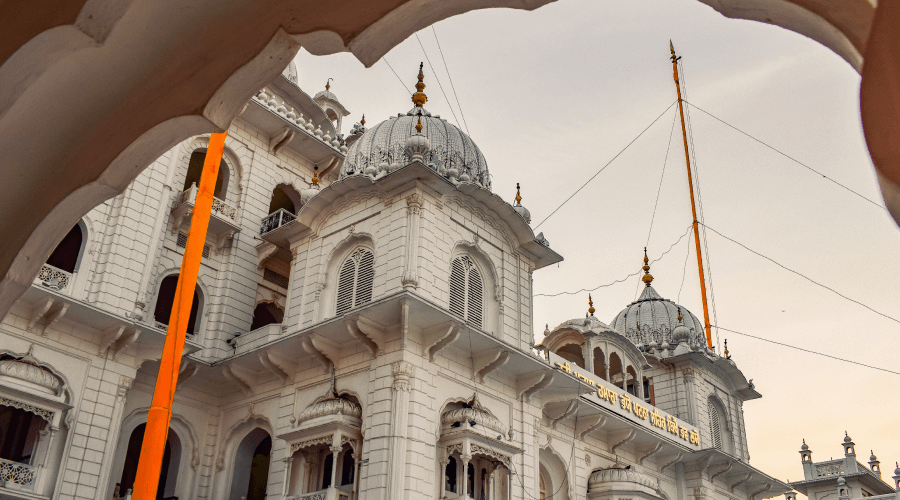
The Harmandir Takht, or Patna Sahib, is one of the five Takhts in Sikhism, marking the birthplace of Guru Gobind Singh Ji, the 10th Sikh Guru. Located in the capital city of Patna, this sacred site is an important pilgrimage destination for Sikhs worldwide. The gurudwara is a beautiful structure that attracts visitors for both religious and historical reasons. The city of Patna itself is a gateway to other historical sites, making it an ideal starting point for exploring Bihar’s heritage. Alongside its rich spiritual and historical legacy, Bihar is also renowned for its traditional festivals, and understanding the significance of Chhath Puja in Bihar offers deeper insight into the state's cultural identity and community traditions.
Timings: The gurudwara stays open through most of the day and well into the evening, with langar (community meals) served at fixed times, so it's easy to fit into any schedule without worrying too much about closing hours.
Things to Do: Spend time at the main gurudwara building and the small museum inside that holds relics linked to Guru Gobind Singh Ji. Since you're already in Patna, it's worth combining this visit with a stop at the Patna Museum or the Golghar granary nearby, both are a short drive away and round out a day in the city nicely.
How to Reach: Patna Sahib is right in the city, so if you're flying into Jay Prakash Narayan Airport, it's just a 15 to 20 minute drive. There's also a dedicated Patna Sahib railway station a short walk from the gurudwara itself, which makes it one of the easiest sites on this list to reach. Autos and cabs are easily available from anywhere in Patna.
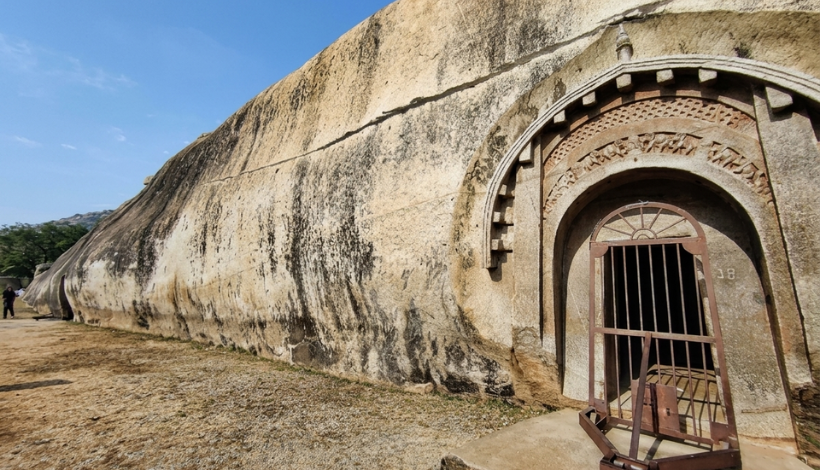
The Barabar Caves, located near Gaya, are the oldest rock-cut caves in India, dating back to the Mauryan Empire. These caves are famous for their polished interiors, which create an acoustic effect. The simplicity and grandeur of the caves are a testament to the architectural skill of ancient artisans. The Barabar Caves is one of the hidden gems of Bihar for history buffs and those interested in ancient rock-cut architecture.
Timings: The caves are open from sunrise to sunset, with a nominal entry fee. There's no artificial lighting inside, so try to visit earlier in the day when there's enough natural light coming through the entrances.
Things to Do: Step inside the Lomas Rishi and Sudama caves and try the whispering effect, the acoustics here are genuinely surprising for something carved over 2000 years ago. It's a short visit, an hour or so is plenty, but the polished stone interiors and the sheer age of the place make it worth the detour if you're already in the Gaya area.
How to Reach: The caves sit near a village called Bela, about 24 km from Gaya. There's no train station nearby, so your best option is hiring a taxi or auto from Gaya for a half day trip, the road is decent but winds a bit through rural stretches. It's not a place you'll stumble upon easily, so having a driver who knows the route helps a lot.
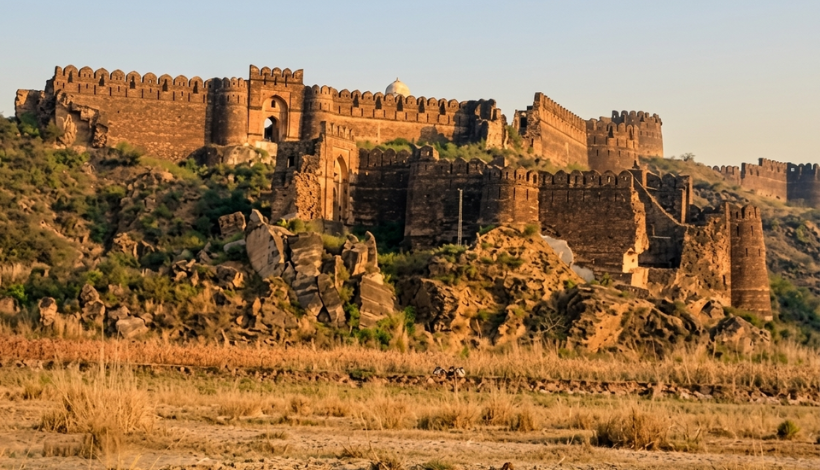
Rohtasgarh Fort, perched atop the Kaimur Hills, is one of the largest and most majestic forts in India. Although it is in ruins today, the grandeur of the fort's architecture and the scenic surroundings make it worth exploring. The fort played a significant role during the Mughal era and offers a glimpse into the military and architectural prowess of the time. A trek to the fort also rewards visitors with panoramic views of the surrounding landscape.
Timings: There are no fixed opening or closing hours here since it's a remote, largely unmanned site. That said, stick to daylight hours for the trek, ideally starting early morning, and avoid the monsoon months altogether since the paths get slippery and quite risky.
Things to Do: Explore the old fort walls and gateways, and check out the temples still standing inside, including a Ganesh temple that survived the centuries better than most of the fort. The real reward though is the view from the top, the Kaimur hills stretch out in every direction and it's a proper reward after the climb.
How to Reach: This is the trickiest one to get to on this whole list. Sasaram or Dehri-on-Sone are your nearest railheads, and from there it's a drive to Akbarpur village followed by a proper trek or a rough 4x4 ride up to the fort. A local guide is genuinely useful here, not just for directions but because parts of the route aren't well marked. Give yourself a full day for this one.
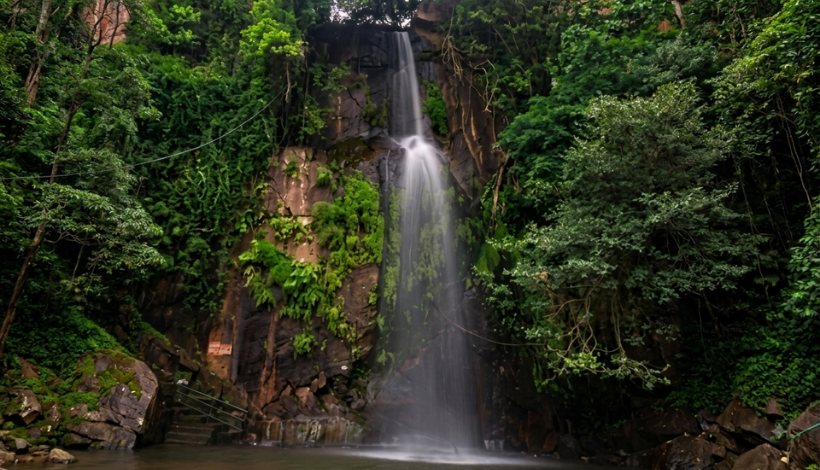
Kakolat Waterfall is one of Bihar’s most beautiful natural wonders, located on the border between Bihar and Jharkhand. This serene waterfall cascades down from a height of about 150 feet and creates a pool at the base, perfect for a refreshing dip. The surrounding greenery adds to the charm of the place, making it a perfect spot for picnics and nature lovers. If you're planning your visit around local celebrations, exploring the famous festivals of Bihar can add a unique cultural dimension to your trip, allowing you to experience the state's vibrant traditions alongside its natural and historical attractions.
Timings: The waterfall area is generally open from 6 am to 6 pm, and there's a small entry fee. It's at its fullest and most dramatic right after the monsoon season, though it's a pleasant visit through most of the year barring peak summer.
Things to Do: The main draw is the pool at the base of the falls, which is genuinely refreshing for a dip if you're visiting in warmer months. There's also a cable car style ropeway that takes you down closer to the water if you'd rather not climb down the rocks yourself. It's a popular picnic spot too, so pack some snacks and make a half day of it.
How to Reach: Nawada is the nearest railway station, and from there it's a short drive to the falls. If you're flying in, both Patna and Gaya airports are around 100 km away, so you'll want to hire a cab for the onward journey. Local buses do ply this route too, but a private taxi is far more convenient given the last stretch involves some winding roads.
What Are the Best Places to Visit in Bihar in Winter, Summer, and Monsoon?
Before planning a trip to Bihar, knowing the right season can help you make the most of your visit. The weather plays an important role in deciding your travel experience, as some attractions are more enjoyable during pleasant weather, while others look their best after rainfall or during cooler months.
Places to Visit in Winters in Bihar
- Bodh Gaya: Winter is the best time to visit this holy site where Buddha found enlightenment. The weather stays cool and comfortable, so you can spend hours wandering around the Mahabodhi Temple and nearby monasteries without feeling tired or sweaty.
- Nalanda University: Walking through these ancient ruins is far more pleasant when it's not scorching hot. Winter lets you take your time exploring the old structures and learning about their history.
- Rajgir: This town, known for its hills, hot springs, and Buddhist and Jain sites, is much easier to explore in winter. Cooler temperatures make trekking and sightseeing a lot more enjoyable.
- Patna Sahib: A major Sikh pilgrimage spot, Patna Sahib is best visited when the weather is mild. Winter makes it comfortable to explore the gurudwara and the historic places around it at a relaxed pace.
Places to Visit in Summers in Bihar
- Kakolat Waterfall: When the heat gets too much, this waterfall is a great place to cool off. The water and the greenery around it make for a refreshing break from summer temperatures.
- Valmiki National Park: Home to Bihar's only tiger reserve, this park is a nice summer escape. The thick forest cover keeps things cooler and gives you a good chance of spotting wildlife.
- Rohtasgarh Fort: Surrounded by hills and greenery, this old fort stays noticeably cooler than the plains. It's a good option if you want scenic views without dealing with the worst of the summer heat.
Places to Visit in Monsoon in Bihar
- Barabar Caves: These are among the oldest rock-cut caves in India, and monsoon gives them an almost magical feel. The fresh greenery and cloudy skies make the whole place look completely different.
- Vikramshila: The ruins of this old Buddhist university look their best during the rains. The lush surroundings add to the charm of the historical site.
- Vaishali: This ancient town and pilgrimage site feels even more peaceful in the monsoon. The green fields and fresh air make it a nice place to visit once the rains set in.
What Are the best Offbeat or Lesser-Known Places to Visit in Bihar?
Bihar isn't just about the popular Buddhist sites and famous ruins everyone talks about. There's a lot more hidden in the corners of this state that most travellers never get to see, old caves with strange stories attached to them, quiet waterfalls hidden away in the forest, temples on hilltops, and even a village known for its unique art. If you've already done the usual sightseeing and want to try something different, these spots are worth checking out. Here are the list of top unexplored places in Bihar.
1. Sonbhandar Caves
Twin rock-cut caves near Rajgir, believed to have been used by King Bimbisara's treasurer to store his wealth. Locals still talk about a hidden treasure vault sealed behind an inscription on the wall that nobody has been able to decode.
2. Kesaria Stupa
Tucked away in East Champaran, this Buddha stupa is said to be one of the tallest of its kind in the world, yet barely anyone outside Bihar has heard of it.
3. Lauriya Nandangarh
Located in West Champaran, this site has ancient Ashokan pillars and burial mounds that go back more than 2,000 years. A good stop for anyone who enjoys digging into old history.
4. Pawapuri
An important Jain pilgrimage spot centred around the Jal Mandir, a marble temple built right in the middle of a lotus pond. Peaceful and quiet, even during the day.
5. Glass Skywalk, Rajgir
A glass and steel bridge built high up on the hills near Rajgir. Walking across it gives you a proper view of the valley below, and it's still fairly new so most people don't know it exists yet.
6. Brahmayoni Hills
In Gaya, this hill has around 424 stone steps leading up to a temple and two narrow caves once used by sages for meditation. The climb is a bit of work, but the view from the top makes it worth it.
7. Telhar Kund
A natural pool fed by a small waterfall, sitting deep inside a forest. Mostly known to locals and a good pick if you enjoy places that feel truly off the map.
8. Munger
A town with a riverside fort, natural hot springs, and the well-known Bihar School of Yoga. A nice mix of history and a slower, more relaxed kind of travel.
9. Madhubani
Famous for its traditional Madhubani paintings. Visiting the district gives you a chance to see this art form up close, right where it comes from.
10. Wat Thai Temple
A Royal Thai monastery near Bodh Gaya, built in traditional Thai style with a garden and even a small café serving Thai food. Most visitors walk right past it on their way to the main temple.
The Bottom Line!
In a nutshell, Bihar is a state that beautifully blends rich history, spiritual heritage, and scenic beauty. From ancient universities and religious landmarks to breathtaking national parks and waterfalls, this state offers something for every kind of traveller. Exploring the hidden gems and Offbeat Places of Bihar is an opportunity to step back in time, reconnect with nature, and experience India’s diverse cultural legacy. As you plan your next adventure, consider planning a visit to this beautiful state with our meticulously curated Bihar Tour Packages. You’ll leave with unforgettable memories and a deeper appreciation for this remarkable state.
Popular Tourist Destinations from Bihar
Best International Travel Destinations from Bihar






 October 28, 2024
 Share
Share
 Download as PDF
  From
From 
 Departure Date
 Travellers & class
 Rent For
 Departure Date






 Share
Share 




{{cmnt.comment}}