Midwest travel is gaining popularity in 2026 as travellers move away from overcrowded tourist hotspots and seek slower, more meaningful experiences. From charming small towns and scenic road trips to affordable stays and hidden cultural gems, the American Midwest offers a quieter, more personal style of travel. Improved accessibility, social media discovery and rising interest in off-the-beaten-path destinations are turning places like Wisconsin lake towns, Michigan coastlines and historic Midwest communities into some of America’s most talked-about hidden gems.
There was a time when most trips across the United States followed a familiar rhythm. Travellers moved between New York, Las Vegas, Los Angeles or Miami, often repeating the same routes because those destinations felt predictable. Somewhere along the way, though, something shifted. More travellers began slowing down. Instead of chasing landmarks everyone already recognised, they started paying attention to places sitting quietly in between. That change is one reason Midwest travel has started drawing unexpected attention in 2026.
The appeal is not built around spectacle. Most of these places are not trying particularly hard to impress anyone. And perhaps that is exactly why travellers are noticing them now. The growing interest in quieter regions reflects a wider shift toward places you should visit right now before they become mainstream, where travellers increasingly prioritise atmosphere over popularity.
Why the Midwest Suddenly Feels Different
Part of the rise in Midwest travel comes from exhaustion with overcrowded destinations. Travellers still enjoy major cities, of course, but many are beginning to look for spaces that feel calmer, slower and slightly less curated. The American Midwest offers exactly that. Roads stretch longer. Conversations last a little more casually. Even the towns themselves often seem unconcerned with performing for tourism.
This is where many so-called hidden gems USA travellers are searching for begin to appear. They are not always dramatic locations. Sometimes it is simply a lakeside town in Wisconsin, a quiet arts district in Ohio or an unexpectedly lively food scene in Indiana. The appeal comes less from “must-see attractions” and more from atmosphere. For travellers interested in small-town travel, the Midwest has quietly become one of the more interesting regions in the country. This preference for quieter experiences closely mirrors the growing appeal of less commercialized destinations for more meaningful holidays across global travel trends.
The Return of Slower American Travel

One noticeable trend shaping 2026 is the return of road-led exploration. Travellers are spending less time rushing through packed itineraries and more time leaving space between destinations. This has naturally increased interest in off-the-beaten-path USA experiences.
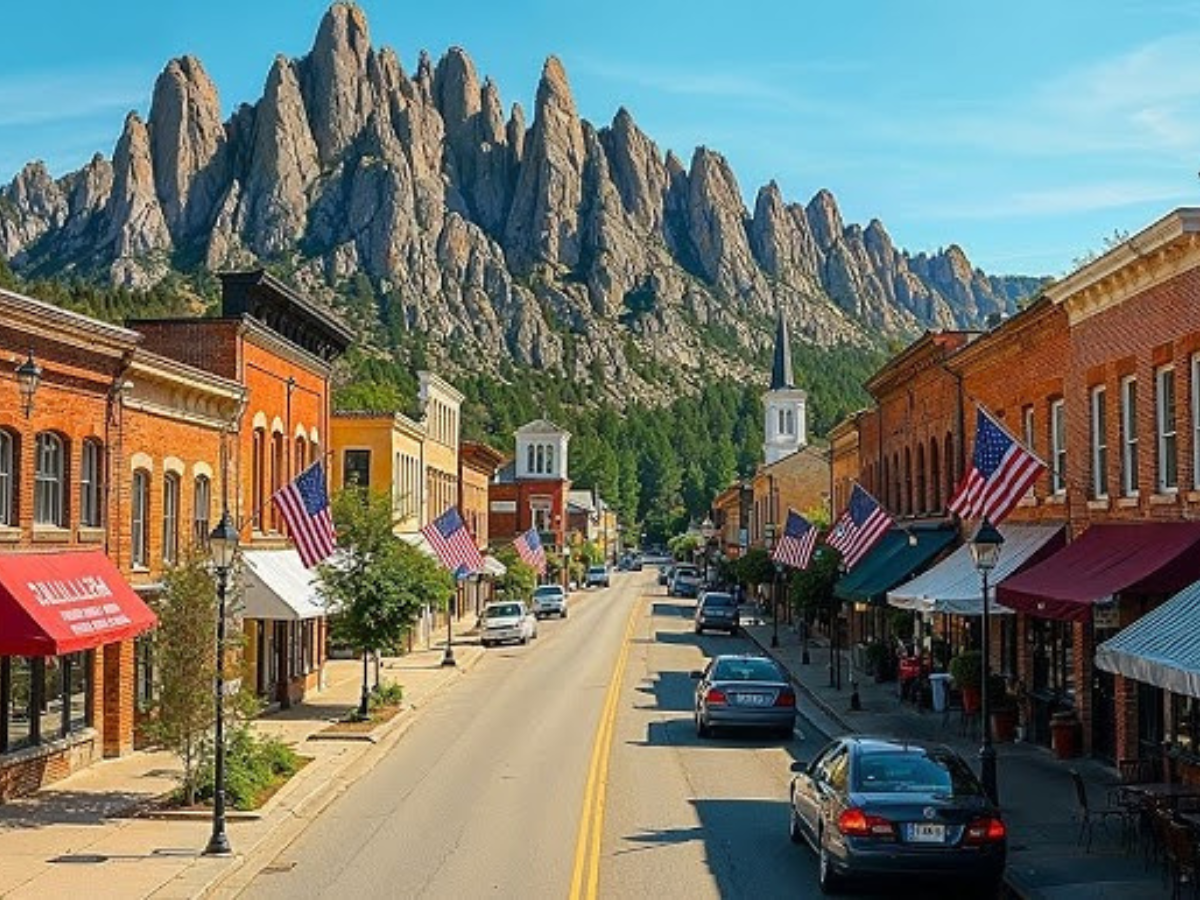
In states across the Midwest USA, travellers are rediscovering places that were once treated mostly as stopovers. Towns like Galena in Illinois, Traverse City in Michigan or Deadwood in South Dakota are now appearing more frequently across travel discussions, not because they suddenly changed, but because travellers themselves changed.
The appeal of small-town travel often comes from details that larger cities no longer offer easily:
- Independent cafés that still feel local
- Streets where walking remains unhurried
- Family-owned diners with no interest in trends
- Community festivals that were never designed for social media
Across the wider landscape of American travel, that simplicity has started to matter more. Travellers searching for destinations with stronger individuality are also increasingly drawn toward unreal and unique places around the world that feel distinct from conventional tourism circuits.
Why Hidden Destinations Feel More Memorable

One reason travellers are leaning towards hidden gems in the USA is because discovery feels personal again. Popular tourist cities often come with expectations already attached. Travellers arrive knowing exactly what photos they are supposed to take and which landmarks they are expected to recognise. Smaller destinations work differently. Travellers arrive with fewer assumptions.
A person might stop in a riverside town in Minnesota expecting very little, then end up staying longer than planned because the place feels unexpectedly comfortable. Another traveller may visit a quiet Ohio town during autumn and remember the atmosphere more vividly than larger destinations visited earlier in the year.
This is one reason underrated destinations are becoming central to current domestic travel trends. Travellers increasingly want trips that feel less rehearsed. That desire for originality is also driving interest in unique places across the world that offer unconventional travel experiences instead of predictable tourist itineraries.
Midwest Attractions Are Becoming Easier to Access
For years, many travellers overlooked the region simply because it did not market itself as aggressively as coastal destinations. That gap is narrowing now. Improved flight connectivity, easier road infrastructure and more flexible travel planning have made Midwest attractions far easier to explore than before.
Travellers planning routes through the American heartland can now combine cities and smaller towns without turning the journey into complicated logistics. A traveller might spend a few days in Chicago, continue into Wisconsin lake towns and then move towards Michigan’s quieter coastal regions without feeling rushed.
This flexibility is one reason regional tourism across the Midwest has started growing steadily. Travellers are no longer treating these areas as secondary options. In many cases, they are becoming the main reason for the trip. For travellers planning seasonal family holidays around quieter destinations, guides like the best places to visit in March with family reflect how travel preferences are shifting toward more relaxed and experience-led journeys.
The Rise of Quirky Destinations
Another reason Midwest travel has become more visible is because travellers are becoming more comfortable with unusual experiences. The internet has changed how people discover places. Smaller towns no longer rely entirely on guidebooks or traditional tourism campaigns. Now, a roadside museum, unusual sculpture park or tiny historic town can suddenly become popular online. Some of the most talked-about quirky destinations across the Midwest are surprisingly simple:
- A Scandinavian-style town in Minnesota
- Vintage roadside diners in Iowa
- Old Route 66 stops in Missouri
- Historic river towns along the Mississippi
None of these places necessarily compete with major tourist attractions. That is not really the point. Their popularity comes from personality rather than scale. Among current domestic travel trends, travellers increasingly seem willing to choose character over fame. This broader movement toward experiential travel is also visible internationally, especially among travellers exploring the best countries to visit in August for slower and less crowded seasonal escapes.
The Midwest Feels More Affordable
Cost has also played a role in the rise of Midwest travel. Travellers are becoming more conscious of how expensive traditional tourist cities have become. Hotels, transport and dining costs in heavily visited destinations continue increasing, especially during peak seasons.
Many underrated destinations across the Midwest offer a different balance. Travellers can often stay longer, drive further and explore more without constantly calculating expenses. A trip through the American heartland may include the following:
- Boutique stays at lower prices
- Easier parking and transport
- Smaller crowds at attractions
- Less pressure to over-plan every day
That flexibility changes how travel feels. People spend less time managing logistics and more time simply experiencing places. The same mindset has encouraged travellers to look beyond traditional hotspots through destination-specific guides like planning a trip to Jamaica with local travel insights that focus more on atmosphere and regional discovery.
Small-Town Travel Feels More Human
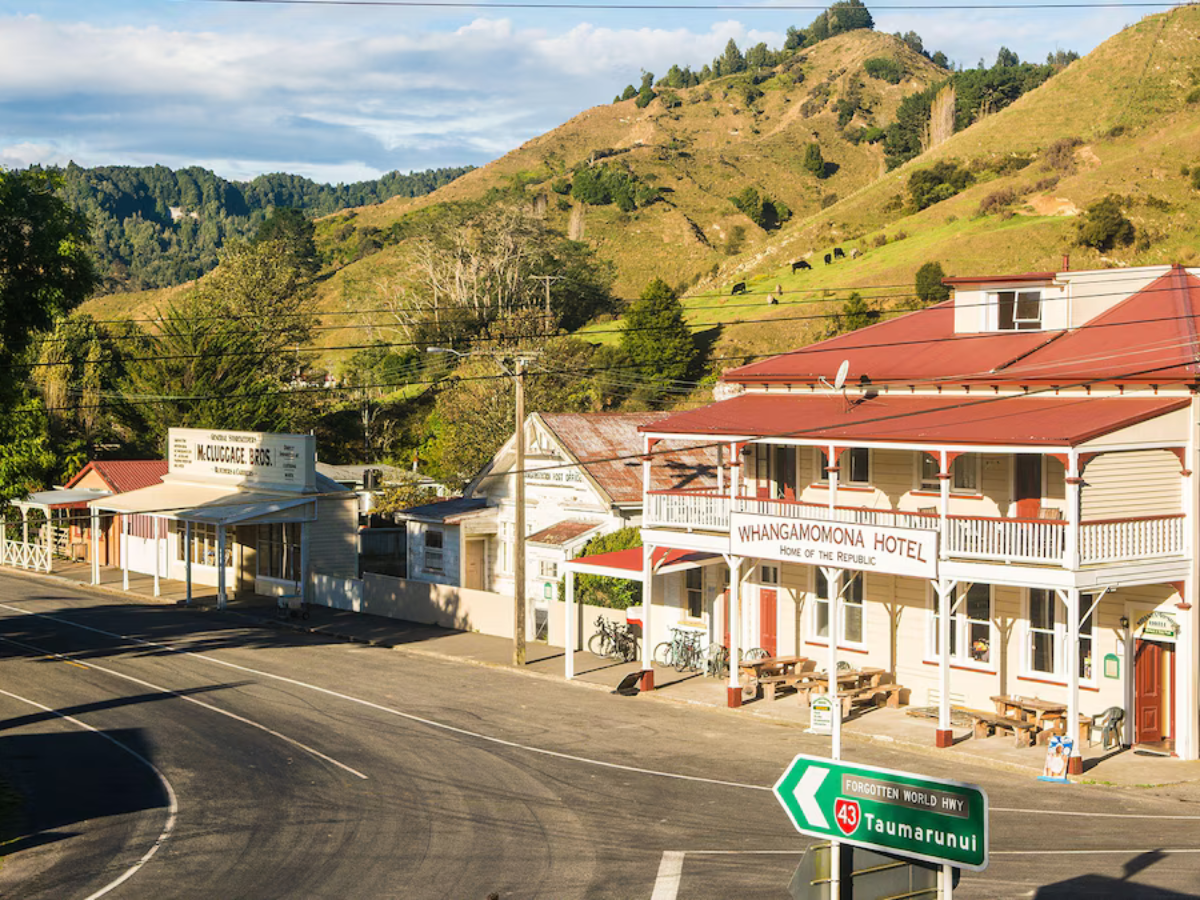
One thing travellers often mention after visiting the Midwest is how conversational the experience feels. In many larger destinations, tourism operates at such a scale that interactions become transactional very quickly. Smaller towns slow that dynamic down. This is where small-town travel stands apart.
Travellers might end up speaking with café owners for twenty minutes, receiving local route recommendations from strangers or stumbling into community events they had not planned around. These interactions are difficult to schedule into itineraries, yet they often become the most memorable parts of the trip. Across much of the Midwest USA, there is still space for that unpredictability.
Social Media Has Changed What Counts as Popular
Ironically, social media has helped lesser-known places gain attention while simultaneously pushing travellers away from overcrowded hotspots. Travellers are now actively searching for hidden gems in the USA instead of simply following the most famous destinations.
This has made quirky destinations and quieter towns more visible than before. A lakeside café in Wisconsin or a historic street in Nebraska can suddenly appear across travel feeds and inspire entirely new travel routes.
But what makes the Midwest different is that many places still feel relatively untouched despite the growing visibility. The atmosphere remains slower. The crowds remain manageable. The experience still feels discoverable. That balance is becoming increasingly rare within modern American travel.
Why the Midwest Works for Different Kinds of Travellers
Part of the region’s growing popularity comes from its flexibility. The Midwest does not demand one specific style of travel. Some travellers focus on food trails. Others build road trips around national parks, music history or seasonal drives. For some, Midwest attractions revolve around nature:
- Lake Michigan coastlines
- Forest drives in Minnesota
- Quiet hiking regions in South Dakota
For others, the appeal comes from culture:
- Jazz history in Kansas City
- Scandinavian heritage towns
- Local craft breweries and independent art spaces
This range is why regional tourism across the Midwest continues expanding into different traveller groups rather than remaining niche.
The Future of Midwest Travel
The growing interest in Midwest travel does not feel temporary. Travellers are changing what they value. The focus has shifted away from collecting famous locations and towards finding experiences that feel more grounded. That is why off-the-beaten-path USA routes are no longer seen as alternatives. For many travellers, they have become the preferred option.
As travel platforms adapt to changing preferences, companies like EaseMyTrip are also beginning to reflect these shifts by helping travellers discover routes beyond the obvious tourist circuits. Whether someone is searching for flights to Chicago before a regional road trip or comparing hotels in Wisconsin lake towns, travellers increasingly want tools that support flexibility rather than rigid itineraries. Whether planning regional road trips or extended stays, travellers can now compare hotels across Midwest destinations, search flights to Midway Airport (MDW), or book flexible bus travel options while building personalised Midwest itineraries.
The Midwest may never compete with America’s loudest destinations for attention. But perhaps that quieter identity is exactly what travellers have started looking for.
FAQs
1. Why is Midwest travel becoming popular in 2026?
Midwest travel is growing because travellers are increasingly searching for quieter destinations, smaller crowds and more flexible experiences. Many travellers now prefer slower trips and lesser-known towns instead of heavily crowded tourist cities.
2. What are some hidden gems USA travellers are visiting?
Some popular hidden gem USA destinations include towns in Wisconsin, Michigan, Minnesota and South Dakota. Travellers are also exploring historic river towns, scenic lake regions and smaller cultural hubs across the Midwest.
3. Why does small-town travel appeal to modern travellers?
Small-town travel often feels more personal and relaxed. Travellers enjoy slower pacing, local conversations, independent cafés and experiences that feel less commercialised compared to major tourist cities.
4. Are Midwest attractions suitable for road trips?
Yes, many Midwest attractions work particularly well for road travel. Distances between destinations are manageable, roads are well connected and travellers can combine cities, nature routes and small towns within the same journey.
5. How is regional tourism changing American travel?
Regional tourism is encouraging travellers to explore areas beyond traditional hotspots. Instead of focusing only on major cities, travellers are now discovering underrated destinations and building trips around local culture, landscapes and smaller communities.






 May 26, 2026
 Share
Share
 Download as PDF
  From
From 
 Departure Date
 Travellers & class
 Rent For
 Departure Date



 Share
Share 


{{cmnt.comment}}