Uttarakhand isn’t just about popular sights and packaged itineraries—it’s about the unexpected, slower moments that truly define the experience. Beyond famous destinations like Nainital, Mussoorie, and Rishikesh, the state reveals its charm in quiet sunrises, local food spots, hidden trails, and authentic cultural encounters. From peaceful hill towns like Lansdowne and Mukteshwar to offbeat experiences in Auli, Chopta, and Binsar, every place offers more than what typical tour packages highlight. The key to a memorable Uttarakhand trip is leaving room for spontaneity, exploring beyond crowded attractions, and embracing local rhythms, traditions, and landscape.
Uttarakhand does not simply exist on a map waiting for a traveller to check it off. It manifests in crystal-clear, mist-covered mornings in the hill stations; it reverberates through temple bells in river valleys and trails that disappear into territories where mobile signals surrender to mountain magic. The thing about Uttarakhand tour packages is they often promise the obvious: the lakes, the temples, and the adventure sports but miss the quieter moments that actually stay with you. That street-side chai was sipped while watching locals go about their morning routines. The shower nobody expected, the rain that scatters everyone under shop awnings, chuckling. The old shopkeeper who simply has to tell how things used to be. These moments don't appear in glossy brochures, but they're exactly what turn a generic getaway into an experience you'll remember. The best Uttarakhand tour packages are not necessarily the ones that come with delineated itineraries but those that leave some space open for these unplanned experiences to unfold in parallel.
Nainital: Beyond the Boats and Selfie Spots
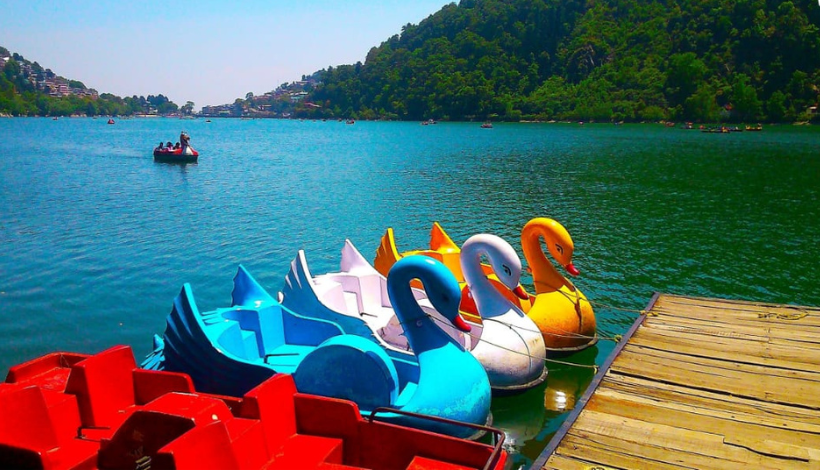
Everyone knows about the lake. Everyone takes the boat ride. What fewer people know is that Nainital's actual soul reveals itself in the early morning hours before the town properly wakes up. Around 5:30am, when mist still clings to Naini Lake and shopkeepers are just rolling up their shutters, there's this strange peaceful quiet that doesn't exist later in the day. Most Nainital trip packages have travellers sleeping through this window, which is honestly a shame.
For food, forget the main Mall Road restaurants charging tourist prices for average fare. Head to Sonam Fast Food near Tallital for their aloo poori breakfast; it's what locals actually eat and costs a fraction of what you'd pay elsewhere. The real insider tip, though? Take the ropeway to Snow View Point, but don't stop there. Continue walking upwards for another twenty minutes to reach an unnamed clearing where you'll find maybe three other people maximum and views that make the crowded official viewpoint look ordinary.
Nainital tour packages often skip Tiffin Top entirely because it requires effort: roughly an hour's trek from Dorothy's Seat. That's precisely why it's brilliant. Pack some snacks and start early in the afternoon, and you'll reach there just as the light starts turning golden. The locals call it that because British officers apparently carried their tiffins up here for picnics. These days it's mostly empty except for the occasional serious trekker and couples looking for privacy.
Mussoorie: Where Old Money Meets Mountain Air
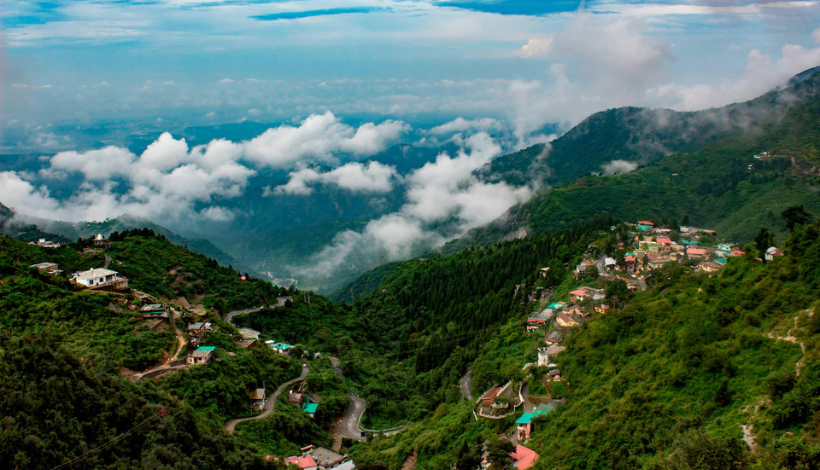
Mussoorie's got this reputation as a weekend getaway spot, which isn't wrong but sells it terribly short. The town's divided personality, part bustling tourist hub, part genteel colonial throwback, creates odd pockets where you can slip between eras just by turning down a different path. Mussoorie Tour Packages usually herd people along Mall Road and call it done, but the actual character lives in the quieter stretches.
Landour, technically part of Mussoorie but feeling like a different world entirely, deserves a full afternoon at minimum. The walk from Char Dukan (four shops, literally) towards Sister's Bazaar passes through deodar forests and colonial-era cottages that look like they're still waiting for their British occupants to return from summer in Simla. Stop at Prakash Store for their ginger lemon tea and omelette bread; it's been the same recipe since 1942, apparently.
Food-wise, seek out Kalsang for Tibetan fare that's genuinely authentic rather than adapted for Indian palates. Their thukpa on a cold evening might be the best meal you'll eat in the hills. The local hack nobody tells you: avoid the Gun Hill ropeway on weekends entirely. Instead, walk up to Lal Tibba early in the morning when Landour's still sleepy. It's Mussoorie's highest point, and on clear days you can see Himalayan peaks that make you understand why people built hill stations here in the first place. Mussoorie Trip Packages from EaseMyTrip Holidays often include this, but timing matters enormously. Go at the wrong hour, and you'll see nothing but crowds and haze.
Rishikesh: More Than Just Bungee Jumping and Beatles
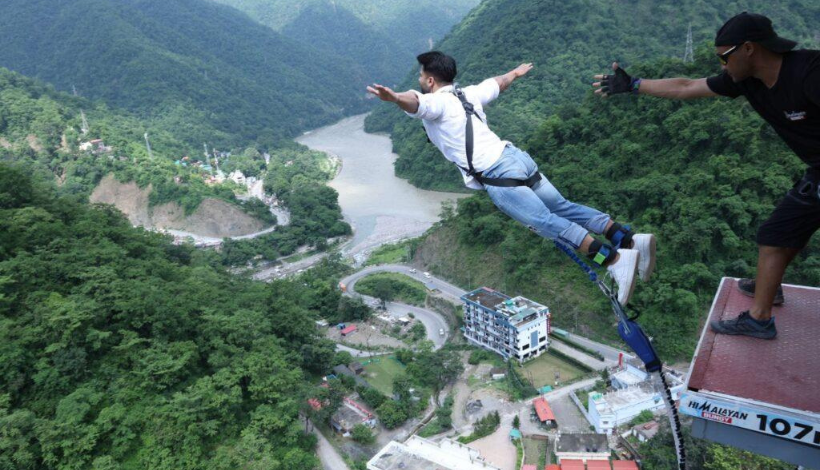
Rishikesh has become so synonymous with adventure sports and yoga retreats that its actual river-town essence gets buried under marketing speak. Yes, do the rafting if that's your thing. But the Ganges here flows with a different energy at dawn, before the operators set up and the tourist buses arrive. Walk along the ghats around 5 am, and you'll encounter something closer to the town's real heartbeat: priests performing rituals, locals taking holy dips, and the river reflecting mountains and sky in that specific pre-sunrise light.
Rishikesh Holiday Packages typically focus on Lakshman Jhula and Ram Jhula, which are worth seeing but hardly the full story. Cross over to the Swarg Ashram side and wander the lanes away from the main drag. Small ashrams offer drop-in meditation sessions that cost nothing and ask nothing except that you sit quietly for an hour. Beatles Ashram (officially Chaurasi Kutia) charges entry now but remains wonderfully eerie, with abandoned meditation cells covered in graffiti art, peacocks wandering the overgrown grounds, and echoes of 1968 when the band came seeking enlightenment.
For food, Little Buddha Cafe does excellent Israeli and Italian dishes (the backpacker influence runs deep here), but for something more traditional, try the thali at Chotiwala. It's a pure tourist trap in appearance, but the food's legitimately good, and the atmosphere is hilariously over-the-top Bollywood. The insider move: book one of those basic guesthouses right on the river's edge, not in Rishikesh proper but slightly upstream near Shivpuri. You'll pay less, wake to the sound of rushing water, and be better positioned for rafting starts anyway. Rishikesh Holiday Packages sometimes miss this geographical sweet spot entirely.
Haridwar: Faith, Crowds, and Surprising Quiet Corners
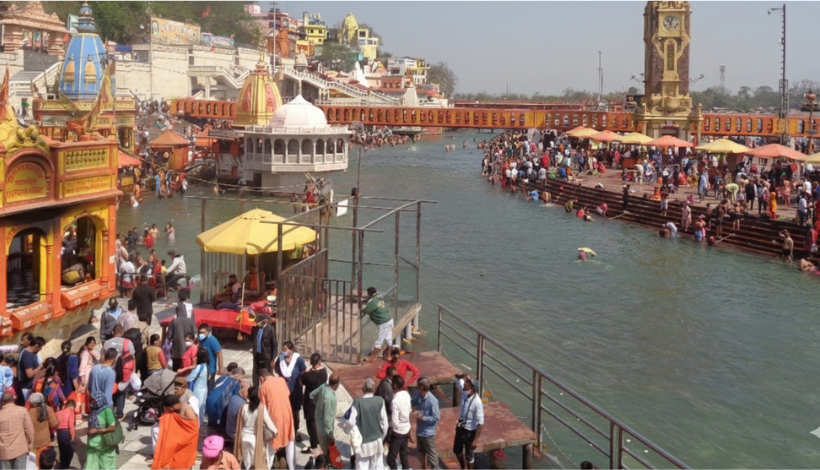
Haridwar operates at an intensity that catches first-timers off guard. This isn't a peaceful temple town; it's a full-sensory religious experience with crowds, noise, flower sellers, pandas (priests) calling out to pilgrims, and the Ganges flowing strong and purposeful through the centre of it all. The evening Ganga aarti at Har Ki Pauri is genuinely spectacular, but you've got to make peace with the fact that you'll be sharing it with several thousand other people.
Haridwar travel packages rightly include the aarti, but here's what they don't tell you: arrive at least ninety minutes early if you want a decent spot. And "decent" means being able to actually see the aarti rather than just hearing it while staring at the back of someone's head. Alternatively, skip the main ghat entirely and watch from one of the bridges. You lose some immediacy but gain perspective and breathing room.
The food scene centres heavily on pure vegetarian fare (the entire city is officially alcohol and meat-free). Mathura Wale Peda Shop near Bara Bazaar has been making milk sweets since 1916, and you can taste the history in every bite. For proper meals, Hoshiyar Puri near the railway station serves aloo puri and chole bhature that locals queue up for regardless of tourist season.
The hack literally nobody mentions: take a shared auto to Shantikunj Ashram, about twenty minutes from the main town. It's this massive spiritual campus that feels almost otherworldly in its calm compared to central Haridwar. They offer free entry to their gardens and temples, meditation sessions for visitors, and a completely different energy. Haridwar Tour Packages focus so heavily on Har Ki Pauri that places like this get entirely overlooked, which is honestly their loss.
Lansdowne: The Hill Station Time Forgot
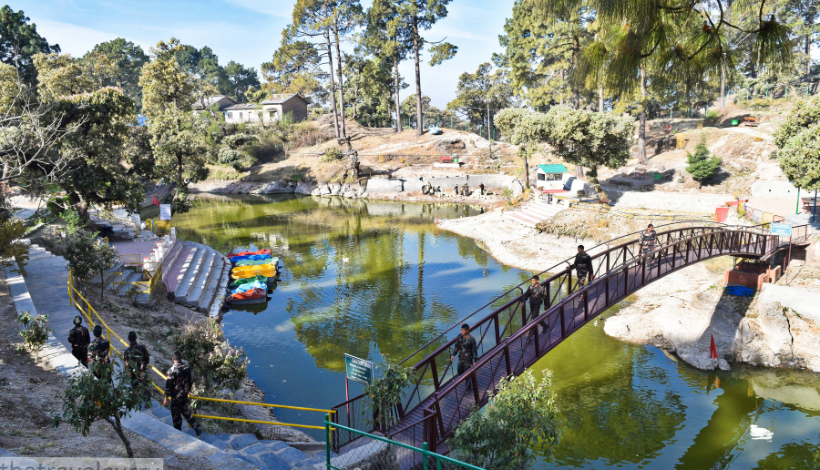
Lansdowne operates at a different pace entirely. No major tourist infrastructure, no adventure sports companies hawking activities, just a sleepy cantonment town perched in the hills with precisely one main market and a lot of empty walking trails. This isn't the place you come for action; it's where you come when you've had enough of action elsewhere.
The Garhwal Rifles Regimental Museum offers unexpected insight into military history, and unlike stuffier museums elsewhere, this one's maintained by actual regiment members who sometimes give impromptu, detailed explanations if you seem genuinely interested. The war memorial nearby sits in perfect quiet, looking out over valley views that go on for miles.
Lansdowne Holidays tend to be low-key affairs focused on walking, birdwatching, and generally doing not very much at all. Which is rather the point. Tip Top and Snow View Point both offer decent vistas without requiring serious trekking. Bhulla Lake provides boat rides that feel agreeably pointless; it's a small lake, you're not going anywhere, you're just floating about for twenty minutes whilst ducks paddle nearby.
Food options are limited, with the main market offering simple North Indian fare at the handful of dhabas. The Oak Barrel Multi-Cuisine Restaurant does slightly fancier preparations if you're tired of basic curry and rice. The real insider knowledge: book a homestay rather than a hotel. Several local families offer rooms in their homes, cook traditional Garhwali meals, and provide the kind of local perspective you'd never get otherwise. Lansdowne Holidays work best when they're less about structured activities and more about slowing right down to match the town's rhythm.
Auli: Skiing, Sure, But Also Something Quieter
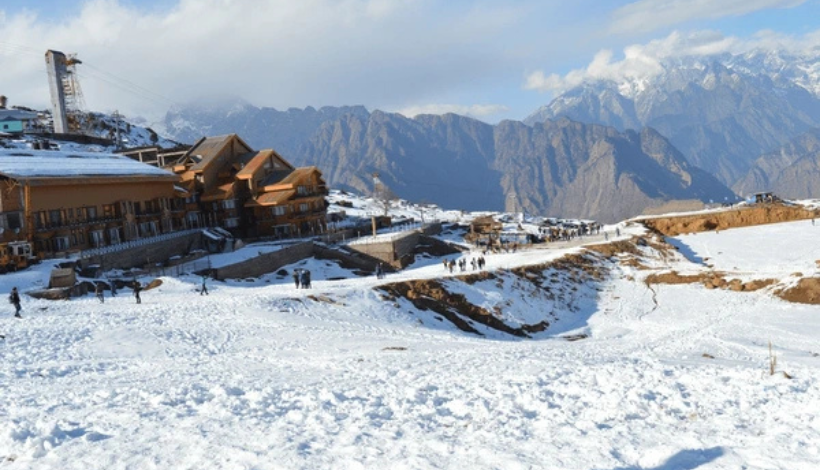
Auli exists primarily as India's premier ski destination, with winter months bringing enthusiasts up for snow sports against a backdrop of Himalayan giants. But here's the thing: Auli outside ski season (roughly April to November) transforms into something else entirely. The slopes turn green, wildflowers appear, and the crowds disappear completely. Making it perfect for those exploring an offbeat Auli trip package. The cable car still runs, lifting you up through oak and deodar forests to meadows where you might encounter more cattle than tourists.
The food situation is basic; this isn't a culinary destination. Most stay packages include meals at their hotels, and options outside those are limited to a few small dhabas near the cable car base. Try the local Garhwali dishes if offered bhang ki chutney, kafuli, or chainsoo; they're regional specialities you won't find on the plains.
The insider tip: if you're visiting during the off-season, negotiate hard on accommodation prices. Hotels sit mostly empty and are often willing to offer significant discounts rather than have rooms unoccupied. The trek to Gorson Bugyal (meadow) takes about three hours one way and delivers views that justify every step, with Nanda Devi, Kamet, and Mana Parvat standing in a row like they're posing specifically for you. Most ski-focused visits miss this entirely.
Jim Corbett: Beyond the Safari Clichés
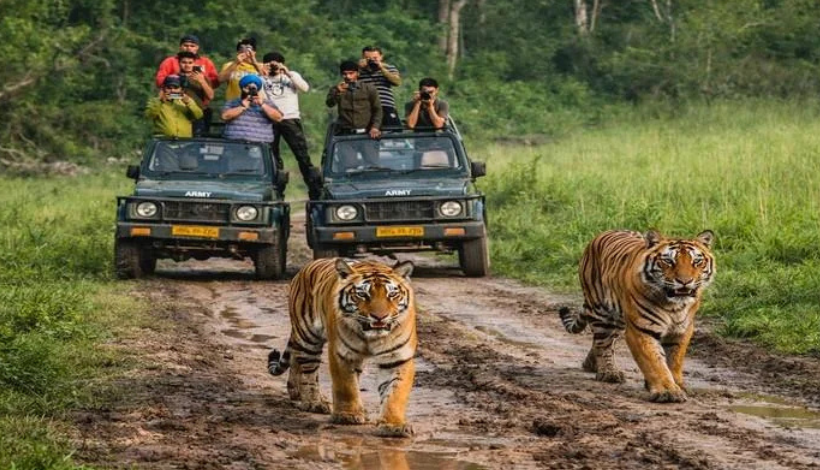
Jim Corbett National Park has been marketed to death as India's tiger reserve, which creates this odd situation where everyone shows up expecting guaranteed tiger sightings and then feels disappointed when it doesn't work out that way. Tigers are genuinely elusive. You might spot one. You might not. Managing expectations helps enormously.
What safaris do consistently deliver: sal forests with their distinctive light, langur monkeys performing acrobatics in trees, spotted deer moving in nervous herds, the occasional wild elephant, and if you're lucky, leopard pugmarks. The landscape itself is reason enough to be there, tigers or no tigers. The park is divided into several zones. Dhikala is famous but requires advance booking and staying overnight in the zone. Bijrani and Jhirna are easier to access for day visitors.
Food is whatever your resort provides, as there's no real town immediately adjacent to most park gates. Resorts range from budget to properly luxurious, with the fancier ones offering elaborate buffets and the simpler ones serving dal-roti-sabzi that gets the job done.
The hack: book the earliest safari slot possible (usually around 6am depending on season). Animals are more active, light is better, and you'll be back by 10am with the whole day ahead rather than sitting around waiting for an afternoon slot. Also, hire a knowledgeable guide who actually understands animal behaviour; they're worth their weight in gold for interpreting signs and positioning your vehicle sensibly. EaseMyTrip Corbett holiday packages often include safari experiences, but guide quality varies enormously, so it's worth asking specifically about this.
Almora: Markets, Sunrises, and Slow Living
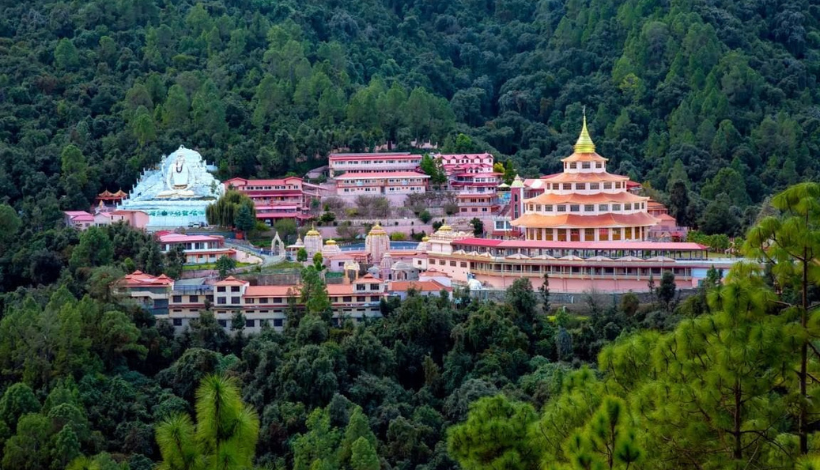
Almora wraps itself around a ridge, with houses and shops built along the hillside in ways that suggest town planning was more suggestion than rule. The bazaar area, Lala Bazaar, particularly specialises in copper items, woollen shawls, and organic products from surrounding villages. It's proper old-fashioned shopping where bargaining is expected and shopkeepers still know their regular customers by name.
Kasar Devi, just outside town, gained fame in the 1960s and 70s for attracting hippies, spiritual seekers, and various alternative types. These days it's calmed down considerably but retains a slightly bohemian vibe. The temple itself sits atop a hill with panoramic Himalayan views that turn extraordinary during sunrise. Several small cafés nearby serve decent coffee and conversation, Mohan's Café being the longest-running.
Food recommendations lean towards Dolma Restaurant for Tibetan dishes, particularly their momos and thukpa. For traditional Kumaoni cuisine, many guesthouses prepare meals using local ingredients: mandua (finger millet) rotis, bhatt ki churkani (black soybean curry), and jhangora (barnyard millet) kheer. These aren't restaurant foods generally; you'll need to eat where locals do or stay somewhere that cooks traditionally.
The insider tip that almost nobody knows: Bright End Corner, about 2km from Almora centre, offers what might be the finest sunset view in Uttarakhand. Especially if you're planning a budget Almora trip and want experiences that don’t cost a thing. Not sunrise or sunset specifically. The sun setting behind Himalayan peaks whilst the valleys below start twinkling with lights creates this moment that photographs cannot capture properly. You've just got to be there. Most visitors don't hear about it because the famous viewpoint is Martola for sunrise, so Bright End stays relatively empty.
Ranikhet: Golf, Orchards, and Mountain Quietude
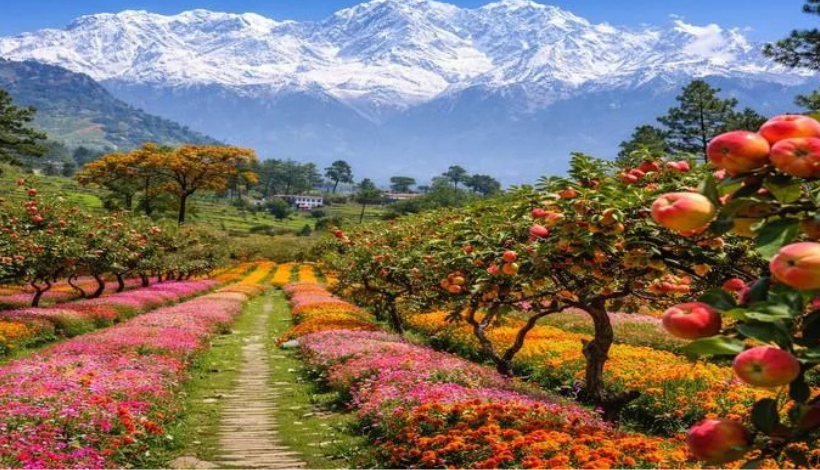
"Ranikhet" translates as "Queen's Meadow", named after a Kumaoni queen who apparently fancied the place. The British established it as a military cantonment, which explains the neat roads and well-maintained areas even today. Golf enthusiasts come for the course, supposedly Asia's highest, though that claim gets made about several courses, honestly. Whether or not it's technically the highest, it's certainly scenic.
The Kumaon Regimental Centre Museum provides military history similar to Lansdowne's offering. Chaubatia Gardens, about 10km away, specialises in apple and apricot orchards. Visiting during fruiting season (roughly July-August for apricots, September-October for apples) means buying fresh fruit directly from the source at prices that make city rates look criminal.
Food is straightforward North Indian fare at various small restaurants along the main bazaar. Uphar Restaurant does reliable thalis and Chinese dishes. For something different, ask your hotel to arrange Kumaoni food specifically; you'll likely need to give advance notice, as it's not standard tourist fare.
The hack: visit Majkhali, about 13km from Ranikhet, particularly around dawn. It's this ridge offering a 360° view of Himalayan peaks Nanda Devi, Trishul, and Panchachuli making it one of the most underrated places to visit in Ranikhet. Unlike more famous viewpoints, Majkhali remains wonderfully undeveloped and little-visited. You can sit there for an hour watching the mountains change colour as the sun rises and maybe see one or two other people maximum. That kind of solitude is increasingly rare in Uttarakhand's better-known spots.
Chopta: Trekker's Paradise and Star-Gazer's Dream
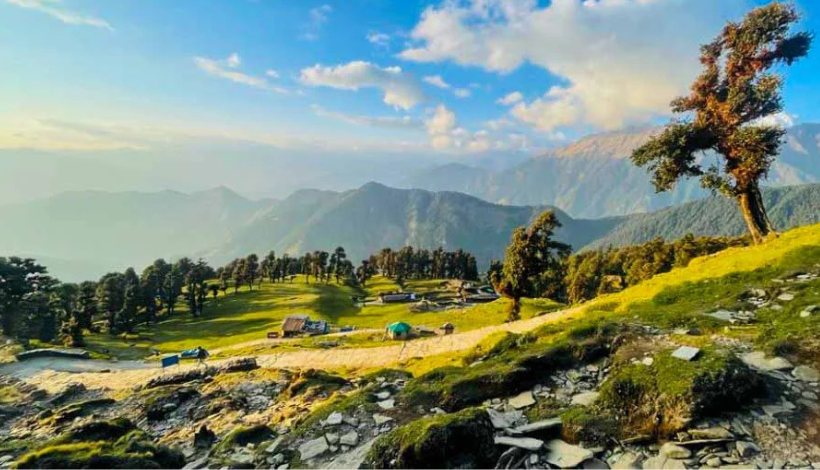
Chopta sits at roughly 2,700 metres, serving as the starting point for treks to Tungnath Temple (the world's highest Shiva temple) and further to Chandrashila Peak. The village itself is barely a village, more a collection of guesthouses and camps strung along the road. Infrastructure is basic, which somehow adds to rather than detracts from the appeal.
The Tungnath trek is about 3.5km one way, taking anywhere from two to four hours depending on fitness levels and how often you stop to photograph things. The temple itself is ancient, stone-built, and sits in this perfect spot where mountains surround you on all sides. From Tungnath, it's another 1.5 km to the Chandrashila summit, which delivers 360-degree views that make the climb worthwhile even if your legs are protesting.
Food is whatever your guesthouse provides, typically dal, rice, vegetables, and chapati. Some places offer Maggi noodles, which at high altitude somehow tastes far better than it has any right to. Don't come expecting culinary adventures; come expecting fuel to keep you going.
The insider knowledge: Chopta's night skies are extraordinary if you visit during clear weather. Minimal light pollution means you can see the Milky Way stretching overhead like someone spilt diamonds across black velvet. Carry a torch for walking around camp at night, but turn it off once you're safely positioned and just look up. Also, winter (December-February) transforms Chopta is a snow-covered wonderland, but temperatures drop significantly and the trek becomes considerably more challenging; proper gear is essential.
Kausani: Tea, Views, and Mahatma Gandhi's Favourite Spot
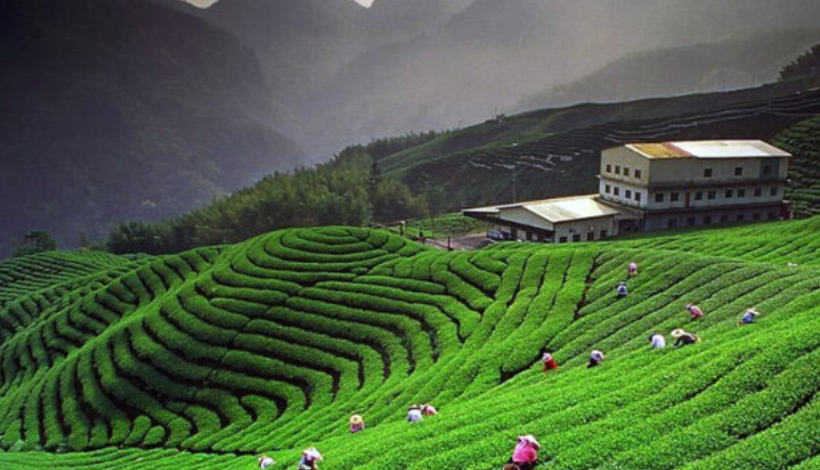
Kausani is famous primarily for its Himalayan panorama: 300 km of peaks are visible on clear days, including Trishul, Nanda Devi, and Panchachuli which is why the best time to visit Kausani is during clear-weather months when these views are at their sharpest. Mahatma Gandhi stayed here in 1929 and apparently liked it so much he named it the "Switzerland of India". That comparison gets made about approximately seventeen different Indian hill stations, but the view genuinely is spectacular.
Anasakti Ashram, where Gandhi stayed, is now a small museum and meditation centre. The atmosphere there is peaceful, the viewpoint attached offers unobstructed mountain vistas, and entry is free. Tea estates surround Kausani; several offer tours showing the process from leaf to cup. Buying fresh tea directly from estates means getting better quality at lower prices than in city shops.
Food options cluster around the main bazaar area, with simple restaurants serving North Indian standards. For something special, some hotels prepare traditional Kumaoni thalis if you ask in advance. Don't miss trying bal mithai (a brown chocolate-like sweet) and singal (another local sweet); they're regional specialities available at sweet shops.
The hack: most people visit the viewpoint during daytime, but sunrise here is genuinely spectacular. The peaks catch first light and seem to glow pink-orange whilst the valleys below stay in shadow. You'll need to brave the cold depending on season, but it's worth numb fingers. Also, the walk from Kausani to Baijnath (about 17 km) follows an ancient pilgrimage route through villages and terraced fields; it's doable as a day trek if you start early, or you can hire a taxi to drop you partway and walk portions.
Binsar: Wildlife, Oaks, and Zero Sunset Views
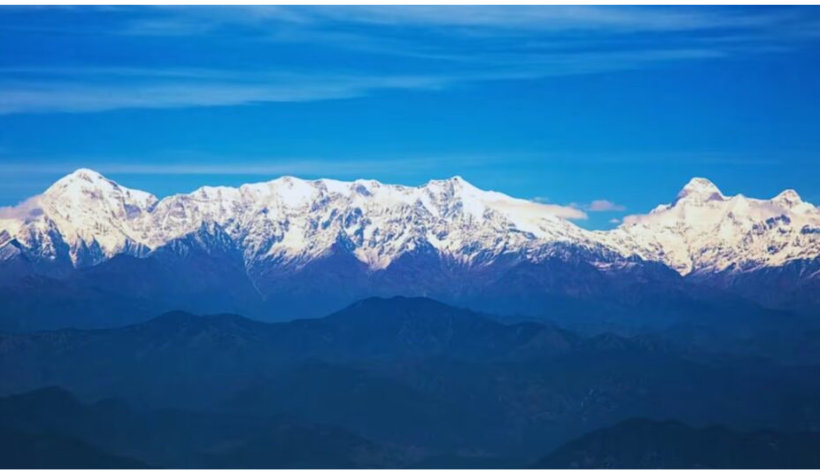
Binsar Wildlife Sanctuary exists primarily to protect oak forests and the wildlife living within them: barking deer, leopards, pine martens, and over 200 bird species. The sanctuary's highest point, Zero Point, delivers sweeping Himalayan views (the usual suspects: Nanda Devi, Panchachuli, and Kedarnath peaks). Getting there requires a 2km trek through forest from the road, which filters out the totally uncommitted visitors.
Accommodation options are limited: a government guesthouse inside the sanctuary (needs advance booking) and various resorts scattered outside the sanctuary gates. Food is what your hotel provides, with most offering standard North Indian fare. Some of the nicer resorts prepare more elaborate meals, but you're basically at their mercy menu-wise, as independent restaurants don't really exist here.
The insider tip: Binsar works best as a base for exploring surrounding areas rather than a destination in itself. So if you’re planning to book Binsar tour packages, make sure your itinerary includes nearby experiences as well. The Jageshwar Temple Complex (about 30 km away) contains 124 ancient stone temples in a deodar forest setting; it's atmospheric and historically significant but often skipped by tourists focused on bigger names. The drive from Binsar to Jageshwar winds through beautiful forested sections that justify the journey even before you reach the temples. Come during the monsoon (July-August), and the forest absolutely explodes with green, though leeches become an occupational hazard for trekkers.
Mukteshwar: Orchards, Ashrams, and Adventurous Heights
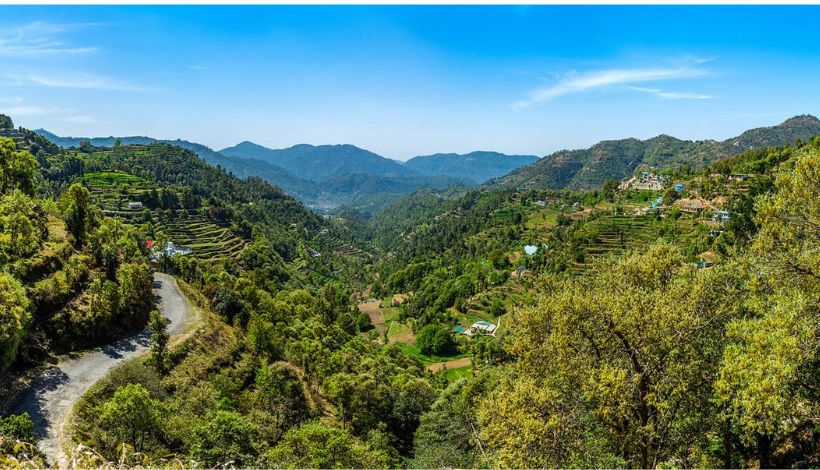
Mukteshwar operates as a quieter alternative to busier hill stations, sitting at about 2,300 metres with orchards producing apples, peaches, plums, and apricots. The 350-year-old Mukteshwar Temple is the main landmark perched on a cliff edge with views that drop dramatically into valleys below. Attached to the temple is the Chuli ki Jali, a small hole in the rock face that supposedly leads to salvation if you're brave (or foolish) enough to crawl through it whilst dangling above a significant drop. Most people content themselves with photos. The Indian Veterinary Research Institute's campus here dates to colonial times, set amongst gardens and orchards that visitors can walk through. Nearby, Chauli ki Jali offers rock climbing and rappelling opportunities for those after some adrenaline. Several operators offer courses and equipment.
Food is primarily guesthouse-based, as Mukteshwar's bazaar is quite small. Some homestays serve excellent home cooking if you arrange ahead Kumaoni dishes made properly using local produce. The apples, when in season, are worth buying in quantity. The hack few people know: a rough road leads to Mukteshwar Inspection. The bungalow is sitting higher than the main town, with even better views and almost zero tourists. It's government accommodation requiring advance booking, but the location is extraordinary. Also, catch the sunset from Dhanachuli (about 12 km away); the drive is beautiful, the village tiny, and the views magnificent. You'll probably have the whole viewpoint to yourself.
All in All
Uttarakhand rewards the curious, the patient, and those willing to venture beyond the obvious. Whether booking comprehensive EaseMyTrip holiday packages or piecing together independent adventures, the mountains have a way of reshaping plans and expectations into something better than what was originally intended.
Frequently Asked Questions
What's the best time to visit Uttarakhand?
For many destinations, March through June is also perfect great weather and visibility to the mountains, everything open. Visit October to November if you want post-monsoon visibility under fewer crowds. Apart from Auli, other regions may get snow in winter (December-February).
Are Uttarakhand destinations suitable for family travel?
Absolutely. Hill stations are easily accessible, pleasant stays with places like Nainital, Mussoorie and Ranikhet. Those with young families may possibly not be capable of completing a handful of greater-stakes treks, but otherwise the most widely used types of locations should pose no difficulties.
How many days should one allocate for Uttarakhand?
Minimum seven to ten days for covering major highlights properly. Three to four days for a quick hill station escape. Trekking routes or pilgrimage circuits might need two weeks. It's vast; trying to rush everything means enjoying nothing.
What kind of accommodation options exist across Uttarakhand?
Everything from luxury resorts and heritage hotels to budget guesthouses and forest rest houses. Homestays increasingly popular in smaller towns offer authentic local experiences. Camping possible in places like Chopta and Auli. Prices range from backpacker-friendly to properly expensive.
Is it safe to travel solo in Uttarakhand?
Usually very safe, especially in tourist areas. You know basic precautions: do not go to secluded locations at night, have your emergency contact ready and tell someone about your travel plans. Solo female travellers can feel comfortable and safe in almost all parts of the country (as long as they dress respectfully), although religious towns such as Haridwar/Rishikesh may not be as tourist-friendly.






 May 5, 2026
 Share
Share
 Download as PDF
  From
From 
 Departure Date
 Travellers & class
 Rent For
 Departure Date


 Share
Share 
{{cmnt.comment}}