Travel is shifting from rushed bucket-list tourism to slower, more meaningful experiences. Instead of visiting many places quickly, travellers now prefer extended stays, local immersion, remote-work lifestyles, and deeper cultural connections. Slow travel reduces stress, costs less in many cases, supports sustainable tourism, and creates more memorable experiences through everyday local life rather than nonstop sightseeing. Destinations like Gokarna, Pondicherry, Hampi, Kasol, and smaller global towns are becoming popular because they support relaxed, long-term stays and authentic living over fast-paced itineraries.
There was a period when travel became competitive.
People moved across cities collecting landmarks the way stamps once filled passports. Ten countries in two weeks sounded impressive on paper and looked striking on a grid. Itineraries got tighter, faster, and quietly exhausting. Airports blurred together. Sunrises got photographed but were barely experienced. Entire destinations were reduced to a handful of must-see spots and thirty-second reels that took longer to edit than the actual visit lasted.
Now the opposite is happening.
More travellers are walking away from rushed itineraries and turning toward slow travel instead. Staying longer. Travelling less frequently. Working remotely from smaller towns. Renting apartments instead of cycling through hotel rooms. Choosing depth over volume.
That shift is changing how tourism works at a fundamental level.
What Slow Travel Actually Means
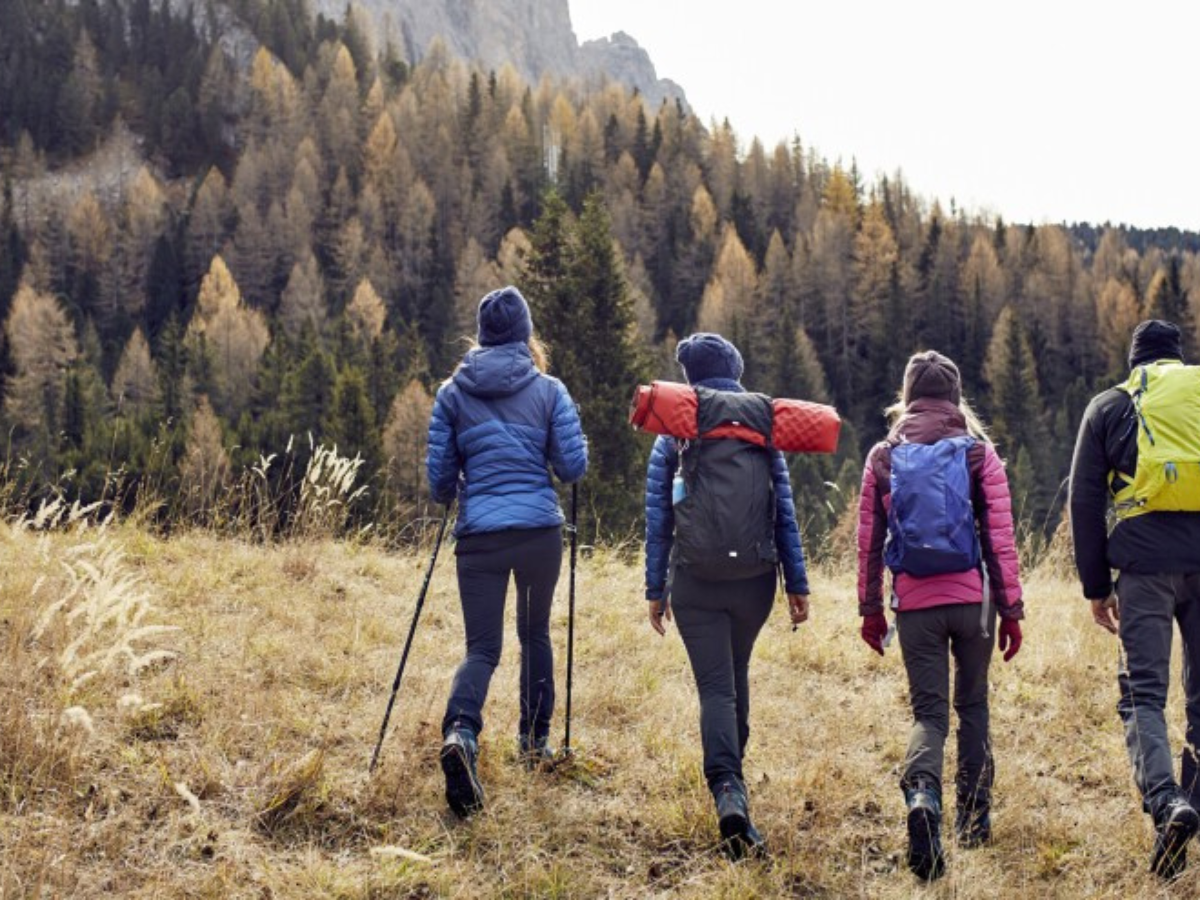
Despite the name, slow travel isn't simply about moving slowly. It's about reducing constant movement altogether.
Instead of covering five cities in one week, changing accommodation every two nights, and spending significant portions of a trip inside airports and transit systems, travellers are choosing extended stays, neighbourhood-based experiences, local routines, and the kind of cultural interaction that only becomes possible when you're not leaving tomorrow.
Someone spending a month in Kyoto, Fort Kochi, or Lisbon consistently experiences more of those places than someone rushing through ten destinations in ten days. Not just more sightseeing. More understanding. More texture. More of the ordinary daily life that makes a place what it actually is rather than what a highlights reel suggests.
That's why travelling slowly is increasingly being treated as a smarter and genuinely healthier alternative to bucket lists.
Why Bucket List Travel Is Losing Appeal
The bucket list model worked well for social media. It didn't always work well for human experience.
Fast travel tends to produce physical exhaustion, planning fatigue, superficial sightseeing, That exhaustion is also why some travellers are moving toward decision-free adventures with curated travel plans that reduce constant itinerary management. and a constant background pressure of time running out. Many travellers now recognise that they remember fewer details from rushed trips because the pace never allowed experiences to settle. Everything was happening too quickly for any of it to become a real memory rather than a blurred sequence of photographs.
This is where slow travel functions as a genuine alternative to bucket lists. Instead of chasing landmarks, viral cafés, and top-ten itineraries, travellers are focusing on atmosphere, conversations, neighbourhood rhythms, and the ordinary details of local life that never appear in travel guides but are often what stays with people longest.
Slowing down, counterintuitively, tends to make travel more memorable rather than less.
The Rise of Extended Stays
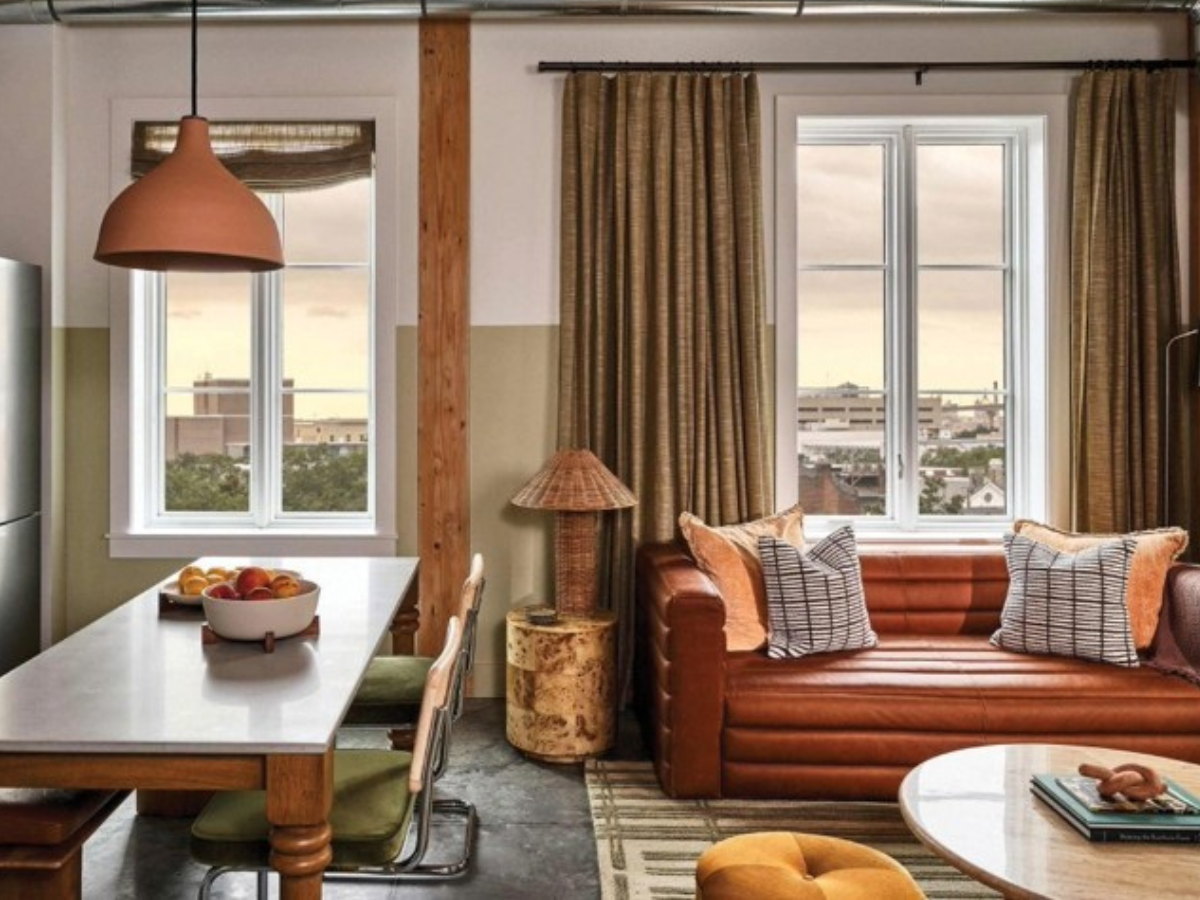
One of the most significant travel shifts visible is the growth of extended stays.
Hotels are adapting their offerings.Many travellers now specifically search for long-stay hotels and accommodation options that support slower, more immersive travel experiences. Apartment rental markets are expanding. Entire tourism economies are adjusting around people who stay longer rather than move constantly. Travellers are now booking two-week stays, month-long stays, seasonal rentals, and work-from-anywhere apartments in places they'd previously only ever passed through.More travellers are discovering the emotional and financial benefits of spending a month in one city through slow travel instead of constantly moving between destinations.
The reasons are practical as much as emotional. Longer stays reduce transport fatigue, repeated packing, airport costs, and the relentless pressure of a schedule that never has slack in it. Extended stays in places like Pondicherry, Tbilisi, or the smaller towns of Himachal Pradesh also create something more valuable than any itinerary can plan for: familiarity.
After a few weeks in one place, travellers stop behaving like tourists. Grocery stores become familiar. Café staff recognise faces. Walking routes stop requiring maps. A favourite table appears. The neighbourhood starts to feel less like a set and more like somewhere real.
That familiarity changes the emotional experience of travel entirely, and it simply cannot be manufactured on a five-day trip.
Why Digital Nomad Culture Changed Travel Behaviour
The growth of the digital nomad lifestyle accelerated this transition faster than almost anything else.
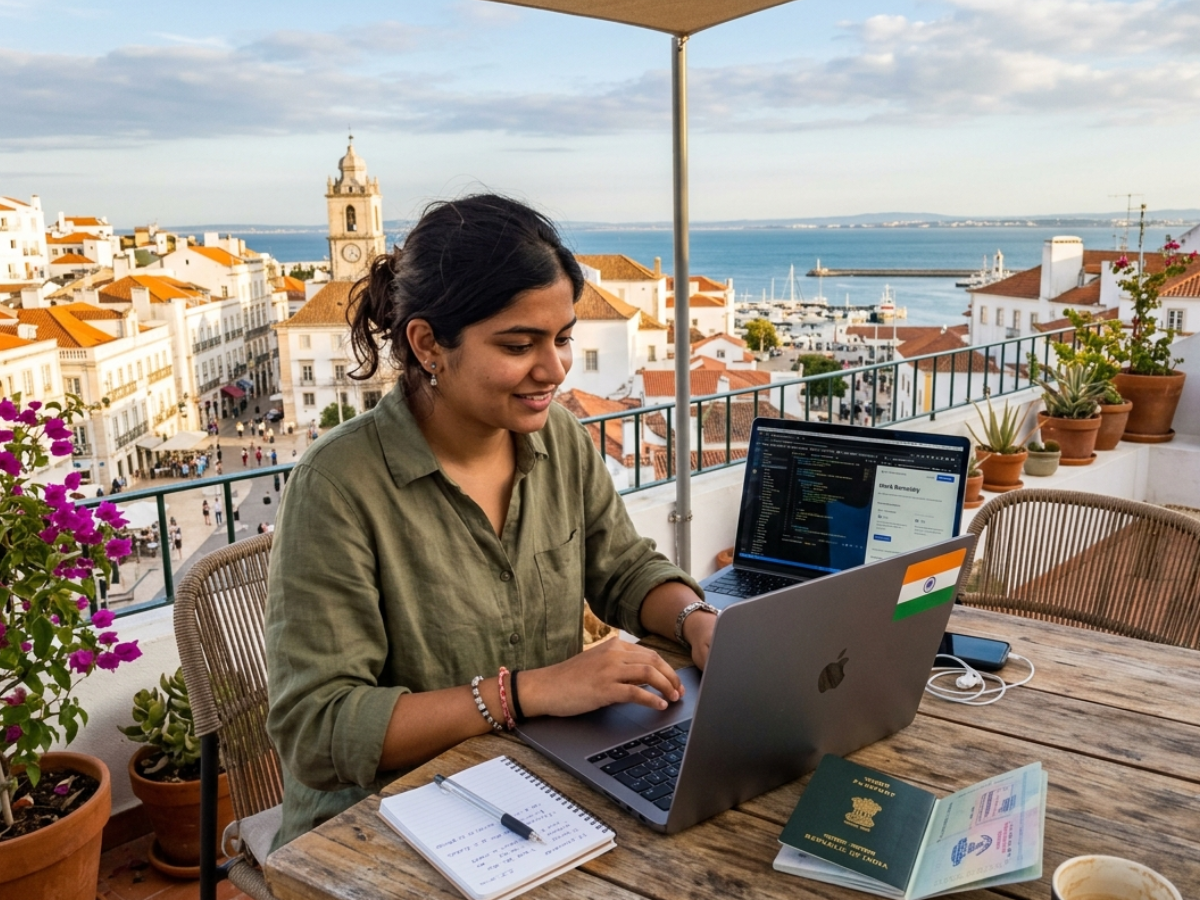
Remote work separated travel from the traditional concept of a holiday. Many professionals now spend months living in Bali, Chiang Mai, Goa, Medellín, Lisbon, or Tbilisi rather than taking short annual vacations. Places like Madeira, with its dedicated digital nomad visa, and Estonia, which has offered long-stay remote work permits since 2020, built infrastructure specifically around this shift.
In India, towns like Mcleod Ganj in Himachal Pradesh, Varkala in Kerala, and the quieter neighbourhoods of Goa have developed genuine long-term travel communities where digital nomads live and work alongside locals for months at a time.
This created a new form of lifestyle travel where destinations are experienced through daily living rather than sightseeing intensity. A digital nomad spending two months in one city interacts with it differently across every dimension. Local gyms instead of tourist attractions. Neighbourhood cafés instead of hotel breakfasts. Public transport instead of sightseeing buses. That creates stronger local immersion naturally, without any deliberate effort to manufacture it.
Why Immersion Travel Feels More Rewarding
The core reason immersion travel is growing is straightforward. People want to feel genuinely connected to places again rather than simply having been to them.
Fast tourism creates emotional distance. Travellers move so quickly that destinations become visual experiences rather than lived ones. Everything is observed from a slight remove, through a camera lens or a tour bus window, never quite entered.
During long-term travel, small details start mattering in a way that changes the entire relationship with a destination. Morning market sounds. Local commuting patterns. How the weather changes through the day. Regional food habits that only become clear after you've eaten the same neighbourhood dishes enough times to notice the variation. These details rarely appear in any travel guide, yet they're consistently what travellers remember most clearly years later.
Someone spending a month in a Himalayan village like Kalpa in Kinnaur or Munsiyari in Uttarakhand may remember the evening fog rolling into the local tea café, a conversation with a homestay owner about village history that ran two hours longer than expected, and a festival they stumbled into by accident, not the sightseeing spots they planned in advance.
That's the difference between tourism and deep exploration. One produces photographs. The other produces understanding.
Traveling Slowly Often Costs Less
Many travellers assume slow travel comes with a premium price tag. In practice, it often reduces costs considerably.
Extended stays consistently lower accommodation rates, transport expenses, and the kind of impulsive spending that happens when every day feels like it might be the last chance to buy, eat, or do something. Someone changing cities every two days pays repeatedly for flights, taxis, luggage transfers,Travellers planning longer stays can simplify regional movement through affordable domestic and international flight bookings while avoiding the stress of frequent transit changes. and last-minute bookings that carry a premium for urgency.
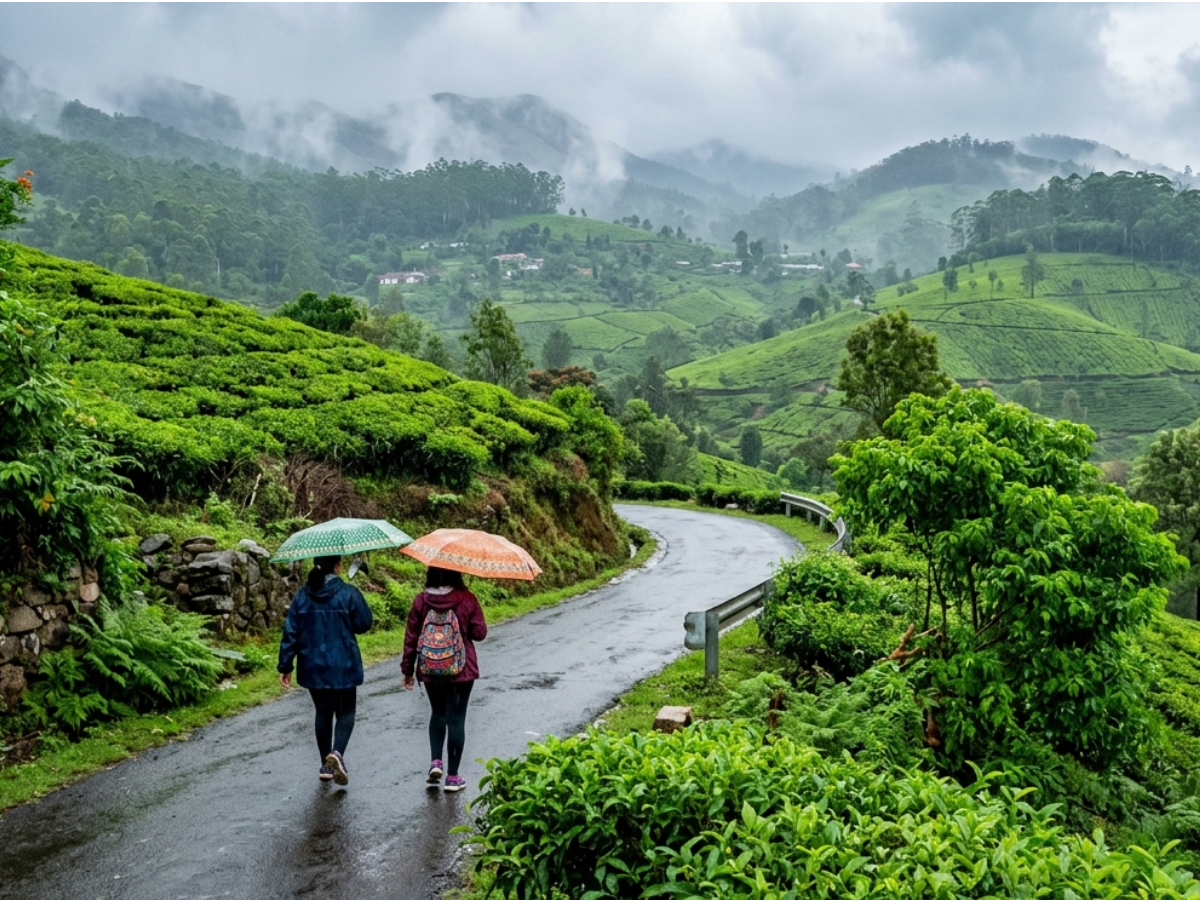
Travellers staying longer settle into more sustainable spending patterns. Cooking occasionally in a rented apartment, using local transport, finding the neighbourhood restaurant where the food is better and the prices are lower because it serves locals rather than tourists. Booking monthly rentals in places like Goa's Siolim village, Kasol in Himachal Pradesh, or Coonoor in the Nilgiris typically delivers significantly better value than fast tourism to the same regions.
This is one reason month-long stays are becoming increasingly common not just among remote workers but among older travellers and retirees who have the time and have done the rushed version enough times to know it's not what they want anymore.
How Slow Travel Supports Sustainable Travel
One of the strongest practical arguments for slow travel is environmental, and it's not a complicated one.
Frequent flights, high-volume tourism, and rapid movement between destinations create enormous pressure on the places being visited and on the atmosphere getting those visitors there. Slower pace travel typically means fewer flights, reduced local transport usage, lower tourism pressure on specific sites, and more economic benefit flowing to local businesses rather than international chains.
It also changes traveller behaviour in ways that naturally support sustainable travel. People staying longer become more aware of waste management practices, water shortages, local customs, and the environmental conditions of wherever they're living. That awareness produces more thoughtful behaviour without anyone needing to ask for it.
Staying three weeks in a single location in Kerala's backwaters, for example, creates a relationship with the place that a three-day houseboat cruise never does. The investment feels mutual rather than extractive.
Why Local Immersion Matters More Than Sightseeing
The internet already shows people what destinations look like. High-resolution, drone-shot, golden-hour versions of every landmark in the world are available to anyone with a screen.
What travellers increasingly want now is understanding. That's why local immersion is replacing sightseeing as the primary motivation for many trips.
Learning regional cooking in a home kitchen in Oaxaca or a spice-route town in Kerala. Interest in immersive local living has also increased demand for agrotourism packages and rural farm experiences in 2026 where travellers engage directly with regional communities and traditions.Joining a local walking tour in a neighbourhood that doesn't appear on any tourist map. Attending a festival that wasn't in the itinerary because the itinerary had enough flexibility to allow for it. Staying in homestays in places like Ziro Valley in Arunachal Pradesh or Khonoma in Nagaland where the cultural exchange is genuine rather than performed for guests.
These experiences rarely appear on traditional bucket lists yet consistently create stronger emotional memories than the landmark visits that do. This is where travelling slowly becomes more human than performative, more about presence than content.
Destinations Becoming Popular for Slow Travel in India
Certain destinations support slow travel better than others, and the ones gaining traction share consistent characteristics. Walkable. Culturally layered. Unhurried by default. Small enough that familiarity builds quickly.
Travellers are increasingly choosing places like, :
Hampi, Karnataka where the boulder-strewn landscape and archaeological spread reward weeks rather than days of exploration and where the pace of the town makes rushing feel genuinely out of place.
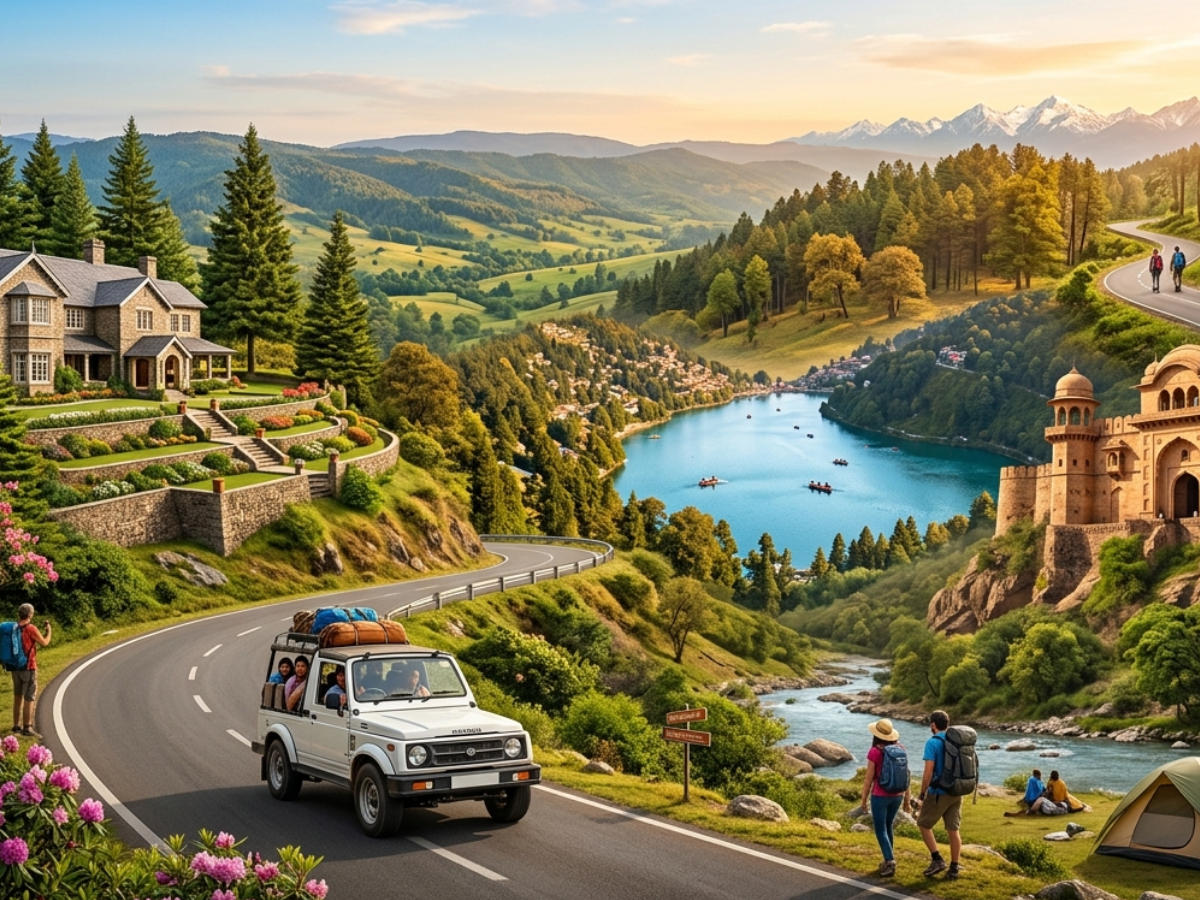
Uttarkashi and Chopta, Uttarakhand which attract long-term travellers and remote workers seeking mountain quietness without Rishikesh's increasingly busy tourist circuit.
Gokarna, Karnataka which has developed a genuine slow travel community among travellers who find Goa's more commercial beaches no longer offer the kind of lifestyle travel experience they came for.
Kasol and Tosh, Himachal Pradesh where extended stays among trekkers, remote workers, and long-term travellers, which have created a distinct local economy built around people who measure their visits in weeks rather than nights.
Pondicherry which offers French Quarter architecture, a walkable town grid, good café culture, and a pace that supports month-long stays more naturally than most Indian cities.
Internationally, Japanese countryside towns like Takayama and Kanazawa, the Alentejo region of Portugal, southern Italian towns like Matera and Ostuni, and the smaller islands of Greece are all seeing growth in longer-stay visitors who have consciously opted out of the leisurely itinerary model.
Infrastructure is adapting alongside this. Coworking cafés, monthly stay discounts, remote work communities, and long-stay visas are becoming standard rather than niche. The tourism industry is beginning to recognise that long-term travel is no longer a marginal preference.Alongside minimalist slow travel, many travellers are also embracing luxury travel experiences in India that feel better than travelling abroad through immersive palace stays, wellness retreats, and boutique escapes.
Why Slower Pace Travel Feels Healthier
Most travellers who've done both versions of travel can identify the difference in how they return from each.
Rushed holidays produce a particular kind of tired.This growing preference for slower journeys also connects closely with the rise of radical rest travel for burnout recovery, where rest itself becomes the purpose of the trip. Decision fatigue, disrupted sleep, the low-level stress of being somewhere new every forty-eight hours, and the strange flatness that follows a trip where everything was seen but nothing was felt. The photos are there. The memory of actually being present for any of it is harder to locate.
Slower pace travel allows routines to form. Rest days appear naturally rather than feeling like failures of productivity. Sleep improves. Mental decompression happens across days rather than being compressed into the last evening before a flight home. Many people now describe slow travel less as tourism and more as temporary living,This slower rhythm is also why many professionals now use travel as a way of restoring work-life balance and mental clarity rather than simply escaping routine for a few days. and that distinction captures something real about why it feels so different.
The Future of Travel Looks Less Rushed
The direction travel is heading in 2026 is becoming clearer. Less about quantity and more about relationships. Less about collecting destinations and more about immersion travel, extended stays, meaningful local interaction, and movement that leaves something in both directions.
People spent years trying to consume the world quickly. The places that stay most vividly in memory are almost always the ones where time slowed down enough for real life to appear. A market at six in the morning before the tourist version of the day begins. A conversation that happened because there was enough time for one. A neighbourhood that started to feel like it belonged to the person living in it temporarily rather than just passing through.
That's why slow travel is replacing bucket lists. Not because people stopped wanting adventure. Because enough of them have now experienced what it feels like when presence replaces pace. And once that comparison is made, the rushed version rarely wins.
FAQs About Slow Travel
What is slow travel?
Slow travel means spending more time in fewer destinations to engage more deeply with places, rather than moving quickly through a sightseeing checklist. It prioritises local immersion, routine, and genuine cultural understanding over the number of destinations visited. The measure of a successful trip shifts from how many places we covered to how well we actually experienced any single place.
Why are extended stays becoming more popular?
Extended stays reduce the logistical fatigue of constant movement, lower accommodation and transport costs over time, and allow travellers to build the kind of familiarity with a place that short visits simply can't produce. As remote work has made location more flexible for more people, the practical barriers to staying longer have also dropped significantly.
How does slow travel differ from traditional tourism?
Traditional tourism typically prioritises multiple destinations within a fixed window, optimising for the number of places visited and landmarks seen. Slow travel focuses instead on depth, local immersion, and the kind of everyday experience that only becomes available after the initial tourist layer of a place has been peeled back. One produces a highlights reel. The other produces a more lasting understanding.
Why is slow travel connected to digital nomad culture?
Remote work removed the constraint that previously tied travel to annual leave windows. Digital nomads can live in a destination for weeks or months while continuing to work, which changes how they engage with that place entirely. Lifestyle travel of this kind treats destinations as temporary homes rather than stages in an itinerary, producing a fundamentally different kind of local immersion.
Is slow travel cheaper than fast travel?
Often yes, though the comparison depends on destination and travel style. Extended stays typically reduce per-night accommodation costs, eliminate repeated transport fees, and encourage more sustainable spending patterns. Month-long stays in places like Goa, Pondicherry, or Himachal Pradesh regularly cost less in total than a fast trip to the same regions covering more ground in less time.
What are month-long stays in travel?
Month-long stays involve living in a single destination for several weeks rather than moving between multiple locations. Travellers typically rent apartments or book long-stay accommodation, establish local routines, and engage with the destination through daily life rather than structured sightseeing. The experience tends to be significantly different from anything a shorter visit produces.
How does slow travel support sustainable travel?
Fewer flights, reduced local transport pressure, more spending at local businesses, and a longer-term relationship with the environmental and social conditions of a destination all follow naturally from slower pace travel. Travellers staying longer also tend to develop more awareness of local customs, waste management, and the impact of tourism on the communities they're living within.
What is immersion travel?
Immersion travel is travel oriented around understanding local life rather than only visiting major attractions. It involves engaging with regional food, culture, language, and daily rhythms through direct participation rather than observation. Deep exploration of a single place through immersion travel consistently produces more lasting memory than broader coverage of multiple destinations.
Why are travellers moving away from bucket lists?
The bucket list model optimises for completion rather than experience, which many travellers have found produces trips that are impressive on paper but thin on actual memory and meaning. The shift toward slow travel reflects a broader preference for presence over pace, and for the kind of genuine connection with a place that only emerges when enough time is spent there.
Which destinations work best for slow travel?
Walkable towns, culturally layered cities, mountain regions with genuine local economies, and coastal villages with established long-stay communities tend to support slow travel most naturally. In India, destinations like Gokarna, Pondicherry, Kasol, Hampi, and the quieter towns of Uttarakhand have all developed strong slow travel appeal. Internationally, Japanese countryside towns, rural Portugal, and smaller Greek islands are among the destinations most frequently chosen by travellers specifically seeking extended, immersive experiences.






 May 20, 2026
 Share
Share
 Download as PDF
  From
From 
 Departure Date
 Travellers & class
 Rent For
 Departure Date


 Share
Share
{{cmnt.comment}}