Luxury travel in India is no longer a second choice to international holidays. From royal palace hotels in Rajasthan and Himalayan wellness retreats to boutique jungle lodges, luxury trains, and serene backwater stays, India now offers world-class experiences that feel more personal, culturally rich, and emotionally immersive than many trips abroad. Modern Indian luxury blends heritage, authenticity, and hospitality in ways that global destinations often cannot replicate. Whether it’s dining in centuries-old palaces, unwinding at Ayurvedic retreats in Kerala, or travelling aboard the Maharajas’ Express, India delivers luxury rooted in storytelling, warmth, and unforgettable experiences.
For a long time, luxury travel meant a boarding pass to Switzerland, Santorini, or the Maldives. Indian travellers looked outward for sophistication, exclusivity, and the kind of hospitality that felt genuinely polished. That instinct has shifted considerably over the past few years.
India has quietly become one of the most compelling luxury destinations in the world.More travellers are now actively choosing stunning Indian destinations over international holidays for experiences that feel richer, more personal, and culturally immersive. Palace hotels that functioned as actual royal residences. Boutique resorts perched above tea valleys in the Nilgiris. Wellness retreats in Kerala that practise traditions older than most European spa cultures. Train journeys across Rajasthan that rival anything the Orient Express has to offer. None of this is new, but the scale and quality of it is.
Domestic luxury tourism in India is no longer a compromise or a fallback. In many cases it delivers something richer, more personal, and more emotionally layered than an equivalent trip abroad. The difference comes down to what might be called emotional luxury. India offers experiences built from centuries of heritage, craftsmanship, warmth, and storytelling that feel genuinely human rather than manufactured for an international market.From royal Rajasthan to Kerala’s backwaters, many of the most wonderful places to visit in India now double as world-class luxury destinations.
Why Luxury Travel In India Is Having A Defining Moment
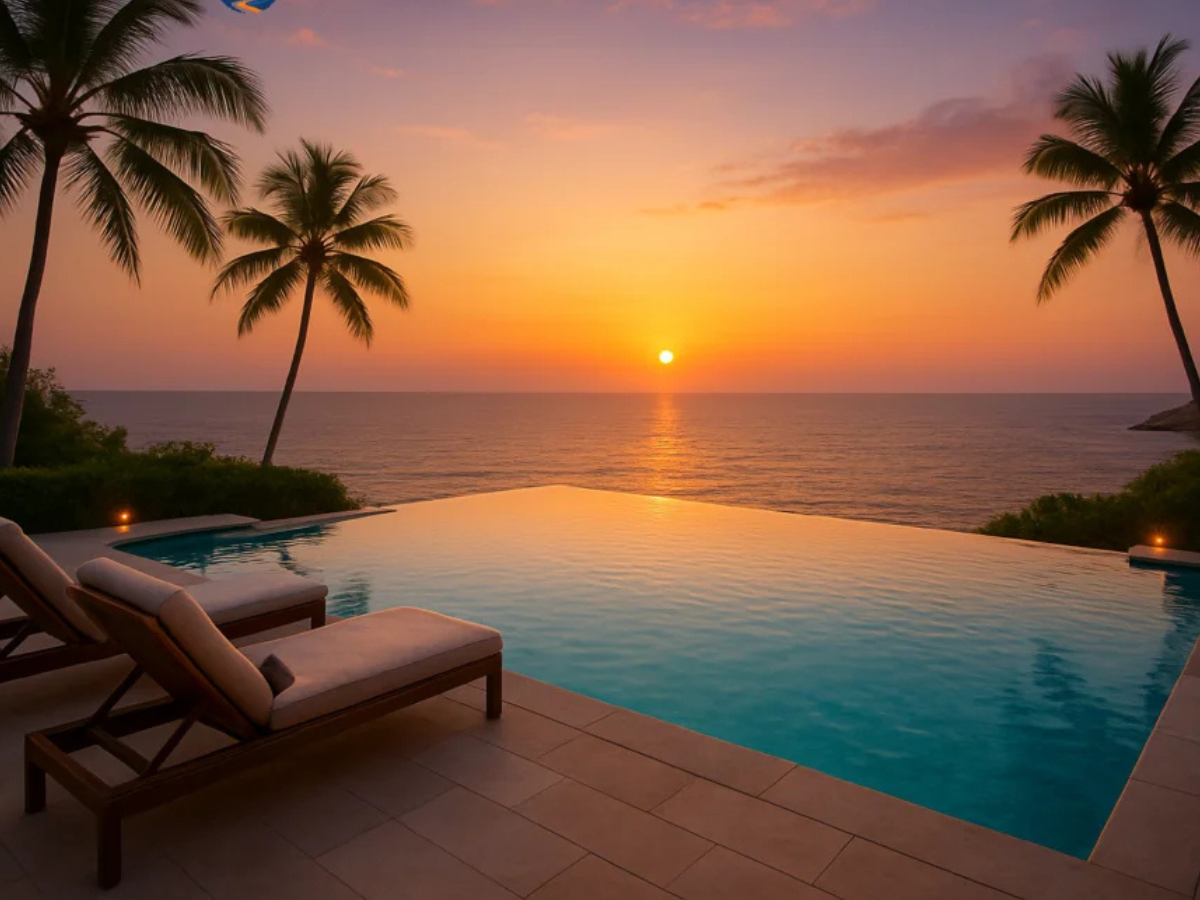
Luxury travel experiences in India have moved well past five-star lobbies and predictable amenities. That said, some of India’s most extraordinary five-star hotels continue redefining what modern luxury hospitality can look like. Travellers today want emotional connection, privacy, personalised service, and moments that stay in memory rather than just photographs. India is unusually well-positioned to deliver this because every region feels like a different country.
One week involves sipping kahwa beside snow-covered cedar forests on a luxury houseboat on Dal Lake in Srinagar. The next involves arriving at a candlelit courtyard in Udaipur's City Palace precinct while folk musicians perform beneath chandeliers that have been there for three centuries. The range is extraordinary and the depth of each experience is genuinely hard to find in a single international destination.
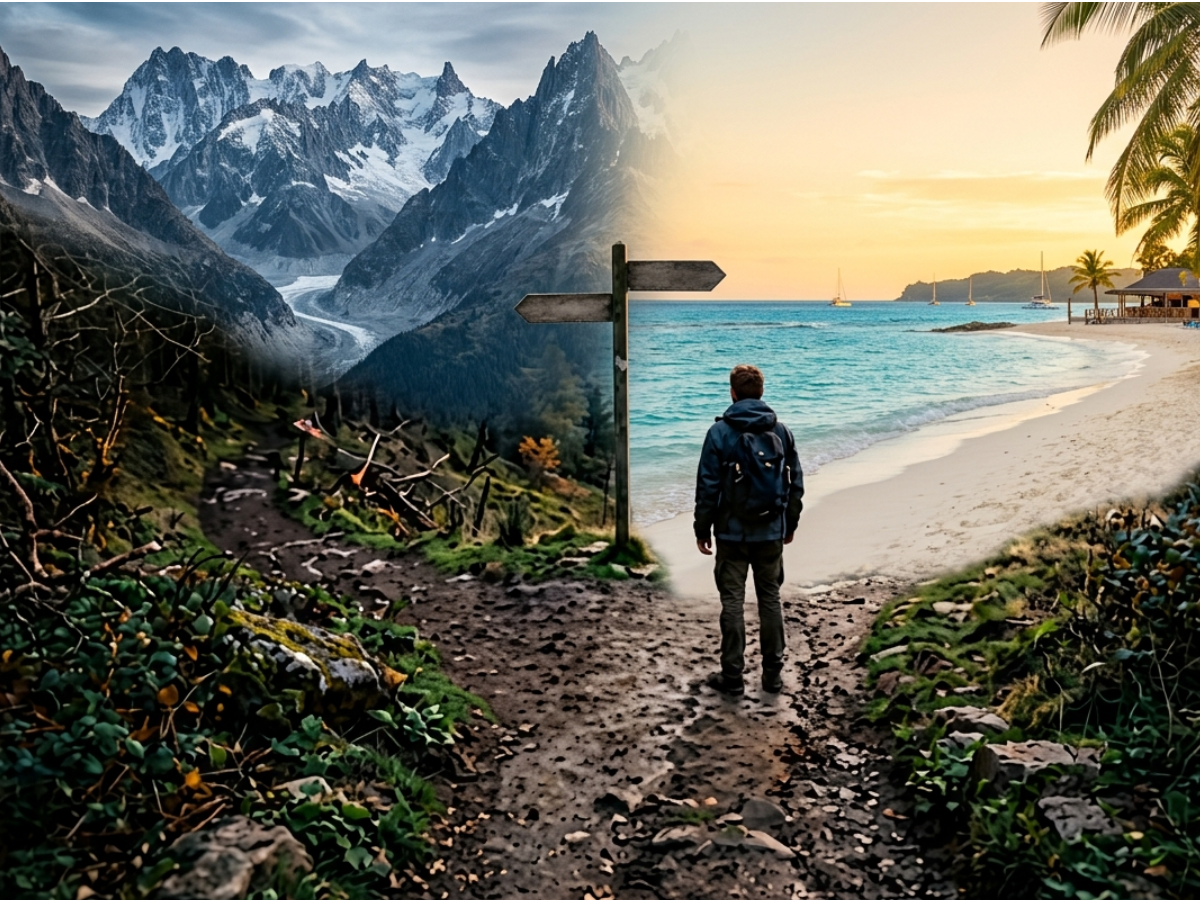
The rise of premium holidays India travellers are now booking is also tied to shifting economics. International travel has become more expensive. Fluctuating fuel prices, visa complications, and geopolitical uncertainty have made overseas trips less predictable than they once were. That shift has encouraged affluent travellers to look inward and rediscover India through a luxury lens.With easier access to premium domestic routes, travellers can now conveniently book domestic flight tickets across India for luxury escapes without the unpredictability of international travel. Destinations once considered "local holidays" are being experienced as sophisticated escapes worth putting on any bucket list.
What makes this moment particularly interesting is how India blends heritage with modern indulgence. European luxury tends toward polished minimalism. Indian luxury is alive. It arrives wrapped in candlelit forts, private temple rituals, vintage train cabins, handcrafted meals prepared from generational recipes, and conversations with artisans whose families have practised the same craft for centuries. That texture and soul creates memories that outlast anything a standard luxury resort can manufacture.
Palace Hotels That Rival European Castles
If someone arrived at one of Rajasthan's great palace hotels without knowing where they were, mistaking it for a royal estate in Italy or Austria would be understandable. Except here, the palace isn't a converted property with a heritage plaque. It's the real thing. Indian heritage hospitality offers something many international destinations genuinely cannot replicate: centuries of royal history still woven into daily luxury.
Cities like Udaipur, Jaipur, and Jodhpur have become defining examples of international style stays in India precisely because they combine regal architecture with world-class hospitality without sacrificing authenticity for either. Udaipur in particular draws significant domestic luxury travel, and for obvious reasons. Waking inside a marble property overlooking Lake Pichola while traditional musicians perform in the courtyard below is an experience with very few equivalents anywhere in the world.
Rajasthan's Royal Living Experiences
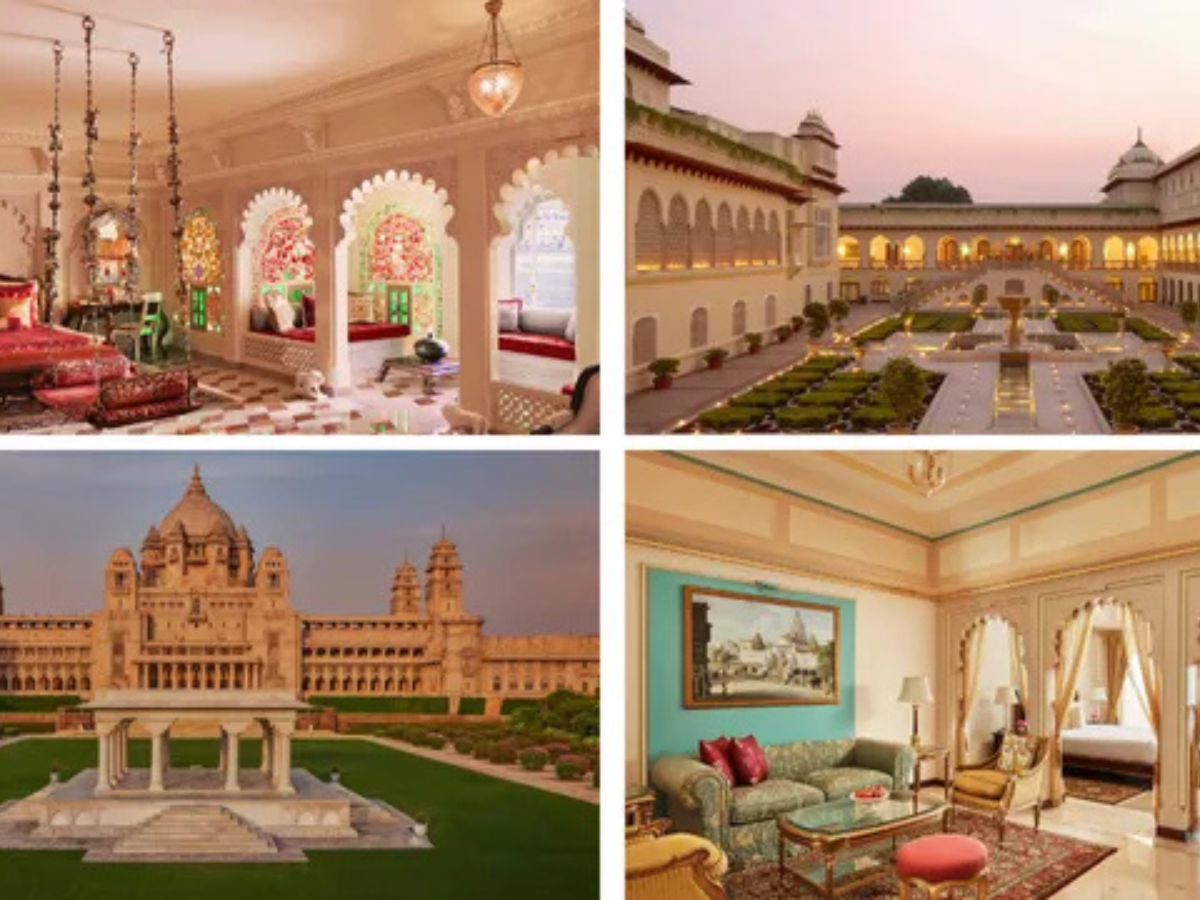
Properties like Taj Lake Palace in Udaipur, Umaid Bhawan Palace in Jodhpur, and Samode Palace near Jaipur function less like hotels and more like living museums where every corridor carries stories from another century. Guests dine beneath crystal chandeliers, sleep in suites with hand-painted frescoes, and watch sunsets over ancient fort walls that glow amber against desert skies.Travellers planning heritage stays and premium escapes can explore curated luxury hotel bookings across India suited to every style of indulgence.
What separates these stays from European luxury is the emotional scale of the hospitality. In many global luxury destinations, grandeur can feel distant and slightly intimidating. Rajasthan's palaces remain deeply welcoming despite their extravagance. Staff share local stories, family histories of the properties, and cultural context that makes guests feel genuinely connected to where they are. The holiday becomes participation rather than observation.
Lake Palaces and Heritage Suites
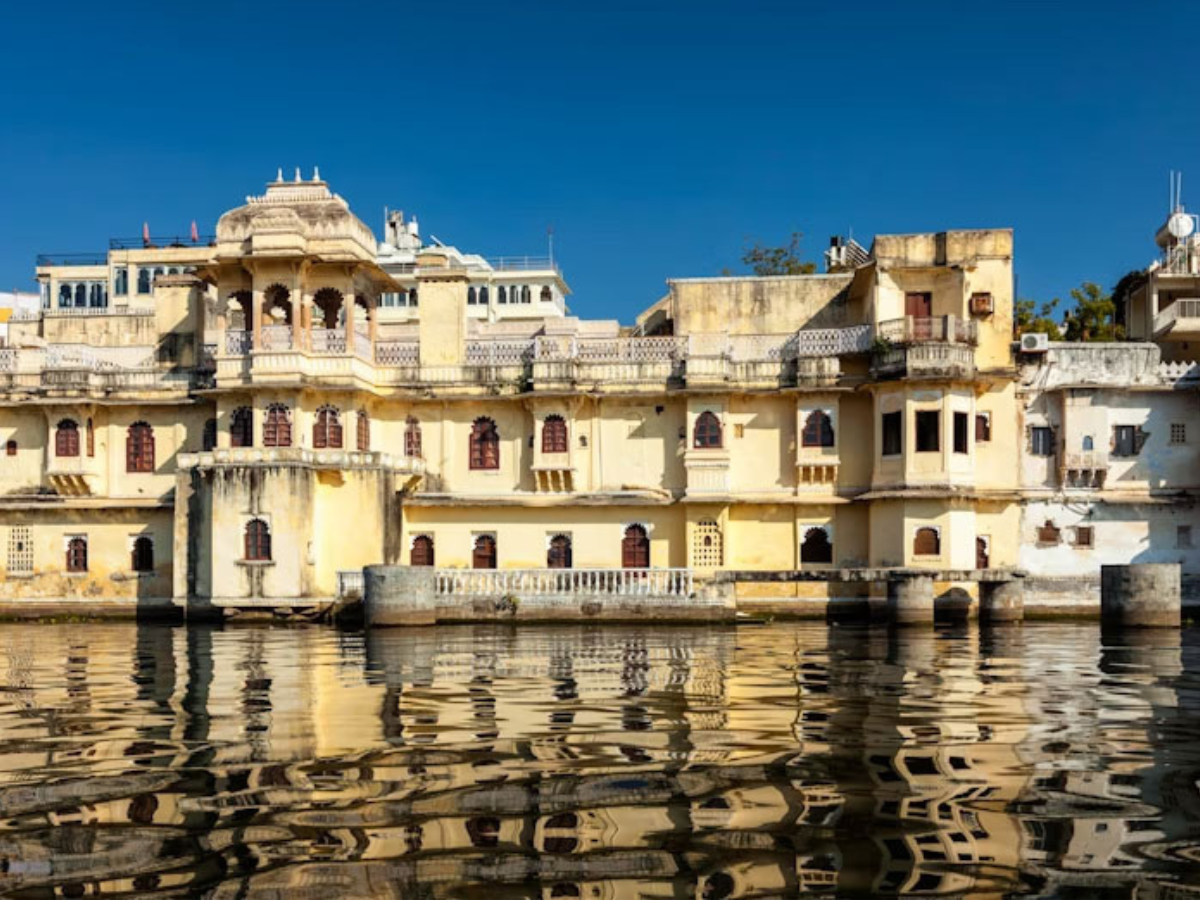
Lake-facing suites at properties like the Leela Palace Udaipur or Taj Lake Palace have become iconic among travellers chasing Europe-like experiences in India. The visual drama is difficult to overstate. Candlelit boats move across shimmering water while domes and arches reflect beneath twilight skies. The real luxury, though, is the stillness. There's no performance, no rush, just a slow unfolding of something genuinely beautiful.
Many heritage suites now combine royal architecture with private plunge pools, curated wellness treatments using regional ingredients, and bespoke dining experiences designed around the culinary traditions of the specific royal family associated with the property. That combination of old-world character and modern indulgence creates something many international chains spend significant money trying to achieve and rarely manage.
Europe-Like Experiences In India Without The Visa Hassle
One of the more surprising realisations for modern travellers is how many destinations within India evoke the charm of European landscapes while delivering far richer cultural immersion. Kashmir during winter resembles alpine Switzerland in ways that feel almost uncanny. The rolling hills of the Nilgiris echo the quiet elegance of the English countryside. The crucial difference is that these places carry unmistakably Indian rhythms, flavours, and traditions beneath the surface.
Kashmir's Alpine Luxury
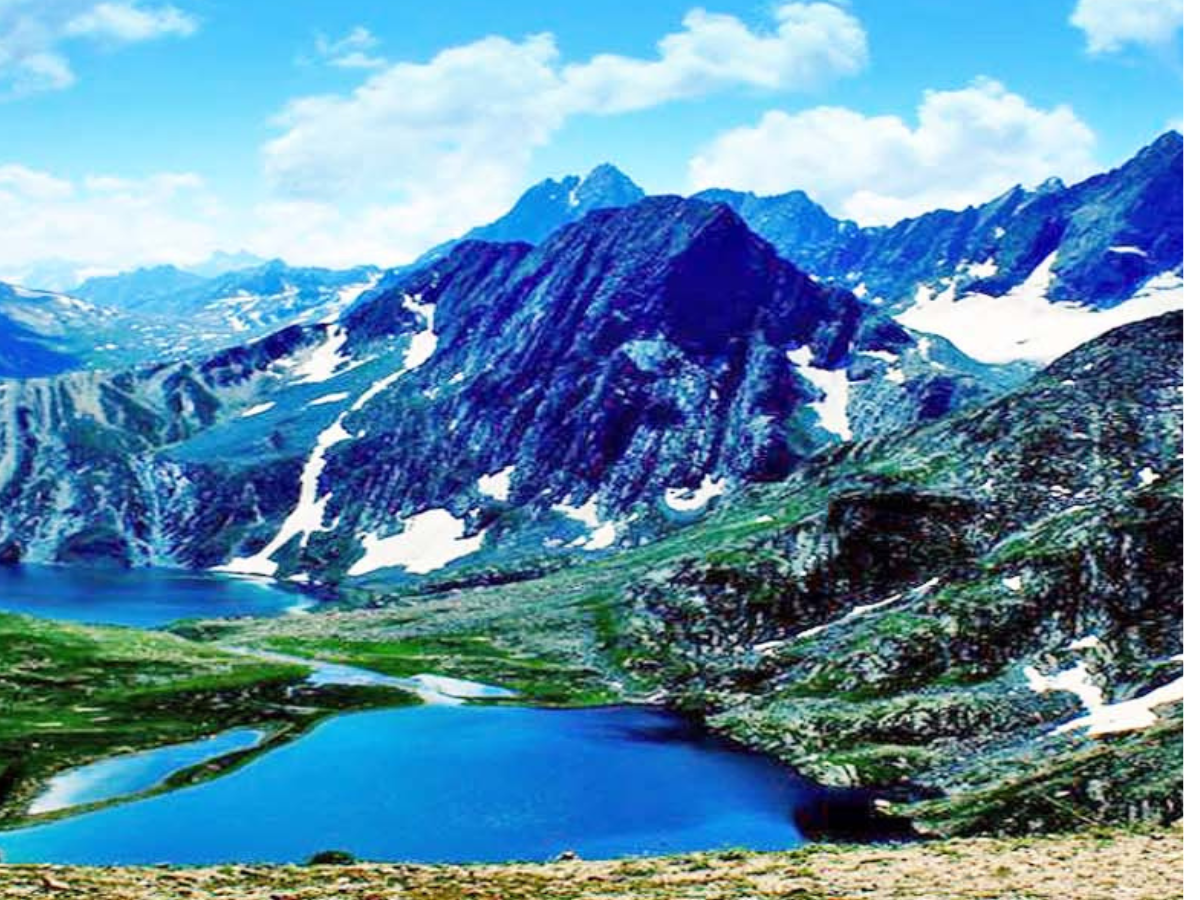
Luxury travel in Kashmir means entering a landscape painted in snow, cedar forests, and mirrored lakes. High-end houseboats on Dal Lake, properties like Sukoon and Lifescape Vivanta Dal View, now offer experiences comparable to alpine chalets in Switzerland or Austria. Guests enjoy handcrafted walnut wood interiors, gourmet Kashmiri wazwan cuisine, private shikara rides at dawn, and mountain views that sit comfortably alongside anything the Alps offers.
What Kashmir delivers beyond the scenery is emotional texture. Saffron-infused kahwa served beside carved wooden windows. Morning mist curling across the lake before the town has woken up. Conversations with local hosts about Kashmiri poetry and craft traditions that have survived centuries. Unlike heavily commercialised European ski resorts, Kashmir retains a raw beauty and emotional depth that feels increasingly rare in luxury travel.
Colonial Charm In The Nilgiris
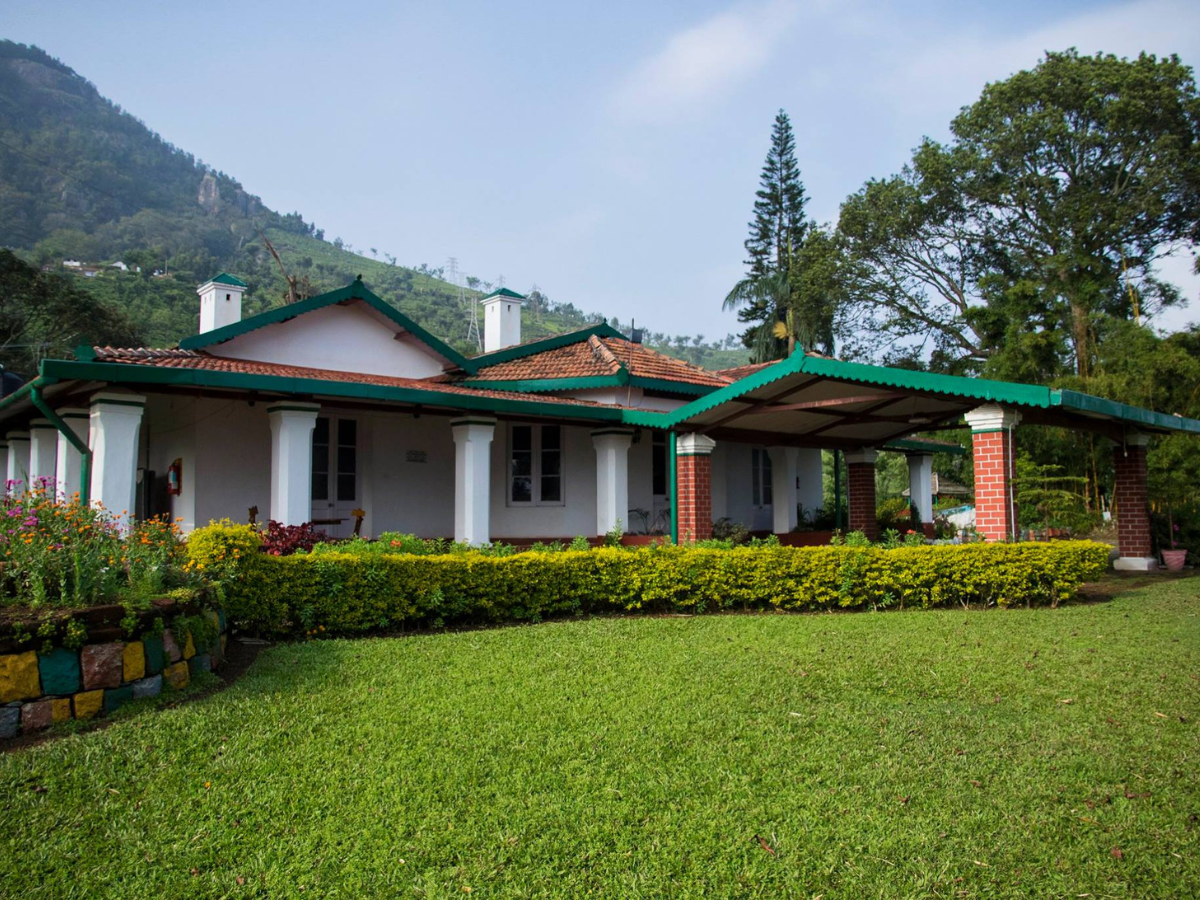
The Nilgiris offer a different side of luxury travel experiences India increasingly showcases. Hill destinations like Ooty and Coonoor also rank among the best options for a cool summer holiday in India thanks to their pleasant climate and slow luxury atmosphere. Boutique colonial bungalows tucked among tea estates in Ooty, Coonoor, and Kotagiri provide an atmosphere that closely resembles countryside estates in Scotland or the English Lake District. Rain moves softly against vintage windows. Fireplaces crackle beside leather armchairs. The smell of fresh tea leaves drifts through corridors that have been there since the British planted the first estate.
Properties like Vivanta Madikeri in Coorg and the colonial-era bungalows of Coonoor operate at a pace that feels deliberately unhurried. Guests read, explore tea gardens, take slow walks through mist, and eat intimate dinners prepared with ingredients grown within a few kilometres of where they're sitting. This style of luxury appeals directly to travellers exhausted by overcrowded international destinations.Many affluent travellers are now intentionally seeking less commercialised destinations for their next holiday experience where privacy and authenticity still exist. It offers calm, character, and genuine rest instead of another checklist.
Luxury Train Journeys India Is Proud Of
Train travel stopped feeling luxurious in most parts of the world some time ago. Airports dominate modern travel culture with queues, rushed connections, and sterile lounges designed for throughput rather than experience. India's luxury trains completely reverse that logic. They turn the journey itself into the destination.
Maharajas' Express
The Maharajas' Express is frequently compared to the Venice Simplon Orient Express and earns that comparison while offering something more immersive. India's landscapes shift so dramatically across the route that passengers wake to genuinely different worlds each morning. Desert forts one day, jungle reserves the next, ancient temples by the evening after that. The train itself sits somewhere between a moving palace and a private club, with lavish cabins, fine dining restaurants, personalised butler service, and curated off-train experiences at each stop.
Luxury train journeys India offers create a slower rhythm that many affluent travellers are actively seeking. Instead of rushing between destinations, guests absorb changing scenery and enjoy uninterrupted comfort. Conversations become more interesting. Meals become events rather than logistics. Watching villages and landscapes drift past the window becomes genuinely meditative in a way that airport lounges will never manage.
Palace On Wheels
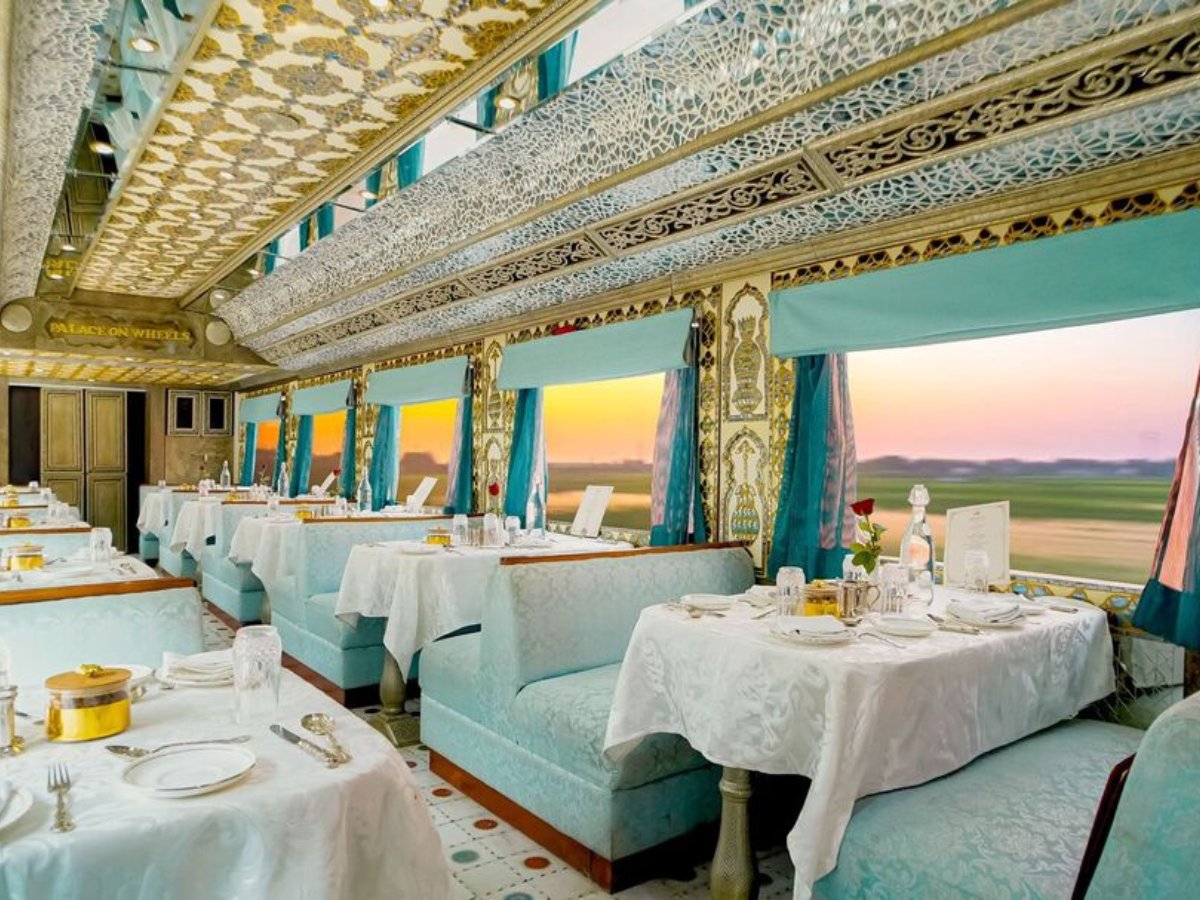
The Palace on Wheels continues to draw travellers seeking nostalgic glamour blended with cultural immersion across Rajasthan. Designed around the atmosphere of princely travel from another era, the train moves through Jaipur, Jaisalmer, Jodhpur, Ranthambore, and Agra with rich fabrics, traditional décor, and carefully designed excursions at each destination. Passengers unpack once and experience multiple iconic destinations without airport chaos. That combination of logistical ease and emotional richness is what genuine luxury is actually supposed to feel like.
Boutique Resorts India Is Quietly Becoming Famous For
The growth of boutique resorts India travellers are choosing signals a real shift in luxury preferences. Guests increasingly want intimacy over scale. A hidden property with personality and genuine connection to its surroundings appeals more than a giant resort designed to serve thousands of guests simultaneously. India's boutique hospitality scene excels because it draws directly from local landscapes, materials, and traditions rather than importing an international template.
Hidden Jungle Retreats
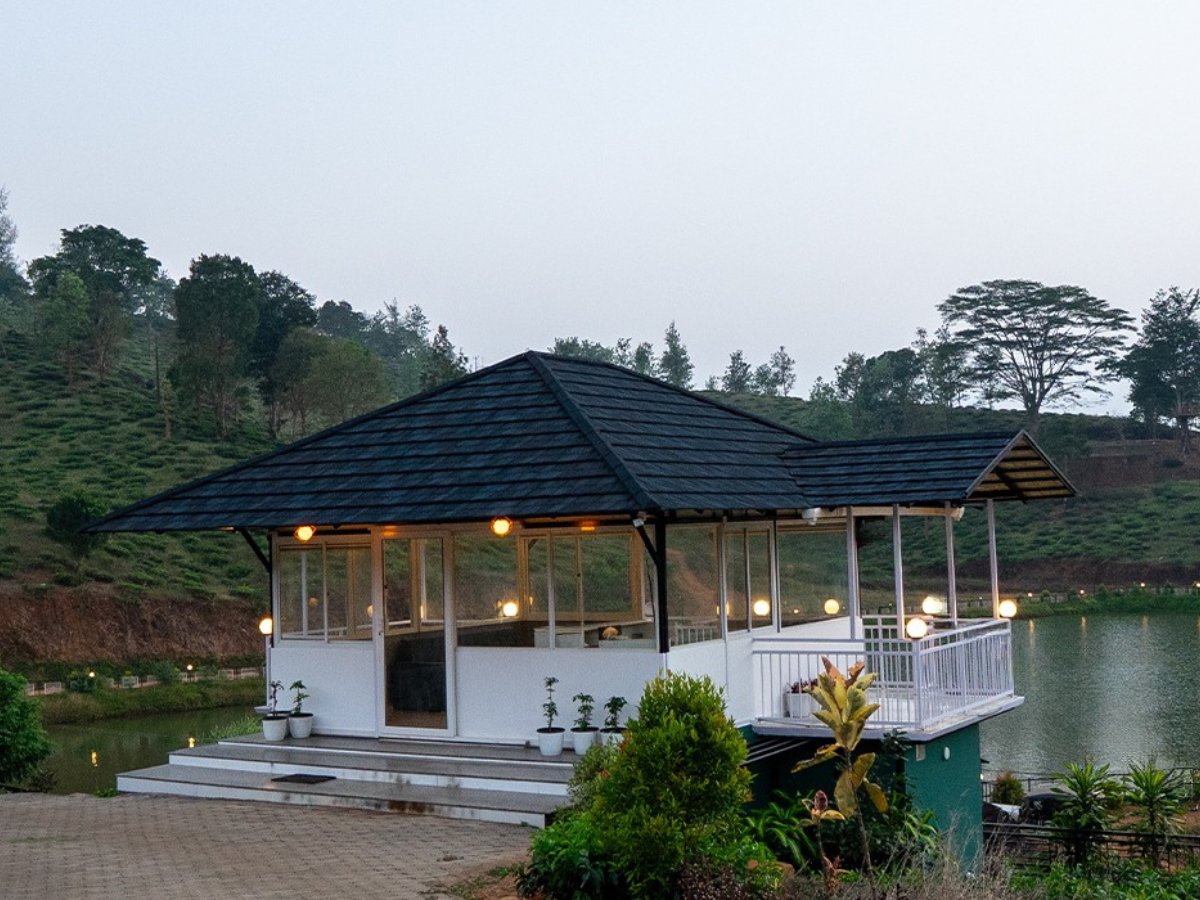
Luxury jungle retreats in places like Ranthambore in Rajasthan, Kabini in Karnataka, Pench in Madhya Pradesh, and Corbett in Uttarakhand offer experiences that rival East African safari lodges while remaining rooted in Indian ecosystems. Properties like Sher Bagh in Ranthambore and Bison in Kabini prioritise atmosphere over excess. Outdoor bathtubs overlooking forest canopy. Lantern-lit dinners beneath trees with sounds of the jungle rather than background music. Expert naturalist-led walks that reconnect guests with wildlife and landscape in ways that manufactured resort activities never do.
There's a growing awareness among affluent travellers that real luxury now means silence, privacy, and meaningful experience rather than relentless extravagance. These jungle retreats understand that distinction.
Cliffside Luxury Along The Coast
India's coastline has produced some remarkable boutique luxury stays that hold their own against premium Mediterranean properties. Cliffside villas in Assagao and Morjim in North Goa, private estates along Kerala's Varkala cliffs, and boutique properties in Gokarna offer private infinity pools, ocean-facing suites, and wellness experiences that feel genuinely curated rather than generic. The difference from international beach destinations is that these stays feel culturally textured. Local seafood traditions, handcrafted architecture, regional art, and the specific character of each coastline create experiences anchored firmly in place.
Wellness Retreats India Offers Better Than Global Spa Destinations
The global wellness travel industry has expanded rapidly, but India holds a significant advantage that no amount of international investment can replicate: authenticity. Yoga, Ayurveda, meditation, and holistic healing traditions didn't arrive here as trends. They originated here. That foundation gives wellness retreats India offers a credibility and spiritual depth that destination spas in Bali, Thailand, or the Swiss Alps genuinely struggle to match.
Ayurveda Retreats In Kerala
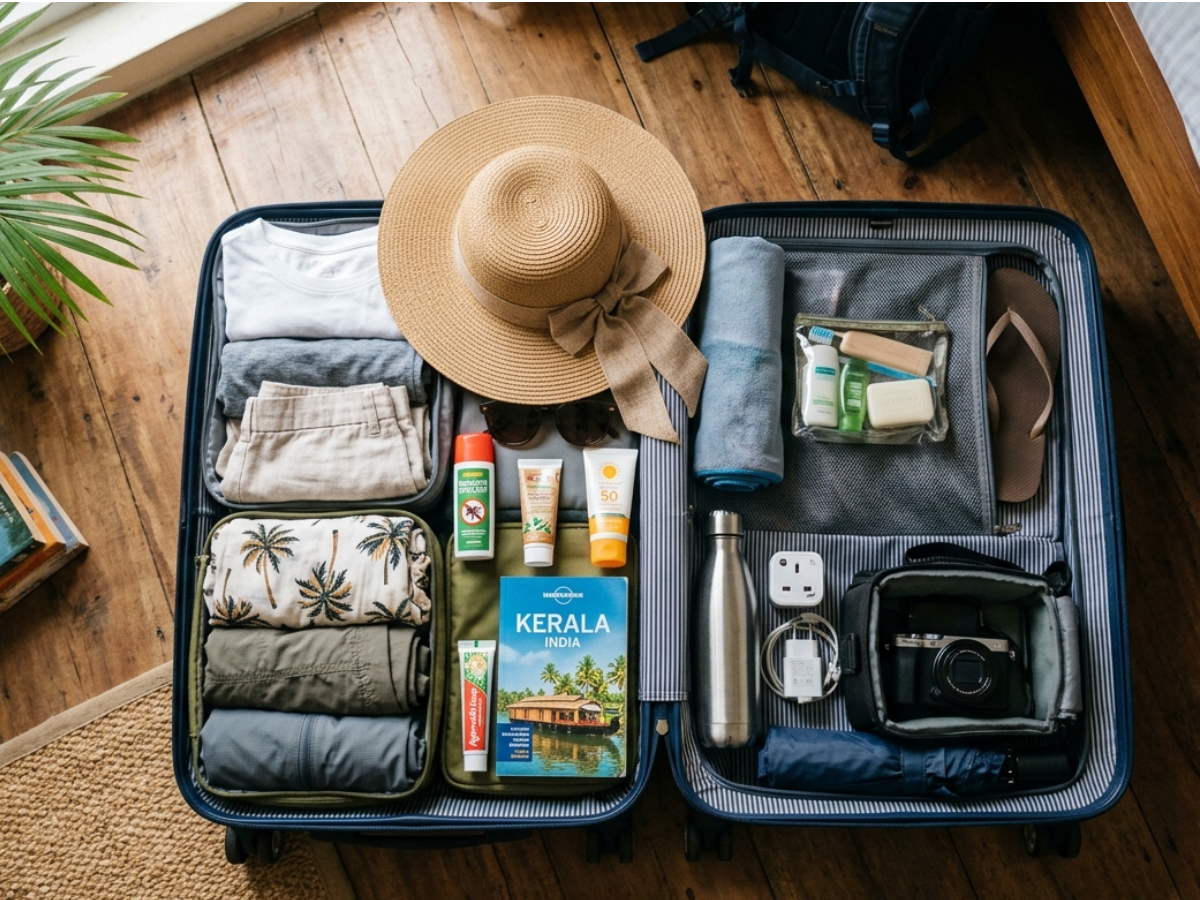
Kerala remains one of the world's most respected destinations for Ayurvedic wellness, and the best retreats here are a long way from superficial spa experiences. Properties like Somatheeram Ayurvedic Health Resort near Thiruvananthapuram, Kalari Kovilakom in Palakkad, and CGH Earth's Coconut Lagoon in Kumarakom combine traditional healing practices with serene backwater settings, coconut groves, and the particular quality of Kerala's monsoon-washed air.
Guests undergo personalised therapies designed around ancient Ayurvedic diagnostic principles rather than spa menu selections. Digital detox programmes, mindful eating guided by traditional nutrition principles, daily yoga, and customised treatment plans encourage genuine lifestyle reset rather than temporary relaxation. Most visitors leave feeling mentally lighter in a way that can't be attributed to a single treatment.
Himalayan Wellness Sanctuaries
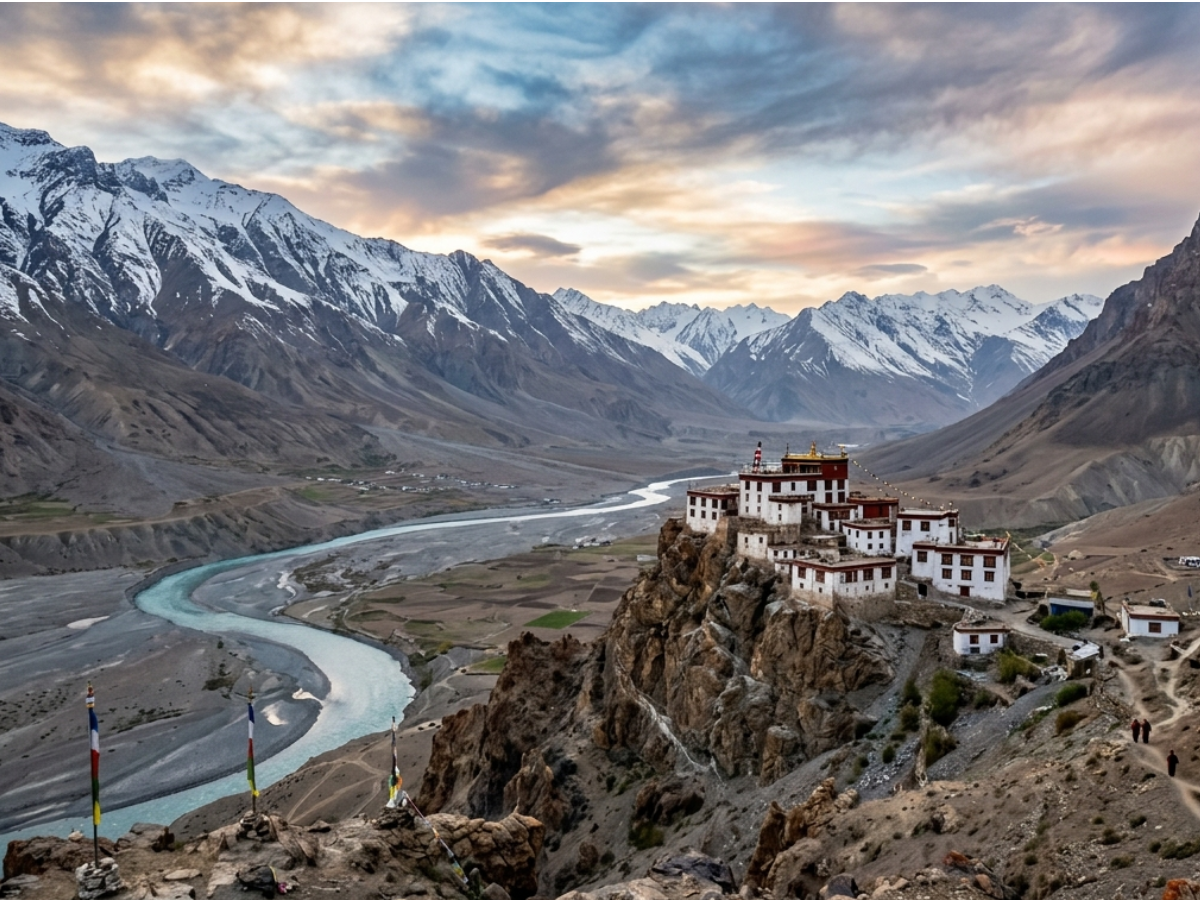
The Himalayas offer a different kind of wellness experience centred on stillness and introspection. Luxury retreats in Rishikesh, Mussoorie, and the quieter valleys of Himachal Pradesh combine mountain landscapes with meditation, sound healing, and holistic therapies delivered by practitioners whose knowledge comes from genuine tradition rather than a certification course.
Properties like Ananda in the Himalayas in Uttarakhand are considered among the finest wellness retreats in Asia, not just India, for exactly this reason. The altitude sharpens silence. The environment makes the retreating feel honest rather than performative. Spirituality in these settings is naturally integrated into daily rhythm rather than packaged as a tourist activity. That authenticity creates the emotional resonance that makes these experiences genuinely transformative.
Unique Luxury Stays India Travellers Are Obsessed With
One reason unique luxury stays India travellers seek are gaining international attention is the country's extraordinary diversity of experience. Sleeping inside a restored 14th-century fort in Rajasthan, floating through Kerala's tropical backwaters on a private houseboat, camping beneath desert stars in the Rann of Kutch, or staying in eco-luxury treehouses in Wayanad, all of this exists within the same country. That range has no real international parallel.
Floating Villas And Houseboats
Luxury houseboats in Kerala's Alleppey backwaters and Kashmir's Dal Lake have evolved dramatically from basic accommodation into genuinely sophisticated stays. Today's premium houseboats offer private chefs preparing regional specialities, spa services, curated excursions, and interiors that blend traditional craftsmanship with contemporary comfort. Drifting slowly through the serene backwaters of Kerala, while local life unfolds along the banks, egrets standing in the shallows, rice farmers working the fields, children swimming between lily pads, often creates a hypnotic sense of escape that is difficult to replicate.
Luxury Glamping In The Desert
Luxury desert camps, particularly those around Rajasthan and Gujarat, are the ones you should look out for. The ones in Jaisalmer, the Rann of Kutch in Gujarat, and the Thar Desert have redefined what glamping means in India. Treasured properties like Sujan Jawai and Serai in Jaisalmer, combine adventure, with sophistication through beautiful tents, gourmet dining, cultural performances, camel safaris, and night skies, which are untouched by city light pollution. There is something deeply affecting about desert luxury. The silence feels almost physical. Evenings unfold around bonfires while folk music moves through dunes that have been there since long before any hotel existed beside them.
Culinary Luxury Beyond Fine Dining
Luxury travel today is inseparable from food. Travellers want meals that carry stories rather than simply demonstrate technical skill. India's culinary landscape delivers this because every region carries generations of tradition and flavour memory that no standardised restaurant concept can manufacture.
Farm To Table Experiences
Boutique resorts across India increasingly embrace farm-to-table dining where ingredients are sourced locally and prepared according to regional tradition. At properties like Windamere Hotel in Darjeeling and the plantation stays of Coorg, guests visit spice gardens, organic farms, and tea estates before sitting down to meals crafted entirely around seasonal local produce. Food becomes cultural storytelling. The flavours are alive because they reflect the specific climate, history, and community of the place.
Royal Dining Traditions
Royal dining experiences inside heritage hotels remain among India's most memorable luxury offerings. Multi-course meals inspired by the royal kitchens of specific Rajput dynasties, served in candlelit courtyards at properties like Samode Haveli in Jaipur or Deogarh Mahal in Rajsamand, come accompanied by traditional music and the kind of storytelling that puts historical context around every dish. Guests are not simply eating. They are engaging with living heritage through food.
Why India's Luxury Experiences Feel More Authentic Than Abroad
The greatest strength of luxury travel experiences India offers lies in authenticity. Many international luxury destinations have become increasingly homogenised. Hotels in different countries often look nearly identical, with interchangeable aesthetics, standardised menus, and experiences that could exist anywhere. India resists that sameness because regional identity remains genuinely strong.
A luxury holiday in India feels deeply rooted in place. Architecture reflects local history and materials. Food carries regional memory and seasonal character. Hospitality feels personal rather than transactional. Landscapes shift dramatically every few hundred kilometres. That diversity keeps experiences emotionally fresh and culturally immersive in a way that manufactured luxury simply cannot achieve.
Luxury ultimately isn't about thread counts or gold-plated fixtures. It's about how a place makes someone feel. India engages travellers emotionally through warmth, texture, and storytelling woven into every detail. It doesn't imitate international luxury anymore. It has developed its own distinct and increasingly confident version of it.
Conclusion
India's luxury travel landscape has entered a period where palace hotels, wellness retreats, boutique resorts, and immersive cultural experiences now rival and in many cases surpass international holidays in emotional richness and authenticity. From floating villas on Kerala's backwaters to royal train journeys across Rajasthan, from Himalayan wellness sanctuaries to cliffside villas along the Goa coast, every destination carries a sense of place that feels vivid and lasting.
For travellers seeking comfort wrapped in culture, storytelling, and genuine warmth, India is no longer an alternative to travelling abroad. For many, it has become the better choice. EaseMyTrip Holidays makes it straightforward to plan these premium holidays across India, from palace stays in Udaipur to luxury train journeys through Rajasthan, without the complexity that international travel increasingly demands.
FAQs About Luxury Travel In India
What are the best luxury travel experiences in India?
Palace stays in Udaipur, Jaipur, and Jodhpur, luxury train journeys on the Maharajas' Express and Palace on Wheels, Ayurvedic wellness retreats in Kerala, boutique jungle lodges in Ranthambore and Kabini, and luxury houseboats on Dal Lake and Kerala's backwaters are among the strongest options. Each offers something genuinely different and emotionally immersive in a way that many international destinations struggle to match.
Which destinations in India feel like Europe?
Kashmir's alpine landscape, particularly around Dal Lake and Gulmarg, closely resembles Switzerland during winter. The Nilgiris around Ooty and Coonoor echo the English countryside in a way that consistently surprises visitors. Udaipur's lake palaces and Rajasthan's colonial-era heritage towns also deliver strong Europe-like experiences in India while carrying unmistakably Indian depth beneath the surface.
Are luxury train journeys in India worth it?
Yes, without qualification. Luxury train journeys India offers, particularly the Maharajas' Express and Palace on Wheels, are considered among the finest rail travel experiences in the world. The combination of heritage, fine dining, personalised hospitality, and curated cultural stops at each destination creates a travel experience that modern aviation simply cannot replicate.
Why are boutique resorts in India becoming popular?
Boutique resorts India travellers are choosing reflect a broader shift toward intimacy, personality, and cultural connection over scale. Properties like Sher Bagh in Ranthambore, Serai in Jaisalmer, and the plantation bungalows of Coorg offer experiences rooted in local landscape and tradition rather than imported luxury templates. That authenticity is increasingly what affluent travellers are actively seeking.
What makes wellness retreats in India unique?
Wellness retreats India is known for carry genuine traditional authority that trend-based spa destinations elsewhere cannot replicate. Ayurveda, yoga, and meditation originated here and are practised at the best Indian retreats by people whose knowledge comes from deep tradition rather than recent training. Properties like Ananda in the Himalayas and Kalari Kovilakom in Kerala are internationally recognised as among the finest wellness experiences available anywhere in the world.
What are the best unique luxury stays in India?
Luxury desert camps in Jaisalmer, private houseboat stays on Kerala's Alleppey backwaters, eco-luxury treehouses in Wayanad, restored fort stays in Rajasthan, and cliffside villas along Goa's northern coast all qualify as unique luxury stays India offers that have very few equivalents internationally. The diversity of experience within a single country is genuinely exceptional.
How does Indian luxury hospitality differ from international luxury?
The core difference is emotional depth. International luxury has become increasingly standardised, with similar aesthetics, menus, and experiences across different countries and brands. Indian luxury remains deeply rooted in regional identity, local heritage, and personal warmth. Architecture reflects local history. Food carries regional tradition. Hospitality feels human rather than transactional. That combination creates experiences that stay in memory considerably longer than technically perfect but emotionally neutral international alternatives.






 May 19, 2026
 Share
Share
 Download as PDF
  From
From 
 Departure Date
 Travellers & class
 Rent For
 Departure Date


 Share
Share
{{cmnt.comment}}