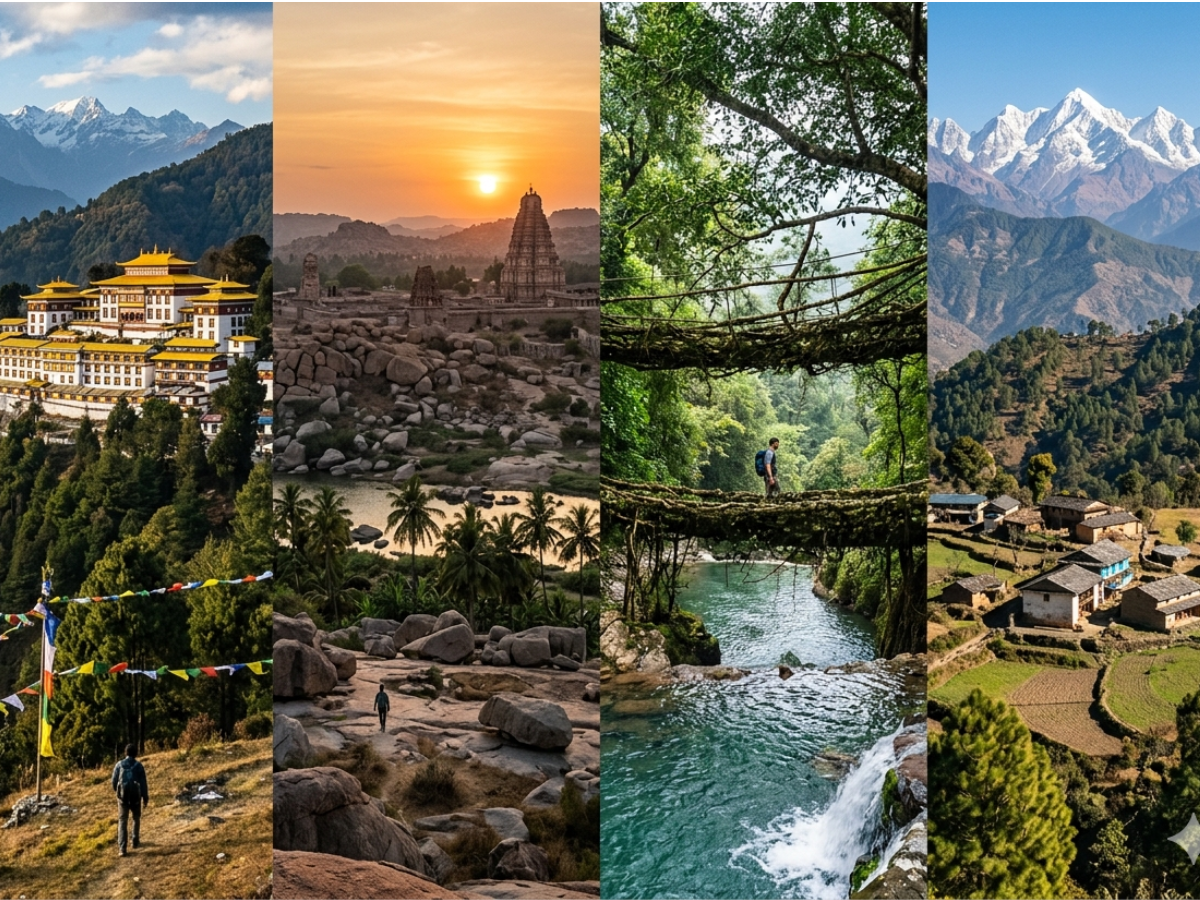
It is one of those travel conversations that never quite resolves. Someone mentions a holiday, and the room splits, half reaching for images of mist-covered peaks and pine forests, the other half already thinking about salt water and the horizon. The mountains vs beaches vacation debate is not really about which is objectively better. For travellers still deciding where to go next, these 10 places in India you must visit offer a mix of mountain, beach, and cultural experiences. It is about what kind of rest, what kind of stimulation, and what kind of landscape a particular person needs at a particular time. This is not a definitive answer. It is a framework for thinking through the choice honestly, with real destinations, real trade-offs, and a clear-eyed look at what each side actually delivers.
Why the Choice Matters More Than It Seems
Most people pick a destination based on the first image that comes to mind rather than a considered assessment of what they actually want from a trip. That gap between expectation and experience is where travel disappointment lives.
Mountain travel vs beach travel involves genuinely different physical experiences, different logistical demands, and different emotional registers. A week in the mountains and a week at a beach resort are not interchangeable forms of rest. Knowing which one fits the moment, the season, the budget, and the travel companions' energy level changes the trip considerably. Sometimes the answer depends less on geography and more on the kind of experience you're seeking, much like these summer holiday destinations chosen for experiences, not location.
The Case for Mountains
What Mountains Actually Offer
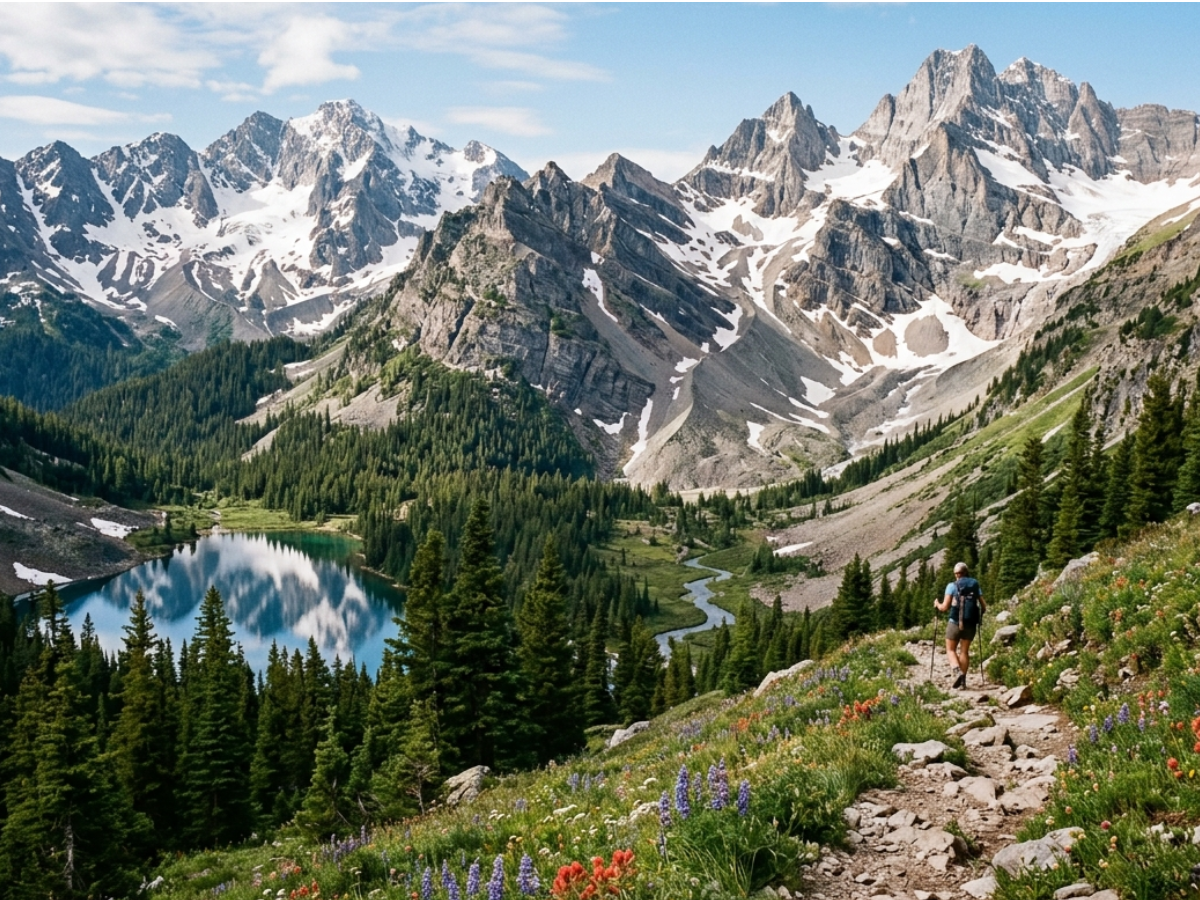
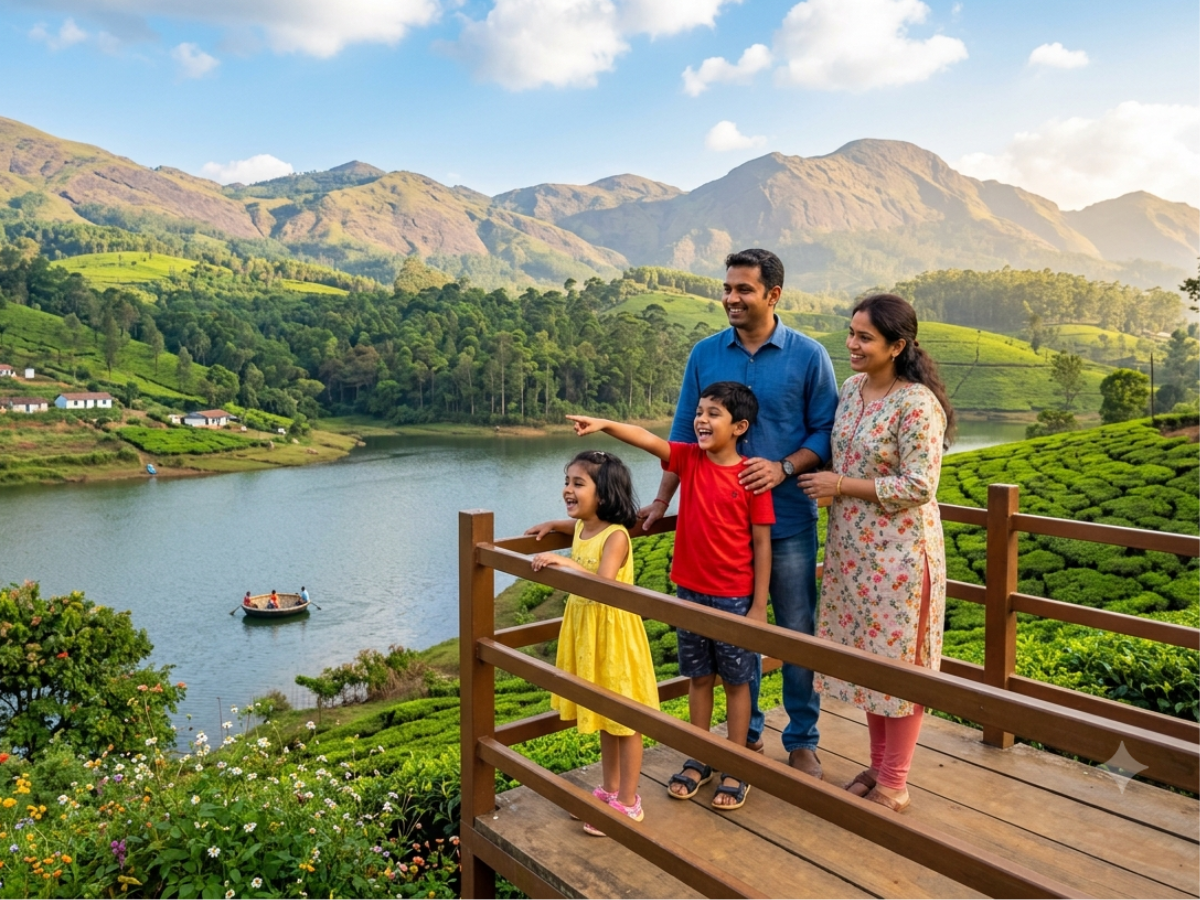
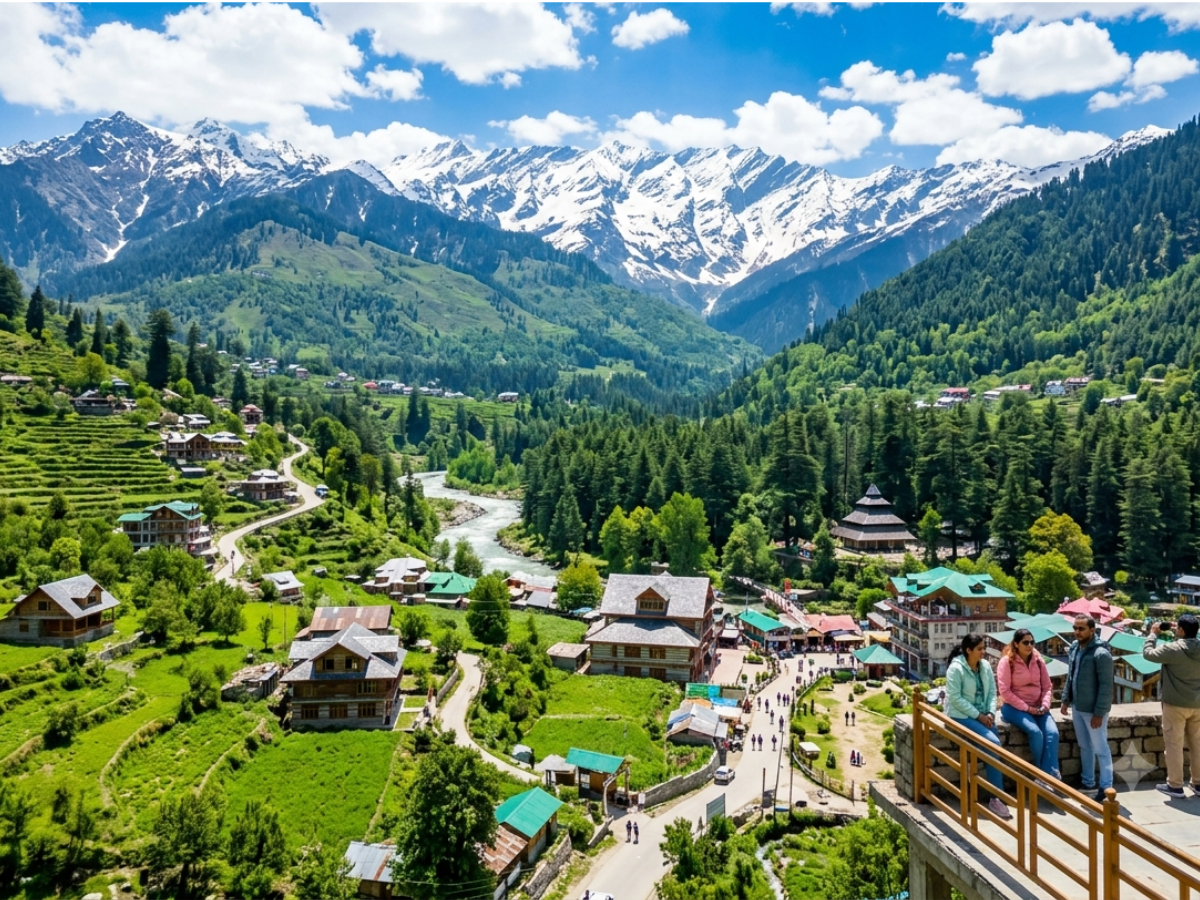
Hill stations vs beaches in India is a comparison that plays out differently depending on the season. In summer, the argument for mountains is straightforward: temperature. While coastal destinations in May and June are humid and taxing, a hill station at 2,000 metres sits in a different climate entirely. In Shimla, Mussoorie, Coorg, and Munnar, the air is cooler, the pace slower, and the pressure to perform holiday activities is lower than at a beach.
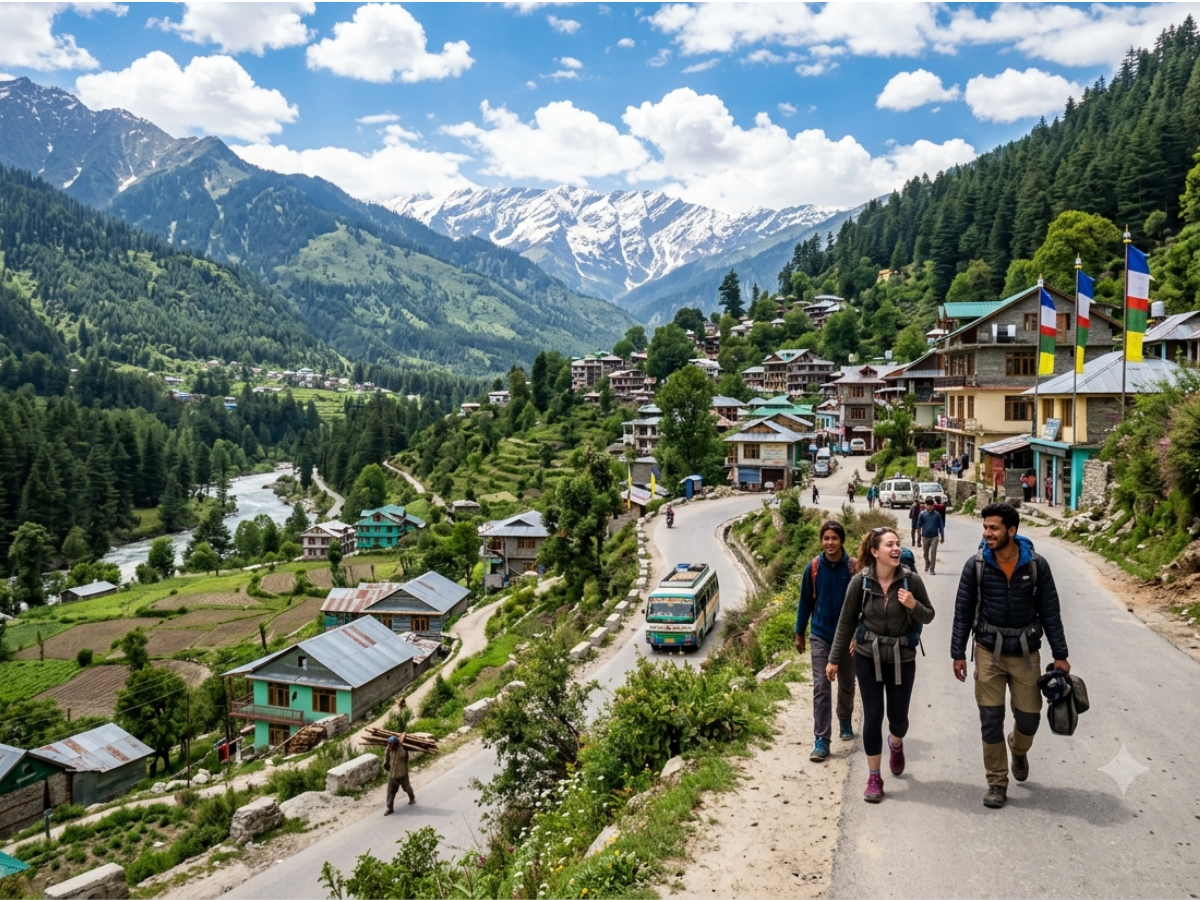
Mountains reward a particular kind of traveller: one who is comfortable with variable weather, enjoys walking, and does not need a fixed agenda to feel the trip was worthwhile. The best mountain experiences in India tend to be ones where the destination is engaged with directly: It's no surprise that mountains have inspired countless travellers, writers, and adventurers, reflected in these memorable mountain quotes. a morning trek before the clouds come in; a late afternoon sitting above the tree line, watching the valley fill with mist. Experiences like these also explain why many travellers believe nature travel helps heal the mind and body in ways that conventional holidays often cannot. and a meal at a dhaba where the gas flame struggles in the altitude.
The Trade-offs
The honest version of mountain travel includes the roads. Getting to most hill station vs beach getaway destinations in India involves a significant time investment on winding roads, often following long train or flight journeys. Motion sickness is a real consideration. Altitude effects, headaches, disrupted sleep, and fatigue are underestimated by first-time visitors to higher elevations.
Infrastructure at genuinely remote mountain destinations varies considerably. Power cuts, limited dining options, and accommodation that prioritises location over comfort are features of the experience rather than exceptions. Travellers who need reliability in those areas will find the adjustment harder.
The Case for Beaches
What Beaches Actually Offer
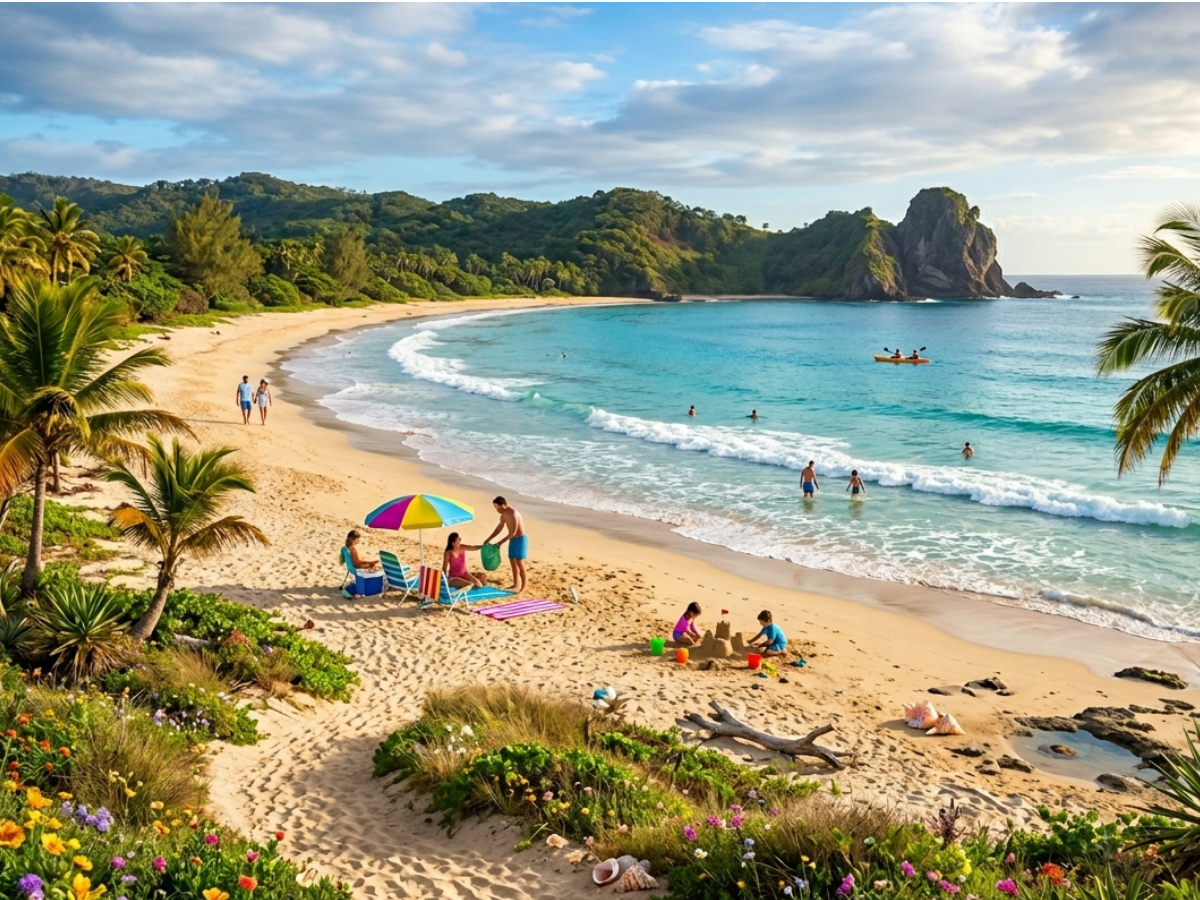
Summer mountain vs beach comparisons often underplay what a beach destination does well: simplicity. The daily structure almost organises itself: morning walk, swim, food, some version of rest, and evening at the waterfront. There is very little that needs deciding, which is itself a form of rest for people whose ordinary life involves constant decision-making. For families travelling during school holidays, beach destinations often feature among the most popular summer vacation ideas for families because of their simplicity and accessibility.
India's coastal options span a wider range than most travellers utilise. Goa gets the volume, but the beaches of Gokarna, Varkala, Pondicherry, Diu, and the Andaman Islands offer comparable quality with considerably less crowd pressure. Travellers looking for a quieter experience may also benefit from following principles of responsible travel and avoiding crowded destinations. Best mountain destinations vs beach arguments often ignore this variety on the coastal side; the assumption that beach travel means a crowded Goa resort in peak season misses most of what the Indian coastline actually has to offer.
The food argument also runs strongly in favour of coastal destinations. Fresh seafood, coconut-based curries, and the general abundance of produce that comes with fishing communities make eating well at a beach destination easier and cheaper than in most mountain locations.
The Trade-offs
Beach travel in India has a seasonal problem that mountain travel does not. The monsoon closes most coastal destinations between June and September, the same window when mountains are at their most appealing. Travelling to Goa in July or Varkala in August means rain, closed shacks, and a coast that is genuinely not at its best. Planning between mountain vs beach destinations in India is therefore partly a calendar question, not just a preference one.
Heat and humidity at coastal destinations in April and May are also more taxing than the marketing suggests. The beach at 9am is pleasant. The beach at 1pm in summer is a different proposition.
Head-to-Head: How the Two Compare on Key Factors
Cost: Mountain destinations in India range from budget homestays in Himachal Pradesh to expensive heritage hotels in Coorg. Beach destinations follow a similar spread, but mid-range options tend to be more consistently available at coastal locations than at remote hill stations where limited supply inflates prices. For a hill station vs beach getaway on a controlled budget, the coast often has more consistent mid-range options.
Families with children: Beaches tend to work better for mixed-age groups where younger children are involved. The activity floor at a beach is lower; sand and water require no particular fitness level or tolerance for altitude. Mountain trips with children are rewarding but need more careful planning around distances, road times, and altitude acclimatisation.
Solo travel: Mountains tend to suit solo travellers who want mental space. The combination of physical effort, variable weather, and reduced social pressure creates conditions where being alone feels intentional rather than lonely. Beach destinations are more socially orientated by default, which suits some solo travellers and suits others less.
Adventure: Both offer it, but differently.
Mountain vacation vs beach vacation: adventure is either vertical trekking, climbing, river crossings or horizontal surfing, diving, and kayaking. The choice between them is really a question of which direction the body wants to work.
So Which Should You Choose?
The honest answer is that the hill stations vs beaches in India question resolves differently depending on when you are travelling, who you are travelling with, and what you actually need from the time away.
Go to the mountains if the primary need is temperature relief, quiet, and physical engagement with a landscape. Go to the beach if the need is warmth, simplicity, good food, and a structure that organises itself. Do not go to either if the expectation is that the destination will fix something the trip cannot actually solve. The best mountain travel vs beach travel decisions are made by people who are honest about what kind of tired they are and what kind of rest they actually need, not about what the social version of a holiday is supposed to look like.
How EaseMyTrip Takes the Guesswork Out of the Choice
Deciding between a mountain and a beach destination is easier when the practical variables like cost, travel time, accommodation availability, and weather windows are visible alongside the preference question. EaseMyTrip's AI-powered platform surfaces this kind of contextual information in a single place, Travellers can compareflight optionsacross mountain and beach destinations without switching between multiple platforms. comparing flight and train options to mountain and coastal destinations simultaneously so travellers can see the full picture before committing to a direction.
For someone genuinely undecided between Manali and Goa, or between Coorg and Gokarna, being able to compare real-time availability and fares across both options without running separate searches removes a layer of friction that often leads to defaulting to the familiar choice. As AI tools become better at understanding individual preferences and surfacing genuinely personalised recommendations, EaseMyTrip is building towards a platform that helps travellers make the right call rather than just the convenient one, whether that call involves mountains, beaches, or something else entirely.
FAQs
Q: Which is better for a summer holiday in the Indian mountains or beaches?
For most of India, summer mountain vs beach comparisons resolve clearly in favour of mountains between April and June. Hill stations at higher elevations offer significantly cooler temperatures during this period, while coastal destinations in summer are hot, humid, and, from June onwards, subject to monsoon conditions that close many beach facilities. Destinations like Manali, Shimla, Munnar, and Coorg are consistently better summer options than beach destinations for travellers prioritising comfort over a specific coastal experience.
Q: What are the best mountain destinations vs. beaches in India for families?
For families with younger children, beach destinations such as Goa, Pondicherry, and the Andaman Islands tend to be more manageable because they involve fewer logistical complications around altitude and road travel. The best mountain destinations vs beaches for families with older children or teenagers include Manali, Coorg, and Munnar, where trekking, camping, and wildlife options provide a more active itinerary. The choice ultimately depends on the age range of the children and how much physical flexibility the group has.
Q: Is a hill station or beach getaway better value for money in India?
Both can be done cheaply or expensively, but mid-range hill station vs beach getaway budgets tend to go further on the coast. Beach destinations have a wider range of accommodation and dining options at the mid-range price point, and food costs, particularly for seafood, tend to be lower at coastal locations than at remote hill stations where supply chains are limited. That said, budget mountain travel through homestays and local transport in Himachal Pradesh or Uttarakhand can be extremely cost-effective for flexible travellers.
Q: How does mountain travel vs beach travel differ for solo travellers?
Mountain travel vs beach travel for solo travellers involves genuinely different social dynamics. Mountain destinations, particularly trekking routes and smaller hill stations, create conditions where being alone feels natural and the physical engagement of the landscape provides structure to the day. Beach destinations are more socially orientated, with a default atmosphere that suits people looking for easy interaction but can feel isolating for those who are not. Solo travellers who want mental space tend to prefer mountains; those who want low-effort social connection often find the beach more comfortable.
Q: How can EaseMyTrip help decide between a mountain vs. beach vacation?
EaseMyTrip's platform allows travellers to compare flight and train options for mountain vs beach vacation destinations simultaneously, with real-time availability and fare comparisons displayed together. Rather than running separate searches for Manali and Goa, or Coorg and Varkala, travellers can see both options side by side, including travel time, cost, and accommodation availability, before making a decision. The platform's AI-powered tools also surface weather windows and seasonal suitability information relevant to the travel date, which is particularly useful for a choice that is as much about timing as it is about preference.






 June 19, 2026
 Share
Share
 Download as PDF
  From
From 
 Departure Date
 Travellers & class
 Rent For
 Departure Date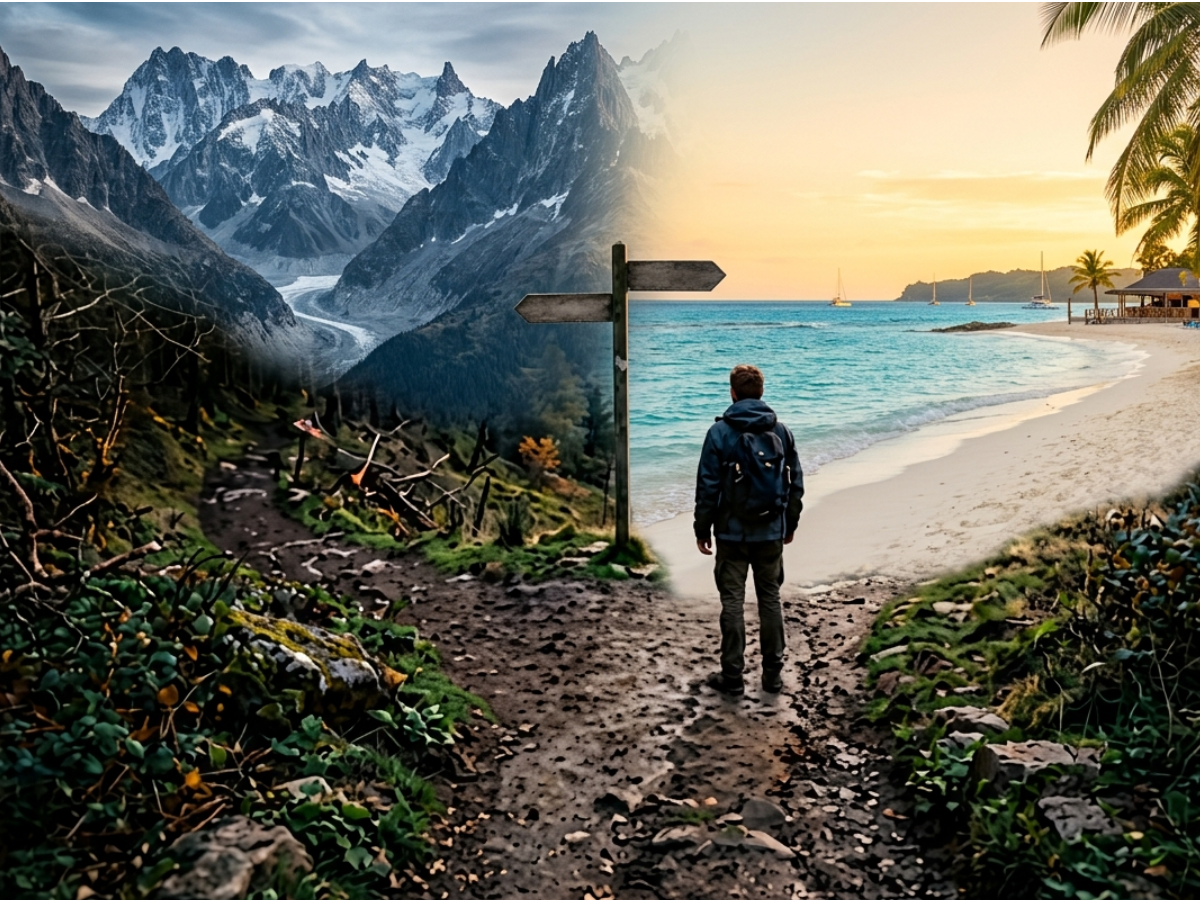




 Share
Share
{{cmnt.comment}}