Overtourism is putting pressure on popular destinations through overcrowding, environmental strain, and loss of local culture. Responsible travel — like visiting during off-seasons, choosing lesser-known places, supporting local businesses, and travelling more slowly — helps reduce pressure on destinations while creating more meaningful and enjoyable travel experiences.
There was a time when finding a beautiful place felt like the hard part. Now the problem has flipped. A beach goes viral, and within months the sand disappears under crowds, cafés multiply faster than locals can manage, and sunrise viewpoints start resembling concert queues. The discovery has already happened. What follows is the damage.
This is the reality of modern travel. Some destinations are receiving far more visitors than their roads, ecosystems, or communities were ever designed to handle. Venice has introduced visitor restrictions. Bali struggles with traffic and waste. Mount Everest queues have become global headlines. Smaller Himalayan towns in India now experience water shortages during peak travel months. None of this happened overnight, and none of it is inevitable.
That's why overtourism avoidance solutions are becoming a serious part of how thoughtful travellers plan their trips. Better travel isn't always about discovering more places. Sometimes it's about visiting places differently.Travellers looking for quieter and more meaningful journeys are increasingly exploring places you should visit right now that are not well known instead of overcrowded tourist hotspots.
What Is Overtourism Travel
Overtourism travel happens when visitor numbers exceed what a destination can comfortably absorb. The damage tends to build gradually, which is part of why it's so easy to ignore until it's already significant.
The impacts accumulate in layers. Rising waste levels, traffic that makes local movement difficult, water shortages, environmental degradation, the slow erosion of local identity, and housing costs that push residents out of their own neighbourhoods. At first, tourism boosts the local economy. When growth becomes uncontrolled, the same destinations start struggling under the weight of it.
Travellers usually notice the inconvenience end of the problem. Long queues, overpriced accommodation, crowded attractions, and the increasing difficulty of finding anything that feels genuinely local. Residents tend to feel the harder consequences first and most.
Why Crowded Destinations Stop Feeling Rewarding
Crowds do more than slow down sightseeing. They change how places feel entirely.
A quiet mountain monastery becomes noisy. Beaches lose their calm. Historic neighbourhoods turn into rows of souvenir shops serving tourist algorithms rather than local communities. Local cafés close and are replaced by places optimised for footfall rather than food.
Eventually, travellers stop experiencing destinations and start managing logistics instead. This is where crowd avoidance becomes less about escaping other people and more about protecting the quality of travel itself. The experience degrades for everyone, including the visitors who came to enjoy it.
Why Overtourism Is Increasing So Quickly
Social media visibility
Destinations now become globally famous almost overnight. One viral video or post can send thousands of travellers to locations that were previously unknown to anyone outside the immediate region. Many smaller places simply don't have the infrastructure to absorb that level of sudden attention. The gap between online exposure and on-the-ground capacity is where most damage happens.Many experienced travellers now prefer discovering beautiful places away from the mainstream crowd to avoid contributing to overtourism pressure.
Cheap flights and easier connectivity
International travel has become more accessible than at any point in history. That's genuinely positive in many ways. But it also means popular destinations now face heavy pressure year-round rather than during traditional holiday windows. There's no longer a quiet season in the same way there used to be.
Checklist tourism
A significant portion of modern travel involves moving quickly between destinations to cover as many places as possible. The result is more movement, more congestion, and considerably less meaningful engagement with the places being visited. Over tourism travel at its most visible is a group of people photographing a landmark they'll spend four minutes at before moving to the next one.
Overtourism Avoidance Solutions That Actually Work
Travel during shoulder seasons
One of the most straightforward overtourism avoidance solutions costs nothing to implement. Change the timing.
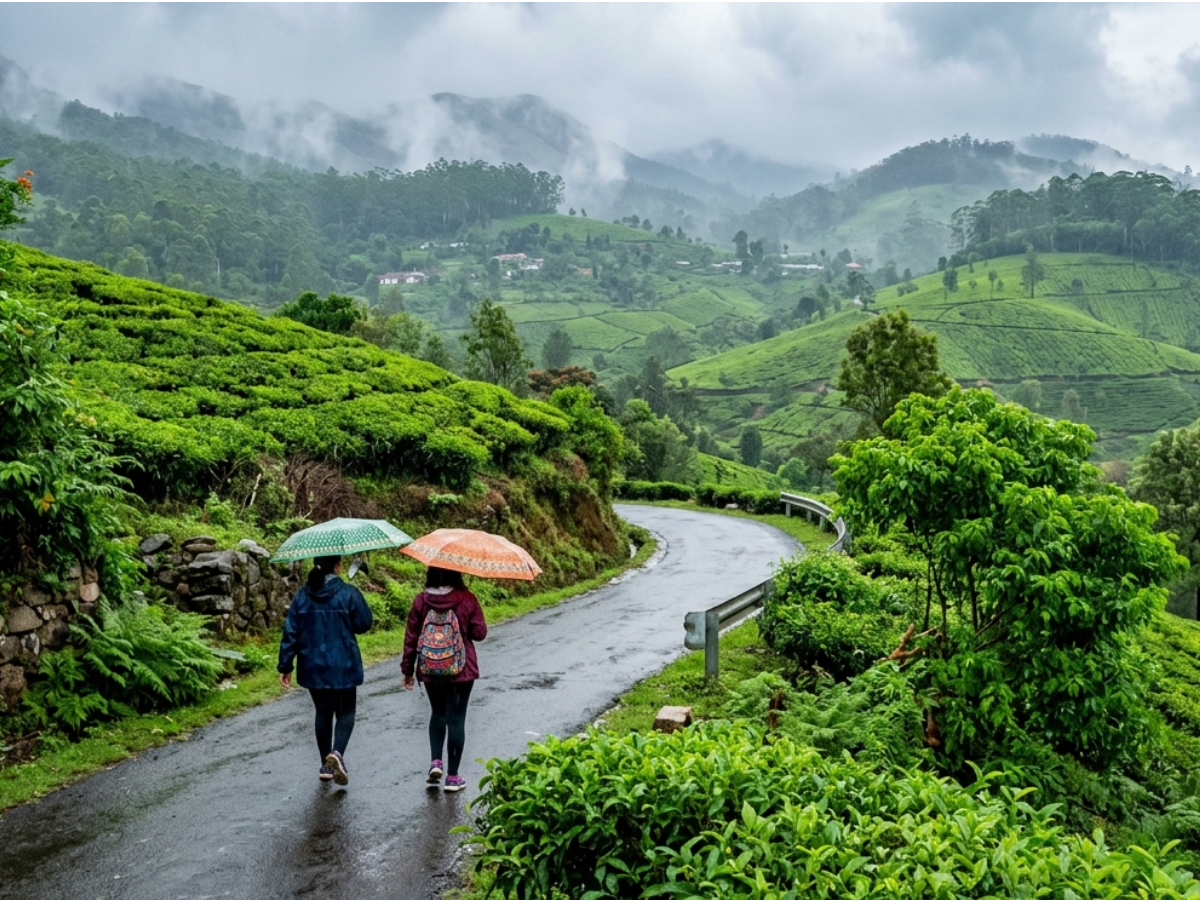
Visiting Europe in July, Himachal during peak summer, or Bali during major holiday weeks means arriving at the version of a destination that's under the most strain. Shoulder seasons, the weeks just before or after peak, offer smaller crowds, better hotel booking price, reduced environmental pressure, and local experiences that feel more genuine. Destinations often reveal their actual character outside the tourist peak.Travelling during cooler and quieter months also helps visitors discover quiet corners to visit when India heats up without dealing with peak-season crowds.
Choose secondary destinations over viral ones
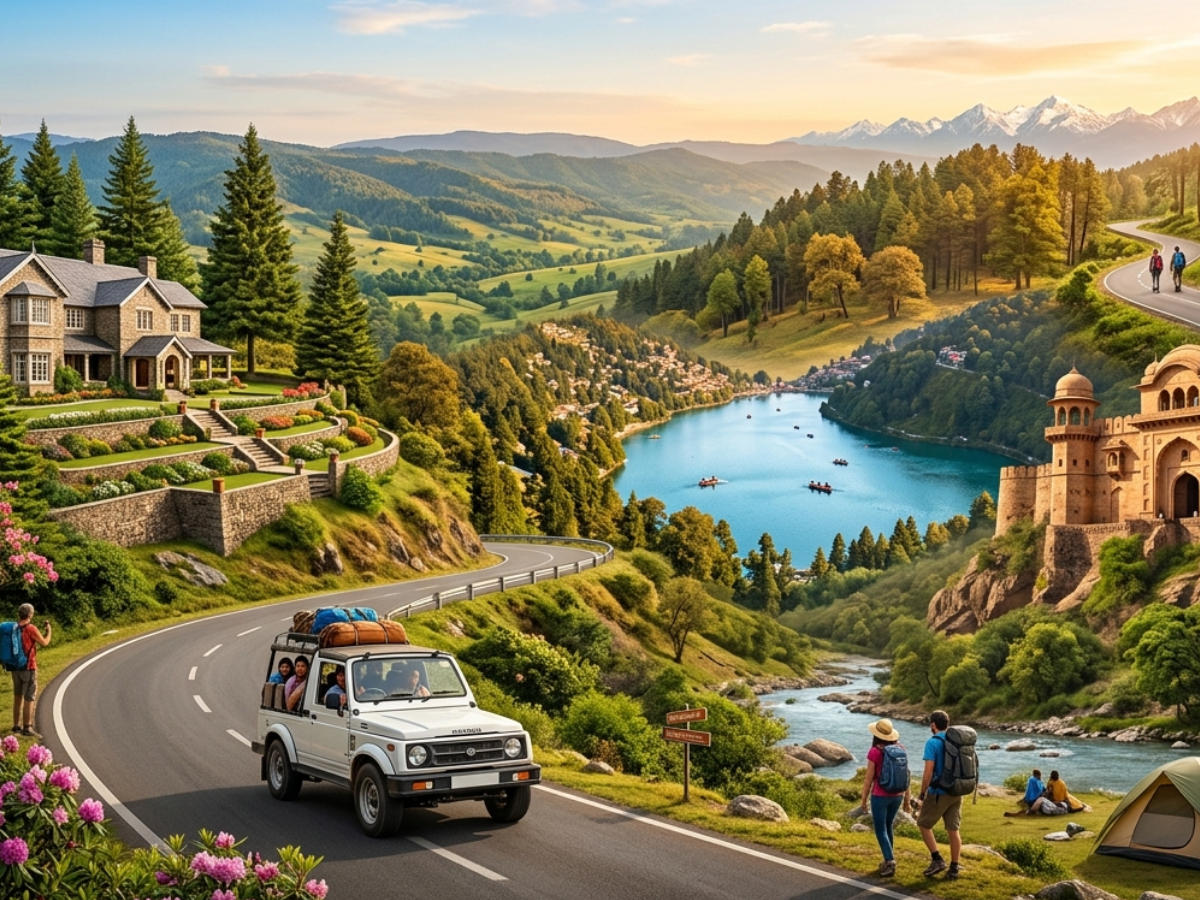
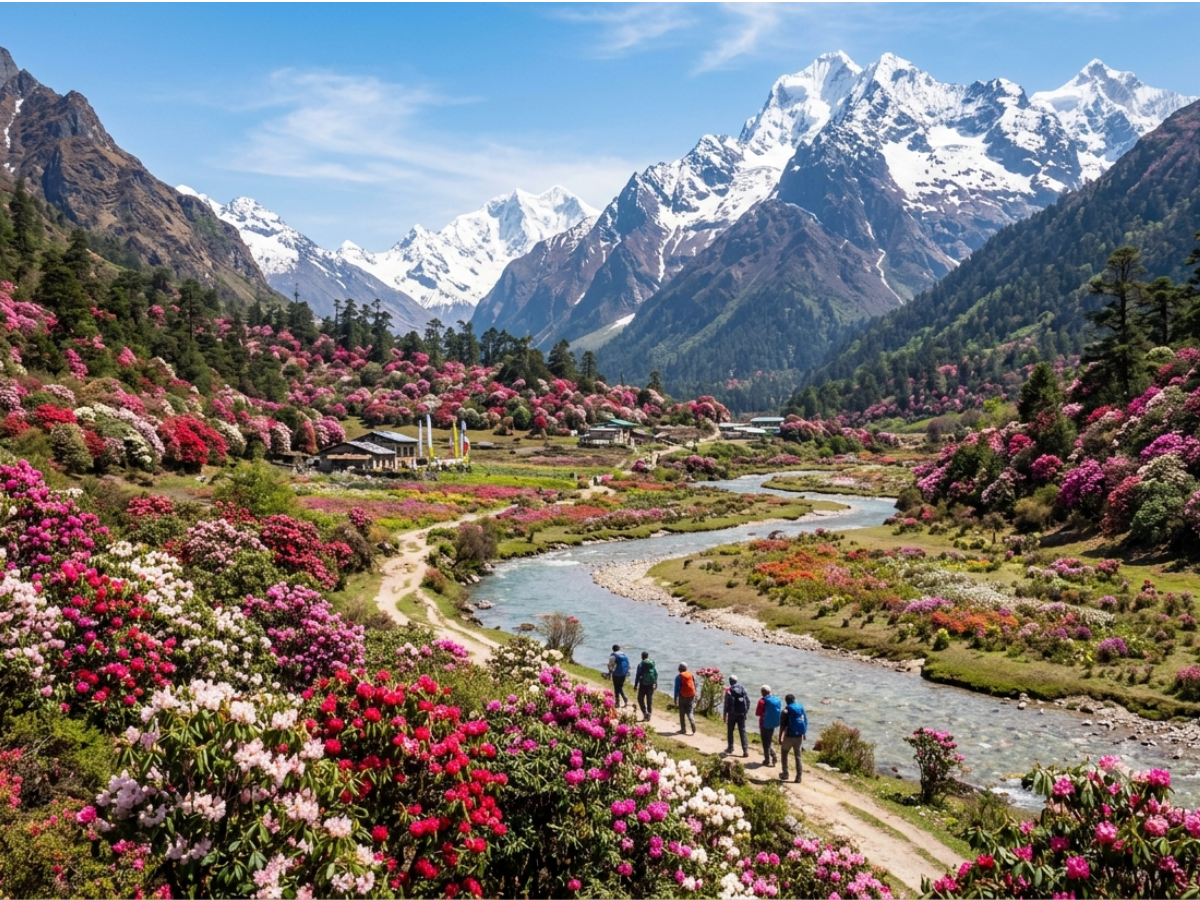
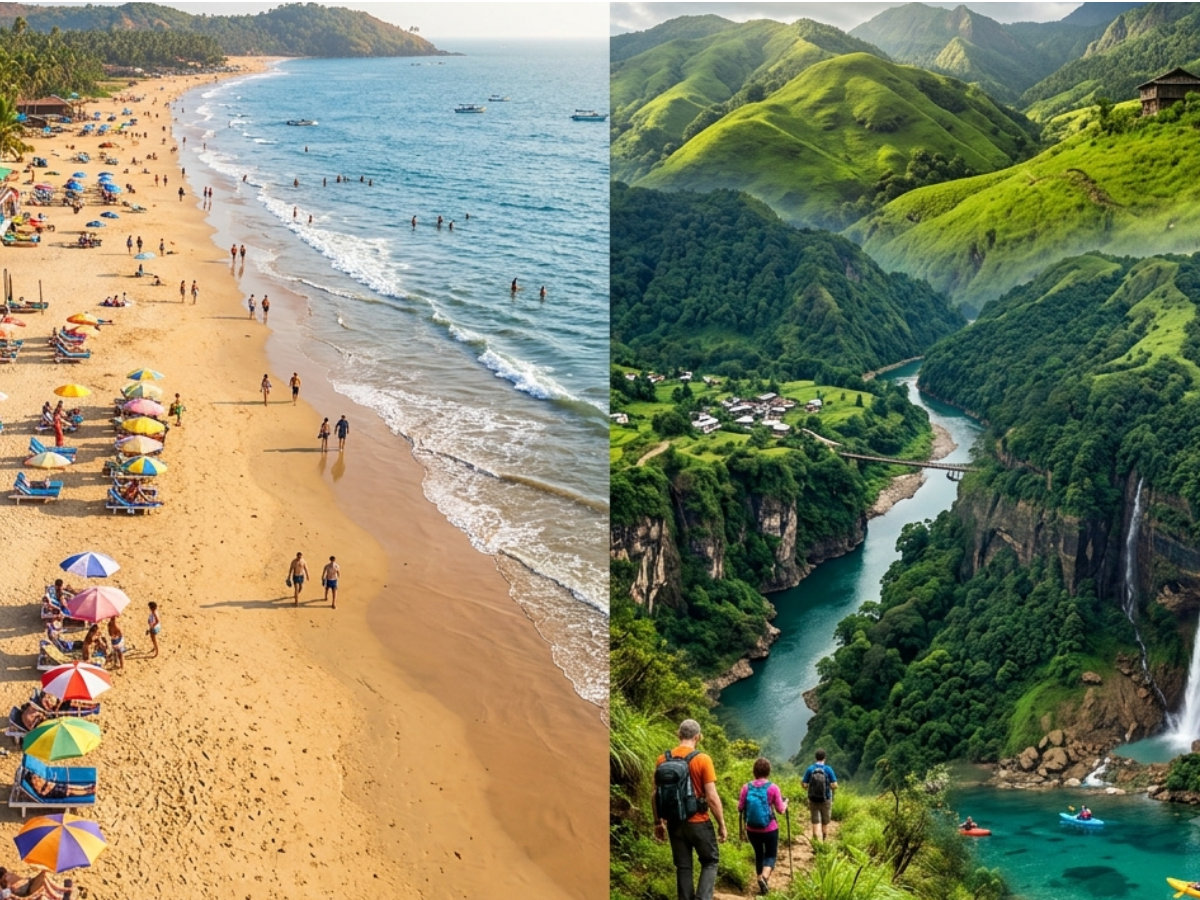
Most famous destinations now have quieter alternatives within reasonable reach. Instead of Santorini, Naxos. Instead of overcrowded Shimla, Tirthan Valley. Instead of Bali's busiest beaches, Flores or Lombok. Instead of Manali's Mall Road, Jibhi or Sethan.
These aren't consolation choices. They're often better travel experiences that also happen to support responsible destination choices and reduce pressure on overloaded places.
Stay longer instead of travelling faster
Short high-volume tourism puts enormous strain on destinations without delivering much back to local economies. Travellers arriving for one-day stopovers, quick social media visits, and fast sightseeing loops contribute significantly more to congestion than to anything that actually benefits the place.
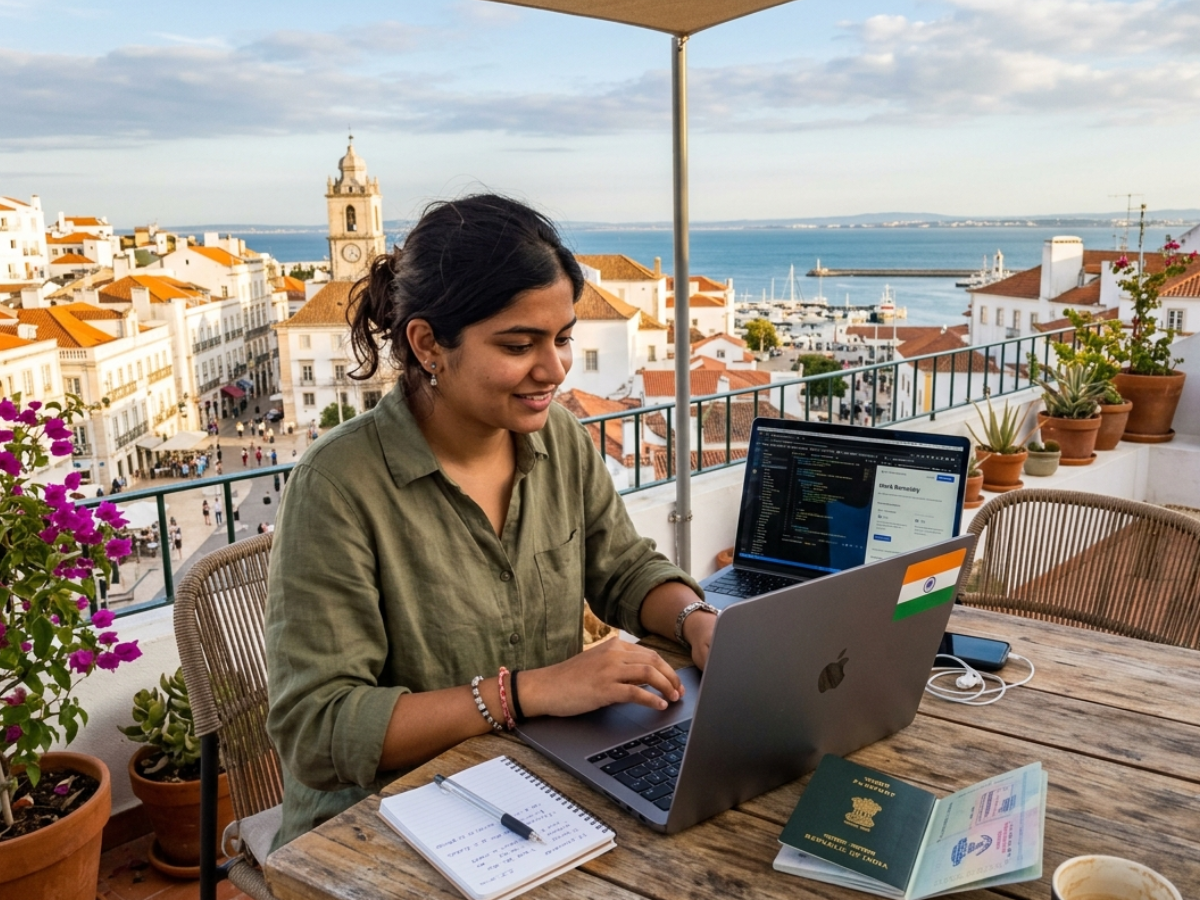
Slower travel works differently. Local businesses benefit more substantially. Transport pressure reduces. Travellers interact more meaningfully with communities rather than moving through them. A five-day stay in one place consistently creates better memories than rushing across five cities. It also does considerably less damage.This growing preference for immersive experiences aligns closely with the idea of slow travel and spending a month in one city rather than rushing through multiple destinations.
Support locally owned businesses
Large tourism chains tend to dominate overcrowded destinations, capturing revenue that never reaches the communities actually bearing the cost of heavy tourism. Choosing homestays over chain hotels, local cafés over international brands, community-run tours over packaged operators, and independent guides over large agencies keeps tourism revenue within the destination itself. This is one of the most practical and immediate forms of responsible travel available to any traveller.Following practical sustainable travel tips can further help travellers reduce their environmental impact while supporting local communities.
Avoid geotagging sensitive locations
Some locations are genuinely not built for mass tourism. Remote waterfalls, hidden trails, monasteries, and ecological zones can absorb decades of quiet visits and be destroyed in months once viral online exposure dramatically increases their footfall.
Not every beautiful place needs to become public content. This has quietly become one of the more important modern overtourism avoidance solutions, and one of the simplest to practice.
How Responsible Travel Changes the Experience
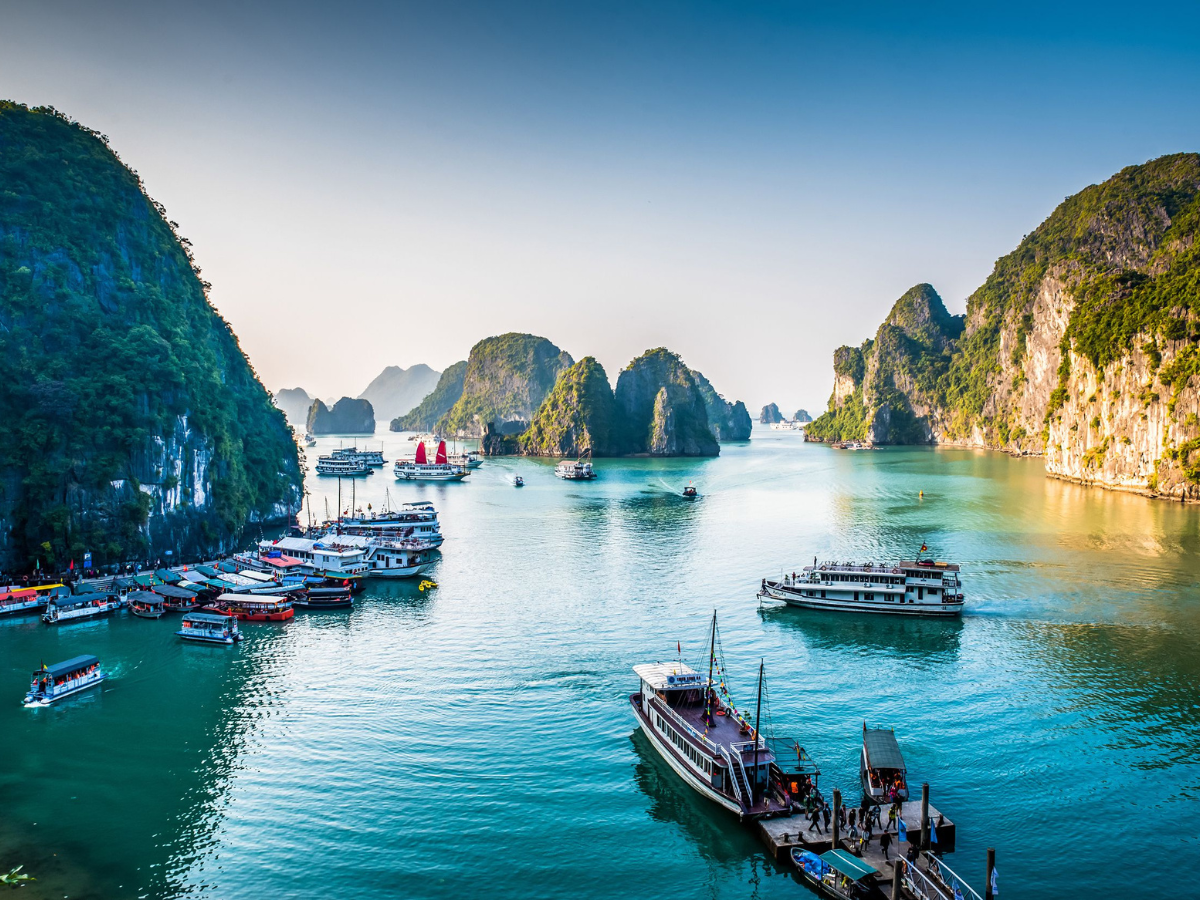
Most travellers assume responsible travel means accepting reduced comfort or convenience. Usually the opposite happens.
Travelling with crowd avoidance in mind tends to produce quieter experiences, better local interaction, less logistical stress, and more meaningful memories. The difference between crowded tourism and thoughtful travel is often felt more than observed. One feels like moving through a queue. The other feels like actually being somewhere.
Responsible destination choices don't require sacrificing anything most travellers genuinely value. They usually improve the things that matter most.In fact, many travellers are now embracing experiential travel trends in 2026 that focus more on cultural connection and meaningful experiences rather than crowded sightseeing checklists.
Destinations Already Responding to Overtourism
Several destinations have already moved from discussion to action.
Venice has introduced visitor taxes and cruise ship restrictions to reduce pressure on a city that was genuinely struggling to function under tourist volume.
Bhutan limits tourism through sustainable tourism fees designed to control visitor numbers from the outset rather than managing damage after the fact.
Amsterdam has actively discouraged disruptive tourism behaviour and reduced certain tourism promotions targeting visitor types that generate problems rather than value.
Machu Picchu now operates timed entry systems to reduce overcrowding and protect the archaeological site from further degradation.
These aren't experimental policies. They're responses to damage that has already happened. Over tourism travel is not a future concern. It's already reshaping global tourism policy and will continue to do so as pressure on destinations increases.
Crowd Avoidance Doesn't Mean Avoiding Popular Places Completely
Some destinations become famous for good reason and deserve to be visited. The goal isn't to stop travelling to iconic places. The goal is to travel through them more thoughtfully.
Small shifts make a real difference. Visiting early in the morning before crowds build. Exploring less popular neighbourhoods beyond the main attractions. Travelling on weekdays rather than weekends. Spending time in the quieter parts of heavily visited destinations rather than only the most photographed spots.
Even the busiest destinations contain calmer, more genuine experiences if travellers are willing to move slightly differently from the majority.
How Travellers Can Make Immediate Changes
Before booking Research peak crowd months for the destination. Look into local environmental concerns, water restrictions, and any known overtourism pressure. These aren't obscure facts. They're usually easy to find and change the quality of the trip when factored into planning.
During the trip Respect local customs without needing to be reminded. Avoid littering in places where waste management is already under strain. Reduce unnecessary transport use where alternatives exist. Support local businesses over international chains whenever the choice is available.For independent travellers, following an ultimate survival guide for solo travellers can also make responsible and flexible travel planning much easier.
After the trip Share responsibly. Not every location needs exact geotags, drone footage, or detailed directions to a place that's survived precisely because it's been hard to find. Sometimes preserving a destination matters more than being the person who publicised it.
Why This Conversation Matters Now
Tourism itself isn't the problem. Unbalanced tourism is.
Travel remains one of the most effective ways to understand landscapes, cultures, food, and people beyond the limits of personal routine. But destinations are not unlimited resources. Mountains erode. Beaches struggle with waste. Historic neighbourhoods lose the residents that gave them their character. Water systems fail under seasonal pressure that never fully eases anymore.
The future of travel will depend less on how many places people visit and more on how thoughtfully they move through them. That's not a sacrifice. It's a better version of travel for everyone involved, including the traveller.
That's where real overtourism avoidance solutions begin. Not in policy documents or destination restrictions, but in the decisions individual travellers make before they book.
FAQs About Overtourism and Responsible Travel
What is overtourism travel?
Overtourism travel refers to situations where destinations receive more visitors than their infrastructure, environment, or local communities can comfortably support. The damage tends to accumulate gradually across waste management, water systems, local economies, and community identity before it becomes visible enough to generate serious attention.
Why is overtourism becoming a global issue?
A combination of cheap flights, year-round tourism pressure, social media exposure that makes previously unknown places famous overnight, and a travel culture oriented around visiting as many places as possible has dramatically increased visitor numbers in destinations that were never designed for that volume.
What are the most effective overtourism avoidance solutions?
Travelling during shoulder seasons, staying longer in fewer places, choosing secondary destinations over viral ones, supporting locally owned businesses, and avoiding geotagging sensitive locations are among the most practical and immediately actionable solutions. None of them require significant sacrifice and most of them actively improve the travel experience.
How does crowd avoidance improve travel?
Smaller crowds produce calmer, more authentic experiences with less waiting, less logistical stress, and better interaction with local communities. The places that most travellers remember most vividly are rarely the overcrowded iconic ones. They're usually the quieter moments that only happen when a place has room to breathe.
What is responsible travel?
Responsible travel means moving through destinations in ways that reduce negative environmental and social impact while actively supporting local communities. It doesn't require dramatic changes to how most people travel. It mostly requires paying slightly more attention to where money goes and what behaviour leaves behind.
Which destinations are most affected by overtourism?
Venice, Bali, Barcelona, Santorini, Amsterdam, and the Mount Everest trekking routes are among the most discussed examples globally. In India, popular Himalayan destinations including Manali, Shimla, and parts of Uttarakhand experience significant overtourism pressure during peak months.
Is shoulder season travel genuinely better?
Consistently, yes. Lower prices, fewer crowds, less environmental strain, and more relaxed local experiences are the standard outcomes of shoulder season travel. Destinations also tend to feel more like themselves outside the peak tourist window when they're not primarily oriented around managing visitor volume.
Why should travellers avoid excessive geotagging?
Sensitive natural locations, hidden trails, remote monasteries, and ecologically fragile areas can be severely damaged by a sudden surge in visitor traffic that follows viral online exposure. The decision not to geotag a location is one of the simplest and most effective responsible destination choices available to any traveller.
Can popular destinations still be visited sustainably?
Yes, but it requires deliberate choices around timing, behaviour, accommodation, and spending. The same destination visited differently, at a quieter time, with locally owned businesses, and without adding to congestion at the most overloaded spots, creates a fundamentally different impact.
Does responsible travel mean giving up comfort?
Rarely. Most of the overtourism avoidance solutions that genuinely work, shoulder season timing, slower travel, local accommodation, less crowded destinations, actually produce more comfortable and more memorable experiences than the high-pressure, heavily crowded alternative. The tradeoff most travellers expect usually doesn't materialise.






 May 15, 2026
 Share
Share
 Download as PDF
  From
From 
 Departure Date
 Travellers & class
 Rent For
 Departure Date


 Share
Share
{{cmnt.comment}}