Darjeeling doesn't impress immediately. It builds slowly. First through the cold morning air, then through the smell of tea drifting from hillside cafés, and eventually through the sight of Kanchenjunga appearing between moving clouds. The town is steep, unpredictable, and changes mood by the hour. That's exactly what gives it its character.
For travellers exploring Darjeeling tour packages, the experience often becomes less about sightseeing and more about rhythm. Slow breakfasts, toy train whistles, monastery chants, tea gardens disappearing into mist, and evenings where the clouds arrive before sunset. Most visitors leave wishing they'd stayed longer.
Darjeeling At A Glance
| Details |
Information |
| State |
West Bengal |
| Altitude |
Approx. 2,045 metres |
| Best Known For |
Tea gardens, toy train, Kanchenjunga views |
| Ideal Trip Duration |
4 to 6 days |
| Nearest Airport |
Bagdogra Airport |
| Nearest Railway Station |
New Jalpaiguri (NJP) |
| Best Time to Visit |
March to May and October to December |
| Famous Experiences |
Toy train ride, Tiger Hill sunrise, tea estate tours |
| Local Languages |
Nepali, Bengali, Hindi, English |
Why Darjeeling Feels Different From Other Hill Stations
 Most hill stations eventually start feeling similar. Darjeeling doesn't.
Part of it comes from the town's layered identity. British colonial buildings stand beside Buddhist monasteries. Tibetan prayer flags move in the same wind that carries the smell of freshly brewed Darjeeling tea. Old cafés sit next to crowded local markets where momo steam rises into cold evening air.
The bigger reason is the weather. Darjeeling constantly shifts mood. Some mornings feel bright and cinematic. Others disappear under dense fog. The mountains appear and vanish without warning. Even long-time visitors rarely experience the town the same way twice. That unpredictability isn't a flaw. It's the whole personality of the place.
Best Time To Book Darjeeling Tour Packages
Tea gardens turn greener, skies stay clearer, and temperatures remain comfortable during the day. Spring flowers appear across the hills and outdoor sightseeing becomes easier. This period is popular for families and honeymoon travellers searching for Darjeeling tour packages through EaseMyTrip Holidays, so booking early makes sense. The first flush tea harvest also happens during this window, making estate visits particularly worthwhile.
Post-monsoon months offer the sharpest mountain views. The air feels cleaner after the rains, Kanchenjunga appears more clearly during sunrise, and visibility improves significantly. Mornings are colder but the quality of light during this period is exceptional. For photographers and travellers who prioritise Himalayan views, this is the strongest season.
Between June and September, Darjeeling turns intensely green. Fog thickens, rainfall increases, and roads occasionally experience delays. Tourist crowds reduce noticeably, cafés feel warmer, and the tea gardens look dramatic in the rain. Travellers with flexible itineraries often find this a quieter and more personal version of the town.
Places That Define Darjeeling
Following are some top places in Darjeeling that you shouldn’t miss:
Tiger Hill is famous for sunrise, but what stays with most visitors is the waiting. Hundreds gather before dawn in complete darkness and freezing temperatures. The horizon slowly begins changing colour until Kanchenjunga catches the first sunlight. For a few minutes, the mountain glows gold against a pale sky.
Even travellers who dislike early mornings usually admit the experience feels worth it. Cloud cover can block the view entirely on some days. That's the reality of mountain weather. But the act of standing there in the dark, waiting for the light, is its own experience regardless of what the sky decides to do.
-
Darjeeling Himalayan Railway
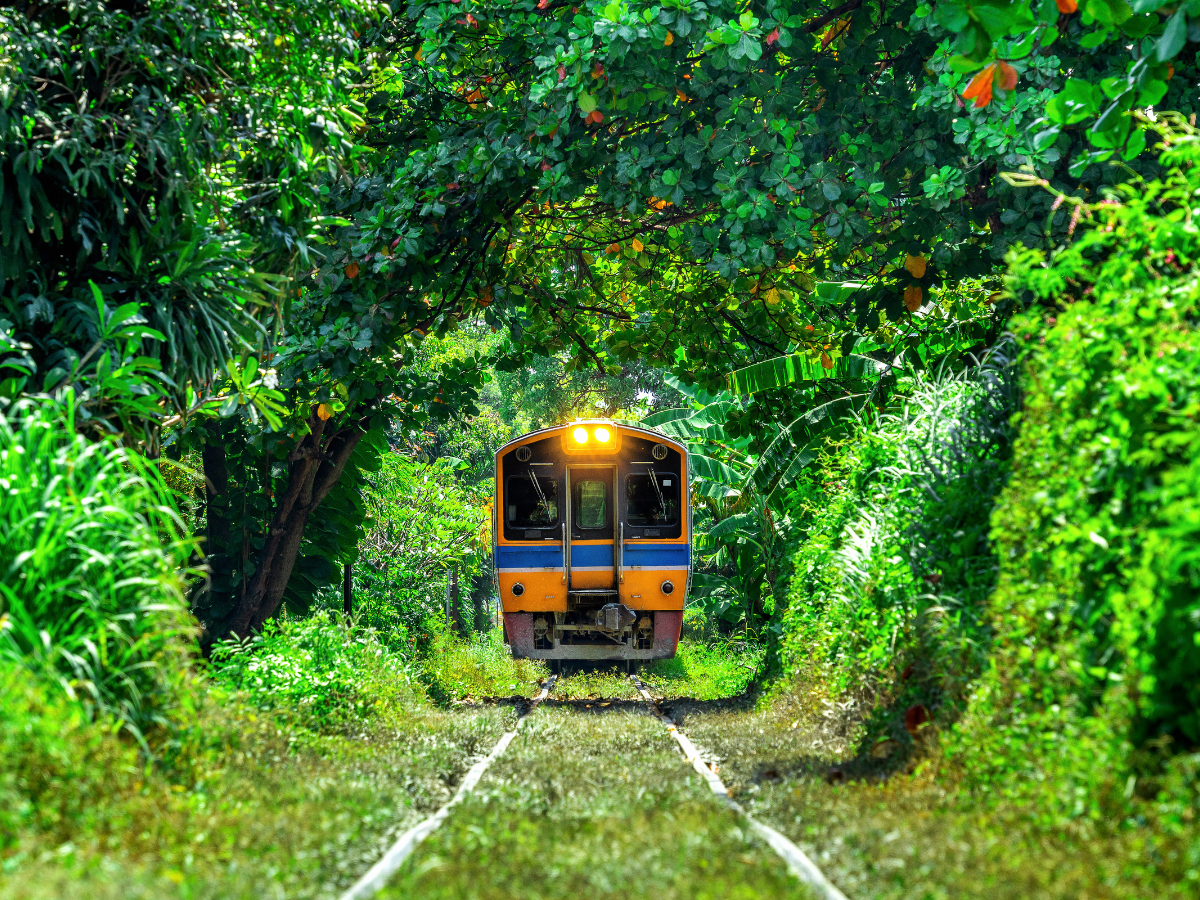
The toy train moves slowly through roads, markets, homes, and mountain bends with almost no urgency. Sometimes people walking beside the tracks move faster. That slowness is exactly what makes it memorable.
The sound of the steam whistle drifting through foggy hills feels entirely connected to this town. The Darjeeling Himalayan Railway is a UNESCO World Heritage Site that still operates through the living fabric of Darjeeling the same way it always has. The joy ride between Darjeeling and Ghoom is the most popular stretch and shows visitors exactly why the railway has retained its identity for over a century.
Batasia Loop combines mountain engineering with open Himalayan views. The toy train circles around landscaped gardens while Kanchenjunga appears in the background during clear weather. The war memorial at the centre honours Gorkha soldiers and adds emotional weight to the stop. Most travellers spend longer here than planned.
Built among pine-covered slopes above the town, the Peace Pagoda stands with panoramic Himalayan views and a quiet that's difficult to find in the central areas. Prayer chants echo softly through the surrounding forest during mornings. It feels less like a tourist stop and more like a genuine pause in the day.
Chowrasta is where Darjeeling slows down completely. Locals sit on benches watching clouds move across the hills. Travellers wander between cafés, bookstores, and tea shops. Horses move slowly through the square while fog drifts in and out.
There's no major sightseeing activity here. Yet it becomes one of the most remembered parts of any visit. The town's pace is most visible at Chowrasta, and spending unhurried time here is one of the better decisions a visitor can make.
Darjeeling Delicacies

Darjeeling's food reflects its cultural mix of Nepali, Tibetan, and Himalayan influences, alongside Bengali traditions and old colonial-era bakeries that still operate the same way they always have.
Freshly steamed momos with spicy chutney taste noticeably better in cold mountain weather. Available across the town from street stalls and small restaurants, these are the most recognisable food in Darjeeling for good reason.
A hot noodle soup eaten during colder evenings. Broth, vegetables, and noodles make it one of the most comforting meals available in the hills. Local spots serve better versions than tourist-facing restaurants.
A Tibetan-style stuffed bread that's crispy outside and filled with meat or vegetables inside. Common in the market areas and easy to underestimate until the first bite.
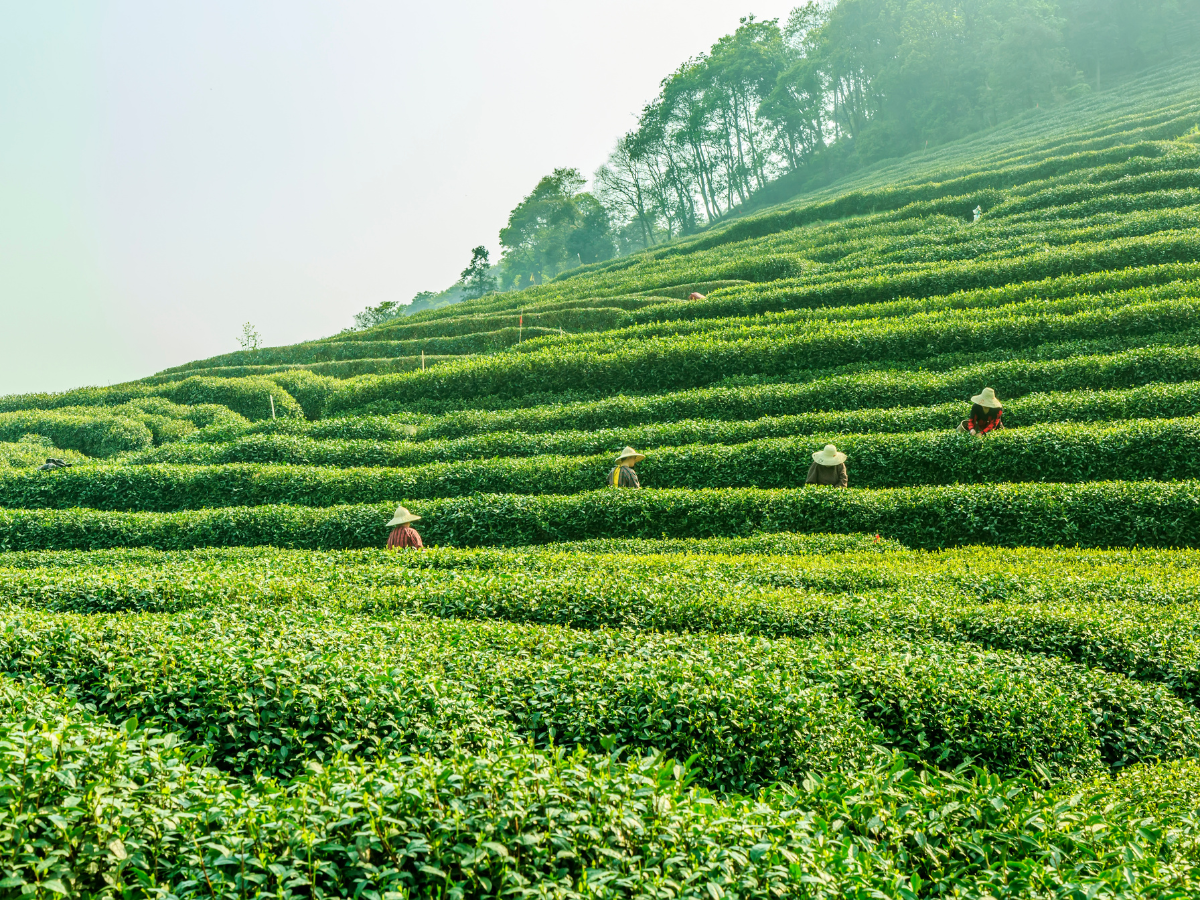
Darjeeling tea drunk at a local estate and Darjeeling tea drunk elsewhere are genuinely different experiences. The flavour changes with flush season, altitude, and estate. First flush in spring is delicate and floral. Second flush develops more body. Autumnal flush carries its own distinct quality. Visiting an estate and trying varieties before purchasing changes the relationship with the tea significantly.
Darjeeling's old bakeries are consistently underrated by visitors who miss them entirely. Fresh buns, plum cakes, butter cookies, and pastries that belong entirely to this town's history. Glenary's on Mall Road is the most well-known. Smaller ones further from the main areas are equally worth finding.
Shopping In Darjeeling
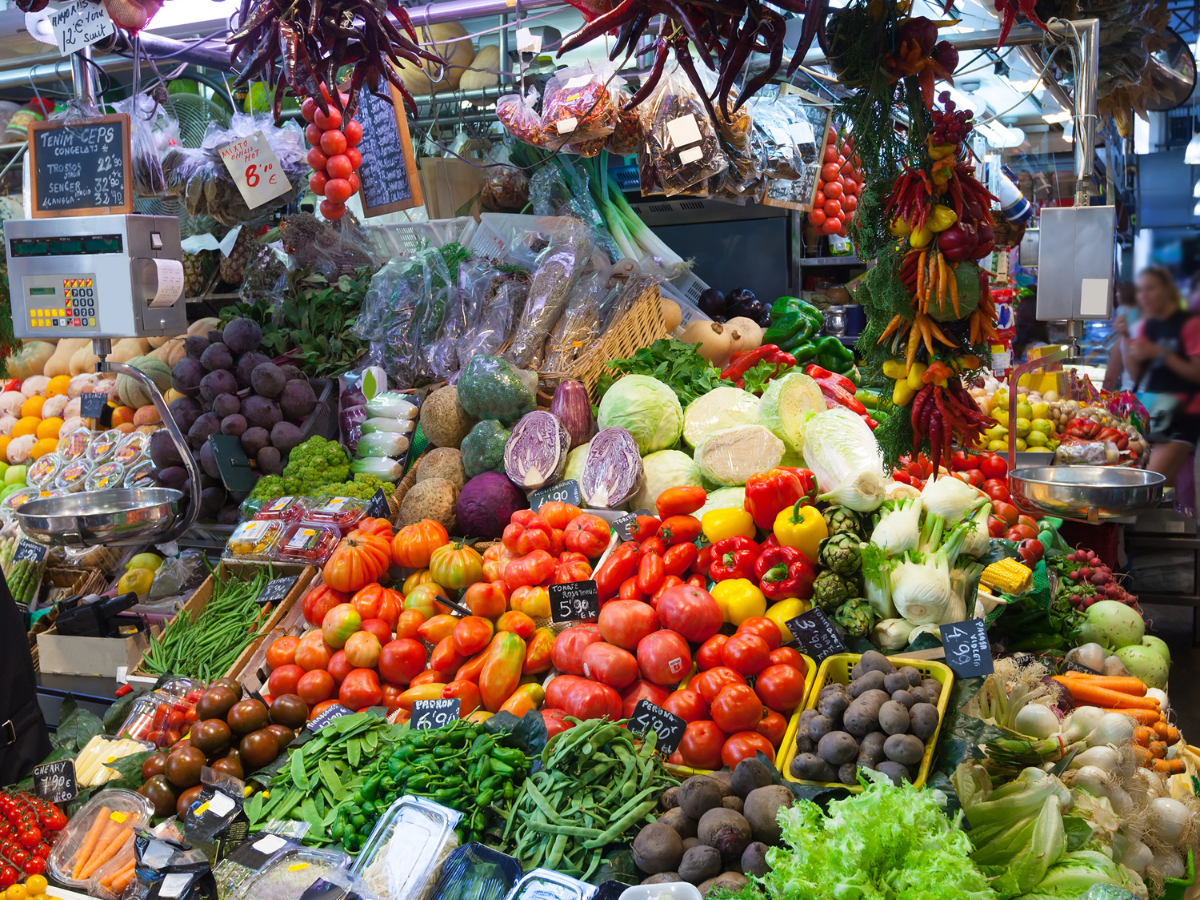
The busiest local market in town. Local vegetables, woollens, tea packets, utensils, spices, and mountain snacks all appear together in crowded lanes. It's where everyday Darjeeling is most visible and worth an hour even without specific purchases in mind.
Calmer and more organised. Woollen clothing, handmade souvenirs, Tibetan artefacts, decorative items, and properly packaged tea boxes are all available here. The atmosphere allows for unhurried browsing.
-
Tibetan Refugee Self Help Centre
One of the most meaningful places to shop in Darjeeling. Handmade carpets, woollen shawls, Tibetan handicrafts, and wooden items produced by the Tibetan refugee community that has been settled here for decades. The quality is genuine and the craftsmanship carries history. Unlike souvenir shops catering purely to tourists, what's sold here feels connected to the people who made it.
Nearby Places From Darjeeling
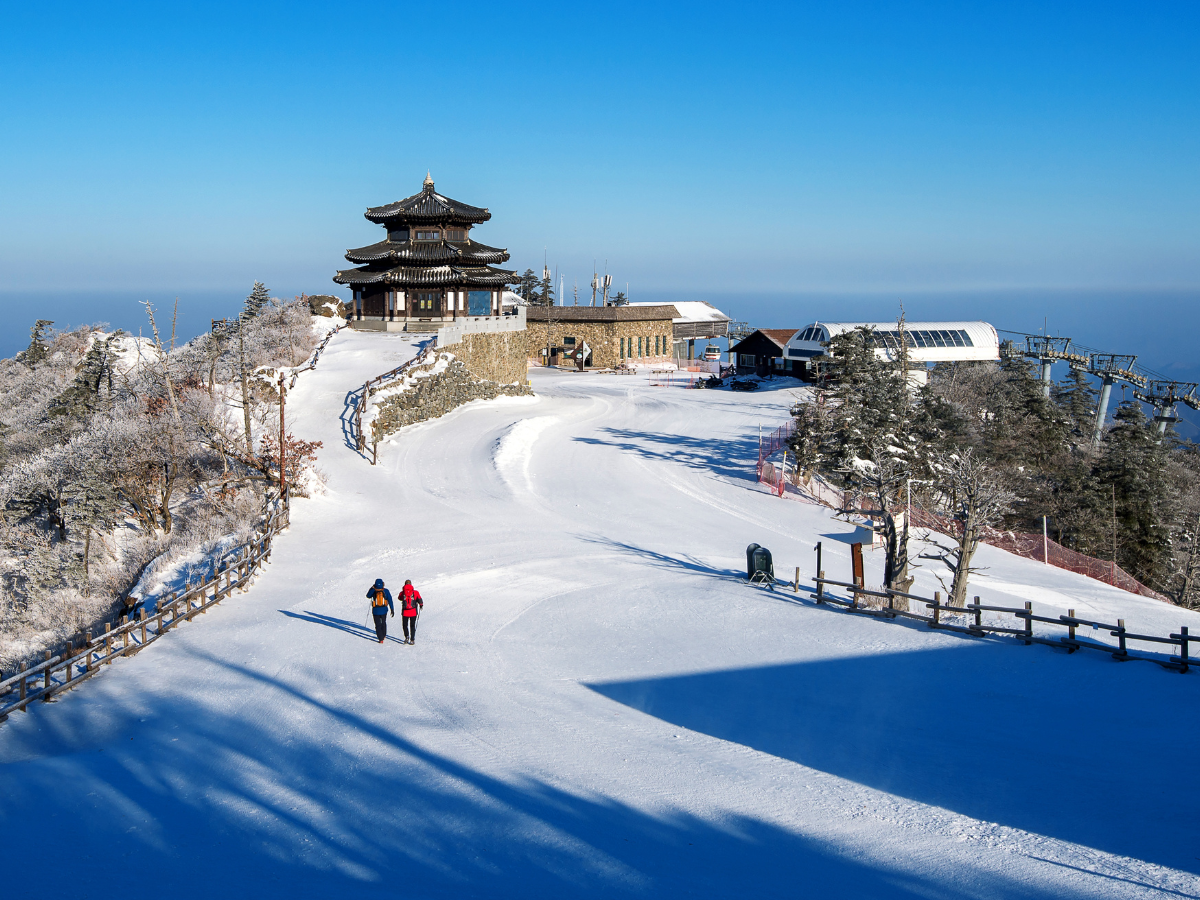
Gangtok feels more organised and modern compared to Darjeeling. MG Marg, monasteries, Tsomgo Lake, and routes toward Nathula Pass offer a different kind of Himalayan landscape. Many travellers combine Darjeeling with Gangtok trip packages because the contrast between both towns works well. They're similar enough in geography and completely different in character. EaseMyTrip Holidays makes it straightforward to plan both destinations together without treating each leg as a separate exercise.
Pelling is quieter and considerably less crowded. Wide Kanchenjunga views, monasteries, waterfalls, and forest roads with minimal traffic make Pelling holidays ideal for travellers wanting slower mountain stays. It sits at a different pace from both Darjeeling and Gangtok and rewards visitors who give it time. Pelling holidays are increasingly popular among travellers who find Darjeeling's central areas busier than they'd prefer.
Kalimpong feels softer and calmer. Known for flower nurseries that have been operating for generations, riverside viewpoints, monasteries, and local cafés that don't cater primarily to tourists. Kalimpong holiday packages have grown in appeal among travellers who want a less commercial mountain experience. The town offers a genuinely different character from Darjeeling and is worth adding to any itinerary that allows the extra time. Many travellers now book Kalimpong holiday packages specifically because the atmosphere feels more personal.
Mirik offers lake views, pine forests, and quieter roads within easy reach of Darjeeling. It works well as a half-day or full-day escape for travellers who want a change of pace without changing base.
Things First-Time Visitors Often Get Wrong
-
Expecting constant clear views
Kanchenjunga visibility depends entirely on weather. Clouds cover the mountains unexpectedly and frequently. Coming with open expectations rather than fixed ones makes the experience considerably better.
Darjeeling roads are steep. Even short distances feel more demanding than expected due to elevation. Itineraries that look manageable on paper often take longer on foot.
The town works best at a slow pace. Trying to move through every attraction on a tight schedule usually results in experiencing nothing properly. Space in the day is not wasted time in Darjeeling. It's often where the best moments happen.
Evenings are cold throughout most of the year, including summer. A warm layer is non-negotiable regardless of the season.
What Makes Darjeeling Stay With People
Most travellers leave Darjeeling with memories that sound surprisingly small when described out loud.
A toy train whistle disappearing into fog. Tea workers walking through plantations at sunrise. Prayer flags moving in cold wind. Sitting at Chowrasta doing nothing in particular.
Darjeeling rarely feels dramatic while you're in it. But long after leaving, small moments surface unexpectedly and stay in memory far longer than the planned experiences do. That's when most visitors understand why one trip rarely feels like enough.
Frequently Asked Questions
Q1: What is the best time to visit Darjeeling?
Ans: March to May and October to December are the strongest windows. Spring brings tea garden beauty and rhododendron blooms. Post-monsoon offers the clearest Kanchenjunga views and the crispest air. Travellers booking Darjeeling tour packages through EaseMyTrip Holidays can find good availability across both seasons, though spring dates fill up faster and benefit from earlier booking.
Q2:How many days are enough for Darjeeling?
Ans: Four to six days allows the town to be experienced without rushing. Three days is possible but tends to leave visitors feeling like they only saw the surface. For itineraries combining Darjeeling with Gangtok trip packages, Pelling holidays, or Kalimpong holiday packages, adding extra days and keeping transitions between destinations flexible is strongly advisable.
Q3: Is Darjeeling suitable for family holidays?
Ans: Yes. The toy train, tea gardens, Batasia Loop, and the relaxed pace of Chowrasta all work well across age groups. The cold is the main practical consideration. Warm clothing for all family members, including children, is essential for mornings and evenings throughout most of the year.
Q4: Why is Darjeeling tea famous worldwide?
Ans: The combination of altitude, soil, climate, and the specific growing conditions of these hills produces a flavour that cannot be replicated elsewhere. The muscatel character of second flush Darjeeling tea in particular has never been successfully grown outside this region. Estate visits give visitors a direct understanding of why the tea carries the reputation it does.
Q5: Is the Darjeeling toy train worth experiencing?
Ans: Yes, without qualification. The Darjeeling Himalayan Railway is a UNESCO World Heritage Site that still moves through the living fabric of the town the same way it always has. The joy ride between Darjeeling and Ghoom is the most accessible option and demonstrates clearly why the railway has maintained its identity for over a century.
Q6: What food should travellers try in Darjeeling?
Ans: Momos from a local stall, thukpa on a cold evening, sha phaley from the market, first flush Darjeeling tea from a proper estate, and breakfast from one of the old bakeries in town. These cover the essential food identity of Darjeeling more honestly than any restaurant-focused list.
Q7: Are roads difficult during monsoon season?
Ans: Landslides and delays are genuinely possible between June and September. Travellers who visit during monsoon should build flexibility into their plans and avoid committing to tight timelines between destinations. With realistic expectations, monsoon Darjeeling offers a quieter and visually striking version of the town.
Q8: Is Darjeeling crowded throughout the year?
Ans: Peak seasons bring noticeable crowds to the central areas and Tiger Hill. Quieter corners of the town absorb visitors differently. Walking slightly off the main routes reveals a Darjeeling that feels considerably less busy.
Q9: Why do travellers combine Darjeeling with Gangtok or Kalimpong?
Ans: Because the towns offer genuinely different experiences. Darjeeling is layered and atmospheric. Gangtok is more modern with different geographical access points. Kalimpong is quieter and less visited. Together they give a fuller picture of the Eastern Himalayas than any single destination can. EaseMyTrip Holidays makes it practical to plan Gangtok trip packages, Pelling holidays, and Kalimpong holiday packages alongside Darjeeling without piecing together multiple separate bookings.
Q10: Can travellers see Kanchenjunga clearly from Darjeeling?
Ans: Yes, but on the mountain's terms. Early mornings during post-monsoon months offer the best chances of clear visibility. Tiger Hill at sunrise is the most well-known vantage point, but Batasia Loop, the Peace Pagoda, and Chowrasta on a clear morning all provide strong sightlines. Patience and open expectations make the experience significantly better than fixed ones.






 May 13, 2026
 Share
Share
 Download as PDF
  From
From 
 Departure Date
 Travellers & class
 Rent For
 Departure Date




 Share
Share 


{{cmnt.comment}}