Travel group communities in 2026 are making solo travel more social, safer, and affordable by connecting like-minded travellers through smarter matching platforms. From adventure seekers and digital nomads to wellness travellers and introverts, these communities help people find compatible travel companions based on budget, interests, travel style, and age group. They offer benefits like shared costs, safety, meaningful connections, and curated group experiences while still allowing personal freedom. The key to a great experience is choosing the right group, communicating expectations clearly, and balancing social time with solo moments.
Solo travel's been having a moment for years now, but here's what nobody talks about enough: travelling alone can get lonely. While solo journeys often encourage self-discovery and confidence-building through travel, many travellers still crave occasional companionship along the way. Really lonely, actually. You're standing at some viewpoint that's supposed to be amazing, taking a selfie for the third time because none of them look right, and there's nobody to say, "That one's good" or "Your hair's doing that weird thing again." Enter travel group communities: spaces where people who want company without the commitment of travelling with mates they've known for years can find each other.
2026's brought some interesting shifts in how these communities work. They're not just Facebook groups anymore where someone posts, "Anyone going to Thailand in March?" & then crickets. Proper platforms exist now, ones that actually match people based on travel styles, budgets, ages, and interests. Some focus on adventure travel, others on luxury group tours, and some on solo travellers who just want a dinner buddy occasionally. The options are way more sophisticated than they used to be.
Why Join Travel Group Communities
The obvious reason: you get to travel without being alone the entire time. But it goes deeper than that, I think. Travel groups solve practical problems that solo travellers face constantly. Splitting accommodation costs. Having someone watch your bag whilst you go to the loo. Actually getting a decent photo of yourself that isn't a selfie with your arm awkwardly stretched out. Safety's another factor people don't always mention upfront. Walking back to your hotel at night feels different when there's someone with you. Having a second person to check if that street food looks dodgy or not. Two people noticing if something feels off about a situation. It's not that solo travel is dangerous necessarily, but having company adds a layer of security that matters.
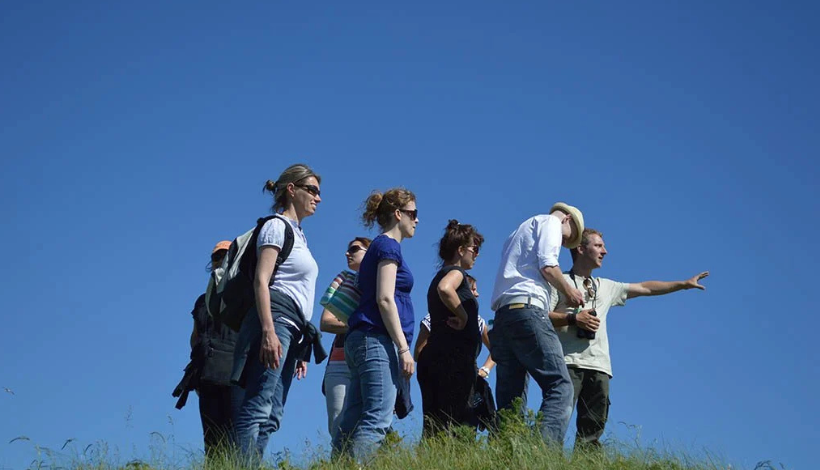
Then there's the social aspect, obvious but worth saying. Travel group communities mean you've got people to share meals with, to debrief the day with over a beer, and to laugh about that thing that went wrong in a way that's only funny because you experienced it together. Some people make friendships that last well beyond the trip. Others enjoy the temporary companionship and move on. Both are valid. The financial side deserves mention too. Group bookings often get discounts. Splitting taxis, sharing dishes at restaurants, booking family rooms or apartments instead of solo hotel rooms: it all adds up. For budget-conscious travellers, joining group tours can make certain destinations actually affordable when they'd be prohibitively expensive solo. Pairing group travel with smart travel hacks to save money in 2026 can help travellers stretch their budgets even further.
What Makes Travel Group Communities Different Now
Five years ago, finding travel groups meant scrolling through general travel forums or joining massive Facebook groups with thousands of members where your post got buried in minutes. 2026's platforms are way more targeted. Are capable of algorithm-based matching based on your travel dates, budget range, activity preferences and sometimes even personality types! Travel buddy matching has gotten surprisingly sophisticated. Some platforms use questionnaires that feel more like dating apps than travel sites. What does your ideal day look like? Morning person or night owl? Structured itineraries or spontaneous exploration? Do you Instagram every meal or keep your phone in your bag? These details matter when you're spending days or weeks with strangers.
Age-specific communities have grown too. Travel group communities differ for one-year gap year 20-somethings, time-poor professionals aged 30 to 40, and comfort & culture-seeking 50+ travellers as well as retirees with both money and time to spare. Mixing ages can work fine, but sometimes people want peers who are at similar life stages with similar energy levels & budgets. Interest-based grouping is huge now. This shift towards niche communities also reflects broader experiential travel trends in 2026, where travellers increasingly prioritise meaningful shared experiences over traditional sightseeing. Gourmet tours, photography-focused itineraries, retreat vacations, wellness outposts, adventure expeditions to unique landforms, focused journeys, cultural immersion experiences, wildlife safaris, and digital nomad collectives. Instead of generic "Let's go to Bali" posts, it's "Looking for others interested in Balinese cooking classes & temple visits" or "Anyone up for surfing & coworking in Canggu?".
How to Find the Right Travel Group

Start by being honest about your travel style. Are you someone who needs a plan, or do you wing it? Do you want to party or have quiet evenings? Museums or beaches? Street food or proper restaurants? Budget hostels or boutique hotels? There are no wrong answers here, but mismatching styles with a group will make everyone miserable. Check what platforms specialise in your demographic & interests. Tourlina focuses on women meeting women for travel. Backpackr suits budget adventurers. Travel ladies are a different vibe, & the user base can include group tours with prearranged plans or less formalised travel groups in which people coordinate but also have a certain degree of independence.
Read reviews & testimonials carefully. Look for specifics: did the group actually match people well? How responsive was communication? Were the logistics of the trip seamless, or were there constant hitches? Vague positive reviews ("Great experience!") mean less than detailed ones explaining what worked & what didn't. Start small if you're nervous. Join a weekend trip or a 3-4 day tour before committing to two weeks abroad with strangers. Many travel group communities offer shorter experiences specifically for testing the waters. If it goes well, scale up. If it's awkward, you've only lost a few days.
Pay attention to group size. Some people thrive in groups of 10-15; others prefer 4-6 max. Larger groups mean more potential friends but also more personalities to navigate, more complicated logistics, and less flexibility. Smaller groups can feel more intimate, but if you don't click with someone, there's nowhere to hide.
Practical Considerations for Group Travel
Money conversations need to happen upfront. What's included in costs? How are shared expenses handled? Who's tracking receipts? Is there a group fund, or do people Venmo each individual thing? Mismatched budgets cause more group friction than almost anything else. Someone who wants 5-star everything and someone scraping by on £30 a day will clash constantly. Communication styles matter. Some groups want daily WhatsApp check-ins; others prefer minimal contact until you meet at the airport. Travellers who prefer structure over constant planning often enjoy Decision-Free Adventures Curated Travel Plans designed to reduce trip stress. Some people want detailed itineraries planned weeks ahead; others like figuring it out as they go. These preferences should be discussed before booking anything.
Solo time within groups is healthy. You don't have to do literally everything together. Good travel groups understand people need breaks, like sleeping in whilst others do a morning hike, sitting out the museum to read in a café, or having an evening alone. Build this expectation in from the start. Emergency protocols should be clear. What happens if someone gets sick? Misses a flight? Has a family emergency? Who makes decisions about changing plans? How are conflicts resolved? These conversations feel awkward but prevent way bigger issues later.
Travel insurance that covers group bookings is essential. If someone backs out last minute, who covers their share of costs? What if the tour company cancels? Individual policies might not protect you adequately for group scenarios, so check coverage carefully.
Things to Know Before Joining
Different commitment levels exist
Some group tours are fully organised: flights booking, hotels booking, and activities are all sorted. Others are just loose collectives where people coordinate but book individually. Know which you're getting into.
Chemistry isn't guaranteed
Even with good matching algorithms, sometimes personalities just don't mesh. It's nobody's fault. Have an exit strategy mentally prepared.
Age ranges can vary
"20s-30s" groups might include a 29-year-old and a 21-year-old with very different energy. Check actual age spreads if this matters to you.
Gender ratios affect dynamics
Some people don't care; others strongly prefer balanced groups or women-only/men-only options. Most platforms let you filter for this.
Refund policies vary wildly
Read cancellation terms carefully. Some platforms offer full refunds up to 30 days out; others are non-refundable once you commit.
Not all platforms are equal
Established travel group communities with track records & reviews beat shiny new apps with no history. Stick to platforms that have been operating at least a year or two.
What to Expect from Group Travel Experiences
The first day or two usually feels a bit awkward. Everyone's sussing each other out, being polite, not quite sure of group dynamics yet. This is normal. By day three things typically click (or don't, but usually they do). Expect compromises. That restaurant you were dying to try might get outvoted. The extra day you wanted somewhere might not fit the group's schedule. You'll do things you wouldn't have chosen solo, which can be good or annoying depending on perspective & how flexible you are.
Travel buddy matching through these communities often leads to unexpected friendships. People you'd never meet in your regular life become travel companions & sometimes lifelong mates. The shared experience of navigating foreign places creates bonding that's hard to replicate elsewhere. Conflicts will probably happen at some point. Someone's late constantly. Someone's messy. Someone's loud. Someone drinks too much. Someone's on their phone constantly. These are humans being humans. How the group handles small conflicts determines if they escalate or get resolved smoothly.
The best group trips, according to people who do this regularly, balance structure & freedom. Enough planned activities so that logistics aren't stressful and enough free time so that people can breathe. When booking through platforms like EaseMyTrip, look for group tours that explicitly build in this balance rather than scheduling every single hour. You'll collect stories & inside jokes that won't make sense to anyone who wasn't there. These become the highlights people talk about years later: the random adventure that went sideways, the local who adopted the group, and the meal that was either amazing or terrible (everyone remembers it differently).
Frequently Asked Questions
How do travel group communities handle safety & verification?
Most established platforms now require ID verification, sometimes even background checks for certain trips. Review systems let past travel companions rate experiences. Video profiles help gauge if someone seems genuine. That said, use common sense: Google people, trust your gut, and share travel plans with someone back home. Reputable travel group communities take safety seriously, but you're still meeting strangers initially.
What if I don't get along with the group?
Awkward, but it happens. Smaller issues can often be managed by spending less time together doing your own thing for a day, skipping group dinners occasionally. Bigger personality clashes might mean politely excusing yourself from group activities entirely whilst still being civil. Worst case, you can leave early if it's genuinely unbearable, though you'll likely lose money on bookings. Prevention helps: communicate clearly upfront about expectations & travel style.
Are group tours more expensive than independent travel?
Sometimes yes, sometimes no. Organised group tours include markups for coordination & guides, but you get bulk-booking discounts & avoid solo supplements. DIY travel groups where people just coordinate & book individually can be quite budget-friendly through shared costs. It depends entirely on what type you choose & your comparison point. Budget group tours can actually cost less than solo travel to the same destination.
Can I join travel groups if I'm an introvert?
Absolutely. Many introverts use travel buddy matching specifically because it solves the loneliness problem without requiring constant socialising. Look for smaller groups (4-6 people), trips with built-in downtime, and communities that explicitly welcome introverts. Communicate your social battery needs upfront—most people appreciate honesty about needing quiet time. Some of the best travel companions are introverts who get this balance.
What age ranges work in travel groups?
Really depends on the trip & people involved. Some travel group communities are very age-specific (18-29, 30-45, 50+); others mix widely. Generation gaps can be interesting or awkward depending on the vibe. Generally, shared interests matter more than exact ages—a 28-year-old & a 42-year-old who both love hiking might mesh better than two 30-year-olds where one parties constantly & one doesn't drink. Filter for what matters to you.
Conclusion
The right travel group can transform a trip from "fine I guess" to genuinely memorable. It's worth taking time to find your people rather than just joining the first group that has space.






 May 12, 2026
 Share
Share
 Download as PDF
  From
From 
 Departure Date
 Travellers & class
 Rent For
 Departure Date







 Share
Share
{{cmnt.comment}}