Radical rest travel is redefining the way people recover from stress and burnout by prioritising stillness, sleep, and slow living over packed itineraries and constant sightseeing. Unlike traditional holidays that often leave travellers exhausted, restorative vacations focus on genuine mental and physical recovery through quiet destinations, minimal schedules, and low-pressure experiences. From peaceful Indian escapes like Coorg, Tirthan Valley, Varkala, and Majuli to global wellness destinations such as Kyoto, Bali, and Tuscany, radical rest travel encourages travellers to slow down, disconnect from constant demands, and restore work-life balance. As burnout becomes increasingly common among professionals, more travellers are embracing slow travel, wellness retreats, and restorative breaks that improve mental wellbeing, productivity, and long-term health.
At some point, travel stops feeling like a break and starts feeling like another thing on the list. Early flights, packed itineraries, a new city every other day. It looks good in theory. In practice, you come back needing a holiday from your holiday.
That's the gap that radical rest travel is filling. Not more destinations. Not better planning. Just the deliberate, unapologetic act of stopping. For a lot of people dealing with exhaustion that won't shift, burnout recovery travel isn't a trend they're following. It's something they've arrived at because nothing else has worked.For many professionals, understanding how travel helps reduce stress and burnout is becoming an essential part of maintaining long-term mental wellbeing.
What Is Radical Rest Travel
The idea is straightforward. Rest is the plan. Not a side effect of the trip. The whole point of it.
Where traditional travel organises days around sightseeing, movement, and experiences, radical rest travel organises them around sleep, quiet, and as little obligation as possible. Gentle walks if you feel like it. Meals without a reservation or a time pressure. Long mornings that don't need to become anything.
This sits close to what people mean when they talk about restorative vacations or burnout recovery travel, but radical rest goes a step further. It removes the expectation to optimise the trip entirely. You're not there to make the most of it. You're there to recover.
The measure of success isn't what you saw. It's how you feel on the way home.
Why More Travellers Are Choosing Rest Over Exploration
Burnout rarely announces itself. It accumulates. Long hours, fractured sleep, a baseline tiredness that a weekend can't touch. And then someone books a ten-day trip to fix it and comes back more depleted than before.
Burnout recovery travel has gained real traction because people are starting to understand something that sounds obvious once you hear it: activity is not rest. A busy holiday is still busy. A packed itinerary is still a set of demands on your attention and energy, just in a different location.This is also why many travellers now believe that taking a trip is the best cure for burnout when everyday routines become mentally exhausting.
What radical rest travel does differently is remove the pressure to perform the trip. No best-of lists to get through. No guilt about the museum you didn't visit. Just time, and the permission to use it however your body needs.
What a Radical Rest Travel Experience Actually Looks Like In India
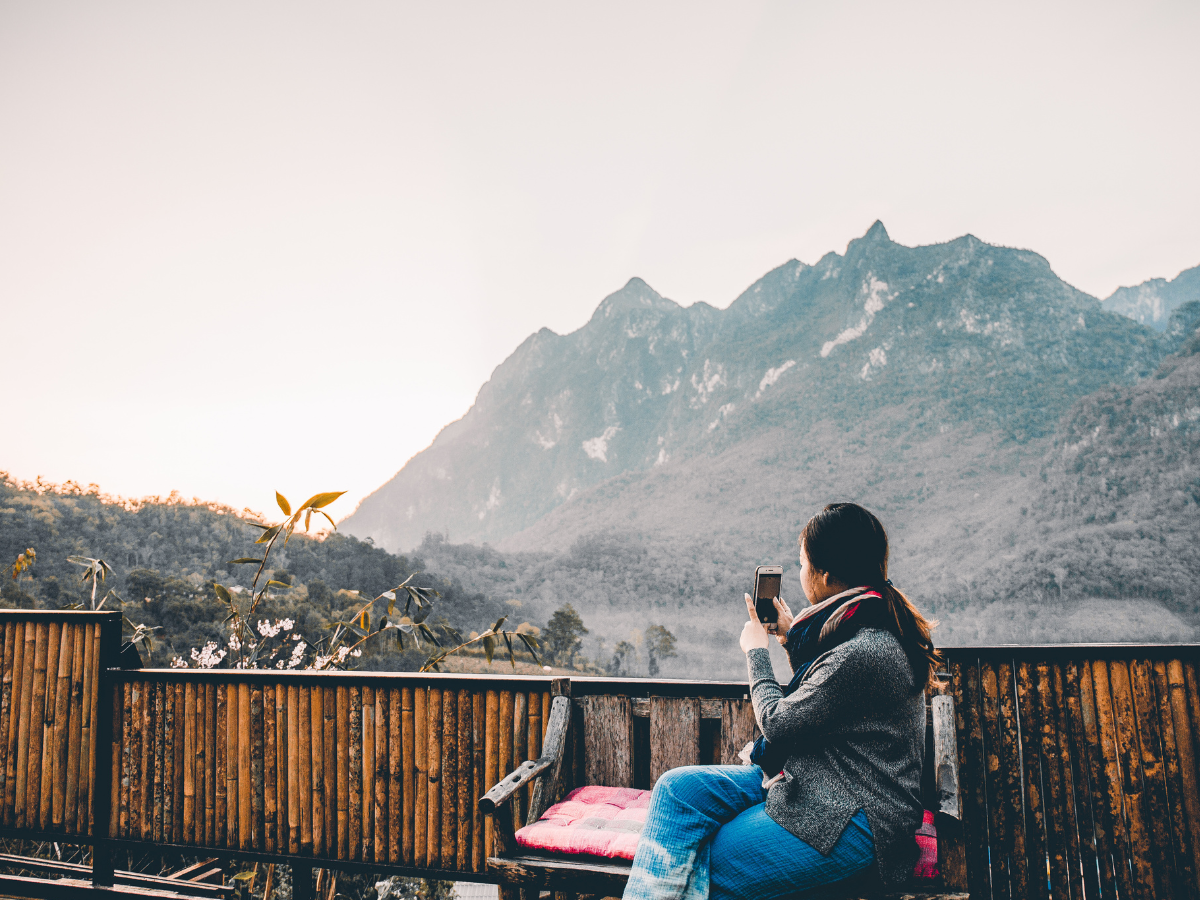
There's no strict template, and that's intentional.
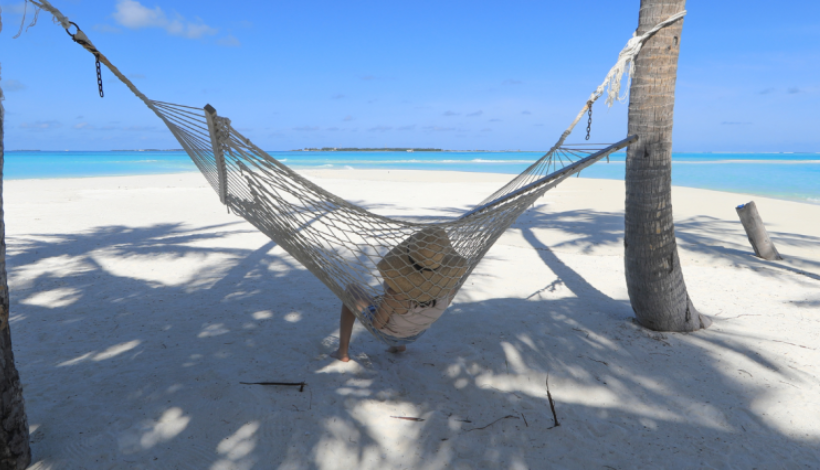
A day on a restorative vacation might involve waking up without an alarm and staying in bed a little longer than feels justified. Sitting outside with a drink and no particular agenda. A slow walk that doesn't have a destination. An afternoon that disappears into a book or a nap or just watching the light change.
Very little structure. Purposefully.This slower pace closely reflects the growing appeal of slow travel and spending a month in one city rather than constantly moving between destinations.
Rest retreats tend to be built around exactly this rhythm. Quiet environments, minimal group activity, and spaces designed for stillness rather than stimulation. The first day often feels uncomfortable, like you're waiting for the real trip to start. But the body adjusts faster than you'd expect. By day two or three, the pace begins to feel natural rather than empty.
Best Places for Radical Rest Travel
Location matters more than people account for when planning this kind of trip. Not every destination supports genuine rest, and the wrong environment can undo the intention entirely.
What works for radical rest travel tends to share a few qualities. Low noise. Limited crowds. Natural surroundings that don't demand anything from you. A pace of life that doesn't feel like you're fighting it.
Here are some of the destinations that genuinely deliver on that:
Coorg, Karnataka
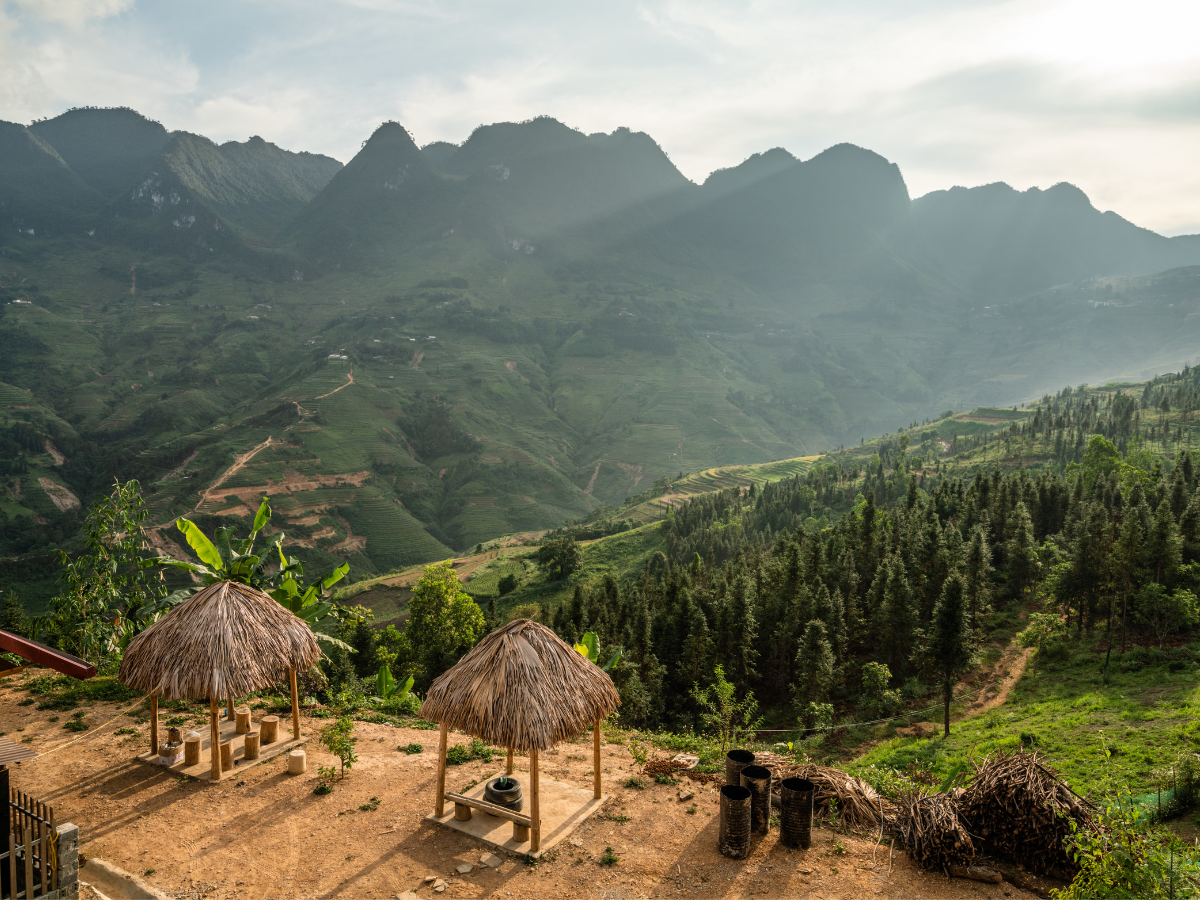
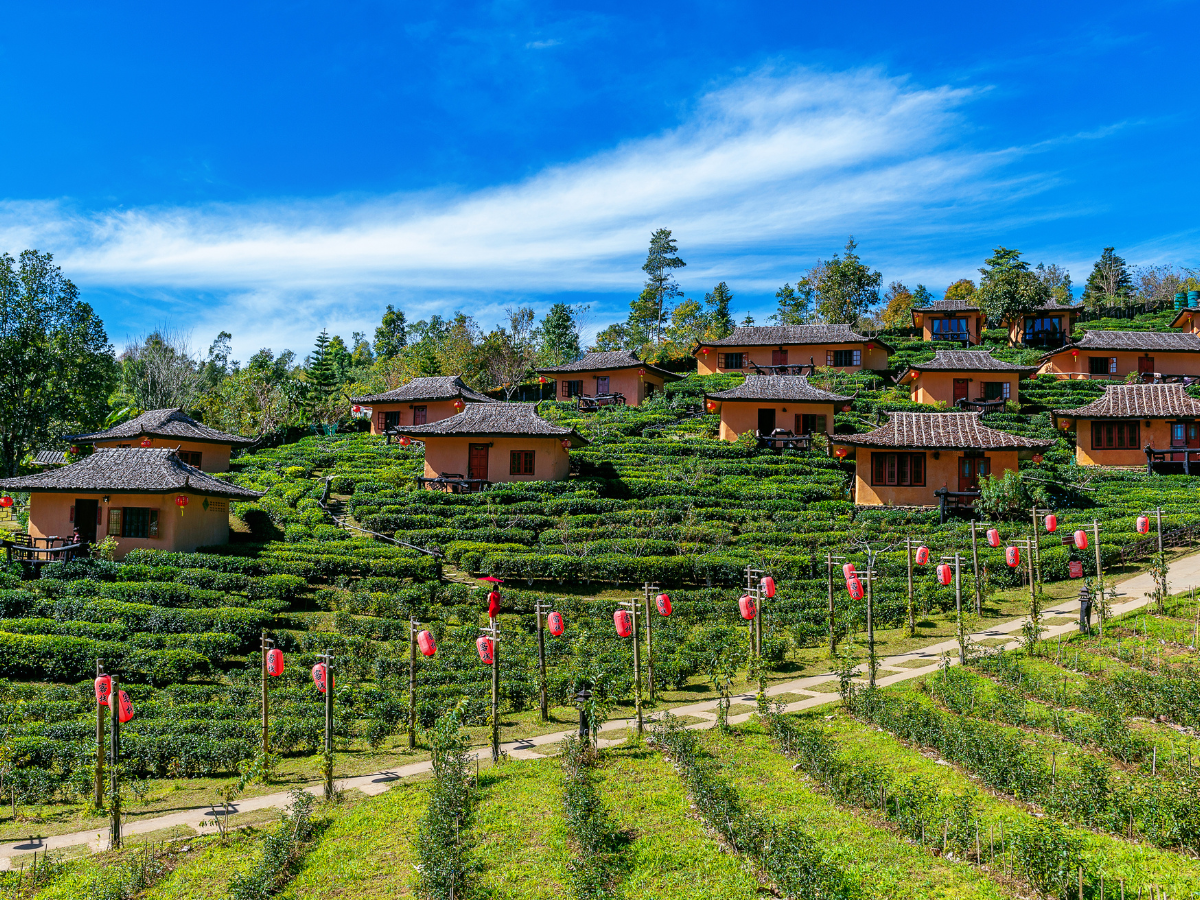
Coorg doesn't rush you. Coffee estates stretch across rolling hills, the air is cool even in summer, and the whole place operates at a pace that makes urgency feel out of place. There are no landmark attractions pulling you from one end to the other. What Coorg offers instead is texture: mist in the mornings, the smell of coffee and cardamom, long evenings with very little to compete for your attention. For radical rest travel, it's one of the most instinctively right destinations in India.
Tirthan Valley, Himachal Pradesh
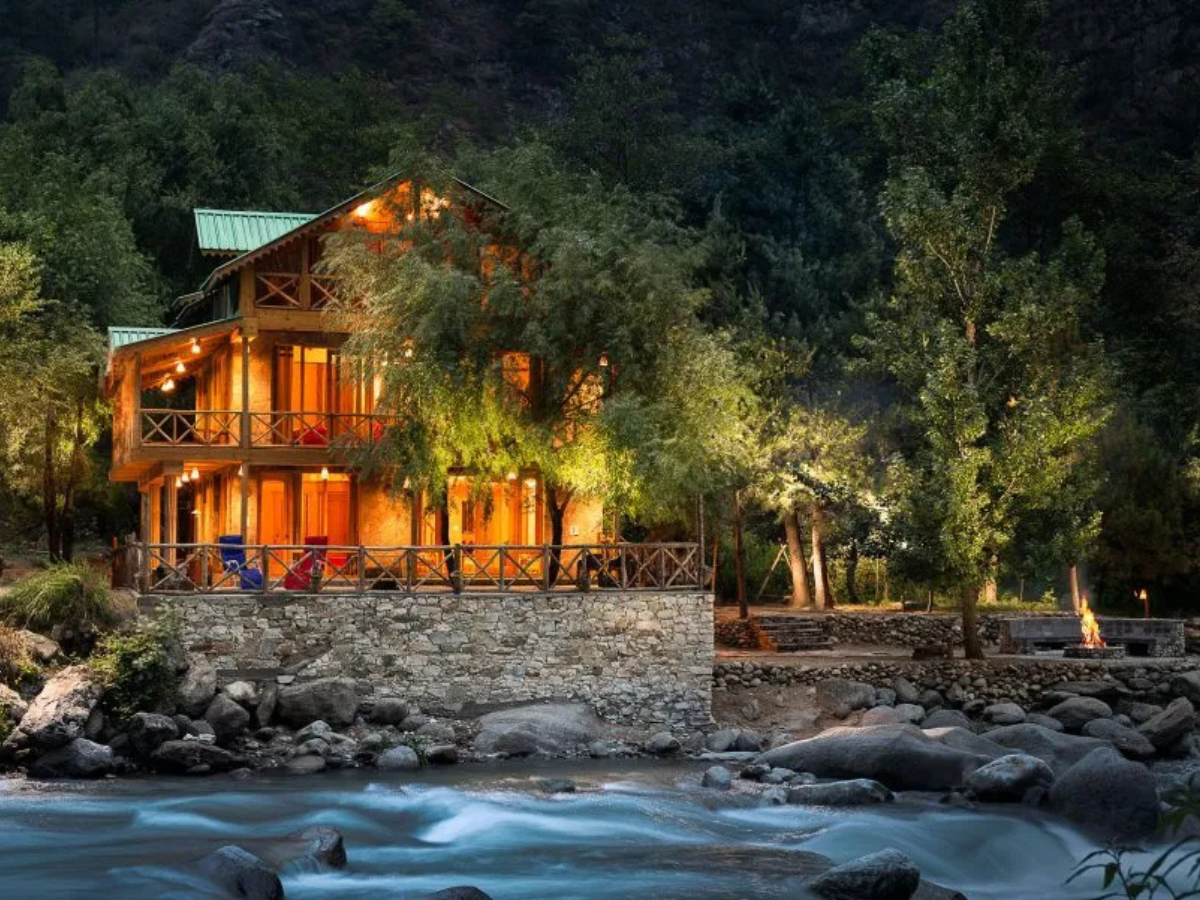
Most people who end up in Tirthan Valley didn't know it existed until someone who'd been there wouldn't stop talking about it. It sits on the edge of the Great Himalayan National Park, largely non-motorable and genuinely quiet. The river runs through the valley with a consistency that works better than white noise. Boutique stays here are small, locally run, and built for people who want to slow down rather than check things off. Mobile connectivity is limited, which sounds like a drawback until you've been there for a day.
Gokarna, Karnataka
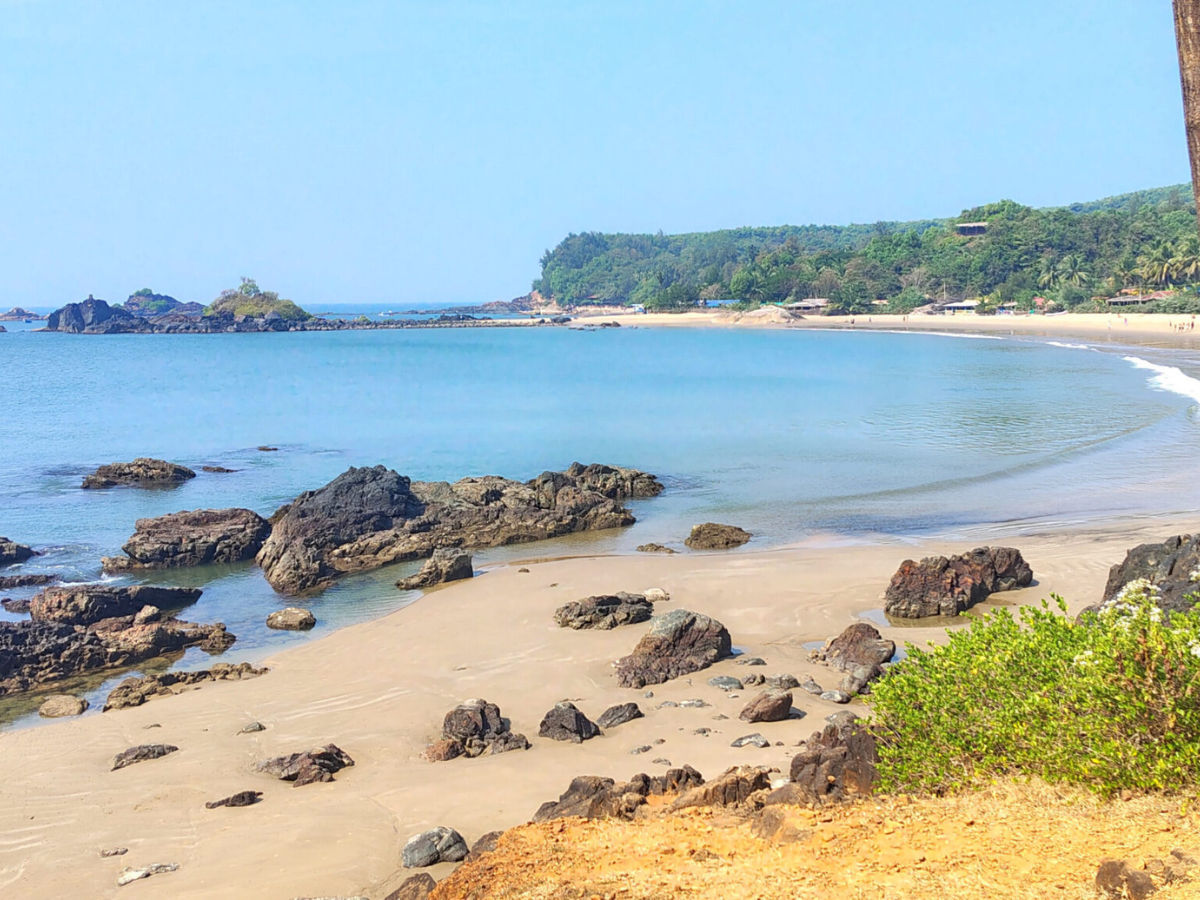
Goa's more relaxed neighbour. Gokarna has beaches that take effort to reach, which means they stay quieter than most. The town itself has a gentle rhythm, shaped partly by its significance as a pilgrimage site. There's no nightlife infrastructure pulling the energy in a direction that doesn't suit rest. Mornings on Om Beach or Half Moon Beach with very little to navigate make Gokarna one of the more effective coastal options for restorative vacations in India.
Chopta, Uttarakhand
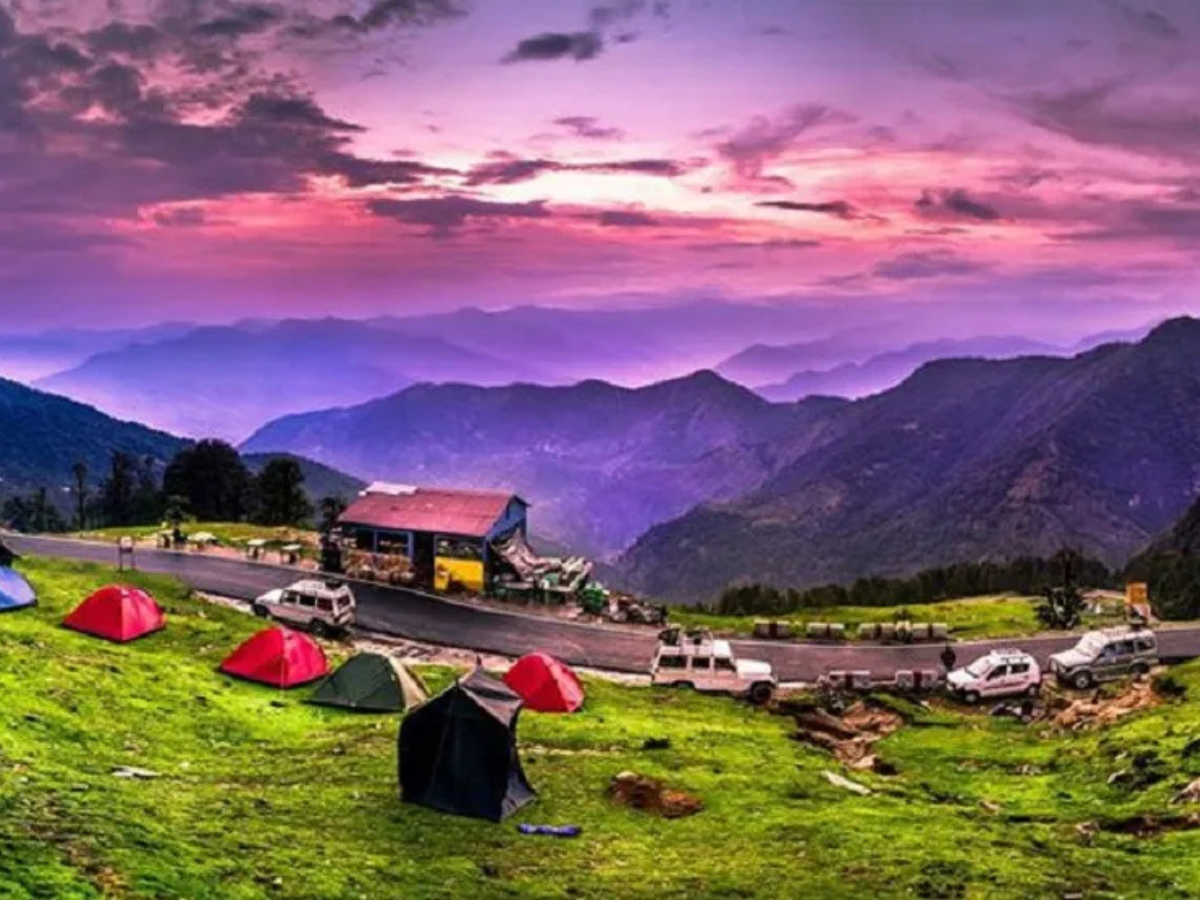
Often called Uttarakhand's mini Switzerland, Chopta sits at around 2,700 metres and is blanketed in dense forests of oak, rhododendron, and pine. It sees a fraction of the footfall that Rishikesh or Mussoorie receive, which is exactly the point. In winter, snow covers the meadows and the silence becomes something you can almost feel. For burnout recovery travel that involves genuine stillness, Chopta delivers it without requiring much in return.
Varkala, Kerala
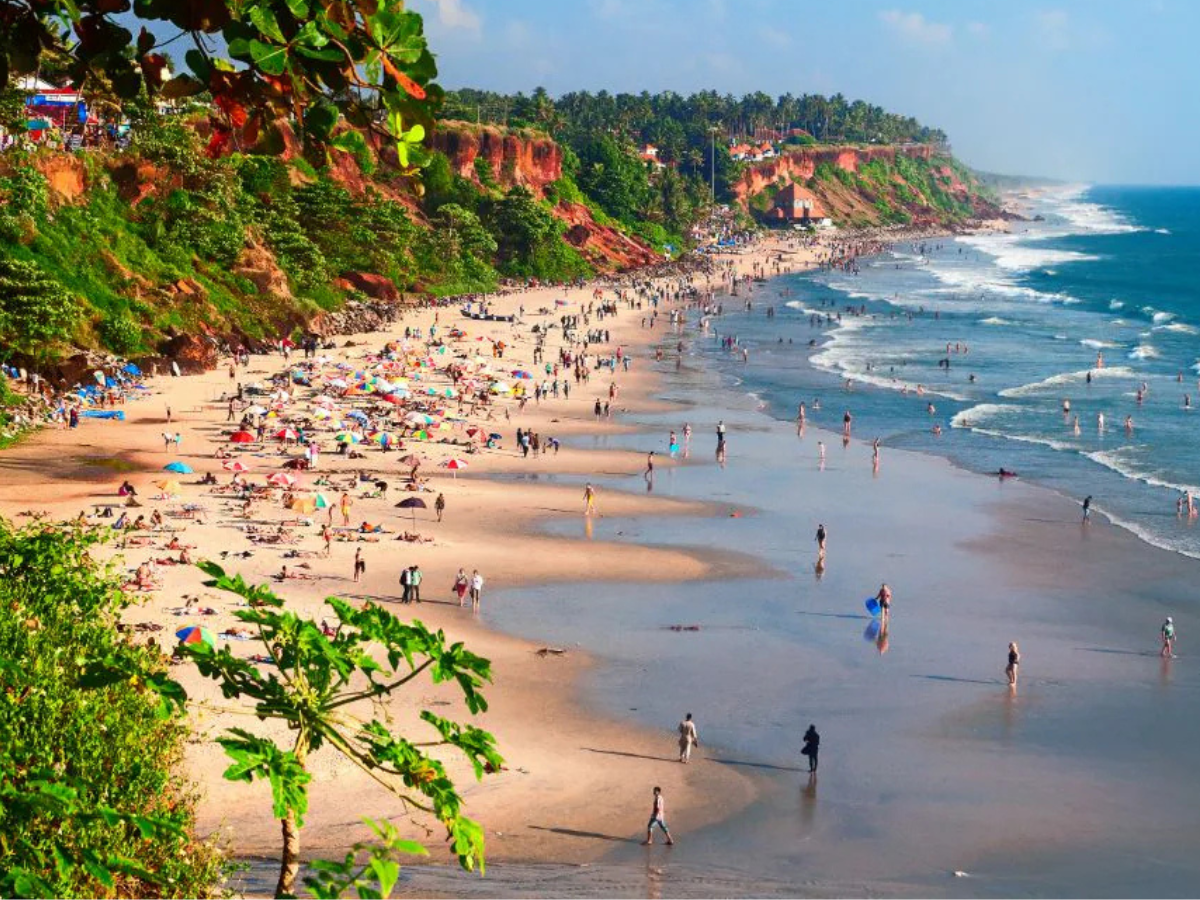
Varkala works differently from most beach destinations. The clifftop setting creates a natural separation from the beach below, and the town has never tipped into the kind of tourism density that makes relaxation feel effortful. The Arabian Sea is visible from almost everywhere, the pace is slow by default, and the ayurvedic tradition in this part of Kerala means rest retreats here often come with a layer of physical restoration built in. It's a place that seems to understand what people come for.
Pelling, Sikkim
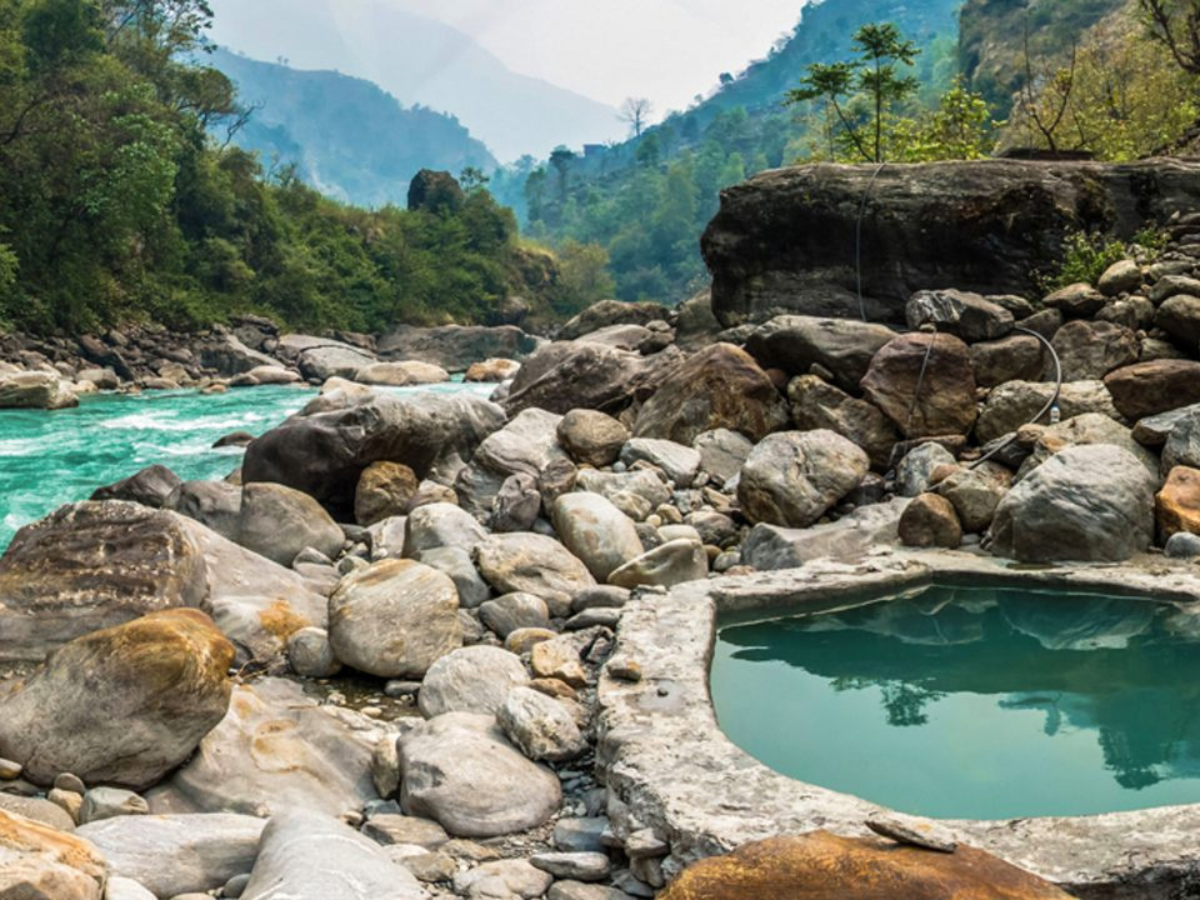
Pelling sits at an altitude that keeps it cool year-round and offers unobstructed views of the Kanchenjunga range on clear days. It's far enough from the main tourist circuits to feel genuinely unhurried, and the drive up from Gangtok through cloud forest and small villages is itself a kind of decompression. There are no malls, no crowds, and no pressure to fill the hours. Just mountains, monastery bells in the distance, and mornings that start slowly by default.
Hampi, Karnataka
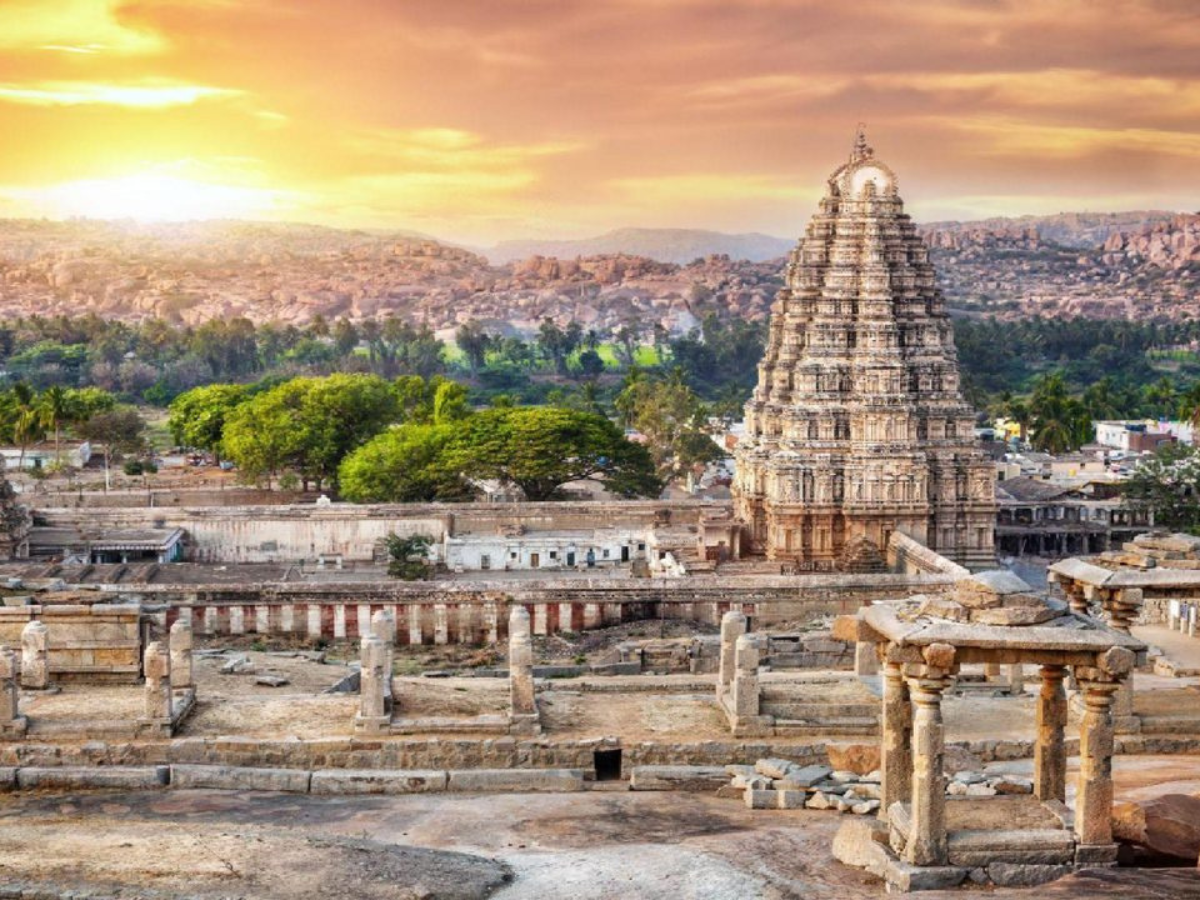
Hampi is an unusual addition to this list but an honest one. The ruins of the Vijayanagara Empire spread across a boulder-strewn landscape that slows you down physically before it does so mentally. The light here at dusk is extraordinary, the Tungabhadra River runs quietly through it all, and the absence of a conventional tourist infrastructure means the pace is set by the place rather than by an itinerary. For travellers who need a change of mental scenery as much as physical rest, Hampi earns its place among the best destinations for radical rest travel.
Majuli, Assam
The world's largest river island sits in the Brahmaputra and operates on a rhythm that most of India seems to have left behind. Satras, the neo-Vaishnavite monasteries that define island life here, bring a particular quiet to the place. There are no chain hotels, no tourist crowds, and no urgency. Majuli asks very little of you and offers a kind of stillness that's increasingly hard to find. For rest retreats that go beyond just slowing down and actually step into something unfamiliar, Majuli is worth the journey.
The common thread across all of these destinations isn't luxury or remoteness for its own sake. It's that each place makes rest feel like the natural default rather than something you have to work to achieve. That's what the right destination does for radical rest travel. It removes the effort of slowing down.
Popular Radical Rest Travel Experiences Around The World
Radical rest travel looks different depending on where you go. The setting shapes the quality of rest more than most people account for when planning. Here are some of the destinations that have built genuine reputations for delivering the kind of stillness that actually works.
Ubud, Bali, Indonesia
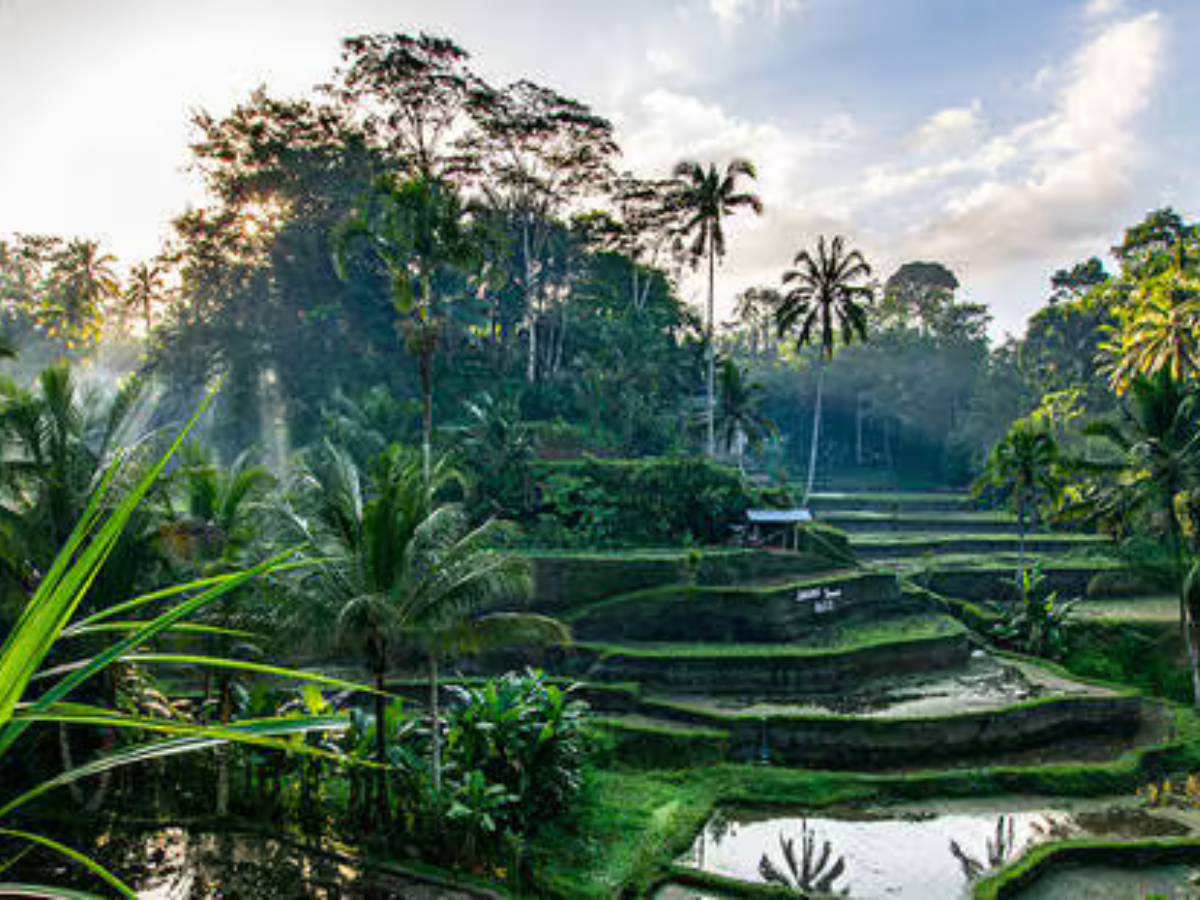
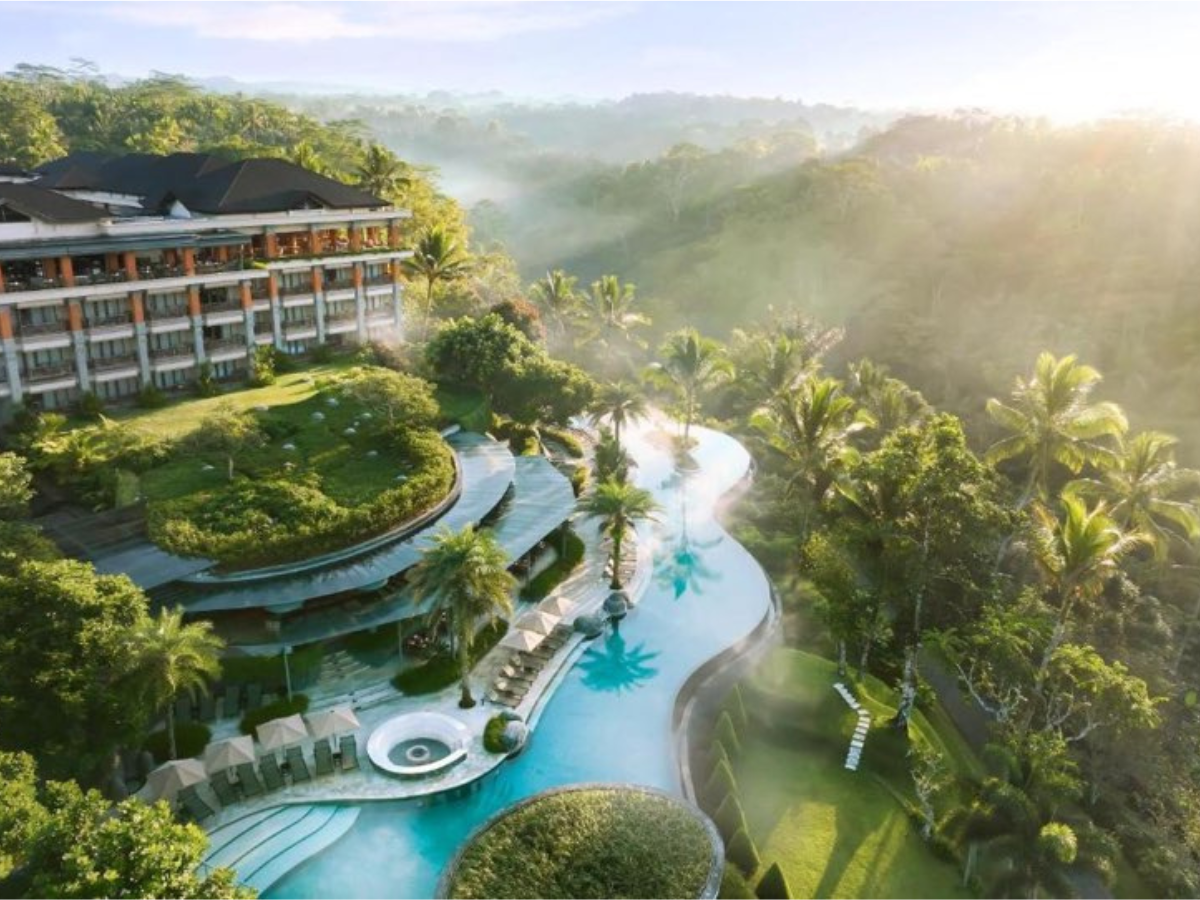
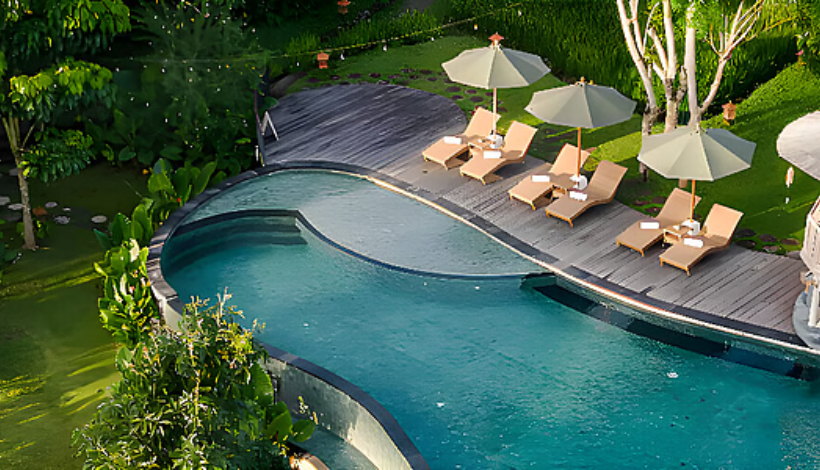
Ubud sits in the highlands of Bali, away from the beach crowds that have made the island's southern coast increasingly difficult to rest in. Rice terraces, forest temples, and a pace of life that genuinely slows you down make it one of the most instinctively right places for burnout recovery travel. Rest retreats here combine traditional Balinese healing practices with yoga, silence, and long mornings that don't need to become anything. The surrounding jungle does a significant portion of the work before any treatment begins.
Kyoto, Japan
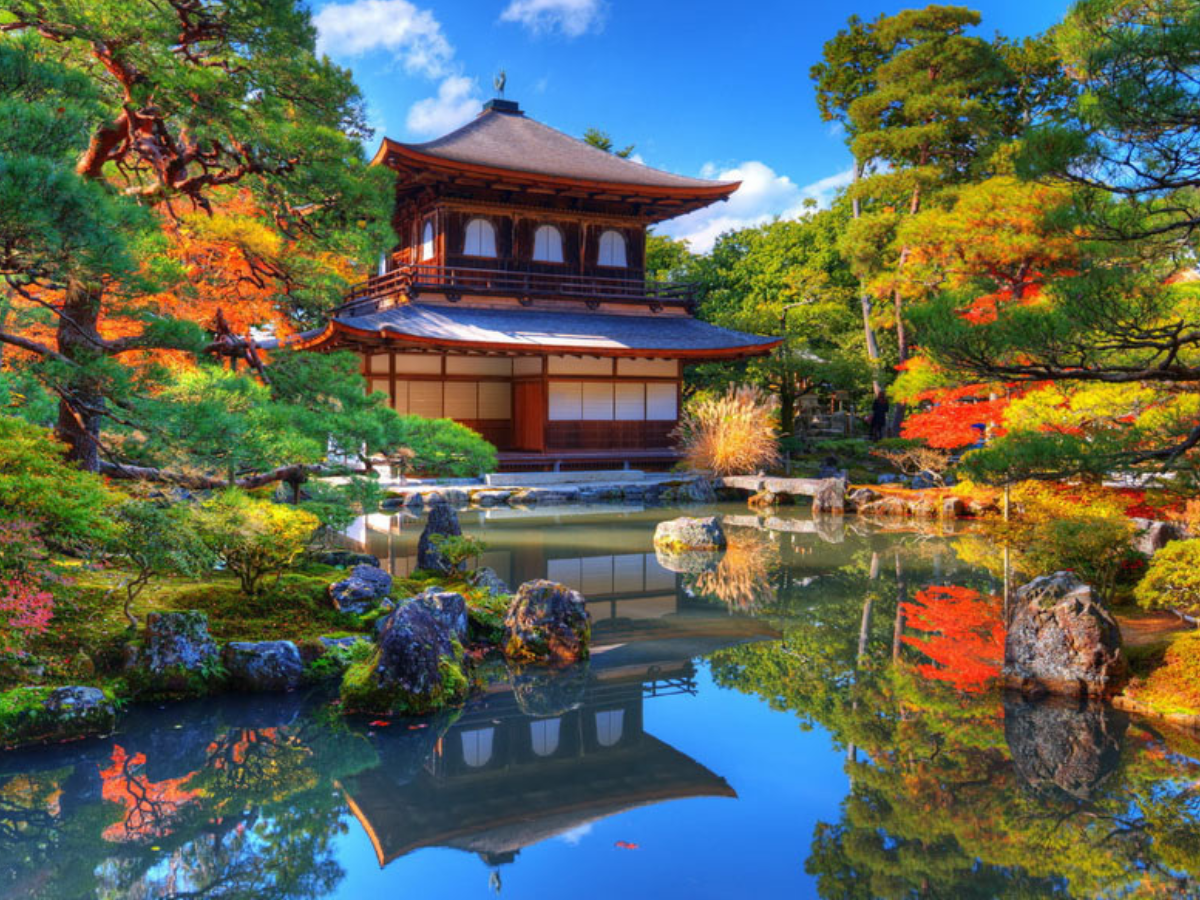
Kyoto operates at a pace that most modern cities have entirely forgotten. Zen gardens designed specifically for contemplation, temple grounds where silence is taken seriously, and a cultural rhythm that values stillness over stimulation make it one of the most effective radical rest travel destinations in the world. Staying in a traditional ryokan, where meals are brought to your room, baths are part of the daily ritual, and there is genuinely nothing required of you, is one of the more complete restorative vacation experiences available anywhere.
Alentejo, Portugal
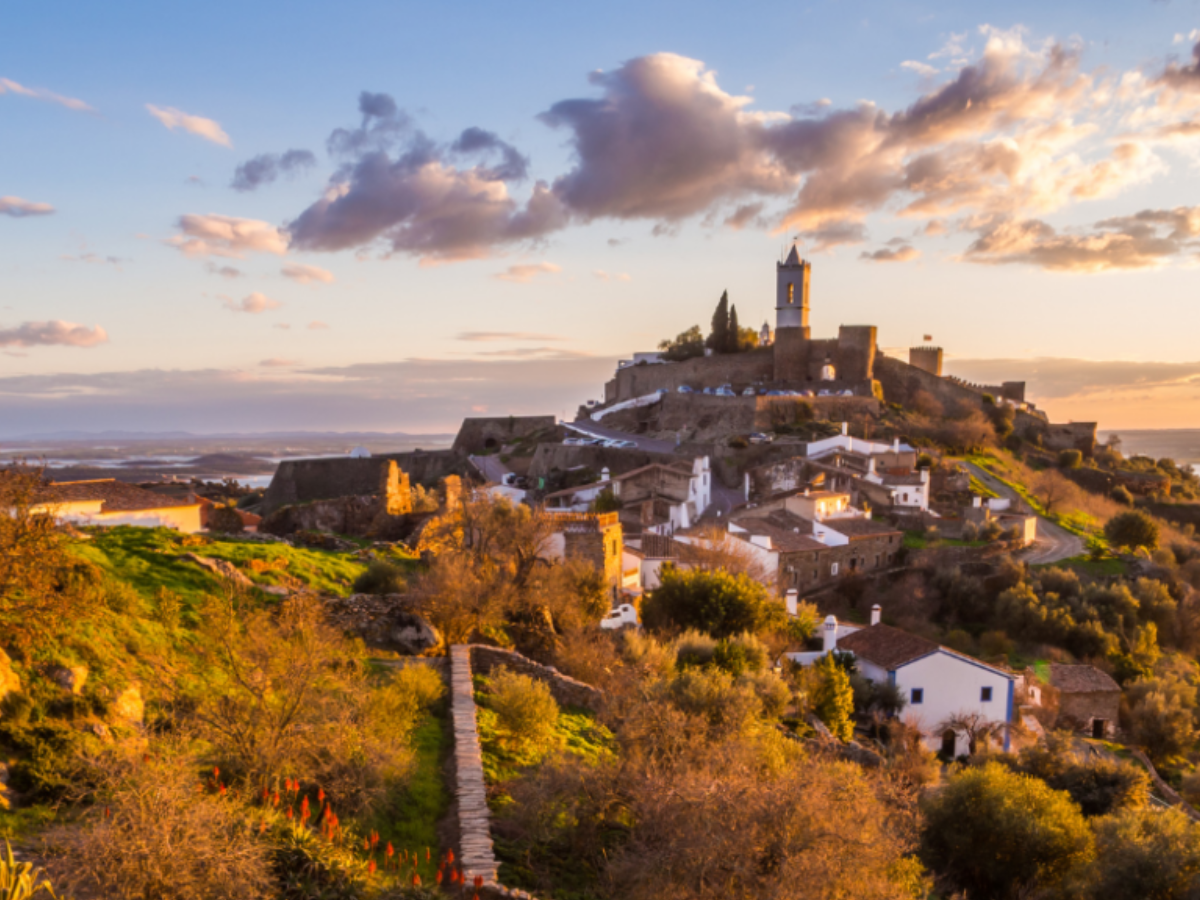
Alentejo is Portugal's interior, and most visitors to the country never reach it. That's exactly what makes it work. Rolling cork forests, whitewashed villages, and long afternoons with no particular agenda define the region. Rest retreats in converted farmhouses here offer the kind of agricultural quiet that strips away city noise completely. No major attractions, no itinerary pressure, no reason to be anywhere specific. For burnout recovery travel in Europe, Alentejo consistently delivers what more famous destinations promise but rarely manage.
Hokkaido, Japan
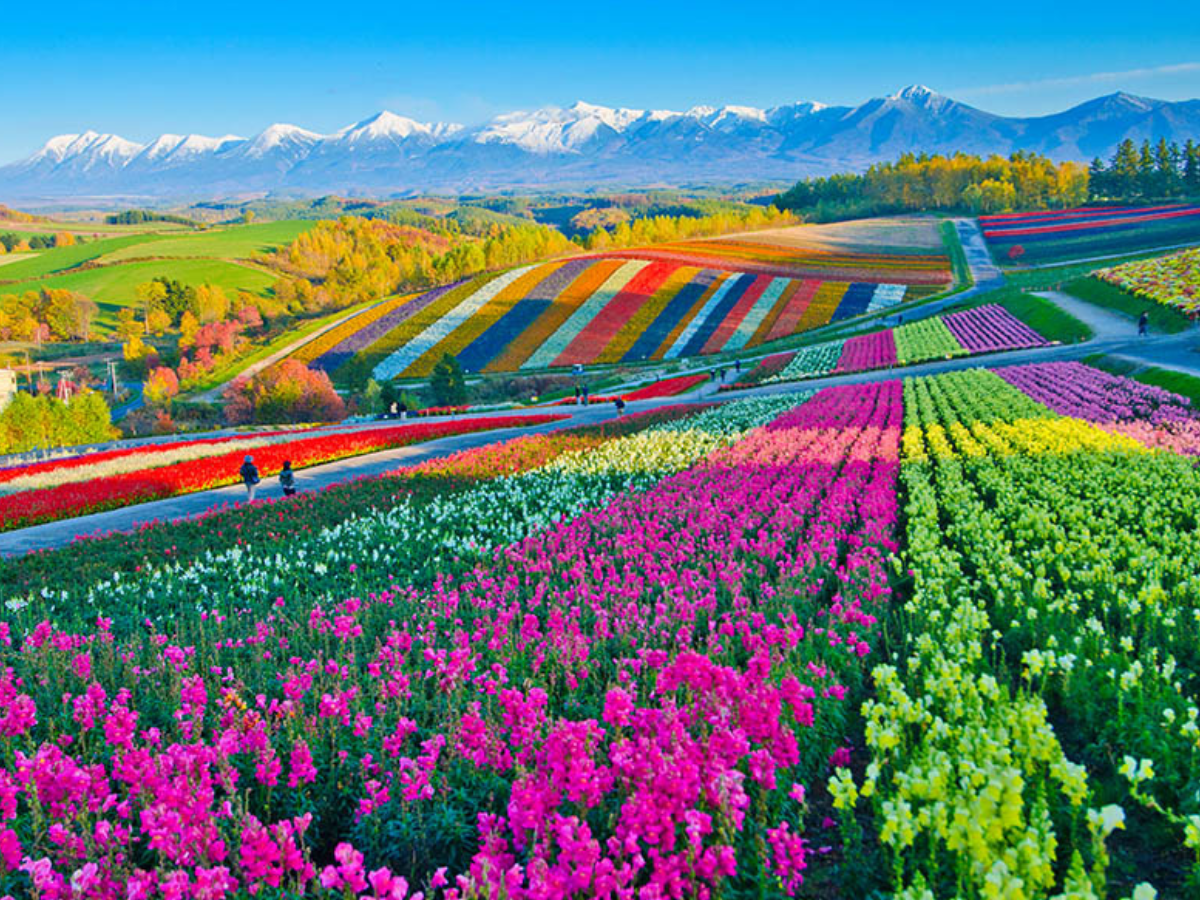
Japan's northernmost island offers a version of radical rest travel that's harder to find in the country's busier regions. Lavender fields in Furano, thermal onsen towns like Noboribetsu, and vast open landscapes that see a fraction of Honshu's tourist footfall create the conditions for genuine rest. The onsen culture here is particularly suited to restorative vacations. Soaking in natural hot springs, eating simple seasonal food, and sleeping deeply in cool northern air addresses the physical side of burnout in ways that more activity-focused trips don't.
Kerala Backwaters, India
Drifting slowly through Kerala's backwaters on a private houseboat is one of the more meditative rest retreats available within India. There's no destination. The journey is the point. Coconut palms line the banks, kingfishers sit on low branches, and local life unfolds along the water's edge in a rhythm that has nothing to do with tourism. A few days on the backwaters with a private chef, no schedule, and no reason to hurry anywhere is exactly what radical rest travel is built around.
Faroe Islands
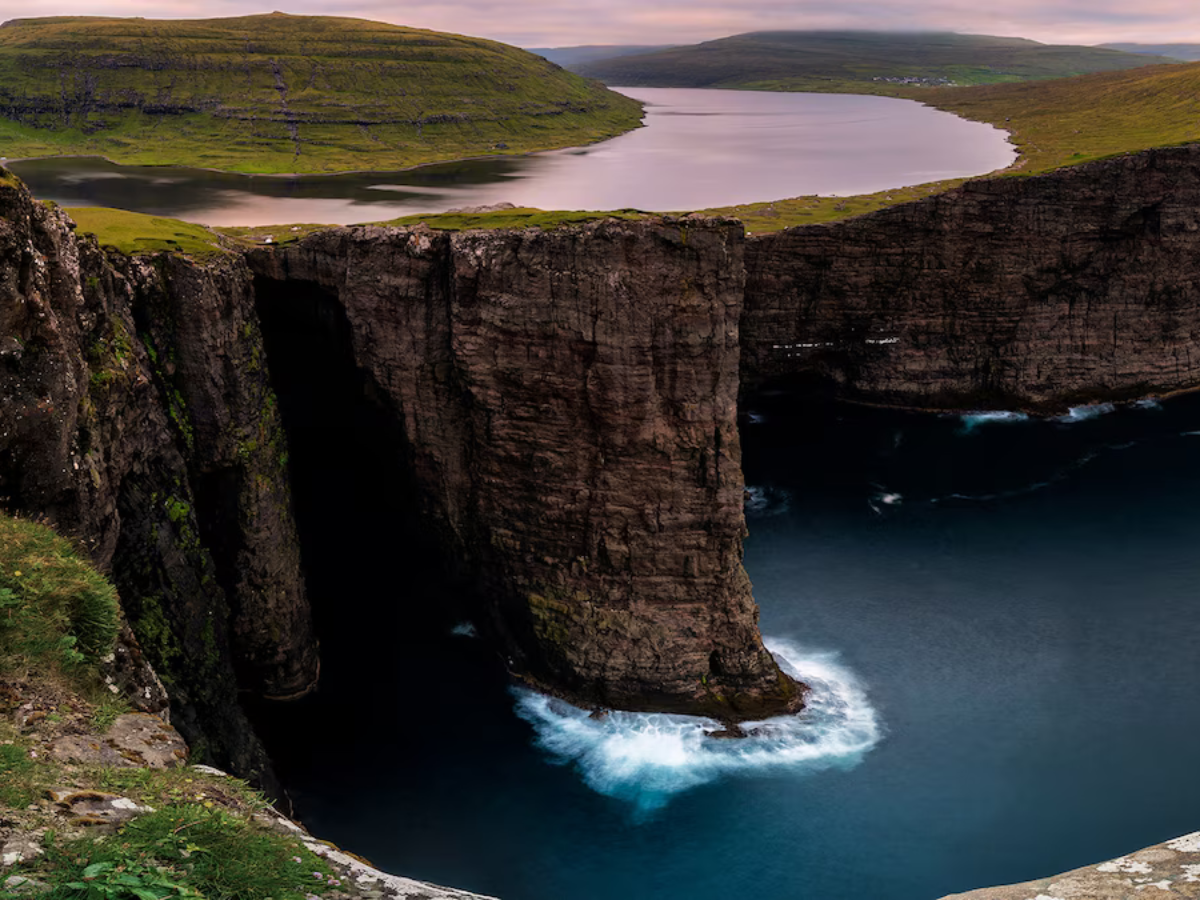
The Faroe Islands are not for everyone, which is precisely why they work for radical rest travel. Dramatic cliffs, waterfalls that fall directly into the North Atlantic, and a population small enough that the islands never feel crowded create an environment of raw, uncomplicated quiet. There is very little to do in the conventional tourist sense. That absence is the entire point. Restorative vacations here tend to involve long walks, long silences, and the particular mental clarity that comes from being somewhere genuinely remote.
Tuscany, Italy
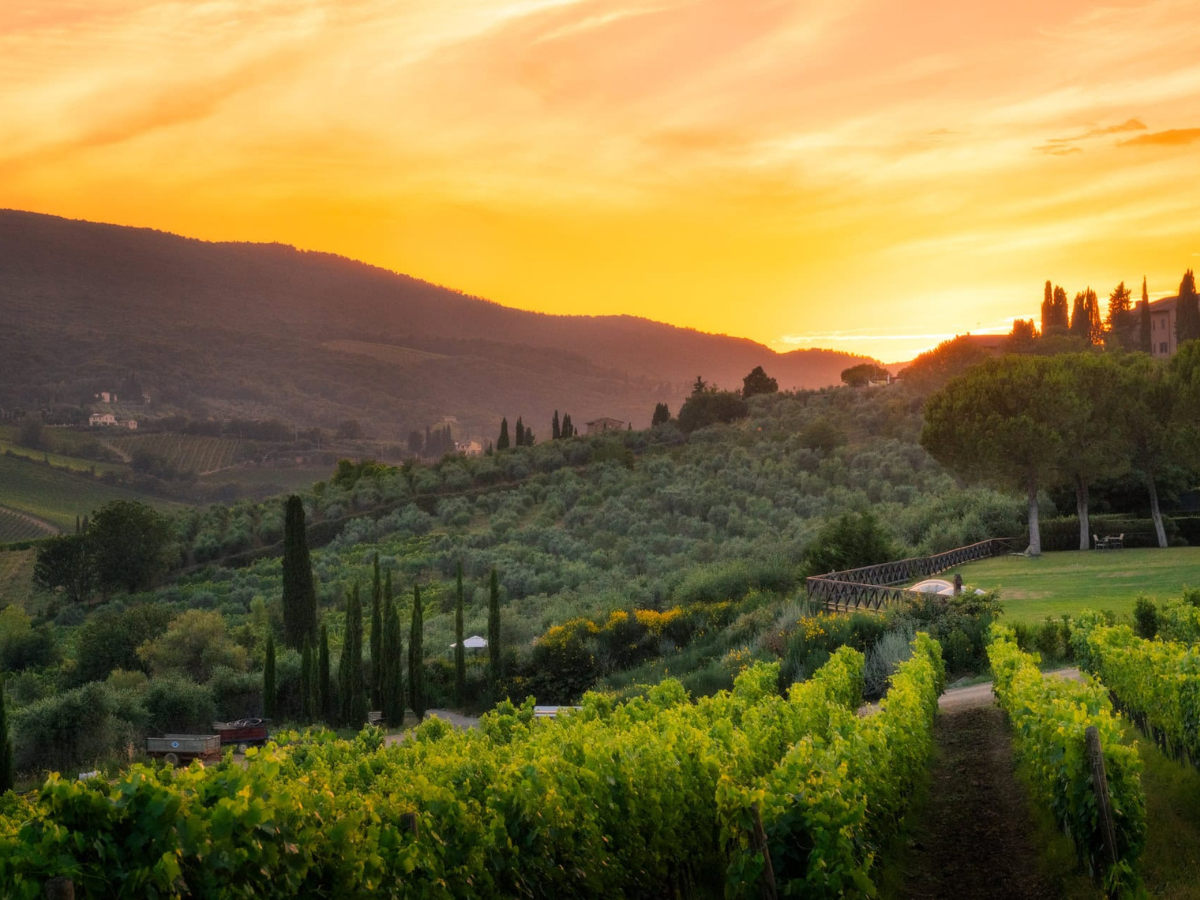
Tuscany makes this list not for its famous art cities but for its countryside. Agriturismo stays on working farms in the Val d'Orcia and Chianti regions offer a version of slow living that strips away almost all decision-making. Meals follow the season. Days follow the light. There's wine, there's olive oil, there's very little noise. For radical rest travel with a European setting, rural Tuscany delivers a quality of stillness that Florence and Siena, for all their beauty, simply don't.
Spiti Valley, Himachal Pradesh, India
At 4,000 metres and above, Spiti demands a slower pace before it offers anything. The altitude does the work of slowing visitors down physically, and the landscape does the rest mentally. Ancient monasteries, mud villages, and a silence that becomes almost tangible after a few days make Spiti one of the more unusual but genuinely effective restorative vacation destinations in India. Mobile connectivity is limited. The roads are long. Both of those things, which would be problems elsewhere, become features here.
Signs You Might Need Burnout Recovery Travel
Most people wait longer than they should to acknowledge this.
If rest days don't leave you feeling rested, if sleep isn't doing what it's supposed to do, if small decisions feel heavier than they should, or if the idea of planning a trip feels exhausting rather than exciting, these are worth paying attention to.
Burnout recovery travel isn't only for people who've hit a wall completely. It's also for people who can see the wall coming and want to course-correct before they reach it. Catching it early makes the recovery shorter and the trip itself more effective.More companies and professionals are also recognising the value of corporate burnout recovery trips to improve mental recovery and productivity.
How to Plan a Restorative Vacation
The planning process for restorative vacations requires a different approach than most trips.
Choose the right location. Cities with constant activity and noise work against the goal. Quieter, slower environments give you a head start.
Leave the itinerary mostly empty. One or two loose plans across several days is more than enough. The rest should be open.
Set boundaries around screens. Not necessarily a full digital detox, but deliberate limits. Work email off. Notifications down. The phone in another room at night.
Prioritise comfort over experience. Good sleep, unhurried meals, a comfortable environment. These matter more than a bucket list activity.
Give it enough time. Short trips can help, but they often don't give the nervous system enough time to genuinely settle. A few extra days make a noticeable difference in any serious burnout recovery travel plan.Many travellers find that intentional breaks like these also help in restoring a healthier work-life balance through travel over time.
Common Mistakes in Radical Rest Travel
The habits that cause burnout tend to follow people into the trip that's supposed to fix it.
Turning rest into a schedule. Trying to use downtime productively. Adding activities because the stillness feels uncomfortable. Feeling guilty for doing nothing and then doing something to relieve that guilt.
These patterns are understandable. But they're also exactly what radical rest travel is trying to interrupt. The hardest part of this kind of trip isn't finding the right place. It's allowing yourself to actually be there without turning it into a project.This is exactly why experts increasingly recommend travel breaks that improve career performance instead of waiting until burnout becomes unmanageable.
FAQs About Radical Rest Travel
What is radical rest travel and how is it different from regular travel? Radical rest travel is built around recovery rather than activity. Regular travel, even the enjoyable kind, still makes demands on your energy and attention. Radical rest travel removes those demands entirely. There's no itinerary to keep up with, no sightseeing pressure, no expectation to return with a highlight reel. Just time and space to actually recover, which is something most holidays don't genuinely offer.
Who should consider burnout recovery travel? Anyone who's been running on low for a while. Burnout recovery travel is particularly useful for people in high-pressure roles, those who haven't had a meaningful break in months, or anyone who notices that their rest days aren't actually restoring them. You don't need to be at the point of complete exhaustion to benefit.In fact, many experts now explain why every professional needs a travel break before stress begins affecting productivity and wellbeing. In fact, going earlier tends to make the recovery faster.
How long should a restorative vacation be? At least four to seven days, ideally. The first couple of days are often spent decompressing, and the actual rest doesn't kick in until the body starts to believe it's safe to slow down. Shorter trips can help at the margins, but they rarely give you enough time to genuinely shift out of the pattern that led to burnout in the first place.
Are rest retreats better than planning your own trip? Rest retreats have a practical advantage: the decisions are already made for you. Where to eat, what the day holds, how the environment is set up. That removal of decision-making is itself restful. But a self-planned trip can work just as well if you're genuinely committed to keeping it simple and resisting the urge to fill the days.
What kind of places work best for radical rest travel? Quiet, low-stimulation environments. Mountains away from busy towns, small coastal villages, forest stays with limited connectivity. The common thread is that these places don't demand anything from you. They're easy to be in without feeling like you're missing something.
Is radical rest travel suitable for solo travellers? Often ideal for it, actually. Solo travel removes social obligation and lets you move entirely at your own pace. No compromising on wake times, meal schedules, or how much silence is acceptable in a day. For people recovering from burnout, that level of control over the environment can make a real difference.
Can radical rest travel include activities? Yes, as long as they stay low-effort and genuinely optional. A slow walk, reading, sitting outside, a long meal. The test is whether the activity requires effort or energy you don't have. If it does, it probably doesn't belong in a rest-focused trip.
How is burnout recovery travel different from a luxury holiday? A luxury holiday adds experiences. Burnout recovery travel removes pressure. The two can overlap, but they're not the same thing. A five-star resort with a packed excursion schedule is still exhausting, regardless of how nice the room is. Burnout recovery travel is about reducing stimulation, not upgrading it.
What should you avoid during a restorative vacation? Over-scheduling, excessive screen time, and the habit of trying to extract maximum value from every hour. These are the patterns that restorative vacations are specifically designed to interrupt. Bringing them into the trip undermines the whole point.
How quickly does radical rest travel work? It varies. Some people notice a shift within a few days. Others need longer to truly decompress, especially if the burnout has been building for a while. The key is not to treat the trip itself as something to optimise. Consistency of rest matters more than speed of recovery.
Where Doing Less Finally Starts to Work
Radical rest travel makes a simple case: the trip that restores you most might be the one where you do the least. The right quiet corner of the world, enough time to actually settle into it, and the willingness to let the days be slow are all you need. That's the whole formula.
Finding that place is easier when the journey to get there isn't another source of stress. Finding that place is easier when the journey to get there isn't another source of stress. EaseMyTrip makes it straightforward to search flights for your next relaxing getaway, browse comfortable hotels and wellness stays, and even book convenient train tickets online without turning the planning process into another project. So the rest can start before you even arrive






 May 16, 2026
 Share
Share
 Download as PDF
  From
From 
 Departure Date
 Travellers & class
 Rent For
 Departure Date



 Share
Share
{{cmnt.comment}}