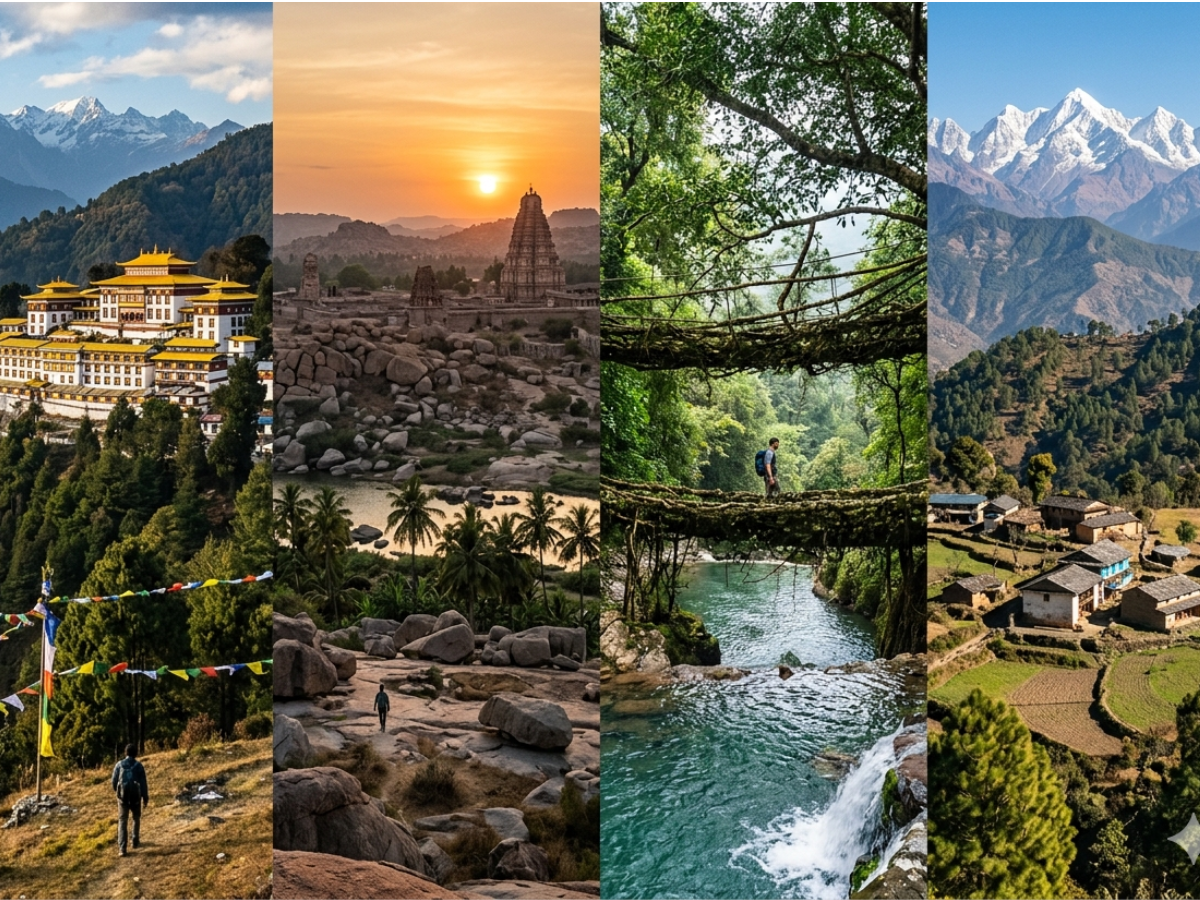
Northeast India reveals its real character far beyond the usual tourist circuits of Shillong, Gangtok, and Kaziranga. This guide explores unexplored places across Arunachal Pradesh, Meghalaya, Nagaland, Assam, Mizoram, Manipur, Tripura, and Sikkim, where remote valleys, floating islands, tribal villages, mountain landscapes, and slow travel experiences still remain untouched by mass tourism. From Mechuka and Ziro Valley to Majuli, Loktak Lake, Dzükou Valley, and Zuluk, these destinations reward travellers willing to move beyond conventional itineraries. The article also covers the best time to visit, permit requirements, road conditions, packing essentials, and practical travel tips for navigating the hidden side of Northeast India responsibly.
Most people who travel to the North East come back having seen a version of it. Shillong cafés, Gangtok viewpoints, Kaziranga safaris. These places are popular for good reason. But they're also just the opening chapter of a region that gets genuinely different the moment the roads narrow, the signboards thin out, and the pace drops to something that feels almost involuntary.
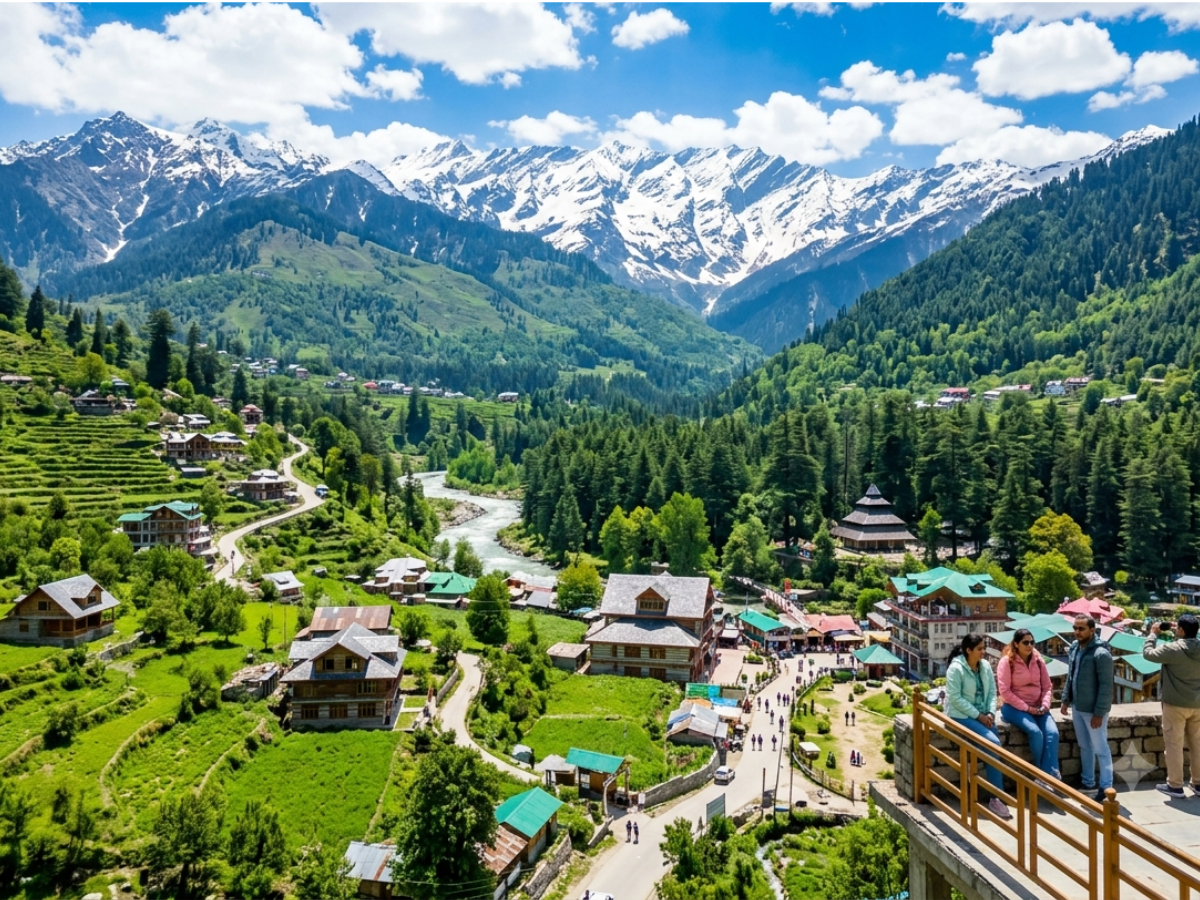
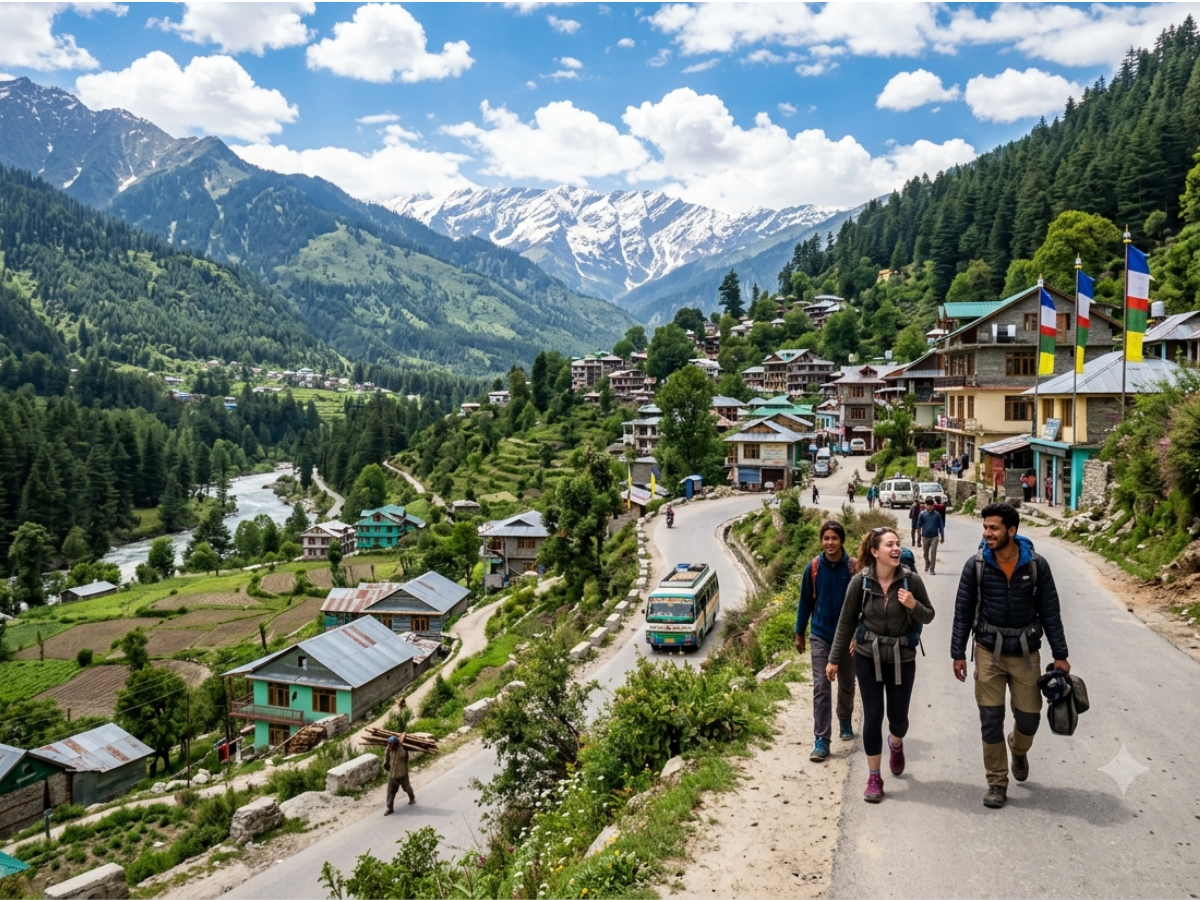
That's where the North East starts to reveal itself. Hidden valleys in Arunachal Pradesh, floating villages in Manipur, silent hills in Mizoram, river islands in Assam. These aren't destinations built around tourism. They feel lived in. Quiet in the way that only places untouched by footfall can be. Many of these offbeat places in North East India stay overlooked simply because reaching them asks more of you. And that, more often than not, is exactly what makes them worth it.Travellers searching for quieter journeys can also explore some of the best offbeat places in India that remain far from mainstream tourist crowds.
Offbeat Places in Arunachal Pradesh
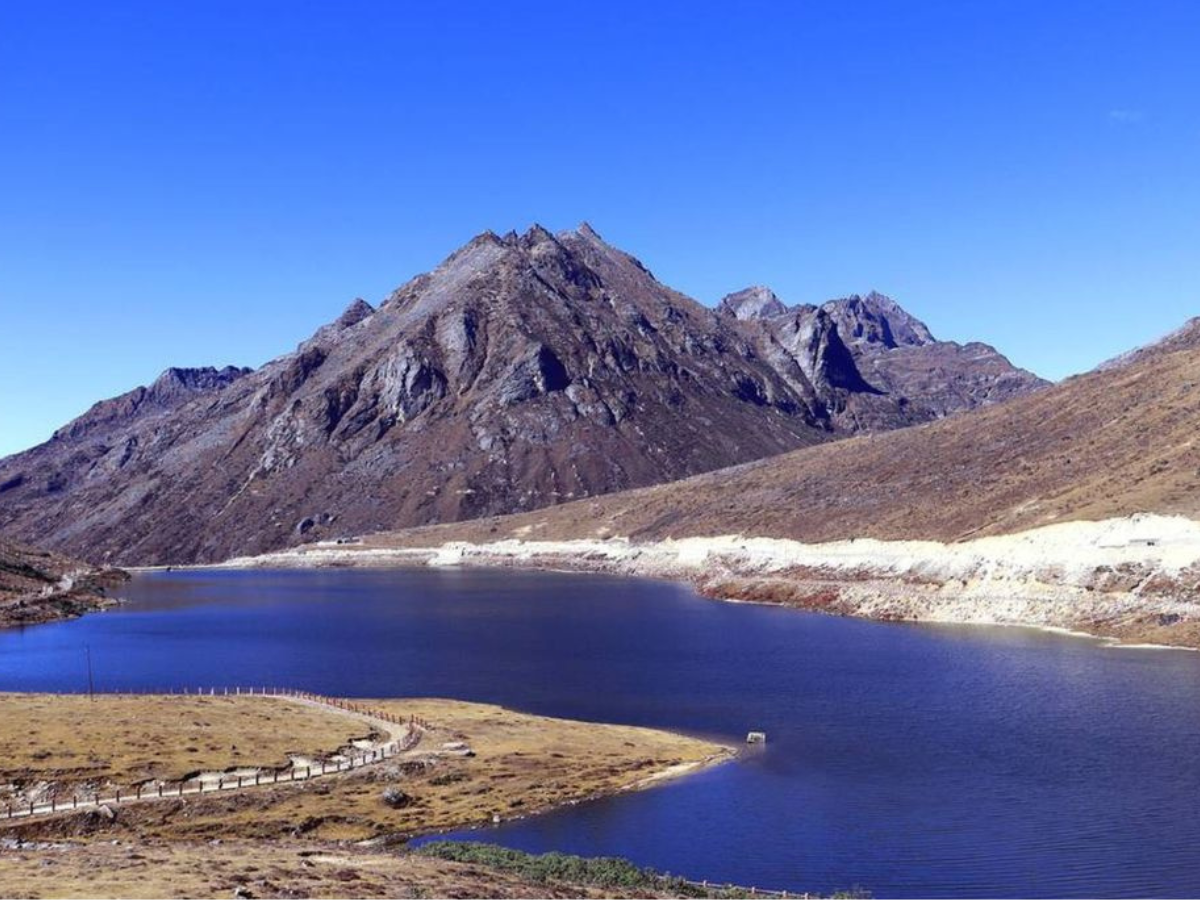
Of all the offbeat places in Northeast India, Arunachal Pradesh feels the most honestly remote. Distances stretch further than maps suggest, roads have their agenda, and villages appear between mountains and forests as if they weren't expecting you either.
Mechuka
Near the Indo-China border, Mechuka operates at a pace that most of India has forgotten. Wooden homes sit against wide open valleys, Buddhist monasteries look out over the river below, and the drive in becomes part of the experience before you've even arrived. The landscape changes every few hours on the way there.
What keeps Mechuka among the most compelling offbeat places in Arunachal Pradesh is its silence. Even during peak travel months, the valley rarely accumulates the kind of crowd that dilutes a place. Remote monasteries, open valley landscapes, and a village life that moves without urgency. That combination is harder to find than it should be.
Ziro Valley
Ziro doesn't announce itself the way dramatic Himalayan towns do. It eases you in. Rice fields stretch across the valley floor, Apatani villages remain genuinely active, and mornings arrive with mist moving slowly across the hills before the day decides what it wants to be.
It appears often enough in lists of hidden places in Arunachal Pradesh, but most travellers only skim the surface. Stay longer and the real Ziro opens up. Forest trails, local farms, and quiet corners have nothing to do with the music festival reputation that has brought the place more attention recently.
Anini
Anini doesn't feel connected to the rest of India in any conventional sense. Roads are rough, distances feel longer than they are, and cloud cover changes what you can see from one hour to the next.
But that remoteness is precisely why it remains one of the most fascinating unexplored destinations in Northeast India. Snow peaks appear suddenly behind forests. Villages feel completely detached from anything urban. It's the kind of place that makes you recalibrate what remote actually means.Many of these destinations continue to feature among the most unexplored places in India for travellers looking beyond conventional itineraries.
Hidden Places in Meghalaya
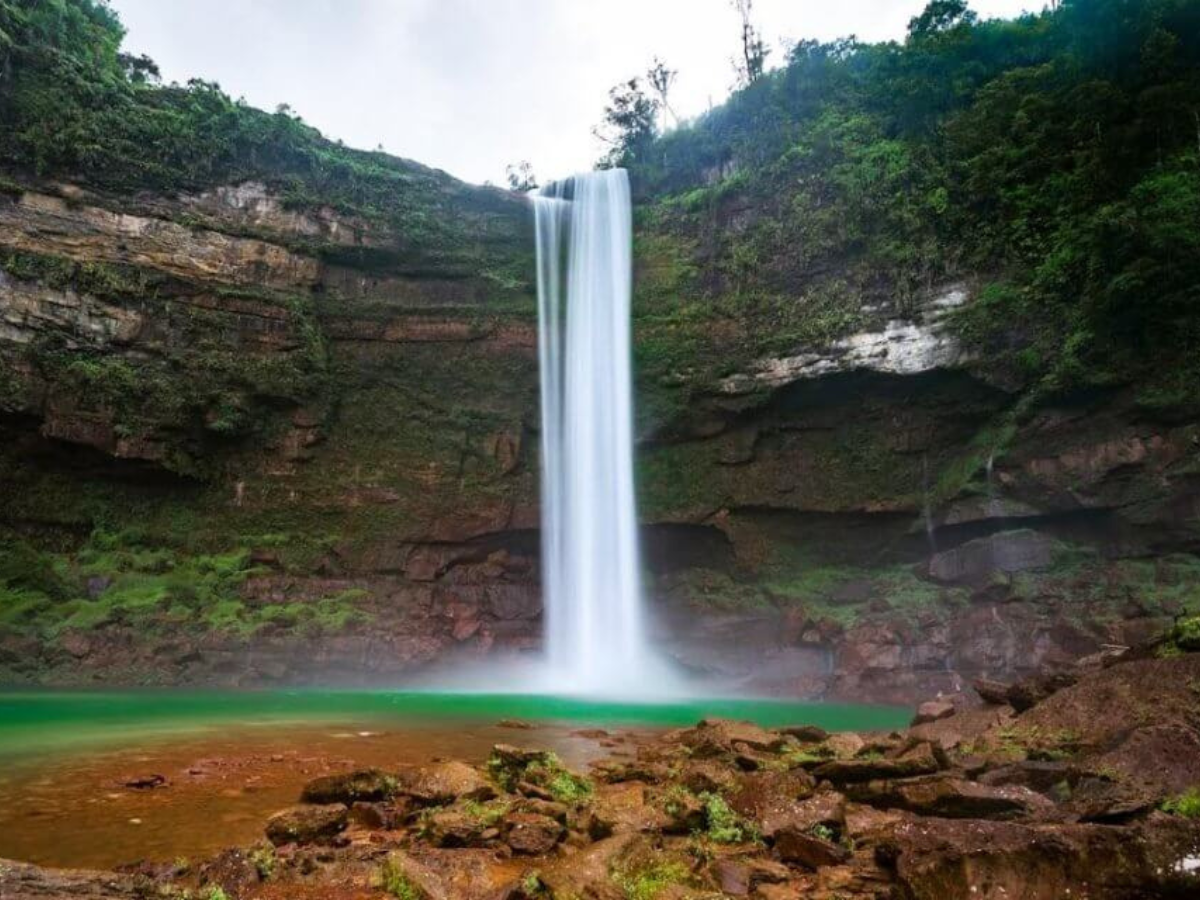
Meghalaya gets reduced to Shillong and Cherrapunji more often than the state deserves. Move into its villages and riverside settlements and the experience becomes significantly richer. These hidden places in Meghalaya are slower, more grounded, and considerably more memorable.
Shnongpdeng
Shnongpdeng sits beside the Umngot River, where the water is clear enough that boats appear to float in mid-air above the riverbed. Unlike the crowded checkpoints at Dawki, this village stays calmer and more immersive. Transparent river boating, riverside camping, cliff jumping for those who want it. It's quietly become one of the most genuinely peaceful places in Northeast India for anyone looking to actually disconnect.
Kongthong
Known as the whistling village, Kongthong is one of the more unusual hidden gems in Northeast India. Families here use melodies rather than names to call each other, a tradition that makes the place feel unlike anywhere else in the country. The village itself is simple. But the cultural experience sits completely outside the range of mainstream tourism in a way that's increasingly rare.Experiences like these are exactly why travellers are now seeking hidden places in India that most tourists don’t know about instead of crowded destinations.
Mawlynnong
More visited than it once was, but Mawlynnong still earns its place among the hidden places in Meghalaya because of how deliberately the village has maintained its environment. The living root bridges nearby remain among the most extraordinary natural structures in India. Worth seeing even if the village itself has found more of an audience in recent years.
Unexplored Places in Nagaland
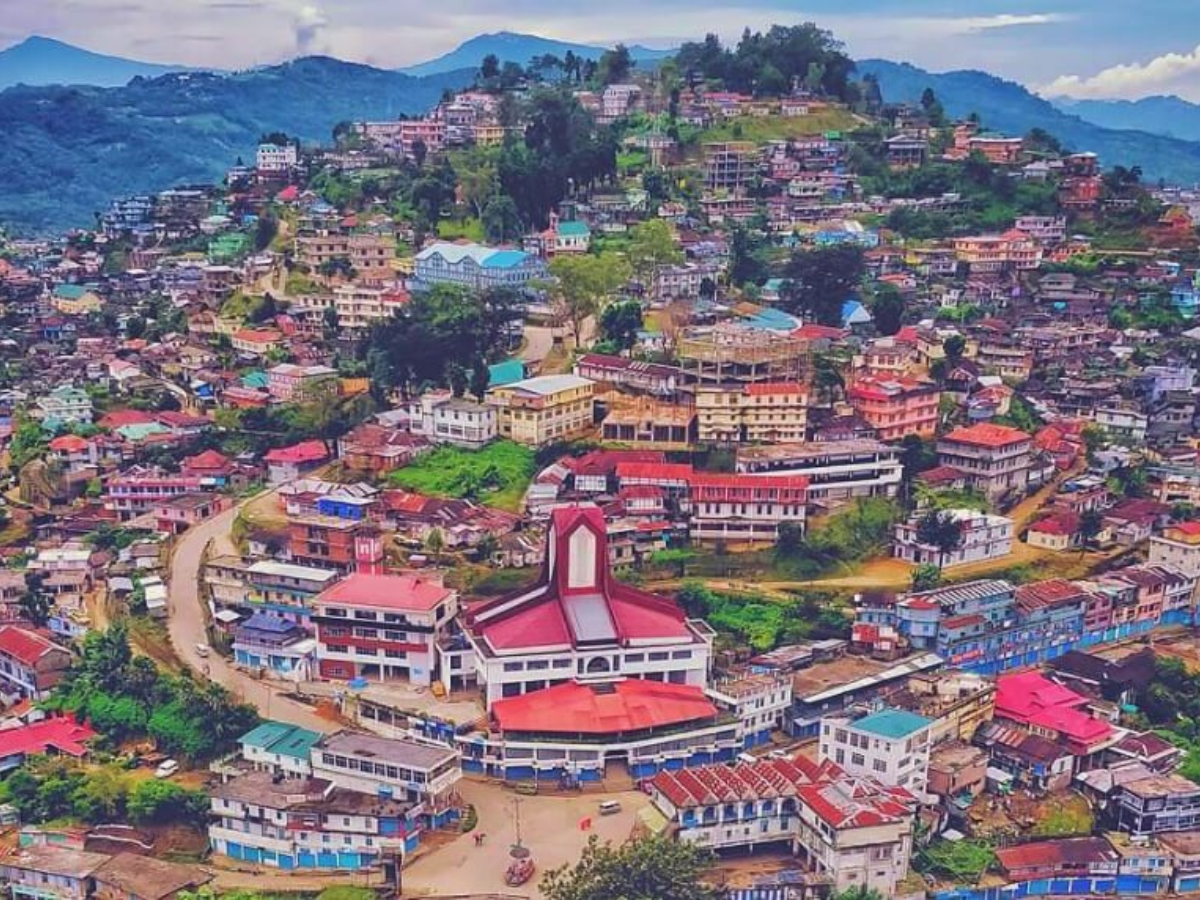
Nagaland carries a different atmosphere from the rest of the North East. Villages are tied deeply to tribal identity, mountain landscapes feel raw rather than curated, and the sense of stepping into something that hasn't been packaged for visitors is still very much intact.
Dzükou Valley
Often called the Valley of Flowers of the East, Dzükou changes completely with the seasons. During monsoon, it turns an intense, almost overwhelming green. In winter it becomes stark and silent and completely different. The trek is demanding enough to keep heavy footfall away, which is part of why it remains one of the true unexplored places in Nagaland. Rolling mountain valleys, seasonal wildflowers, and trekking routes that reward the effort.For travellers who enjoy untouched mountain escapes, these destinations rival many unexplored hill stations in India known for their raw natural beauty.
Khonoma
Khonoma doesn't feel like a tourist village. It feels like a community that allows visitors to observe quietly without rearranging itself for them. Traditional homes, terraced farming, and active forest conservation efforts define the experience here. It's one of the strongest examples of hidden gems in Northeast India, where sustainability isn't a marketing term but simply how the place operates.
Longwa
Longwa is genuinely strange in the best possible way. The international border between India and Myanmar runs directly through the village. Through the chief's house, in fact. That alone makes it one of the most unusual unexplored places in Nagaland and one of the more quietly surreal travel experiences in the entire country.
Offbeat Places in Assam
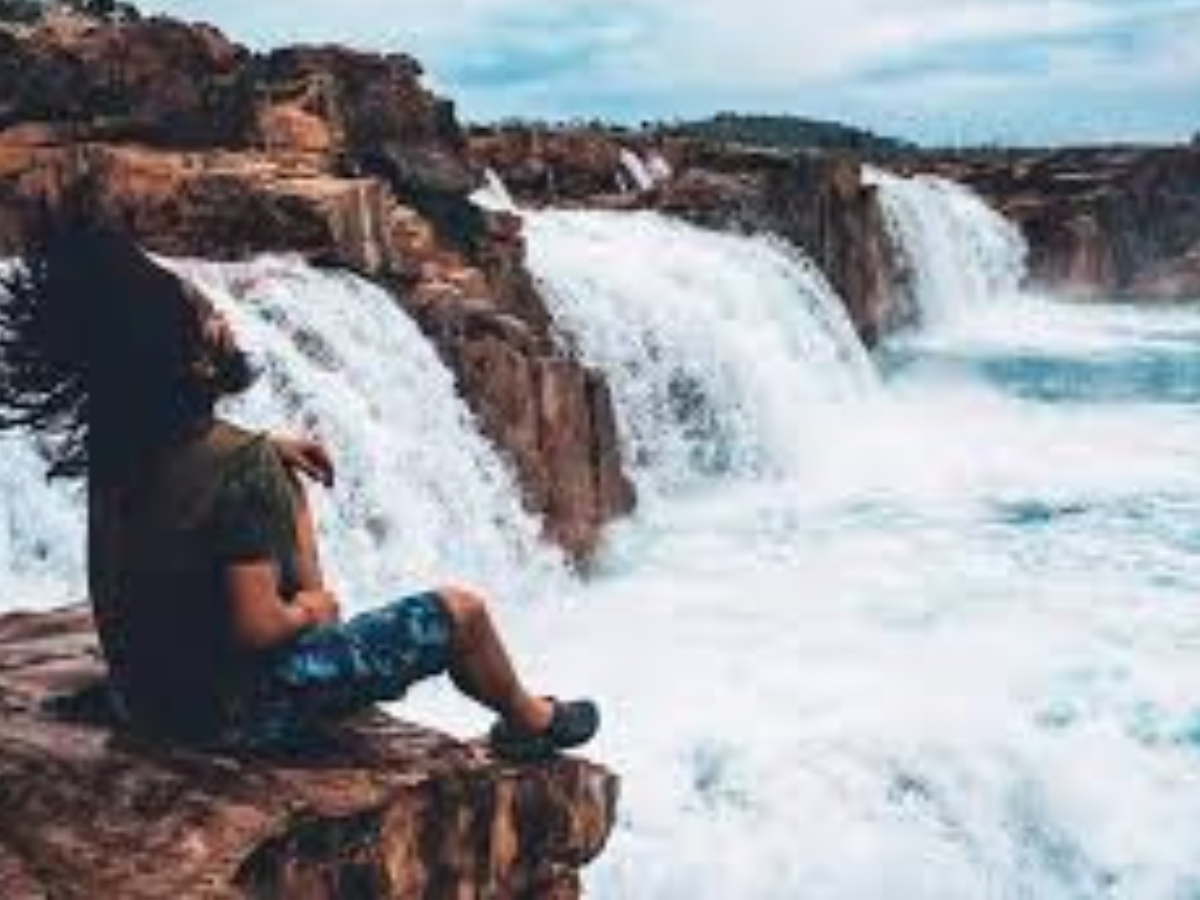
Assam gets summarised as tea gardens and wildlife parks, which is fair as far as it goes. But some of the best offbeat places in Assam operate at a pace that has nothing to do with either.
Majuli
Majuli isn't just a river island. It feels like a separate rhythm. Ferries cross the Brahmaputra slowly, monasteries remain active and unhurried, and sunsets stretch across open fields for longer than feels reasonable. Vaishnavite monasteries, river island landscapes, and traditional mask-making villages that are still very much alive. It's one of those places that changes how you think about what an island can be.
Haflong
Haflong rarely appears in mainstream North East itineraries, which is difficult to explain once you've seen the surrounding hills. Pine forests, lakes, and quiet roads that don't go anywhere particularly famous. One of the more genuinely overlooked offbeat destinations in Northeast India.The North East continues to surprise travellers with some of the country’s most remarkable hidden gems of India that still feel untouched by mass tourism.
Unique Places to Visit in Mizoram
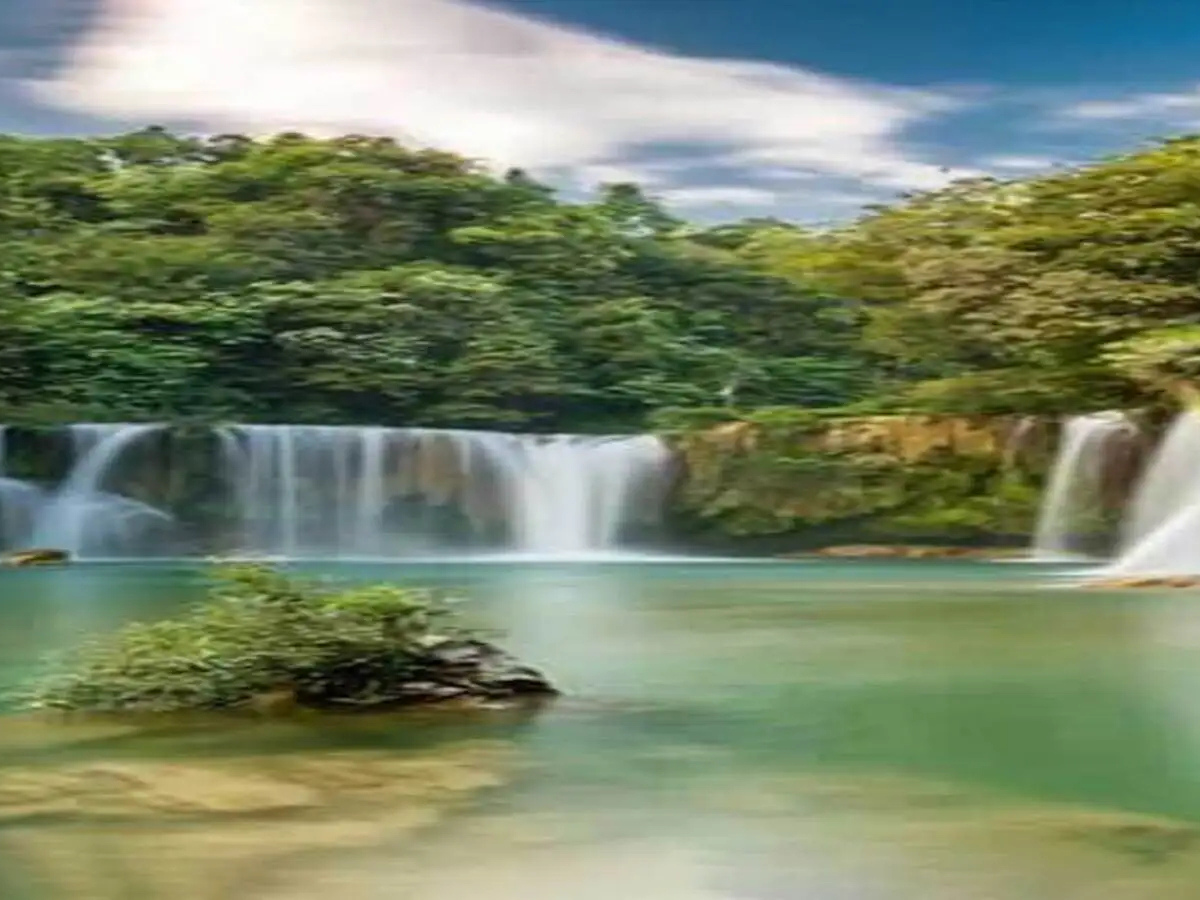
Mizoram remains one of the least explored states in the country. Not because it lacks for beauty, but simply because it takes more intention to get there. That effort pays off.
Reiek
Reiek combines mountain scenery with Mizo cultural context in a way that feels unforced. The hilltop viewpoint opens into layers of forested hills that seem to continue indefinitely. Among the most unique places to visit in Mizoram, it's peaceful without performing that peacefulness for visitors.
Phawngpui
Known as the Blue Mountain, Phawngpui carries a stillness that's hard to manufacture and easy to feel. Clouds move low across the cliffs, trekking routes stay relatively untouched, and the whole place has a quality that makes it one of the truly peaceful places in Northeast India.
Hidden Gems in Manipur
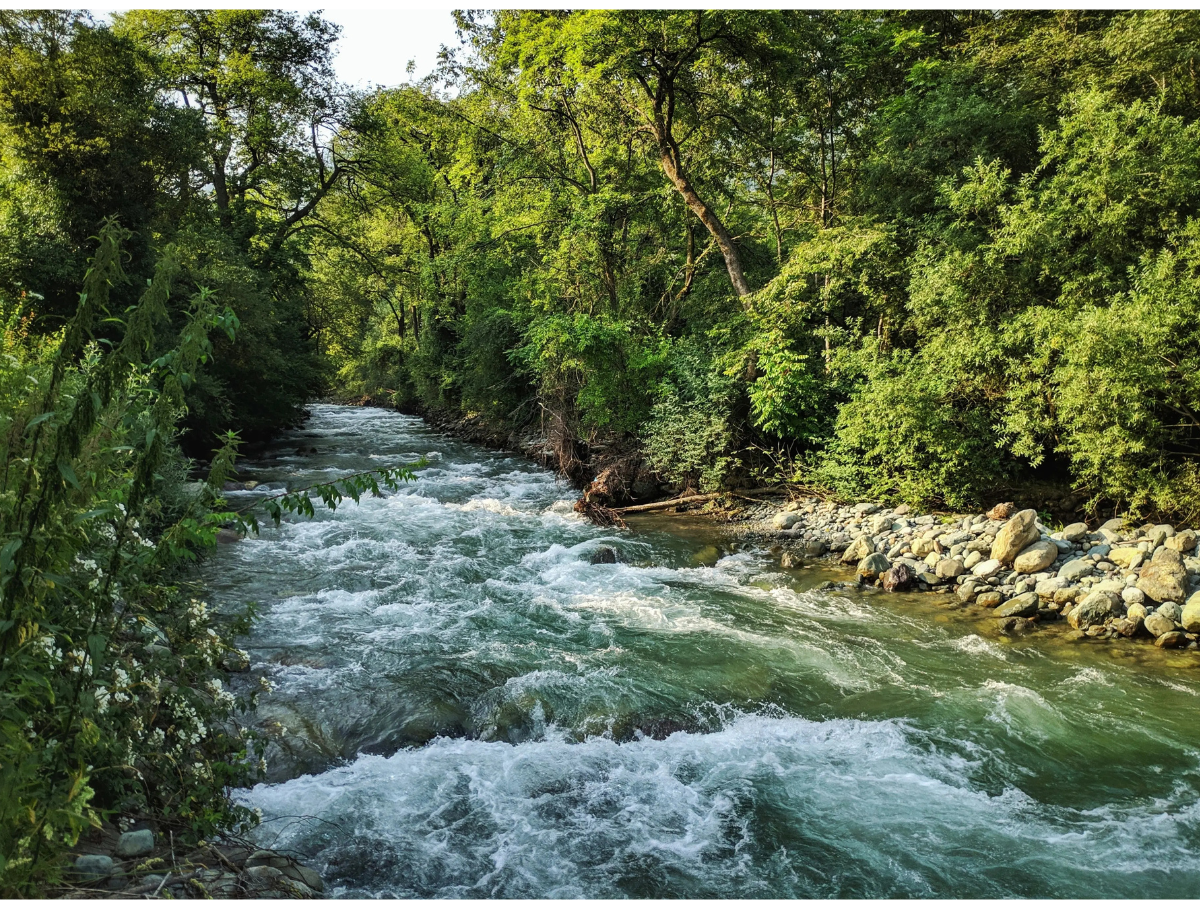
Loktak Lake
Loktak doesn't look like a regular lake. Circular floating islands drift slowly across the water, creating a landscape that looks constructed even though it isn't. The fishing communities living on these phumdis make it one of the most memorable hidden gems in Manipur. Boat rides, floating islands, and the edge of Keibul Lamjao National Park, the world's only floating national park.
Ukhrul
Pine-covered hills, a strong tribal identity, and, during certain seasons, a valley that blooms with rare Shirui lilies found nowhere else in the world. Ukhrul rewards the effort of reaching it in ways that are difficult to summarise without sounding like an overstatement.
Lesser Known Places in Tripura
Jampui Hills
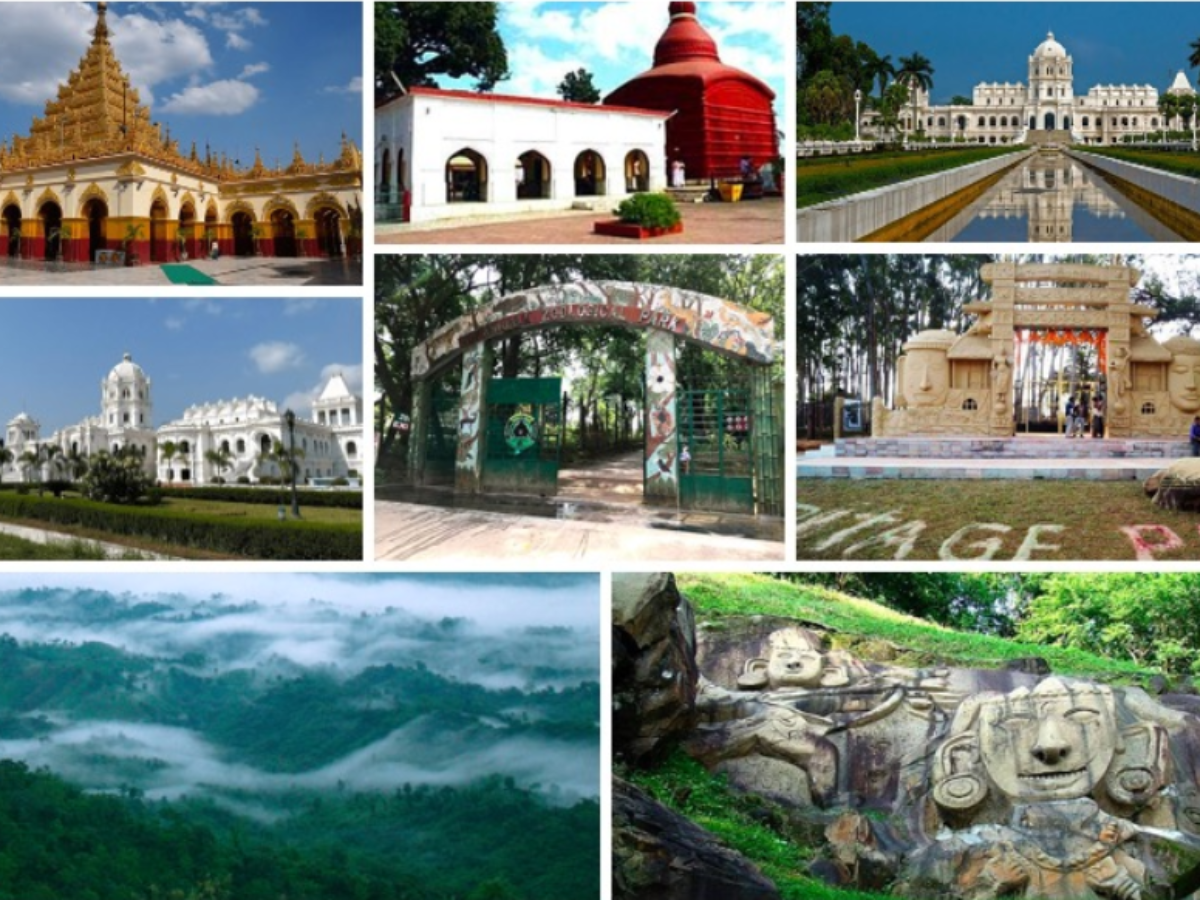
Orange orchards, cool weather, and roads that don't seem to be in any particular hurry. Jampui Hills is one of the calmest, lesser-known places in Tripura and one of the more pleasant surprises in a state that doesn't get nearly enough travel attention.
Unakoti
Unakoti feels ancient and slightly mysterious in a way that stays with you. Massive rock carvings emerge directly from the hillsides, partially covered in moss and forest growth, as if the jungle is in the process of deciding whether to give them back. One of the most visually striking hidden gems in North East India.
Offbeat Places in Sikkim
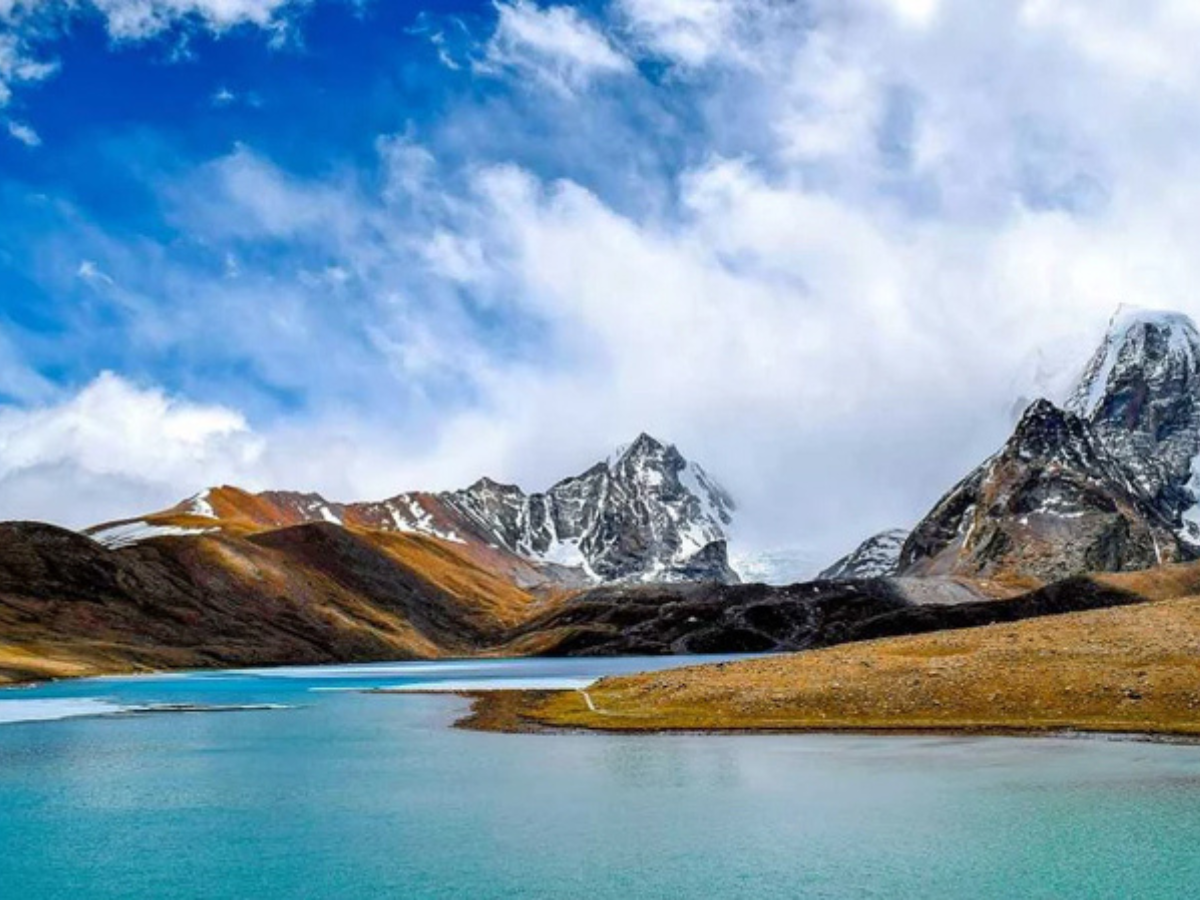
Technically separate from the Seven Sisters, Sikkim fits naturally into any conversation about offbeat places in Northeast India.
Dzongu
Reserved primarily for the Lepcha community, Dzongu stays deeply rooted in local culture and forest life. It's not a place that's been opened up for general tourism, which is part of what makes it so worth knowing about.
Zuluk
Winding roads, shifting mountain views, and an atmosphere that feels more cinematic than most places manage without trying. One of the most visually compelling offbeat places in Sikkim.
Best Time to Explore Hidden Places in Northeast India
Spring (March to May) Good weather, flowers coming through, valleys at their most accessible. A strong window for most of the region.
Monsoon (June to September) The landscapes become extraordinary. The roads become less predictable. Worth it if you're prepared for both.
In winter (October to February), mountain visibility improves, crowds thin further, and the quieter travel experience that makes the North East so distinctive becomes even more pronounced.Planning a seasonal trip becomes much easier when exploring detailed guides on the best places to visit in North East India across different times of the year.
Things to Know Before Travelling Through Northeast India
A few practical realities worth knowing before you go:
- Several states require Inner Line Permits. Sort these before you travel, not on arrival.
- Road travel takes considerably longer than distances suggest. Build that into your planning honestly.
- Mobile networks disappear in remote areas. Tell people your itinerary before you leave it.
- Mountain weather shifts quickly and without much warning. Pack for both the morning and evening.
- Smaller villages have local customs and ecosystems that deserve respect. Responsible tourism isn't optional here; it's the minimum.
Travelling through these unexplored places in North East India asks for patience more than it asks for planning. The two aren't the same thing.
Why the Hidden North East Feels Different From the Rest of India
It doesn't try to impress you immediately. That's the first thing.
Villages wake up quietly. Conversations take their time. Roads don't always lead somewhere quickly, and that stops feeling like a problem after the first day.
That's what makes these lesser-known places in Northeast India stay with people. They still feel personal. Still connected to local life in ways that most popular destinations have traded away for infrastructure and footfall. Still distant from the kind of rush that has reshaped so many places across the country.
The best parts of the North East are not always the easiest to reach. But they tend to be the most real. And that, for a certain kind of traveller, is the only thing that matters.
Where the Roads Finally Begin to Slow Down
The most memorable journeys through the North East rarely follow famous itineraries. They happen in the gaps between them, on longer drives, unexpected detours, and places that still feel wonderfully unaware of how good they are.
EaseMyTrip makes it straightforward to book flights to North East India, browse comfortable hotels and stays across the region, and reserve convenient train tickets online before your journey into the hidden side of the North East begins.
.
FAQs
Do I need special permits to visit Northeast India?
Yes, for several states. Arunachal Pradesh requires an Inner Line Permit for Indian nationals and a Protected Area Permit for foreign visitors. Manipur, Mizoram, and Nagaland also have permit requirements that vary depending on nationality and the specific areas you plan to visit. These are worth sorting well in advance. Trying to arrange them on arrival adds stress to a journey that already demands flexibility.
What is the best way to get to Northeast India?
The most practical entry points are Guwahati in Assam, which connects to most major Indian cities by air, and Dimapur for Nagaland, Agartala for Tripura, and Imphal for Manipur. From these cities, road travel takes you deeper into the region. EaseMyTrip makes it straightforward to search and book flights into these gateways without having to piece together the journey across multiple platforms.
Is Northeast India safe for solo travellers?
Generally yes, and in many ways more so than people assume. The communities across the region are known for being welcoming and genuinely hospitable. Solo travellers, including women travelling alone, have had positive experiences in most states. The practical challenges are logistical rather than safety-related: remote roads, limited connectivity, and unpredictable weather require preparation rather than caution.
How much time should I set aside for a trip to Northeast India?
At least two weeks if you want to go beyond one or two states. The region is large, distances between places take longer than maps suggest, and the whole point of travelling here is to slow down rather than rush through it. A ten-day trip can work if you focus it on a single state or corridor. Trying to cover the entire North East in that time usually means experiencing nothing properly.
Which offbeat places in Northeast India are best for first-time visitors?
Ziro Valley in Arunachal Pradesh, Majuli in Assam, and Shnongpdeng in Meghalaya are good starting points. They're genuinely offbeat without being logistically overwhelming. Each offers a distinct experience: rice field landscapes and tribal culture, river island life, and transparent water boating, and they're accessible enough that a first-time visitor to the region can navigate them without a specialist guide.
What should I pack for travelling through remote northeast India?
Layered clothing for varying temperatures, rain gear regardless of the season you're travelling in, a power bank since electricity can be inconsistent in remote areas, physical copies of all permits and documents, basic medical supplies, and enough cash for areas where card payments and ATMs aren't available. Mobile data is unreliable beyond the larger towns, so downloading offline maps before you leave a city is genuinely useful.
Are the roads in Northeast India suitable for road trips?
Some of them are excellent. Others are among the most challenging drives in the country. The experience varies enormously depending on the state, the season, and how recently the roads have been maintained. Assam's highways are generally smooth. Roads into remote Arunachal Pradesh, parts of Manipur, and higher-altitude areas in Sikkim require more patience and the right vehicle. If you're planning a self-drive trip, speak to locals or guesthouses along the route about current conditions before you commit to a stretch.
When should I avoid travelling to Northeast India?
The monsoon months between June and September bring heavy rainfall that makes roads unpredictable and some areas inaccessible. Landslides are a genuine risk on mountain roads during this period. That said, the landscapes during monsoon are extraordinary, and some travellers specifically choose this window for the green intensity of it. If you do travel during monsoon, build flexibility into your schedule and don't fix tight timelines between destinations.
Is North East India expensive to travel through?
It's one of the more affordable regions in the country once you're on the ground. Accommodation, food, and local transport are generally budget-friendly outside of premium stays. The cost that catches people off guard is getting there. Flights into smaller airports in the region, connecting road transport, and permit fees accumulate. Planning early and booking flights through EaseMyTrip well in advance helps manage that significantly.
What makes the culture of North East India different from the rest of the country?
The North East is home to over 200 distinct tribes, each with their language, traditions, and relationship with the land. Indigenous practices weave the cultural fabric here, with very little overlap with mainland India's dominant cultural narrative. Food is different, architecture is different, festivals are different, and the general pace of life feels distinct in a way that's hard to attribute to any single factor. For travellers who come with genuine curiosity rather than a checklist, this cultural richness is one of the most compelling reasons to visit.






 May 18, 2026
 Share
Share
 Download as PDF
  From
From 
 Departure Date
 Travellers & class
 Rent For
 Departure Date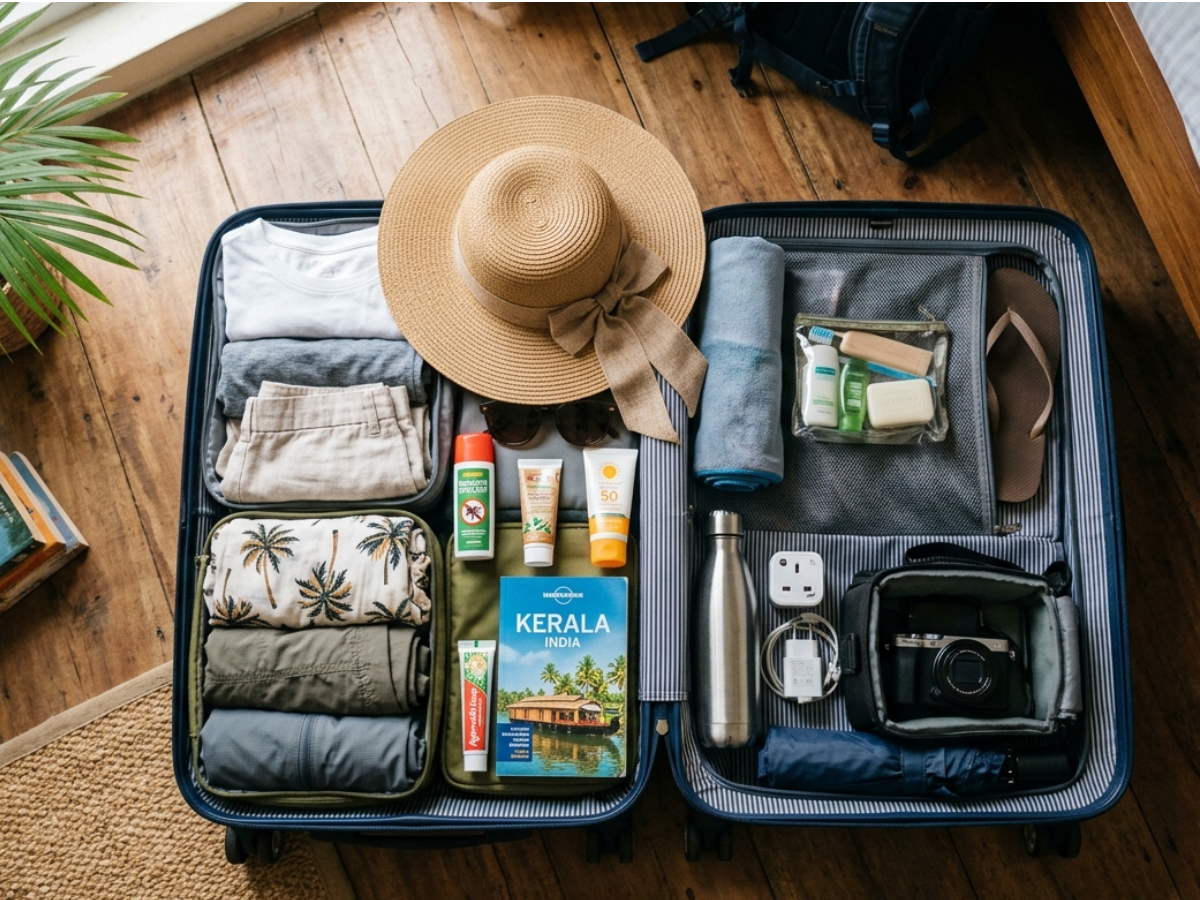

 Share
Share
{{cmnt.comment}}