Nepal rarely feels like one single destination. It changes too quickly for that. One morning begins beside crowded temple lanes in Kathmandu. A few days later, the same trip involves silent mountain villages, prayer flags moving in cold wind, and lakes reflecting snow peaks that seem almost unreal even while standing directly in front of them.
Most travellers arrive expecting mountains. They leave remembering smaller things instead. Butter tea in a monastery café. The sound of temple bells drifting through old alleys. Porters walking uphill faster than tourists can manage on flat roads. Fog settling over Pokhara before sunset in a way that makes the whole lake disappear.
For travellers exploring Nepal tour packages, the experience usually becomes less about ticking off landmarks and more about adjusting to a different rhythm altogether. That slower pace is exactly what makes Nepal so difficult to forget. EaseMyTrip Holidays helps travellers move through that experience without turning it into an overpacked checklist that misses everything worth remembering.
Nepal at a Glance
| Details |
Information |
| Country |
Nepal |
| Capital |
Kathmandu |
| Best Known For |
Himalayas, Temples, Trekking, Buddist Culture |
| Ideal Trip Duration |
7 to 12 Days |
| Currency |
Napalese Rupee |
| Best Time to Visit |
March to May and October to December |
| Famous Experiences |
Everest views, Pokhara lakes, Temple trails, Mountain trekking |
| Languges |
Nepali, Hindi, English widely understood in tourist areas |
Why Nepal Feels Different From Other Mountain Destinations
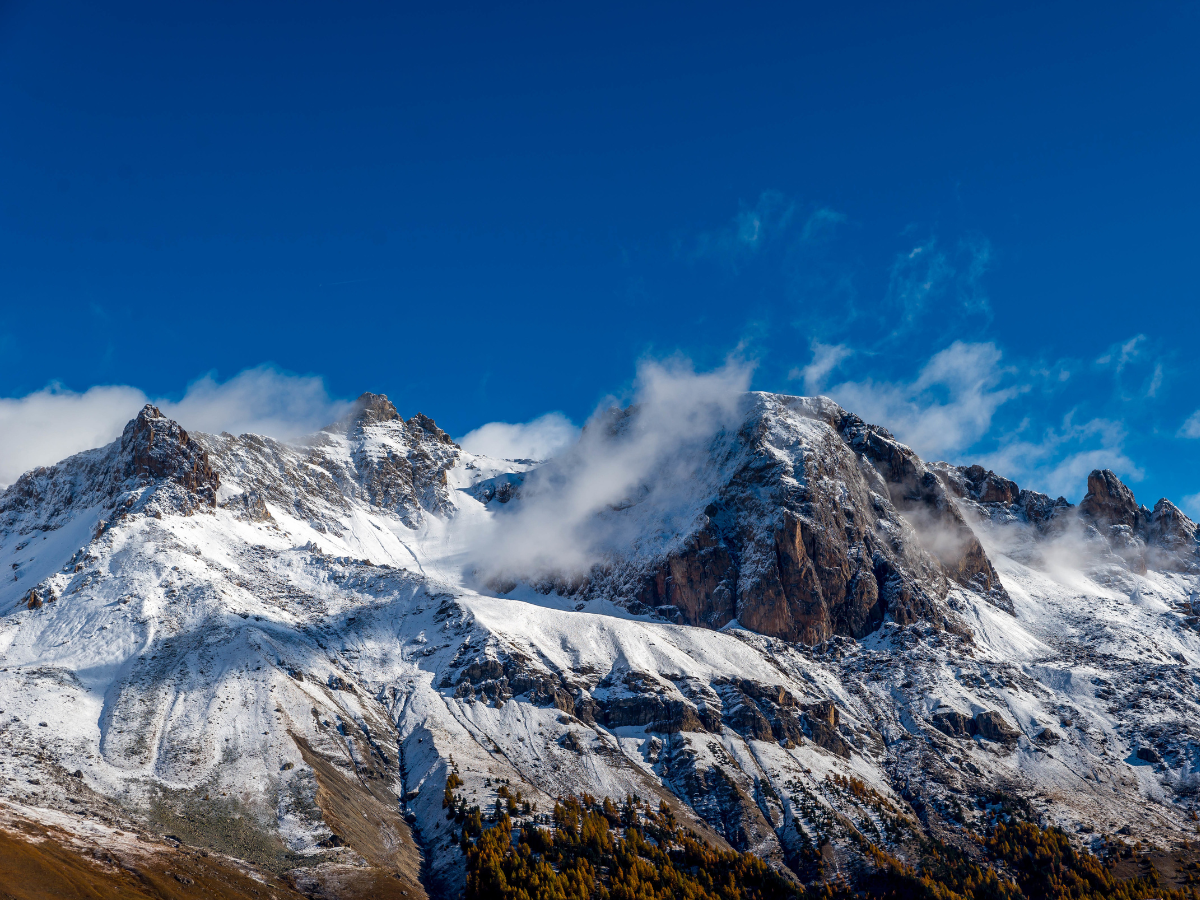
Many Himalayan destinations feel scenic. Nepal feels lived-in.
Temples aren't preserved quietly behind gates. They remain active parts of daily life. Monasteries stand beside cafés. Trekking routes pass through villages where children still walk hours to school every morning. Goats wander through ancient courtyards while motorcycles squeeze through narrow Kathmandu lanes with an confidence that takes visitors a few days to stop finding alarming.
The country constantly balances chaos and calm. Kathmandu feels noisy, crowded, and layered with movement. Then suddenly, places like Bandipur or Pokhara slow everything down completely. Even the mountains behave differently here. They emerge gradually rather than dramatically, often appearing through clouds hours after sunrise as if they're deciding whether to show themselves.
That unpredictability becomes part of what travelling through Nepal actually is.
For travellers booking Nepal tour packages through EaseMyTrip Holidays, understanding this balance early changes the entire trip. Nepal works best when people stop trying to control every hour and let the place set the pace instead.
Best Time To Book Nepal Tour Packages
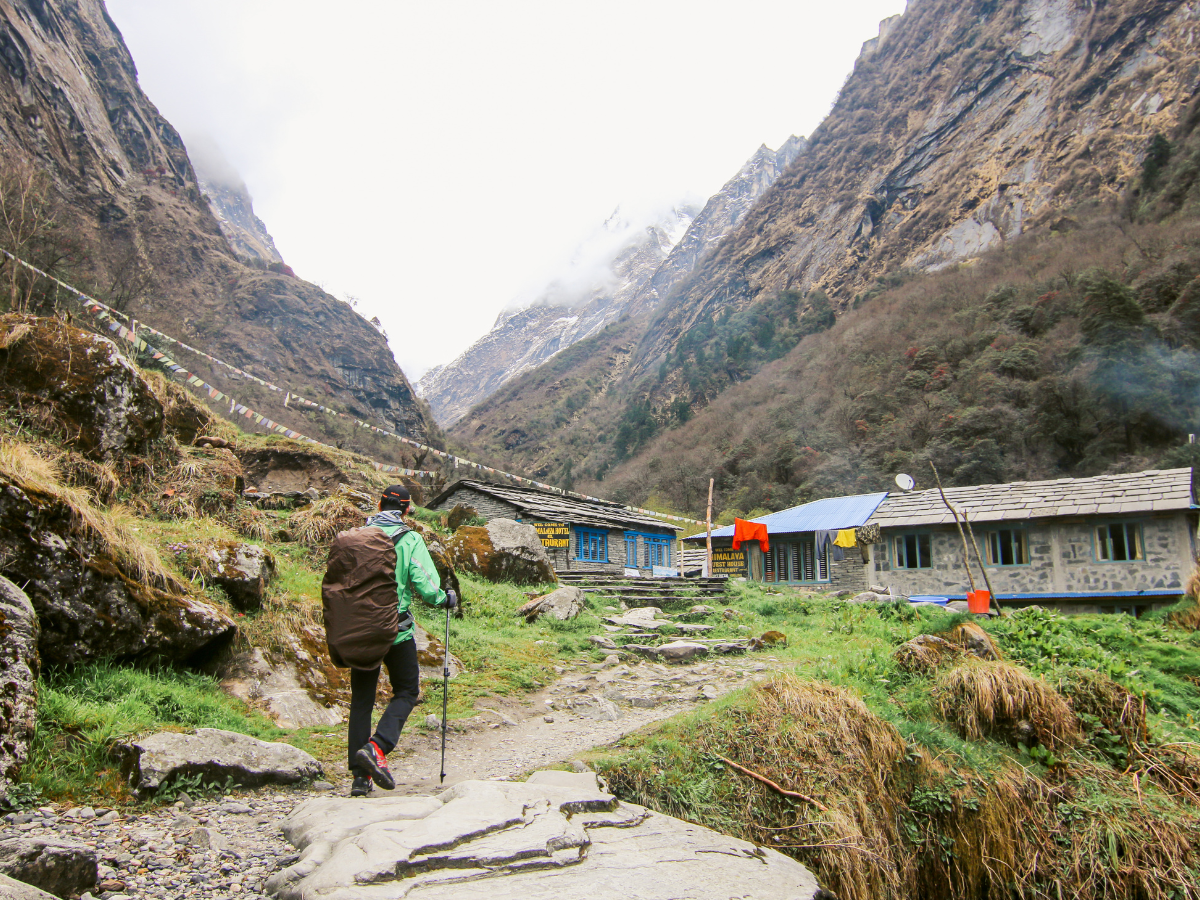
Spring brings clearer trekking conditions, blooming rhododendrons across the hillsides, and comfortable daytime weather across most regions.
Mountain visibility improves significantly during mornings, especially around Pokhara and the trekking routes leading toward the Annapurna regions. This is also one of the busiest seasons for travellers searching for Nepal tour packages, particularly trekkers and first-time visitors who want their mountain views guaranteed as much as weather allows.
The hills feel genuinely alive during spring. Tea houses reopen fully, trekking trails become more active, and long daylight hours make travel between regions considerably easier than other times of year.
Post-monsoon months offer Nepal's sharpest mountain views and some of its most rewarding travel conditions.
The air feels cleaner after the rains, skies stay clearer for longer stretches of the day, and visibility around Himalayan regions improves dramatically. October and November are often considered the strongest months for trekking and mountain photography, and the light during these months has a quality that spring doesn't quite match.
For travellers booking through EaseMyTrip Holidays, this period requires earlier planning because hotel and trekking demand rises quickly and the best accommodation on popular routes fills up well in advance.
Between June and September, Nepal turns intensely green but considerably less predictable.
Road travel slows down, landslides occasionally affect mountain routes, and cloud cover blocks Himalayan views for significant stretches of the day. Yet the countryside during monsoon looks alive in a way the drier seasons don't produce. Rice terraces turn a bright, almost improbable green, rivers swell dramatically, and tourist crowds reduce to a fraction of peak season volume.
Travellers with flexible itineraries often find a quieter and more personal version of Nepal during this period, one that the more popular seasons don't offer.
Places That Define Nepal
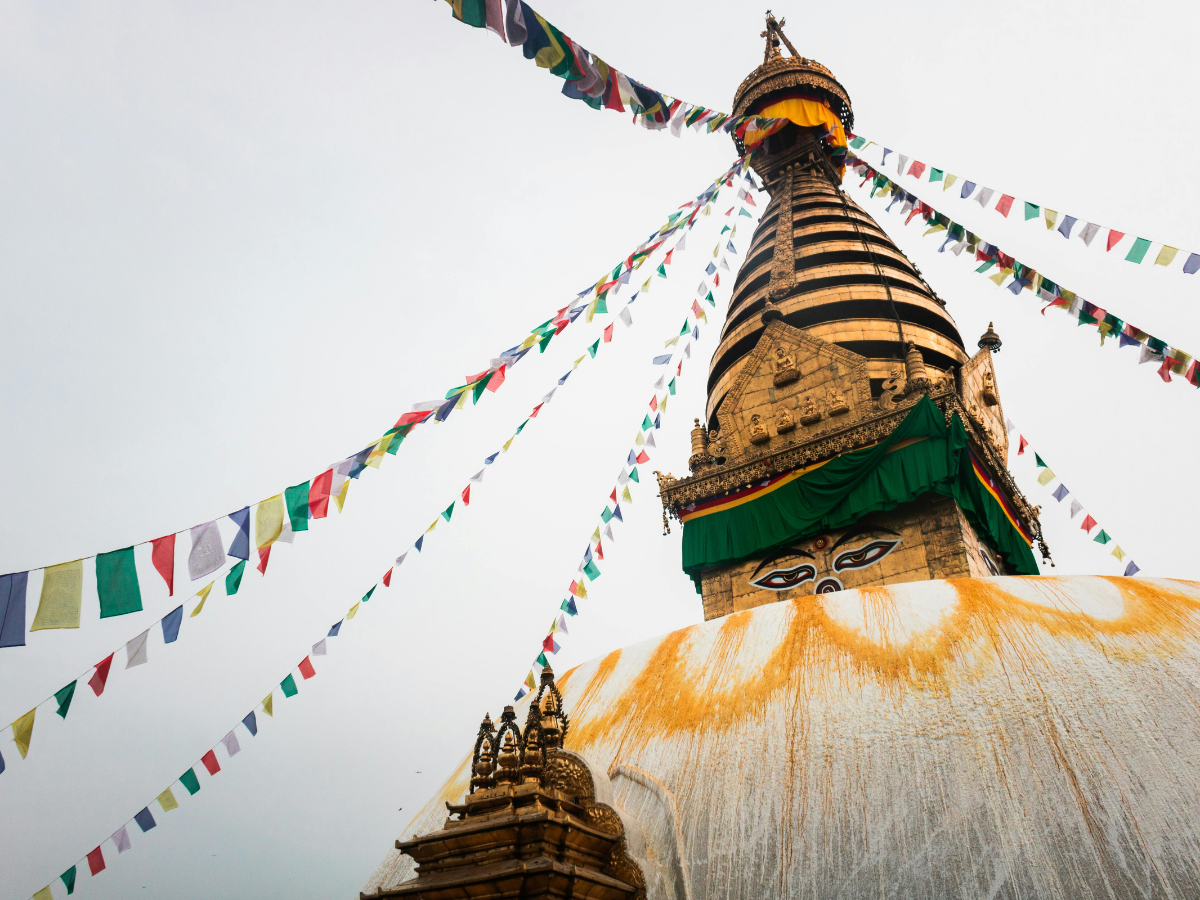
Kathmandu feels overwhelming at first. That's not a flaw. It's the whole point.
Temple bells ring constantly. Scooters squeeze through spaces that seem physically impossible. Incense smoke drifts through old courtyards while electrical wires hang above centuries-old temples in a combination that shouldn't work visually but somehow does. The city doesn't separate history from daily life. Everything exists together at once, and sorting out which century you're standing in takes a few days.
Durbar Square, Swayambhunath, and Pashupatinath remain major landmarks across most Nepal tour packages, but smaller side alleys often leave stronger impressions. Tiny tea shops, hidden shrines, and old carved wooden windows reveal more about Kathmandu than any sightseeing route manages to.
Most travellers begin here and most underestimate how layered the city actually is.
Pokhara changes the pace completely and does so almost immediately.
The city sits beside Phewa Lake with the Annapurna peaks rising behind it during clear mornings. Compared to Kathmandu, Pokhara feels calmer, wider, and considerably quieter. Cafés stretch along lakeside roads while paragliders drift overhead through the afternoon sky in slow, unhurried arcs.
Sunrise from Sarangkot remains one of the strongest experiences available in Nepal. The mountains don't appear suddenly. They slowly emerge from darkness while the lake below stays completely still and the town below hasn't woken up yet.
Even travellers who arrive for adventure activities often end up remembering Pokhara for its calmness. That tends to surprise people who came specifically for the adrenaline.
Bhaktapur feels suspended between centuries in a way that Kathmandu's energy sometimes works against.
Brick streets, carved wooden temples, and old courtyards dominate the city from one end to the other. Compared to Kathmandu, movement here feels slower and more deliberate. Pottery squares remain genuinely active. Local festivals still shape the rhythm of daily life. Temple architecture appears in almost every lane without feeling curated or staged.
The city rewards wandering without fixed plans more than almost anywhere else in Nepal.
Lumbini carries a completely different atmosphere from the rest of Nepal. Flatter, quieter, and more contemplative than anywhere in the Kathmandu Valley.
Known as the birthplace of Buddha, the area draws pilgrims and travellers with very different reasons for being there and somehow accommodates both. International monasteries built by different countries line the larger complex, each reflecting different architectural styles and interpretations of Buddhist tradition. The Sri Lankan temple sits beside the German monastery, which sits beside the Chinese pagoda. The juxtaposition is unusual and genuinely interesting.
Travellers usually arrive expecting history. Many leave remembering the silence instead.
Bandipur remains one of Nepal's quieter mountain towns and one of the most consistently underrated stops across any Nepal tour package itinerary.
Traditional Newari houses line the main street while Himalayan views stretch beyond the surrounding hills during clear weather. Unlike larger tourist hubs, Bandipur still feels relatively untouched by the kind of heavy tourism infrastructure that changes how a place feels once it arrives.
Mornings here move slowly. Shops open gradually. Fog lifts from the valleys below. Nothing feels rushed and nothing is asking for your attention.
Food That Shapes Nepal Travel
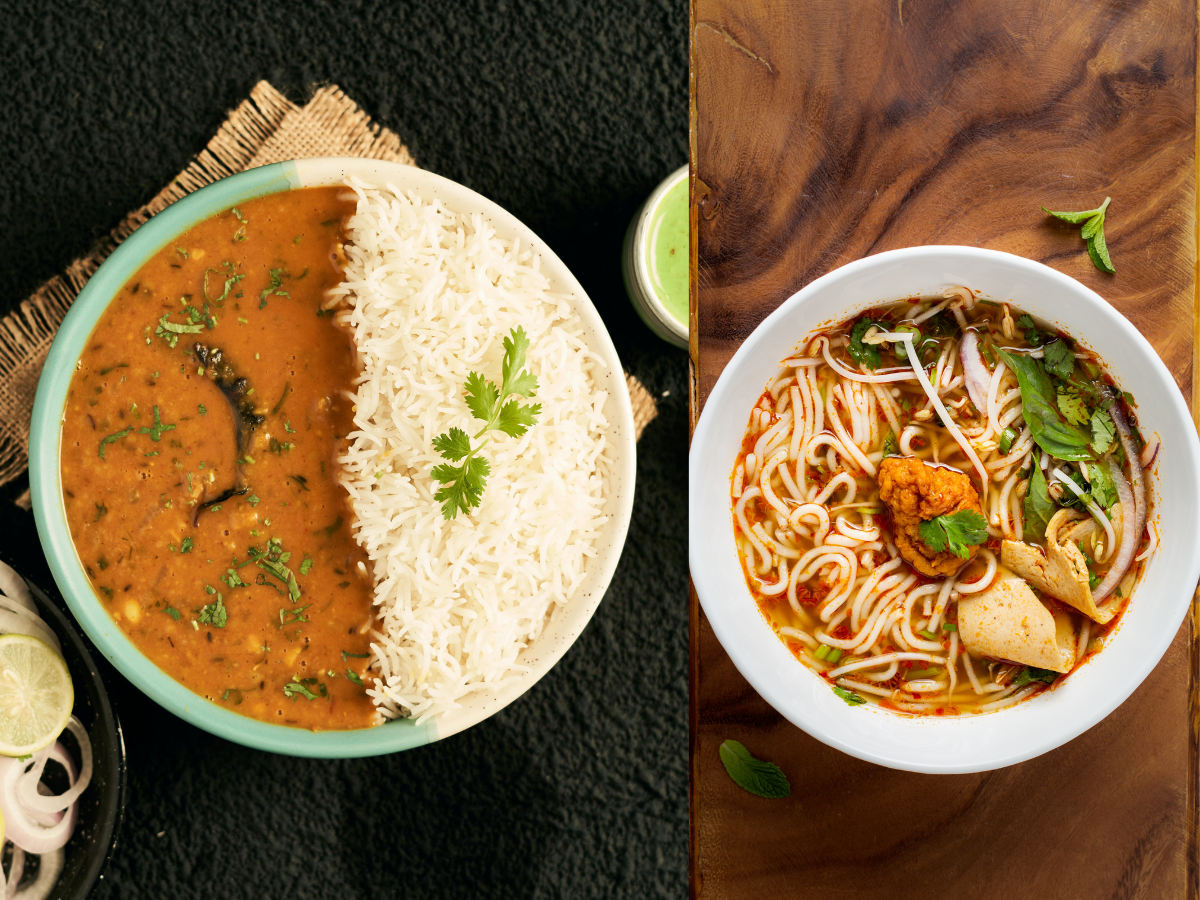
Nepal's food reflects geography, altitude, and community more than restaurant culture. It's practical, deeply regional, and often better than it looks.
Now hear us out. Dal bhat is not a Nepal exclusive dish, but the ingredients and cooking methods are what make the Nepali version feel a lot more rustic and soul soothing. It appears everywhere for good reason. Rice, lentils, vegetables, pickles, and curry create a meal designed for long mountain days. Trekking guides often joke that "Dal Bhat power" keeps people walking through the Himalayas. After a few days in Nepal, most travellers understand why. It's also one of the few meals that comes with unlimited refills across most tea houses on trekking routes.
Momos
Fresh momos remain one of the country's most recognisable foods and one of the most reliably satisfying. Served steamed or fried with spicy chutney, they appear everywhere from roadside stalls to mountain tea houses at 4,000 metres. Cold weather somehow makes them taste even better.
A hot noodle soup that's particularly welcome in colder mountain regions. Especially common along trekking routes and in Buddhist settlements where the altitude makes warming food feel genuinely necessary rather than just comforting.
Kathmandu Valley's Newari food tradition offers some of Nepal's most distinct and underexplored flavours. Bara, choila, and yomari reflect centuries of cultural influence unique to the valley itself and are worth seeking out specifically rather than stumbling into by accident.
Shopping In Nepal
Shopping in Nepal offers a mix of traditional craftsmanship, local culture, and colourful street markets. Travellers often explore markets in Kathmandu and Pokhara for handmade souvenirs, pashmina shawls, prayer flags, singing bowls, wooden carvings, and trekking gear. From bustling local bazaars to small artisan stores, shopping here becomes a memorable part of the overall travel experience.
Thamel remains Kathmandu's busiest tourist district and the most practical starting point for travellers preparing for mountain routes. Trekking stores, cafés, bookstores, singing bowl shops, and travel agencies fill almost every lane. The area feels chaotic at times but delivers everything most travellers need before heading into the hills.
Smaller and considerably less commercial compared to Kathmandu's tourist areas. Local pottery, wood carvings, and handmade items here feel connected to daily craftsmanship in a way that mass-produced souvenir markets don't manage.
Patan's narrow lanes contain some of Nepal's finest traditional metalwork and handicrafts. The craftsmanship often feels more authentic and more carefully made than anything available in the larger tourist markets, and the prices reflect that the sellers know the difference too.
Nearby Experiences Beyond Standard Nepal Routes
Many travellers visiting Nepal focus only on Kathmandu and Pokhara. Both are worth the time. But the country becomes far richer and considerably more interesting beyond those familiar routes.
- Nagarkot is known for Himalayan sunrise views within easy reach of Kathmandu. A short trip from the city but produces mornings that feel entirely removed from the urban noise below.
- Chitwan National Park is completely different from mountain Nepal in every way. Jungle safaris, rhino sightings, elephant encounters, and river landscapes dominate a region that reminds visitors how geographically diverse Nepal actually is within its borders.
- Upper Mustang is one of Nepal's most visually unusual and culturally distinct regions. Dry landscapes, ancient cave monasteries carved directly into cliff faces, and Tibetan-influenced villages create an atmosphere that has very little in common with the greener Himalayan routes most visitors experience.
Travellers booking Nepal tour packages through EaseMyTrip Holidays increasingly include destinations like Mustang and Bandipur specifically to experience a slower, less crowded, and more genuinely immersive side of the country that standard itineraries tend to skip.
Things First-Time Visitors Often Get Wrong
-
Trying to cover too much too quickly
Nepal's roads are slower than any map suggests. Mountain distances that appear short take entire days. Overplanning usually creates frustration rather than more experiences. The itineraries that work best for Nepal through EaseMyTrip Holidays are consistently the ones that build in flexibility rather than fill every hour.
-
Ignoring altitude adjustment
Higher Himalayan regions affect everyone differently, regardless of fitness level. Rest days matter far more than most first-time visitors initially assume. Skipping them tends to create problems on routes rather than save time.
-
Expecting constant mountain visibility
Cloud cover changes rapidly and unpredictably. The Himalayas appear on their own schedule, not according to anyone's itinerary. Coming with open expectations rather than fixed ones makes the experience significantly better.
Warm layers remain essential even outside winter months, particularly during mornings and evenings in higher regions. The temperature drop between midday and after sunset at altitude surprises most visitors who arrive in spring or autumn and assume daytime warmth continues into the evening.
What Makes Nepal Stay With People
Most travellers leave Nepal remembering moments that sound unusually ordinary when described out loud.
Temple bells during early mornings in Kathmandu when the streets haven't filled yet. Tea houses warming up before sunrise on trekking routes. Monks walking silently through mountain fog. Prayer flags snapping sharply in cold wind against a sky that's a specific shade of blue that somehow only appears at altitude.
The country rarely feels polished or perfectly organised. Roads can exhaust people. Weather shifts unexpectedly. Plans change often and sometimes significantly. Yet those imperfections somehow make Nepal feel more human than many destinations built entirely around a manufactured tourism experience.
That's usually when travellers understand why one visit rarely feels like enough.
For travellers planning through EaseMyTrip Holidays, the strongest Nepal tour packages are consistently the ones that build in time rather than fill it. Nepal rewards patience, flexibility, and space in the itinerary far more than rushed movement through a checklist ever could.
FAQs About Nepal
Q1: What is the best time to visit Nepal?
Ans: March to May and October to December are generally the strongest seasons. Spring offers blooming landscapes and comfortable trekking conditions across most regions. Post-monsoon months provide the clearest Himalayan visibility and the most rewarding mountain photography conditions. Both windows work well for Nepal tour packages booked through EaseMyTrip Holidays, though October and November require earlier accommodation planning on popular trekking routes.
Q2: How many days are enough to explore Nepal?
Ans: Seven to twelve days allow travellers to experience Kathmandu, Pokhara, and nearby regions comfortably without feeling rushed through each. Trekking-focused trips typically require additional time depending on the route chosen. EaseMyTrip Holidays builds itineraries across both durations depending on what travellers want to prioritise.
Q3: Are Nepal tour packages suitable for families?
Ans: Yes, with realistic preparation. While trekking routes require physical readiness and altitude awareness, cities like Pokhara, Kathmandu, Bhaktapur, and Bandipur work well for families seeking cultural and mountain experiences without demanding physical itineraries. Chitwan National Park is particularly good for families travelling with children.
Q4: Is Nepal expensive for travellers?
Ans: Nepal remains relatively affordable compared to most international mountain destinations. Costs vary depending on trekking style, accommodation preferences, and internal transport choices. Mid-range and budget travel is genuinely comfortable here. Premium stays and guided trekking add to costs but remain competitive against equivalent experiences elsewhere.
Q5: What food should travellers try in Nepal?
Ans: Dal Bhat for the essential daily meal, momos for something quick and consistently satisfying, thukpa for cold mountain evenings, and Newari cuisine for a deeper understanding of what Kathmandu Valley's food tradition actually offers. Each reflects a different part of Nepal's geography and culture.
Q6: Is altitude sickness common in Nepal?
Higher trekking regions can affect travellers differently regardless of fitness or prior experience. Proper acclimatisation, consistent hydration, and gradual ascent are important on any Himalayan route. Most EaseMyTrip Holidays Nepal tour packages build in appropriate rest days on longer trekking itineraries specifically to address this.
Q7: What are the best places to visit in Nepal besides Kathmandu?
Ans: Pokhara for lakeside calm and Annapurna views, Bhaktapur for medieval architecture and traditional crafts, Chitwan for jungle wildlife, Bandipur for quiet mountain town life, Lumbini for Buddhist heritage, and Upper Mustang for something genuinely unlike anything else in Nepal.
Q8: Can travellers see Mount Everest from Nepal without trekking?
Ans: Yes. Everest mountain flights from Kathmandu offer aerial Himalayan views for travellers who aren't attempting the longer trekking routes. The flights provide close views of Everest and surrounding peaks within a morning. It's a genuinely worthwhile experience and one that EaseMyTrip Holidays can incorporate into shorter Nepal tour packages for travellers with limited time.
Q9: Why do travellers combine trekking with cultural travel in Nepal?
Ans: Because Nepal offers both in close proximity and often simultaneously. Trekking routes pass through active monasteries, traditional villages, and culturally significant sites. The mountains and the heritage aren't separate itineraries here. They exist in the same landscape, which is part of what makes Nepal so difficult to experience properly when treated as only one or the other.
Q10: Why do Nepal tour packages work best at a slower pace?
Ans: Road conditions, weather unpredictability, altitude adjustment, and the general rhythm of Nepal consistently reward flexible itineraries over tight schedules. The experiences most travellers remember from Nepal are rarely the ones that were planned. They're the ones that happened because there was time in the day for them to. EaseMyTrip Holidays Nepal tour packages are built with that understanding rather than against it.






 May 21, 2026
 Share
Share
 Download as PDF
  From
From 
 Departure Date
 Travellers & class
 Rent For
 Departure Date



 Share
Share 



{{cmnt.comment}}