The “White Lotus Effect” shows how TV shows, films, and social media are reshaping global tourism. Travelers now choose destinations based on emotional connections built through entertainment, turning filming locations and featured hotels into major travel hotspots. While this drives tourism growth, it also raises concerns around overtourism and sustainability.
A beach becomes globally famous after appearing in one television episode. A luxury resort develops a waiting list stretching months ahead. A café shown for less than two minutes in a streaming series begins attracting visitors from different continents. None of this happens by accident anymore.
Entertainment has always influenced travel in some form. But the relationship has changed dramatically over the last few years. Television shows, films, streaming platforms, and short-form social media clips are now directly shaping global tourism behaviour in ways that traditional destination marketing simply can't match. People are no longer choosing where to go based only on history, weather, or word of mouth.Alongside entertainment-driven tourism, travellers are also actively searching for budget-friendly destinations in 2026 that balance comfort and affordability. Increasingly, they're travelling because they recognise a place from a screen and already feel something about it before they've booked a single thing.
In this blog we will share what the White Lotus effect is and how it is affecting tourism as a whole.
What Is the White Lotus Effect

The White Lotus effect describes the surge in tourism interest that follows when a destination appears prominently in popular entertainment. After The White Lotus featured luxury resorts in Hawaii, Sicily, and Thailand across its first two seasons, online searches, hotel enquiries, and travel interest for those specific locations increased sharply and almost immediately.
But the key detail isn't simply visibility. It's emotional association.
Viewers weren't just seeing hotels and coastlines. They were absorbing an atmosphere. Ocean views during breakfast scenes. Dramatic cliffside pools. The particular quality of tropical light in an early morning shot. Slow, unhurried resort routines that made the locations feel like somewhere a version of their life could exist, however briefly.
The show created aspiration around lifestyle, not just geography.This emotional connection reflects broader experiential travel trends in 2026, where travellers increasingly prioritise meaningful and story-driven experiences over conventional sightseeing. And that distinction matters enormously, because modern pop culture tourism is driven by emotion far more than information. People don't search for a destination because they read a fact about it. They search because they felt something watching it.
Why TV Show Locations Influence Travel So Strongly
Traditional tourism advertising tells people where to go. Entertainment does something fundamentally different. It allows viewers to imagine what it feels like to actually be there.
That's why TV show locations regularly create stronger tourism responses than conventional destination marketing campaigns that cost significantly more to produce and run.
When people watch Paris through the lens of a French drama, coastal towns in South Korea through a romance series, Italian villas in a streaming thriller, or specific Tokyo neighbourhoods through anime-influenced content, they're building emotional familiarity with those places subconsciously. By the time they search for flights or scroll through accommodation options, the destination already feels recognisable in a way that no brochure achieves.
The emotional work has already been done by the entertainment itself.
This is why filming locations are generating tourism responses that destination marketing teams are actively trying to understand and replicate. A single globally successful series can deliver more tourism impact than several years of coordinated marketing campaigns. The reach is wider, the emotional resonance is stronger, and the conversion from viewer to visitor is faster than almost anything else currently available to tourism boards.
Filming Locations Are Becoming Tourism Products
Many destinations have stopped treating filming locations as background context for productions and started treating them as tourism assets in their own right.
The practical examples of this shift are everywhere:
New Zealand built an entire sustainable tourism industry around its Lord of the Rings filming locations, with Hobbiton in Matamata operating as a permanent attraction nearly two decades after the films were released.
Croatia's Dubrovnik saw visitor numbers increase dramatically following its appearance as King's Landing in Game of Thrones, prompting the city to eventually introduce visitor caps to manage the pressure.
Scotland's Outlander circuit covers locations across the Highlands from Doune Castle to the Cairngorms National Park, generating dedicated fan travel from North America, Australia, and across Europe.
South Korea's Bukchon Hanok Village in Seoul became one of the country's most visited neighbourhoods partly through its repeated appearance in Korean dramas, drawing visitors specifically to walk streets they'd watched on screen.
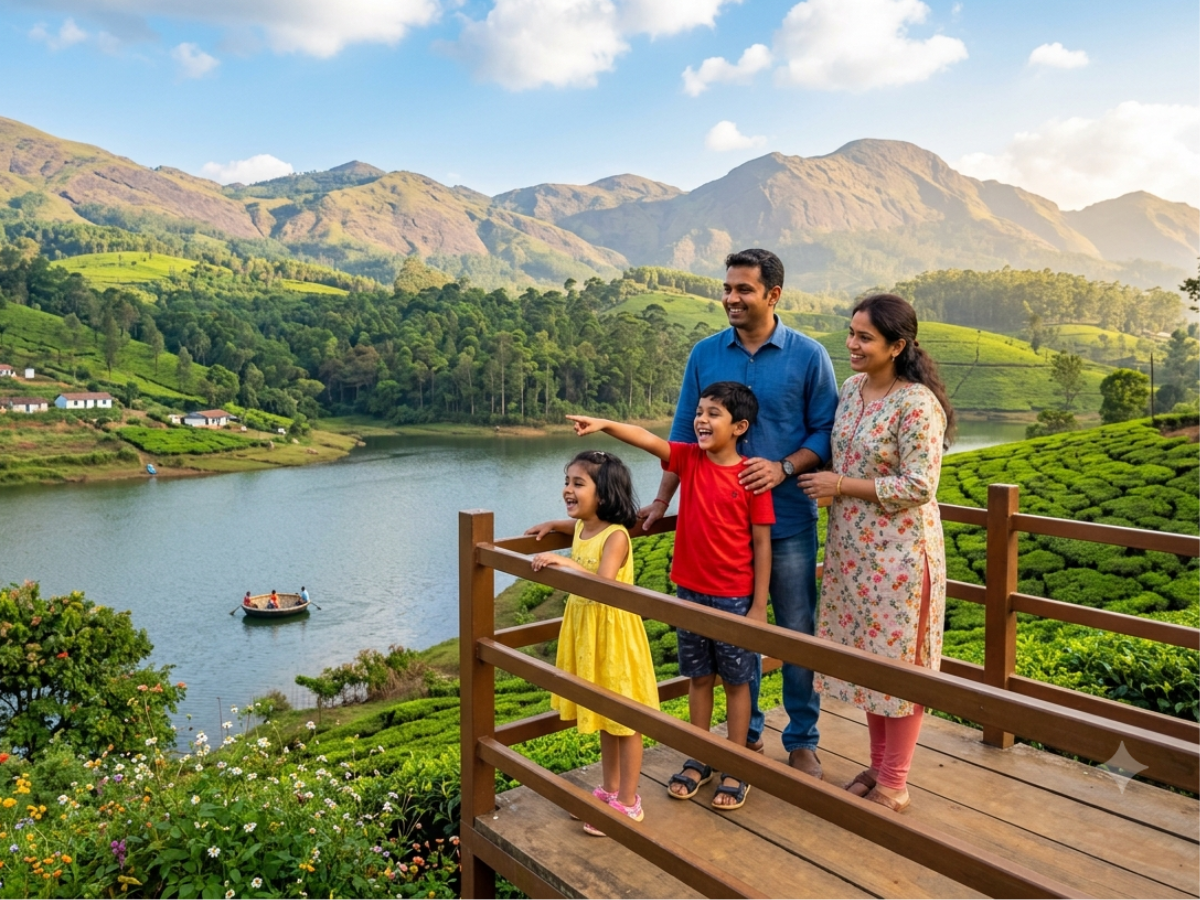
In India, the impact of filming locations on travel decisions is also becoming increasingly visible. Rajasthan's palaces and deserts have long attracted production crews, but specific sites like Jodhpur's Mehrangarh Fort, featured in various international productions, and the backwaters of Kerala, which have appeared in multiple streaming series, are now drawing visitors who arrive with a specific scene or visual in mind rather than a general interest in the region.
Guided filming-location tours, themed hotel experiences, fan itineraries, and museum exhibits built around productions are all becoming standard tourism products. Entertainment is no longer just content. It's infrastructure.
How Luxury Hotel Tourism Changed Through Entertainment
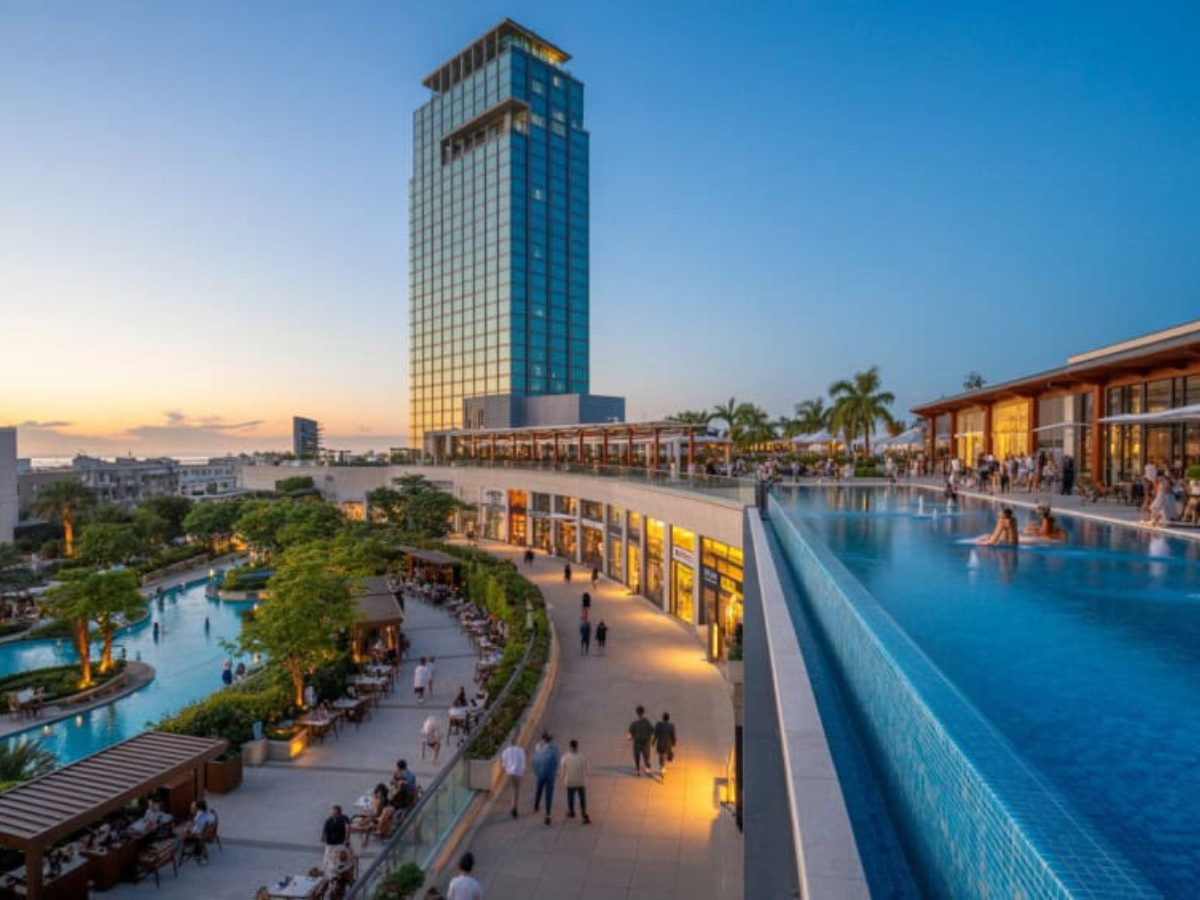
One of the most significant shifts connected to the White Lotus effect is in how luxury hotel tourism is marketed and chosen.
Luxury hotels were once sold primarily on amenities, architecture, and service quality. Detailed descriptions of thread counts, spa menus, and Michelin-starred restaurants were the standard language of high-end hospitality marketing.
That's changed. Luxury hotels are now increasingly marketed through storytelling and cinematic identity,This shift has also strengthened interest in luxury travel experiences in India that rival international holidays through palace stays, cinematic resorts, and immersive heritage experiences. and travellers are responding to that shift in their booking behaviour.
People aren't simply reserving rooms anymore. They're booking the resort from the show. The villa from the finale. The terrace from the scene that stayed with them for weeks. The emotional pull becomes significantly stronger because entertainment gives hotels a narrative that no amenity list can replicate.
The Four Seasons Resort Maui at Wailea in Hawaii, which appeared in season one of The White Lotus, reported significant booking increases following the show's release. San Domenico Palace in Taormina, Sicily, the setting for season two, became one of the most searched luxury hotels in Europe almost immediately after episodes aired. The Anantara Maenam Resort in Koh Samui, Thailand, featured in season three, experienced similar global attention before the season had even finished its run.
These aren't coincidences. They're the White Lotus effect in direct, measurable operation. Cinematic exposure creates emotional desire that translates into bookings in ways that traditional advertising has always struggled to achieve.
The Role of Social Media Influence
Entertainment alone doesn't drive these tourism trends. Social media amplifies them at a speed that would have been impossible even a decade ago.
The cycle now moves in a predictable pattern. A show releases globally on a streaming platform. Filming locations trend across social platforms within hours of episodes airing. Influencers travel to recreate scenes and document the experience. Travel content spreads across reels, short videos, and travel communities. The destination becomes a viral travel goal among audiences who may never have considered visiting it before.
The connection between social media influence and tourism behaviour has collapsed the time between a destination appearing on screen and visitors arriving at its door. In earlier decades, destination popularity grew slowly through word of mouth, travel journalism, and gradual reputation-building. Today, a single viral scene can reshape travel demand within weeks.
This explains why smaller destinations sometimes experience sudden, significant pressure. The Faroe Islands, which appeared in various streaming productions and received sustained social media attention, went from receiving around 100,000 annual visitors to over 300,000 within a few years. Infrastructure designed for a quiet, remote destination was never built for that volume.
In India, the Rann of Kutch experienced a notable surge in travel interest following social media exposure through travel content rather than traditional marketing. Hampi in Karnataka became a global slow travel destination partly through its visual spread across Instagram and travel reels. The social media influence on travel trends doesn't require a major production. Sometimes the content itself is the entertainment.
How Pop Culture Tourism Is Changing Traveller Behaviour
The rise of pop culture tourism has changed the starting point for how many people choose destinations, particularly younger travellers whose first exposure to a place often comes through a screen rather than a book, a recommendation, or a geography lesson.
Travellers shaped by streaming culture increasingly search for recognisable experiences, cinematic landscapes, and environments that already feel emotionally familiar. They want to participate in a story they feel connected to rather than simply observe a location they've been told is worth visiting.
This is particularly visible in fan travel behaviour. The Wizarding World studio tours in London and Hollywood consistently rank among the most visited entertainment attractions in their respective cities. BTS tourism has transformed specific neighbourhoods in Seoul into pilgrimage destinations for fans from across Asia, North America, and Europe. Studio Ghibli's museum in Mitaka, Japan, operates on a strict ticketing system because demand has consistently outpaced capacity for years.
In each case, the emotional investment created by the entertainment generates tourism loyalty that conventional destination marketing rarely achieves at the same intensity. People who visit because of a story they love tend to be more committed, more prepared to travel significant distances, and more emotionally engaged with the experience when they arrive.
The Influence of Entertainment on Cultural Tourism
Not all entertainment-driven tourism stays at the surface level of recognising a filming location and taking a photograph where a scene was shot.
The influence of entertainment on cultural tourism runs considerably deeper in many cases. Korean dramas didn't just make Seoul's Bukchon Hanok Village and Insadong neighbourhood popular filming locations. They increased genuine global interest in Korean food, language, traditional architecture, and neighbourhood culture in ways that have sustained long-term tourism growth well beyond any individual show's popularity.
Japanese anime has driven specific cultural tourism to real locations. Shirakawa-go in Gifu Prefecture, which resembles settings in several anime productions, receives visitors who arrive with a genuine interest in traditional gassho-zukuri farmhouse architecture as much as in the visual connection to fiction. The town of Oarai in Ibaraki Prefecture, featured in Girls und Panzer, became a cultural tourism destination that locals actively embraced and built infrastructure around.
Historical dramas, from Netflix's Bridgerton to various Indian period productions, have increased visitor interest in heritage sites, traditional crafts, regional food, and the specific architectural styles associated with the periods depicted.
When managed responsibly, this overlap between entertainment and cultural tourism produces genuine engagement with local identity rather than just consumption of visual content. The risk appears when destinations become entirely reduced to backdrop rather than culture, and when the filming location matters more to visitors than anything the place actually represents.
Why Fan Travel Is Becoming a Major Tourism Segment
Dedicated fan communities now shape tourism patterns in ways that destination marketing teams are actively building strategies around.
Fan travel involves visiting filming sites, attending themed events, staying at specifically featured hotels, recreating iconic scenes, and following itineraries built around characters or storylines that carry personal emotional significance. The tourism loyalty this creates is stronger than most conventional travel motivations because the emotional investment predates the trip entirely.
For some travellers, visiting a filming location feels genuinely meaningful because the entertainment carried significant emotional weight during a particular period of their life. The Harry Potter studios in Leavesden, England, attract visitors who grew up with those stories and are visiting something that shaped their childhood rather than simply a production facility.
The Downton Abbey effect on Yorkshire tourism, the Midsommar effect on Swedish summer destinations, and the Emily in Paris effect on specific Parisian arrondissements have all demonstrated that fan travel can redirect significant visitor numbers to places that weren't previously on mainstream tourism itineraries. Even smaller productions create this effect when the fan community is sufficiently engaged.
The Problem With Viral Destinations
The same mechanism that creates tourism opportunities for destinations also creates serious risk when it arrives faster than infrastructure can respond.
Viral destinations face a predictable set of challenges. Overcrowding at specific sites that were never designed for high visitor volume. Rising costs that affect local residents more than tourists. Environmental pressure on landscapes and ecosystems. Loss of the authentic local identity that made the destination worth filming in the first place. Infrastructure strain on roads, water systems, and waste management that were built for a fraction of the visitor numbers suddenly arriving.
Positano on Italy's Amalfi Coast, which has appeared in numerous productions and accumulated enormous social media visibility, now manages visitor flow through timed entry and seasonal restrictions because the village's narrow streets physically cannot absorb unconstrained tourism.
The Beach and Maya Bay: The Clearest Case Study
Maya Bay in Thailand is arguably the most documented case of entertainment-driven environmental destruction in modern tourism history.
The bay sits on Koh Phi Phi Leh, a small island in the Andaman Sea that had no real international profile before cinema found it. That changed in 2000 when Leonardo DiCaprio's adventure film The Beach used Maya Bay as its primary filming location. The film depicted the bay as an untouched paradise, hidden from the world and accessible only to those willing to seek it out.
The irony is that the film's global reach made it anything but hidden.
Within years of its release, Maya Bay went from receiving a few hundred visitors annually to tens of thousands per day at its peak. Longtail boats queued at the entrance from early morning. The coral reef, which had taken centuries to form, was damaged by boat anchors, sunscreen chemicals, and the sheer physical pressure of constant human presence. Fish populations collapsed. The white sand that looked pristine in DiCaprio's scenes turned grey and compacted under daily tourism traffic.
The damage built slowly at first and then accelerated. By the mid-2010s, the bay's ecosystem was in serious decline.
Thailand's authorities eventually closed Maya Bay entirely in 2018, nearly two decades after The Beach was released, to allow the ecosystem time to recover. It reopened in 2022 with strict visitor caps, a complete ban on boats entering the bay itself, and timed entry systems designed to prevent the unrestricted access that the film had effectively advertised to the entire world.
Maya Bay is now the clearest example of what the White Lotus effect looks like when a destination receives global visibility without any management infrastructure in place to handle what follows. The beach that a film made famous was nearly destroyed by the fame itself.
In India, Hampi, Chopta, and the areas around Dzükou Valley in Nagaland have all experienced periods where social media-driven visitor increases created pressure on fragile environments and local communities that had never anticipated or planned for that volume.
The White Lotus effect and the overtourism problem are directly connected.This is why conversations around responsible travel and avoiding overcrowded destinations are becoming increasingly important across the tourism industry. This is why conversations around responsible travel and avoiding overcrowded destinations are becoming increasingly important across the tourism industry. Visibility without visitor management is a formula for degradation of the very quality that made a destination worth featuring in the first place.
How Destination Marketing Is Evolving
Tourism boards have understood the direction of this shift and are adapting their strategies around it.
Modern destination marketing increasingly focuses on cinematic storytelling, collaborations with production companies, influencer partnerships built around specific visual aesthetics, and entertainment alignment that creates emotional connection before any direct advertising begins. The goal is emotional familiarity rather than informational reach.
New Zealand's Tourism New Zealand has been one of the most studied examples of this approach, having built a sustained global tourism identity around its film production landscape that has outlasted any individual production. Georgia in the United States actively markets its filming location credentials as part of its tourism and economic development strategy. The UK's VisitBritain has maintained dedicated content around filming locations from Downton Abbey to The Crown to Bridgerton as sustained tourism products rather than one-off campaign hooks.
In India, destinations like Rajasthan and Kerala are increasingly being positioned through visual and cinematic language by EaseMyTrip Holidays and other tourism stakeholders, recognising that emotional storytelling now reaches travellers more effectively than information-heavy promotional content.
People remember scenes, moods, characters, and the specific quality of light in a location that moved them. They don't remember brochure statistics. Destination marketing that understands this distinction is operating in the same emotional register as the entertainment driving modern travel decisions.
Why the White Lotus Effect Reflects a Bigger Shift
The White Lotus effect is not really about one television show, or even about luxury resorts specifically. It's a reflection of something larger happening in how modern travellers discover, imagine, and emotionally connect with places before they ever arrive at them.
People increasingly want destinations that already feel emotionally familiar.The same emotional pull is also shaping niche travel trends like runcations and marathon-focused travel vacations where experiences are tied to passion and lifestyle identity. They want to walk into a place carrying a feeling rather than arriving as strangers to a geography. Entertainment creates that familiarity faster and more effectively than traditional tourism campaigns have ever managed. At the same time, travellers are becoming more visually driven, more socially influenced, and more experience-focused in what they're looking for when they travel.
Travel is no longer shaped only by geography or infrastructure or heritage.Even shorter escapes are now being influenced by emotional storytelling, with many travellers choosing weekend getaways that help reset the mind and improve productivity based on how destinations feel rather than how famous they are. It's increasingly shaped by storytelling. And the platforms delivering those stories, streaming services, social media channels, fan communities, short-form video, are only becoming more global and more influential.
The Future of Pop Culture Tourism
Entertainment-driven travel will continue growing because streaming culture has become genuinely global in a way that broadcast television never managed to be. A show produced in Thailand is watched in Brazil, Norway, and India simultaneously. A Korean drama reshapes tourism interest in Seoul for visitors from countries that have no historical connection to Korea. The audience for any given piece of entertainment is now potentially the entire world, and so is the tourism interest it generates.
Future travel trends connected to this shift will likely include interactive fan experiences built into tourism infrastructure, entertainment-themed itineraries offered as standard products by travel platforms, location-based storytelling tourism that layers narrative onto physical destinations, and immersive hospitality experiences designed specifically around cinematic aesthetics and cultural tourism narratives.
At the same time, destinations will need substantially stronger visitor management strategies to handle the speed at which entertainment-driven interest can arrive. The challenge going forward won't be visibility. Most destinations that appear in globally distributed entertainment will get more visibility than they can immediately handle.
The challenge will be balance. Because while the White Lotus effect and its equivalents can introduce the world to extraordinary places almost overnight, sustainable tourism still depends on protecting those places from the weight of the attention they receive. The point of arriving somewhere because a story made it feel worth visiting is that the place is still worth experiencing when you get there.
FAQs About the White Lotus Effect and Pop Culture Tourism
What is the White Lotus effect in tourism?
The White Lotus effect describes the surge in tourism demand that follows when destinations appear prominently in popular entertainment, particularly streaming television. Named after the global success of The White Lotus series, the term now broadly describes how entertainment-driven visibility transforms real locations into tourism hotspots at a speed that traditional destination marketing cannot match. The effect is driven by emotional association rather than just visual exposure.
How do TV show locations influence travel decisions?
TV show locations create emotional familiarity before a traveller has made any booking decision. Viewers absorb atmosphere, lifestyle, and a sense of what it might feel like to be in a place through scenes that carry narrative and emotional weight. By the time they search for travel options, the destination already feels known in a way that makes the decision easier and the motivation stronger than information-based advertising typically achieves.
What is pop culture tourism?
Pop culture tourism involves travelling to destinations associated with films, television shows, music, fandoms, or entertainment franchises. It ranges from visiting specific filming locations to staying at hotels featured in productions, attending events connected to entertainment properties, and following itineraries built around characters or storylines that carry personal significance for the traveller.
Why are filming locations becoming major tourist attractions?
Filming locations offer travellers something that conventional sightseeing doesn't: emotional pre-connection. Visiting a location already encountered through entertainment that meant something feels participatory rather than observational. Destinations like Dubrovnik, the Hobbiton set in New Zealand, and Bukchon Hanok Village in Seoul have all demonstrated that filming location tourism can sustain visitor interest long after the productions themselves have concluded.
How does social media influence tourism trends?
Social media amplifies entertainment-driven tourism interest at speeds that would have been unimaginable before streaming culture became global. The cycle of a show releasing, locations trending, influencers travelling to recreate scenes, and content spreading across short-form video platforms can transform a destination's global travel profile within weeks. Social media influence now functions as the distribution network for tourism interest that entertainment generates.
What is luxury hotel tourism and how has it changed?
Luxury hotel tourism focuses on premium hospitality experiences, and its marketing language has shifted significantly toward cinematic storytelling and emotional identity. Hotels featured in major productions now market their entertainment credentials as actively as their amenities, because travellers increasingly book based on narrative association rather than specification comparison. The Four Seasons Maui, San Domenico Palace in Sicily, and similar properties have demonstrated the direct commercial impact of entertainment visibility on luxury hotel tourism demand.
Can the influence of entertainment support cultural tourism positively?
Yes, when managed responsibly. Korean dramas have increased genuine global interest in Korean food, language, traditional architecture, and neighbourhood culture beyond any individual filming location. Japanese anime has driven cultural tourism to real heritage sites and traditional communities. Historical dramas have renewed visitor interest in heritage architecture and regional craft traditions. The influence of entertainment on cultural tourism becomes genuinely valuable when it generates curiosity about a culture rather than just recognition of a backdrop.
What challenges do viral destinations face?
Viral destinations typically face overcrowding at specific sites, rising costs for local residents, environmental pressure on landscapes and ecosystems, infrastructure strain, and the gradual erosion of the authentic local identity that made them worth featuring in the first place. Maya Bay in Thailand, which became famous through Leonardo DiCaprio's The Beach, is among the most documented examples, having required complete closure and a full management overhaul after entertainment-driven visitor surges caused severe environmental damage over two decades.
Why is fan travel becoming a major tourism segment?
Fan communities travel with a level of emotional investment and destination loyalty that conventional tourism motivations rarely generate. Visiting a filming location or entertainment-themed destination carries personal significance connected to stories that mattered during specific periods of a traveller's life. That emotional weight creates stronger commitment, longer planning horizons, and more engaged visitor behaviour than standard destination tourism typically produces.
How is destination marketing evolving in response to pop culture tourism?
Modern destination marketing increasingly operates in the emotional register of entertainment rather than the informational register of traditional advertising. Tourism boards are investing in cinematic storytelling, production collaborations, influencer partnerships built around specific visual aesthetics, and long-term entertainment alignment that builds emotional familiarity before any direct promotional message is delivered. New Zealand's sustained film-tourism strategy and the UK's ongoing Bridgerton and Crown location marketing are among the most studied examples of this shift in destination marketing approach.






 May 21, 2026
 Share
Share
 Download as PDF
  From
From 
 Departure Date
 Travellers & class
 Rent For
 Departure Date


 Share
Share
{{cmnt.comment}}