Travel Tips

Finding the Quiet Corners - Where to Go When India Heats Up

Anushka Pandey Calendar March 28, 2026

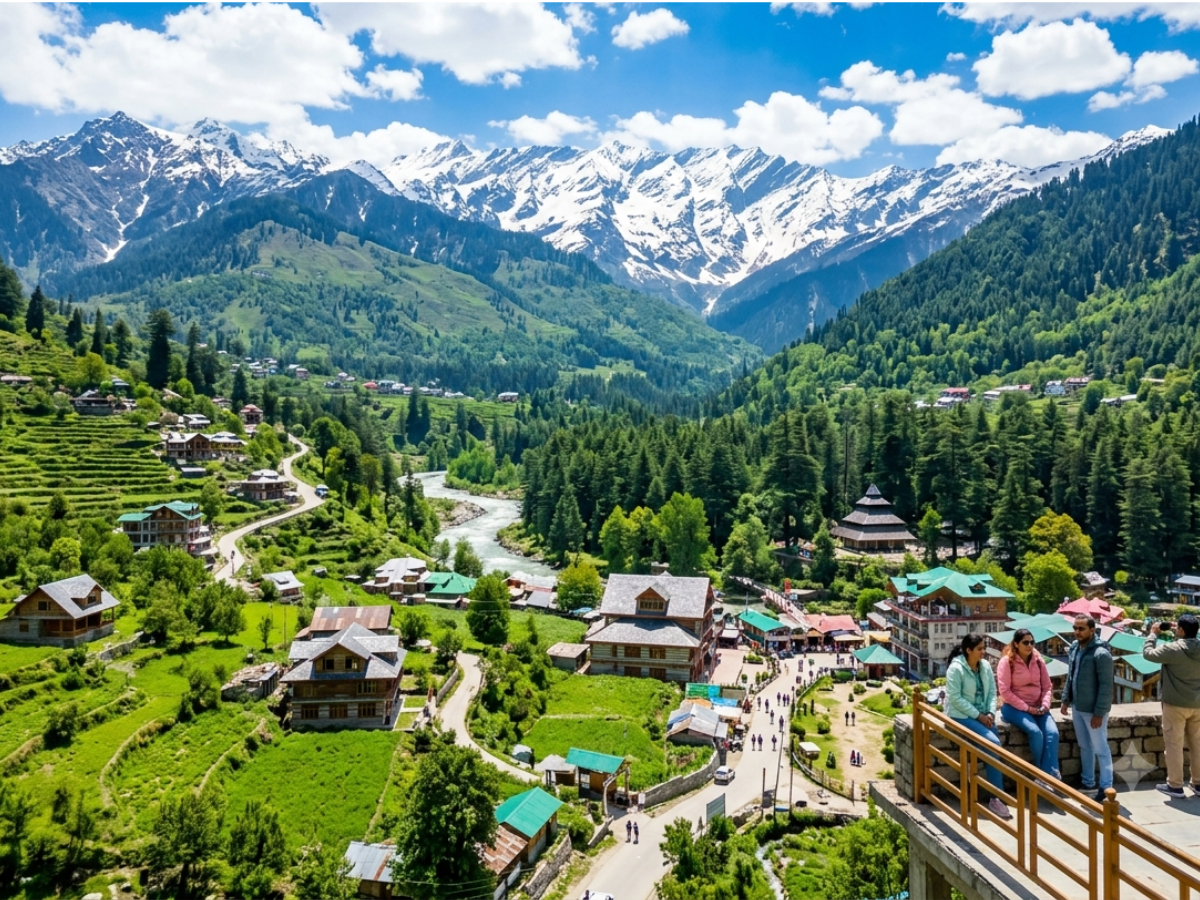
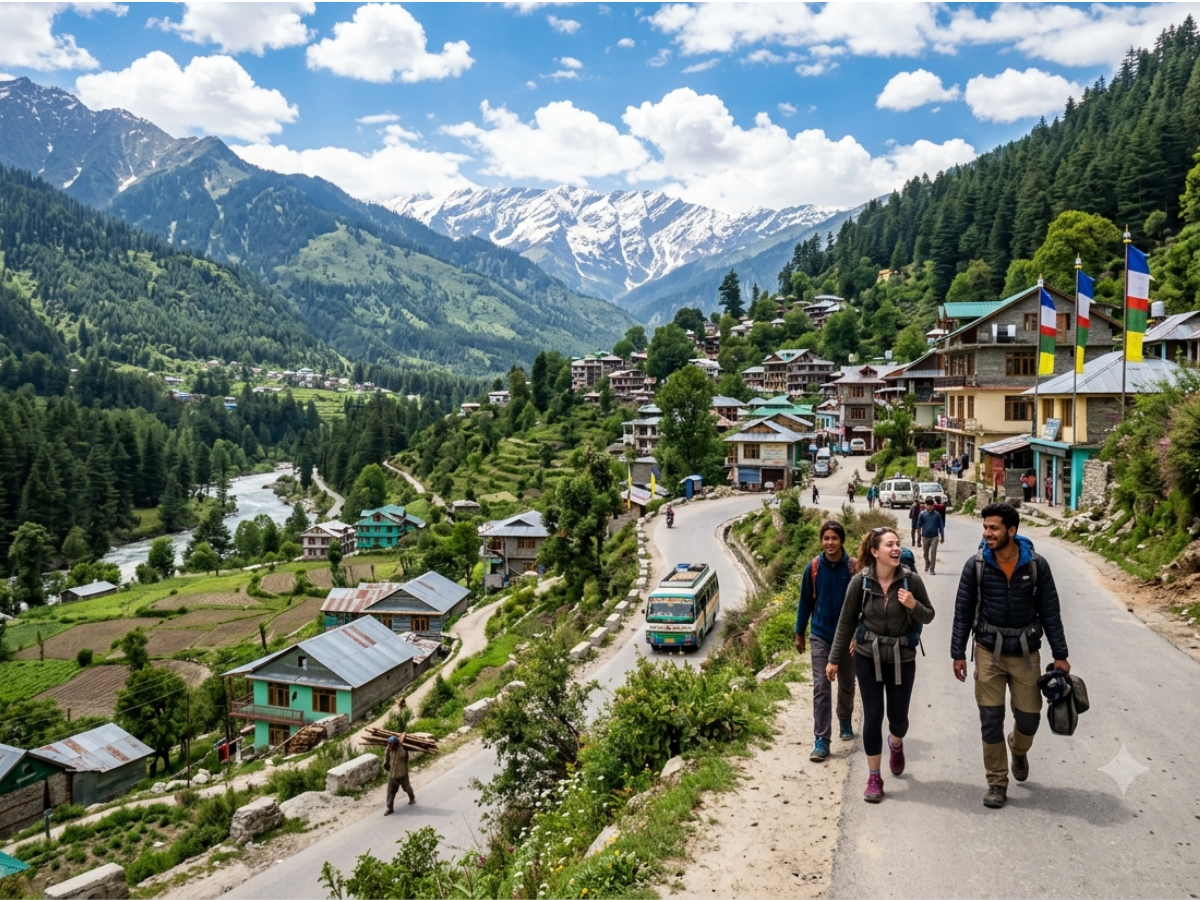
When India's summer heat becomes unbearable on the plains, mountain destinations offer cool refuges with temperatures ranging from 5°C to 25°C. The best places to visit in India during summer include Spiti Valley and Shoja in Himachal Pradesh, Pelling and Tawang in the Northeast, Munnar, Coonoor, and Wayanad in the Southern Western Ghats, Ladakh with its dramatic landscapes, and Munsiyari and Binsar in Uttarakhand. These destinations combine cooler temperatures with fewer crowds than popular hill stations like Shimla and Manali.

Table of Content 

The Indian summer isn’t just a season. It’s a physical presence. By the time May rolls around, the plains are shimmering under a heat that feels less like weather and more like an ultimatum. People start looking toward the horizon, specifically where the land starts to wrinkle into mountains.

Finding the best places to visit in India in summer usually involves a trade-off. Many travellers now prefer exploring stunning Indian destinations over abroad for equally breathtaking experiences without leaving the country. You want the cool air, but you don’t necessarily want the crowds that have the exact same idea. It’s a bit of a puzzle. Sometimes, even short weekend getaways to reset your mind can offer the break you’re looking for without long travel plans. You’re looking for those spots where the air actually moves, where the shadows are deep, and where you don't feel like you're standing in a queue just to see a viewpoint.

The Higher Grounds of Himachal

The Higher Grounds

There is a reason everyone talks about Himachal Pradesh. It’s reliable. But the trick to a good summer vacation destination in India is knowing when to turn off the main road. While everyone else is jostling for space on the Mall Road in Shimla, there are valleys just a few hours away that feel like a different planet. These regions are part of the unexplored hill stations in India that remain untouched by heavy tourist crowds.

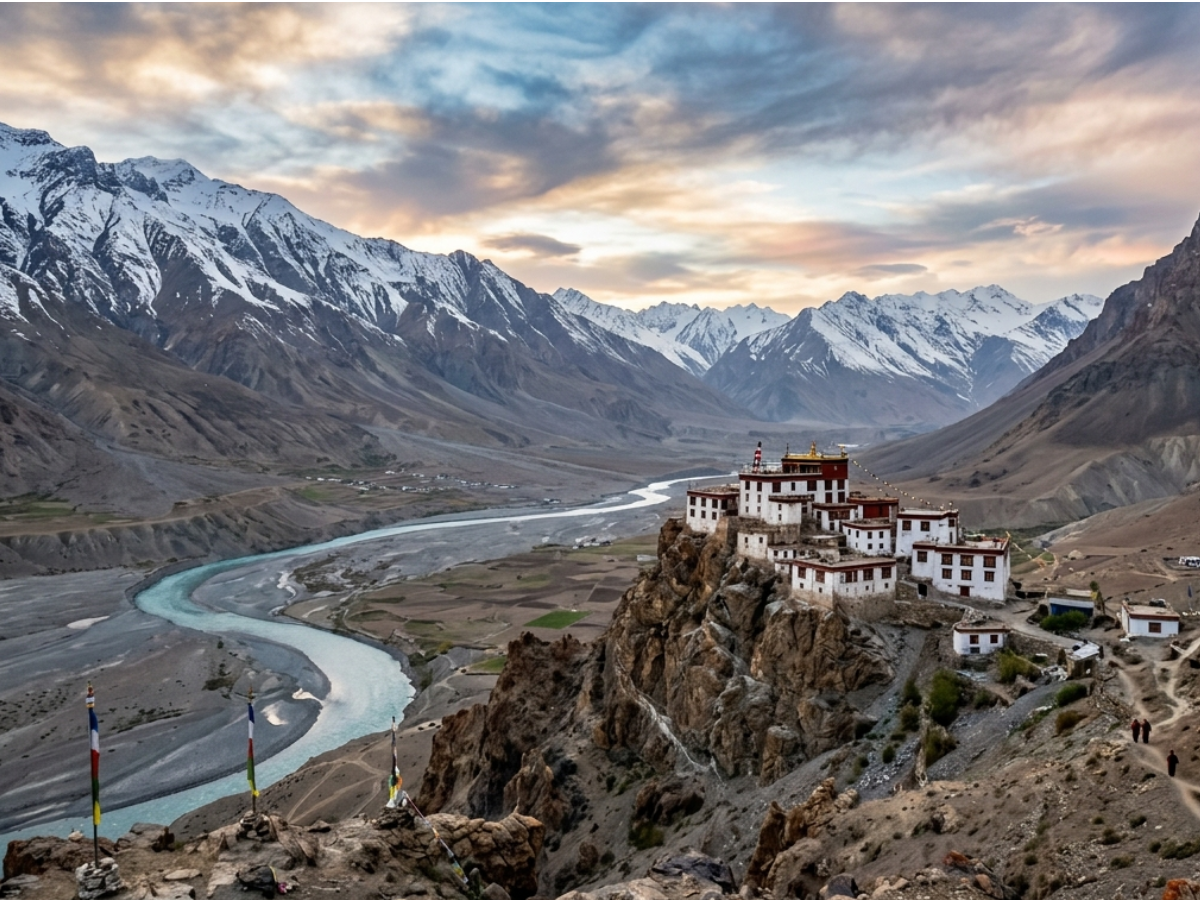
Take Spiti, for instance. It isn’t "cool" in the way a misty forest is cool. It’s high-altitude desert cold. It’s stark. The sun is sharp, but the air is crisp and thin. It’s the kind of place that demands a bit of effort to reach, which is exactly why it stays quiet. You sit in a monastery that’s been there for a thousand years, looking out at a landscape that hasn't changed much in ten thousand, and the heat of the plains feels like a fever dream you had a long time ago.

Then there’s Shoja. It’s a small village in the Seraj Valley. It doesn't have a lot of "attractions" in the traditional sense. No cable cars or wax museums. Just wooden houses and slopes covered in iris flowers. It’s one of those cool places in India summer travellers often overlook because they’re too busy rushing toward Manali. In Shoja, the main activity is walking to a meadow and sitting down. Maybe watching the clouds roll over the Jalori Pass. It’s slow. It’s quiet. It feels like breathing again.


The Misty Logic of the Northeast

The Northeast is different. It doesn’t feel like the rest of the country. In places like Sikkim or the higher reaches of Arunachal Pradesh, the summer is more about mist and greenery than just escaping the sun.

Pelling is a good example. While Gangtok gets the lion's share of the tourists, Pelling sits back and looks at the Kanchenjunga. The mountains here don’t just sit on the horizon; they feel like they’re looming over your shoulder. The air is damp and smells of pine and wet earth.

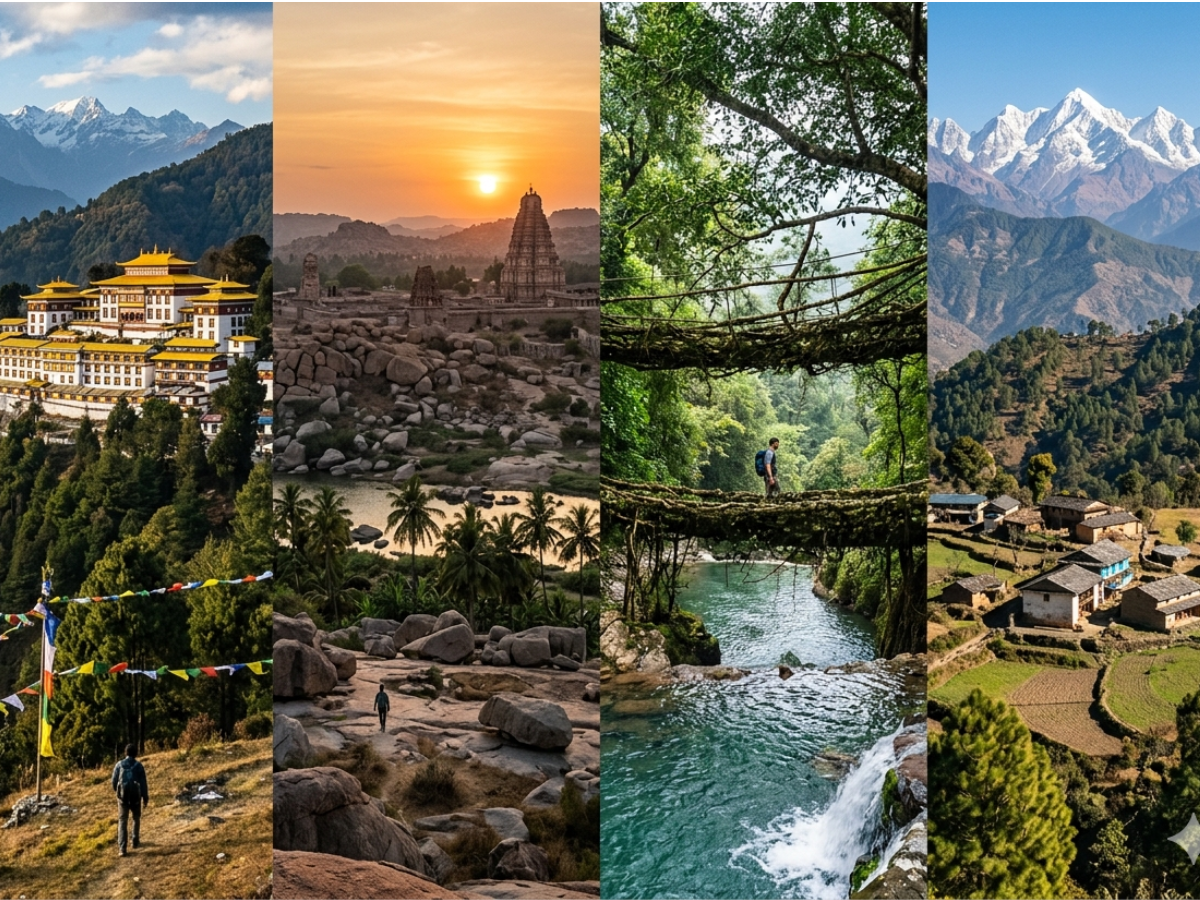
  • Tawang, Arunachal Pradesh: This is for the person who doesn't mind a long drive. It’s one of the best summer travel India has to offer if you want scale. The Tawang Monastery is massive, yet it feels intimate when you’re standing in the courtyard listening to the monks. The Sela Pass on the way up often still has snow clinging to the edges of the road in June. It’s a reminder that winter never really leaves these heights; it just takes a nap.

There is a certain rhythm to the rain here too. It’s not the heavy, gray monsoon of July, but light, unpredictable showers that turn the moss a shade of green that looks almost artificial. You find yourself drinking a lot of tea and waiting for the clouds to part so you can see the peaks. It’s a lesson in patience.

The Southern Escapes

The Southern Escapes

People often think the South is a no-go in summer. While summers focus on hills, the top beach places to visit in January are perfect for coastal travel during cooler months.They assume it’s all humidity and heat. That’s true for the coast, but the Western Ghats are a different story. The summer hill stations India boasts in the south, like Munnar or Coonoor, have a very specific kind of charm. It’s all about the plantations.

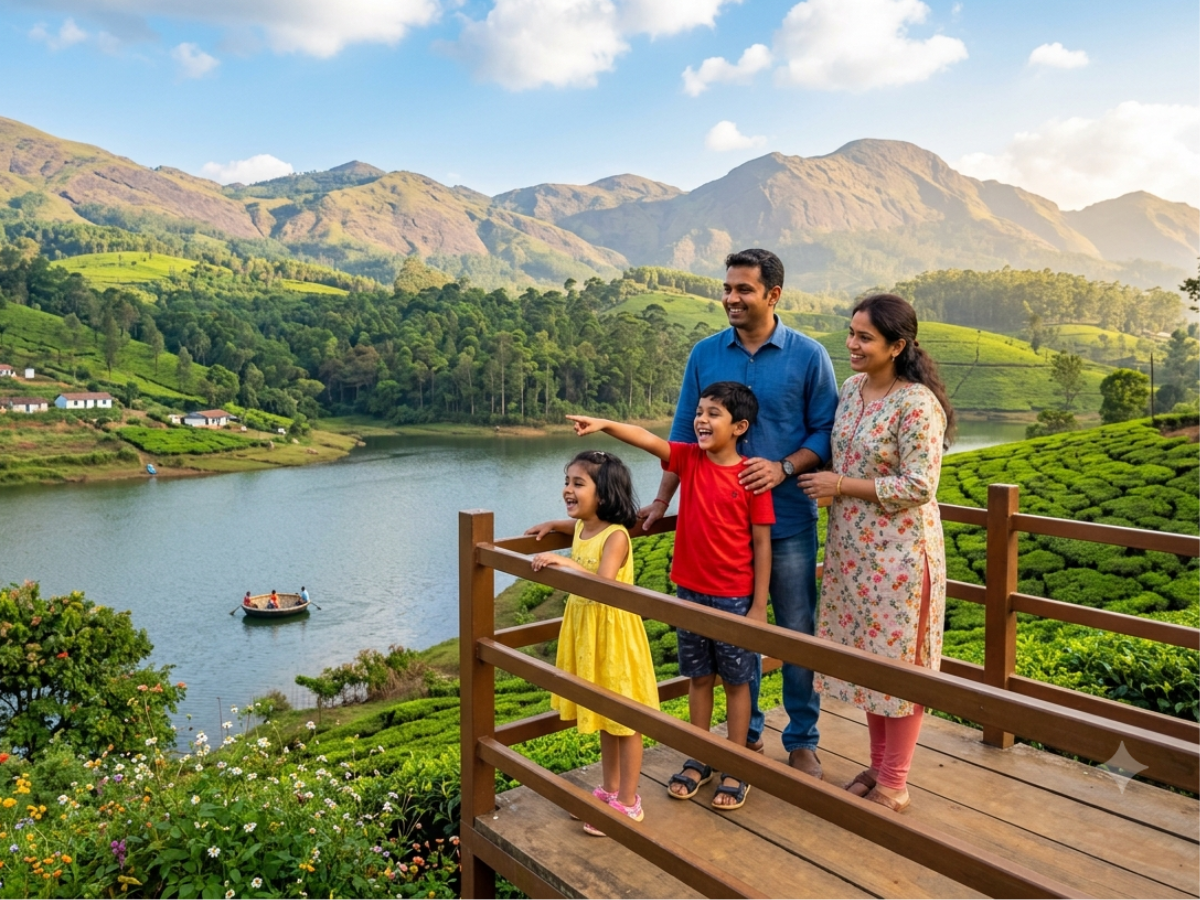
Munnar in May is a sea of green. The tea bushes are trimmed so neatly they look like a velvet carpet draped over the hills. It’s organised beauty. But if you want something a bit more rugged, you head toward Wayanad. It’s lower in altitude than the Himalayas, sure, but the density of the forest keeps the temperature down. You’re trading the sharp cold of the north for a soft, shaded coolness.

Coonoor is the quieter sibling of Ooty. It’s where you go to avoid the "tourist circuit". You stay in an old colonial bungalow, eat homemade jam, and watch the toy train puff its way through the valley. It feels nostalgic. It’s a place that hasn't quite caught up with the frantic pace of the 21st century, and in the middle of a hot summer, that’s exactly what you need.

Destination

Best For

Temperature Range (Summer)

Spiti Valley

Adventure & Solitude

5°C- 20°C

Munnar

Tea Gardens & Relaxation

15°C- 25°C

Pelling

Mountain Views

10°C- 22°C

Shoja

Quiet & Hiking

12°C- 24°C

Ladakh: The Ultimate High

You can't talk about summer travel without mentioning Ladakh. It’s the peak season for a reason. The passes open up, the ice on Pangong Lake melts into a blue that doesn't look real, and the whole region wakes up from its winter sleep.

It’s a strange place, Ladakh. It’s a land of extremes. You can get a sunburn and frostbite in the same afternoon if you aren't careful. But there is a clarity to the light there that you don't find anywhere else. Everything is sharp. The shadows are black, the sky is a deep indigo, and the prayer flags are bright splashes of primary colours against the brown mountains.

It’s not a "relaxing" holiday in the way a beach trip is. The altitude takes a toll. You have to move slowly. You have to drink a lot of water. But that forced slowness is part of the appeal. It makes you pay attention to the small things—the taste of butter tea, the sound of the wind, the way the light changes on the mountains at sunset. It’s a reset for the system.

The Forgotten Valleys of Uttarakhand

Uttarakhand is often synonymous with pilgrimage sites, but beyond the temple towns lie places like Munsiyari. It’s often called "Little Kashmir." It sits at the base of the Panchachuli peaks.

In summer, the rhododendrons are in bloom. The forests are vibrant. It’s a long haul to get there—maybe a two-day drive from the nearest major city—but that’s the barrier to entry. It keeps the crowds away. You can walk for hours on the forest trails and not see another soul except maybe a local shepherd.

Binsar is another one. It’s a wildlife sanctuary, but the real draw is the 300-kilometer view of the Himalayas. You stay in a guesthouse inside the forest, and at night, it’s so quiet you can hear your own heartbeat. There’s no electricity in some parts, just solar lamps and wood fires. It’s basic. It’s grounded. It’s perfect.


Thinking About the Practicalities

Traveling in India during the summer requires a bit of a shift in mindset. Understanding the best time to visit India can help you plan better and avoid extreme weather conditions. You have to be okay with plans changing. Roads in the mountains can be unpredictable. A sudden rainstorm can stall your travel for a few hours.

You also have to be mindful of the ecosystem. These hill stations are fragile. The water crisis is a real thing in places like Shimla and Leh during peak summer. Being a conscious traveller means being careful with how much water you use and making sure you aren't leaving a trail of plastic bottles behind you. It sounds like a small thing, but when thousands of people arrive at once, those small things add up.

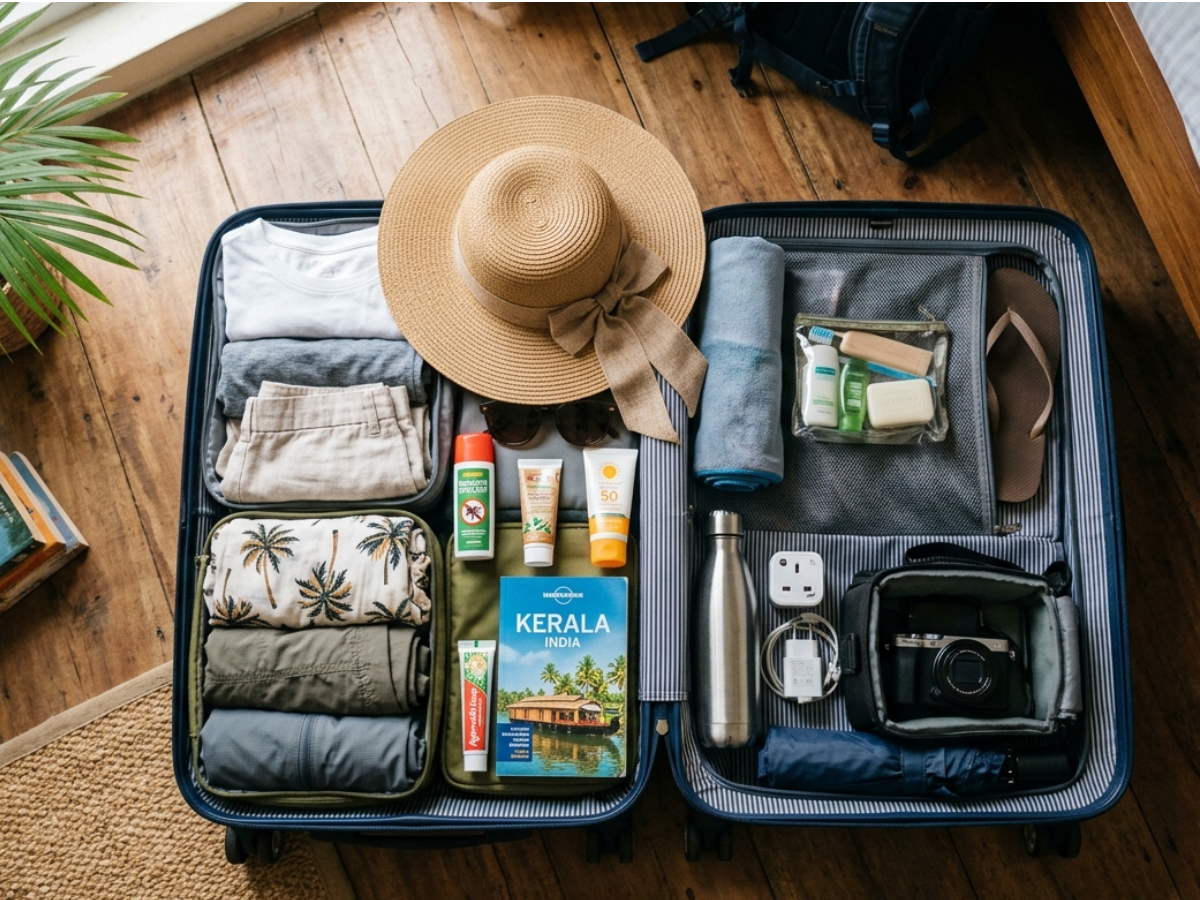
Pack layers. People make the mistake of thinking summer means t-shirts only. In the mountains, as soon as the sun drops behind a ridge, the temperature plummets. A light fleece or a windbreaker is usually your best friend.

Finding Your Own Path

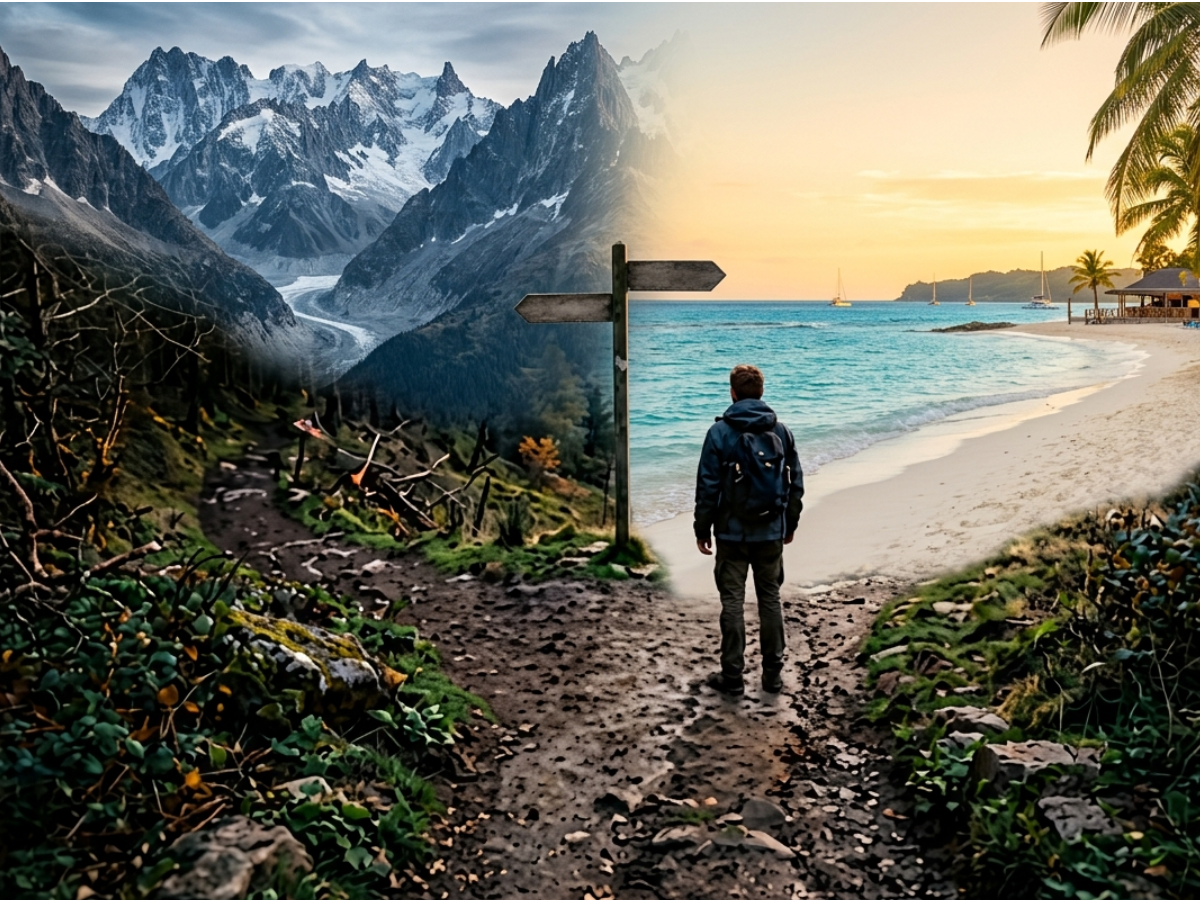
At the end of the day, the best places to visit in India in summer are the ones that resonate with what you need. If you need adrenaline, you head to the rivers of Rishikesh or the passes of Ladakh. If you need to disappear for a while, you find a hamlet in the Kumaon hills or a tea estate in Kerala.

India is too big to be seen in one go, and the summer is too short to spend it all in one place. Pick a region, go deep, and let the landscape dictate the pace. Don't try to see everything. Just try to see one or two things really well.

The heat will still be there when you get back, but you’ll have a bit of that mountain chill tucked away in your memory to get you through the rest of the season.

People Also Ask

Which is the coldest place in India during summer?

Drass in Ladakh is technically one of the coldest inhabited places, but for a standard vacation, places like Leh, Spiti Valley, and higher reaches of North Sikkim remain very cool, often requiring heavy woollens at night.

Are hill stations crowded in May and June?

Yes, the popular ones like Manali, Shimla, and Ooty get very crowded. To avoid this, look for "satellite" towns—smaller villages located 20-30 kilometers away from the main hubs.

Is it safe to travel to the Himalayas in summer?

Generally, yes. It is the best time for road trips. However, early June can sometimes bring pre-monsoon showers which might cause minor landslides. Always check local weather reports before heading out on long mountain drives.

Can I see snow in India during summer?

You can find old snow at high-altitude passes like Rohtang Pass (near Manali), Zero Point (Sikkim), or Khardung La (Ladakh). Actual snowfall is rare but can happen at very high altitudes during a storm.

Is the South of India too hot for a summer vacation?

The coastal areas are hot and humid, but the hill stations of the Western Ghats (like Munnar, Coonoor, and Kodagu) are very pleasant and offer a great escape from the heat.

Like
Liked
Share Share
Comments ({{commentLength}})
  • {{cmnt.userId.substring(0,1)}} {{cmnt.userId}}

    {{cmnt.comment}}

Location Icon From
  • Flight

    {{fra.City}}

    {{fra.AirportName}}

    {{fra.Country}}
Location Icon To
  • Flight

    {{to.City}}

    {{to.AirportName}}

    {{to.Country}}

Calender Icon Departure Date

Travellers Icon Travellers & class
1 Traveler
Search Flights
Location Icon Enter City name
  • Flight

    {{hca.name}}

Calender Icon Check-In

Calender Icon Check-Out

Guests & Room
{{hotelGuest}} Guests {{totalRoom}} Room
Search
Location Icon From
Cities
Location Icon To
Cities

Calender Icon Pickup Date

Pickup Time

Search
Location Icon Source City
Location Icon Destination City
Departure Date
Search
Location Icon Source City
Location Icon Destination City
Departure Date
Search
Location Icon Destination Name
  • {{ct.city}}

Search