Singapore may be compact, but it offers an impressive mix of world-class attractions, cultural neighborhoods, and unforgettable experiences that make it ideal for a 3–5 day getaway. From the futuristic beauty of Gardens by the Bay and panoramic views at Marina Bay Sands SkyPark to the thrills of Universal Studios, scenic cable car rides, authentic hawker food, vibrant districts like Chinatown and Little India, and the leisure-filled Sentosa Island, every activity showcases a different side of the city. With efficient public transport, a blend of free and paid attractions, and smart itinerary planning through EaseMyTrip, travelers can enjoy a seamless and rewarding Singapore vacation without feeling rushed.
Singapore is small enough to feel manageable and dense enough to keep surprising you. First-time visitors often arrive expecting a clean, efficient city and leave having underestimated how much is actually packed into 730 square kilometres. The food alone could fill a week. The architecture is another. The problem is not finding things to do in Singapore; it is deciding what to prioritise. This list cuts through the noise. These are not filler entries added to reach a number. Each one earns its place because it delivers something genuinely distinct, not just something that photographs well. If you're planning your first visit, you can also explore this complete guide to the best places to visit in Singapore to build a well-rounded itinerary.
Why Singapore Works as a Short-Trip Destination
Most travellers stay in Singapore for three to five days. That is enough time to see the city meaningfully if the Singapore itinerary is planned with some intention. The public transport system is among the best in the world: clean, punctual, and cheap, which means moving between areas is rarely the constraint. The constraint is time, which makes a considered list of priorities more useful than a comprehensive one.
Singapore tourist attractions range from world-class nature experiences to some of the best urban design in Asia. The trick is not trying to do everything but doing the right things properly.
7 Must-Do Activities in Singapore
1.Gardens by the Bay
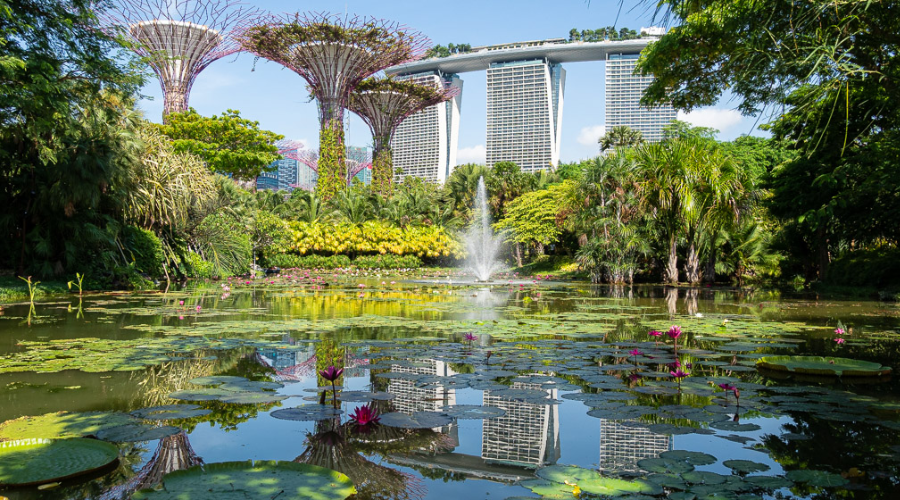
Gardens by the Bay Singapore is one of those rare attractions that exceeds its own reputation. The Supertree Grove, eighteen tree-like vertical gardens rising up to 50 metres, is striking during the day and genuinely spectacular after dark during the Garden Rhapsody light and sound show, which runs twice nightly and costs nothing to watch from the ground.
The two climate-controlled conservatories, the Flower Dome and the Cloud Forest, are worth the entry fee. The Cloud Forest in particular, a 35-metre indoor waterfall surrounded by cool-mist vegetation, is unlike any horticultural experience most visitors will have encountered elsewhere. Allow at least three hours for the full site, more if the conservatories are included. Arrive before 8pm to catch the light show without a wait. The OCBC Skyway walkway through the Supertree canopy offers views over the bay that are different from anything at ground level.
2. Marina Bay Sands SkyPark
Marina Bay Sands Singapore is the kind of building that earns its place on every Singapore itinerary simply because it dominates the skyline so completely that not visiting feels like an omission. The SkyPark observation deck on the 57th floor sits on top of the three towers and offers an uninterrupted 360-degree view over the city, the strait, and into Malaysia on clear days.
The infinity pool on the SkyPark is accessible only to hotel guests, which is worth knowing before planning around it. The observation deck is open to non-guests with a ticket, and the view justifies the cost. Early evening, just as the city lights come on, is the best window for the combination of skyline and atmosphere. The casino, shopping mall, and hotel lobby are all publicly accessible and worth a wander even without a reservation or gaming intention.
3. Universal Studios Singapore
Universal Studios Singapore on Sentosa Island is the only Universal Studios park in Southeast Asia, which partly explains why it draws the crowds it does. For families, it is a near-essential stop. For adults travelling without children, it still earns its place as a well-executed theme park with shorter queues than its American equivalents and a compact layout that makes it possible to cover most zones in a single day.
The Battlestar Galactica roller coasters and the Transformers ride are the headline attractions, but the park's design of themed zones that create genuinely immersive environments makes the experience more than the sum of its individual rides. Book tickets online in advance. Weekend queues for popular rides can be significant, and the express pass, while an added cost, meaningfully changes the experience on busy days. Beyond theme parks, the city also offers plenty of thrilling experiences. Discover more adventurous activities in Singapore to add to your itinerary.
4. Singapore Cable Car
The Singapore cable car connects Mount Faber on the main island to Sentosa via two stations, offering views over Keppel Harbour and the southern port, one of the busiest in the world, that are not accessible from ground level anywhere nearby.
What makes the cable car worth doing rather than just convenient is the perspective it provides. The volume of container ships anchored in the strait is striking in a way that maps and statistics do not convey. It is a Singapore activity that doubles as a genuine piece of context about what the city actually runs on. The Mount Faber station is accessible by foot from Harbourfront MRT. Evening crossings, with the harbour lights reflecting on the water below, are particularly atmospheric.
5. Hawker Centre Eating
Singapore's hawker centres are not a tourist attraction in the formal sense. They are where the city eats genuinely, daily, across every income level and demographic. Maxwell Food Centre, Lau Pa Sat, and Old Airport Road Food Centre are among the most established, but the neighbourhood centres away from the tourist circuit, Chomp Chomp in Serangoon and Tiong Bahru Market, offer an experience that feels less curated.
Eating at a hawker centre properly means sitting at a shared table, ordering from multiple stalls, and taking time rather than grabbing something between sights. A full meal with drinks rarely exceeds SGD 8 to 10 per person. For visitors on a Singapore itinerary that has leaned heavily towards paid attractions, this is also a welcome recalibration of the budget. Char kway teow, Hainanese chicken rice, laksa, and chilli crab are the dishes most worth seeking out, though the latter is better at a dedicated seafood restaurant than a hawker stall. Still wondering what makes the city so popular? Here are 5 reasons why you should travel to Singapore.
6. Chinatown and Little India
Singapore's ethnic neighbourhoods are not theme parks of culture; they are working residential and commercial areas that happen to contain some of the city's oldest temples, best street food, and most characterful architecture. Chinatown's Sri Mariamman Temple and Buddha Tooth Relic Temple sit within a few minutes' walk of each other. Little India's Tekka Centre market and Sri Veeramakaliamman Temple are worth an unhurried morning.
The value here is in wandering rather than ticking. These are the areas of Singapore that feel least like a managed experience and most like a city with actual history, which is a different feeling from the gloss of the Marina Bay waterfront. For anyone mapping out things to do in Singapore beyond the headline attractions, these neighbourhoods are where the city reveals itself most honestly.
7. Sentosa Island
Sentosa is Singapore's leisure island, home to Universal Studios, Resorts World, beaches, and more Singapore activities than most visitors have time for in a single visit. The beaches Siloso, Palawan, and Tanjong are not the finest in the region by any objective measure, but they are clean, accessible, and backed by a reasonable selection of beach bars and restaurants.
The island works best as a half-day or full-day excursion rather than a brief stop. Combining Universal Studios with a beach afternoon and dinner at one of the waterfront restaurants makes for a well-structured day without feeling rushed. If you have extra time after sightseeing, don't miss some of the best rooftop bars in Singapore for spectacular skyline views after sunset.
Planning Notes for a Singapore Trip
Singapore is expensive relative to the rest of Southeast Asia, but the cost gap narrows significantly when eating at hawker centres, using public transport, and mixing paid attractions with free ones. Gardens by the Bay's outdoor areas and light show, the Marina Bay waterfront walk, and the ethnic neighbourhood streets all cost nothing.
The city is hot and humid year-round, with the northeast monsoon season running from November to January bringing heavier rainfall. Rain in Singapore tends to be intense but brief; carrying a compact umbrella is more practical than reorganising plans around forecasts. If you're planning your holiday during the warmer months, you may also like these cool summer holiday destinations in India for your next getaway.
How EaseMyTrip Makes Singapore Trip Planning Simpler
Coordinating flights, accommodation, and a full Singapore itinerary across multiple booking platforms adds friction to the planning process that most travellers would rather avoid. EaseMyTrip has been integrating AI-powered tools that surface the right combination of flight options, hotel availability near key Singapore tourist attractions, and activity suggestions based on trip duration all within a single planning interface.
For first-time visitors building a Singapore trip from scratch, the ability to compare flight timings against check-in windows and arrival times without switching between multiple tabs removes a layer of planning complexity that usually goes unacknowledged. As AI continues to make travel platforms more responsive to individual itinerary needs, EaseMyTrip is developing towards a platform that helps travellers plan the full trip, not just the flight. For a destination as efficiently navigable as Singapore, that kind of integrated planning support makes a real difference to how the trip actually unfolds. Book your stay through EaseMyTrip Hotels to find accommodation close to Singapore's top attractions and make sightseeing more convenient.
FAQs
Q: How many days are enough to cover the top things to do in Singapore?
Four to five days is a practical window for covering the main things to do in Singapore without feeling rushed. This leaves time for Gardens by the Bay, Marina Bay Sands, a full day on Sentosa, the ethnic neighbourhoods and a few hawker centre meals. Three days is doable but means a tighter itinerary with less time for wandering. Travellers with more time can explore the Southern Ridges, Pulau Ubin island and the lesser-known neighbourhood areas that reward a slower pace.
Q: What is the best time of year to visit Singapore?
Singapore's climate is fairly consistent throughout the year: hot and humid with regular rainfall no matter the season. February to April is generally considered the driest period and is a popular window for visits. The northeast monsoon from November to January brings heavier rainfall, especially in December. That said, rain in Singapore is typically short and intense rather than sustained, so it rarely disrupts a full day of Singapore activities significantly.
Q: Is Gardens by the Bay worth visiting in Singapore?
Gardens by the Bay Singapore is consistently among the highest-rated Singapore tourist attractions and justifies its reputation. The outdoor Supertree Grove and the nightly Garden Rhapsody light show are free. The conservatories Flower Dome and Cloud Forest charge an entry fee but are among the most distinctive indoor botanical experiences in Asia. For a first-time visitor, it is one of the non-negotiable stops on any Singapore itinerary.
Q: How do I get to Sentosa Island from central Singapore?
Sentosa is accessible by multiple routes from the main island. The Sentosa Express monorail connects from the VivoCity mall at Harbourfront MRT station and is the quickest and most straightforward option. The Singapore cable car from Mount Faber or Harbourfront is a more scenic alternative and worth taking at least one way for the harbour views. Walking across the Sentosa Boardwalk from Harbourfront is also possible and free.
Q: How can EaseMyTrip help plan a trip to Singapore?
EaseMyTrip's platform allows travellers to compare flight options and hotel proximity near the major Singapore tourist attractions and create a connected itinerary without having to switch between various booking tools. The platform's AI-powered features highlight pertinent travel information such as baggage policies for the airline in question, visa requirements for Singapore and real-time flight updates in addition to the booking itself. For travellers creating a first Singapore itinerary, having this information in one interface cuts down the planning time and the risk of missing something important before departure.






 September 3, 2024
 Share
Share
 Download as PDF
  From
From 
 Departure Date
 Travellers & class
 Rent For
 Departure Date


 Share
Share 




{{cmnt.comment}}