South India is the kind of place where you go once thinking you've seen it. Then you come back again and again. Because every time, something new reveals itself – a road you didn't take, a meal you hadn't tried, a temple you somehow missed despite passing it twice.
Every few hundred kilometres, everything changes completely. Mist-covered tea gardens replace cities. Ancient temples sit a few hours from beaches that look photoshopped. Coffee plantations give way to wildlife sanctuaries. Colonial towns bleed into modern skylines. None of it feels jarring. It just... works.
South India doesn't have one headline attraction. That's the whole point. It rewards people who enjoy discovering places slowly. Waking up to birds in Coorg rather than traffic. Watching fishermen return at sunrise in Pondicherry. Sipping tea in Munnar while mist drifts across the hills. Standing before the Mysore Palace after dark, when everything lights up, is another highlight. You can find actual silence inside Tirupati's temple corridors.
That's why South India tour packages keep drawing honeymooners, families, solo travellers, photographers, pilgrims, and adventure seekers. Not because someone marketed it well. Because the place genuinely delivers for almost every kind of traveller.
Top Travel Destinations in South India
First-time visitors often assume South India is coverable in one go.
It isn't. Not even close.
Kerala and Tamil Nadu feel like different countries. Karnataka carries its own identity entirely. Andhra Pradesh is something else again. Languages shift. Food transforms. Architecture changes dramatically within hours of driving.
Kerala is backwaters and Ayurveda and those sunsets over rice paddies. Tamil Nadu is centuries of temple architecture that make your neck hurt from looking up. Karnataka mixes royal history with coffee-growing highlands that smell incredible. Andhra Pradesh holds pilgrimage sites that attract millions because the faith here is genuine, not performed for tourists.
That variety – the real variety, not the brochure version – is exactly what makes South India tour packages genuinely rewarding. No two destinations feel alike. Yet every stop adds to a larger story about one of India's most culturally dense regions.
Kerala: Where Nature Becomes a Way of Life
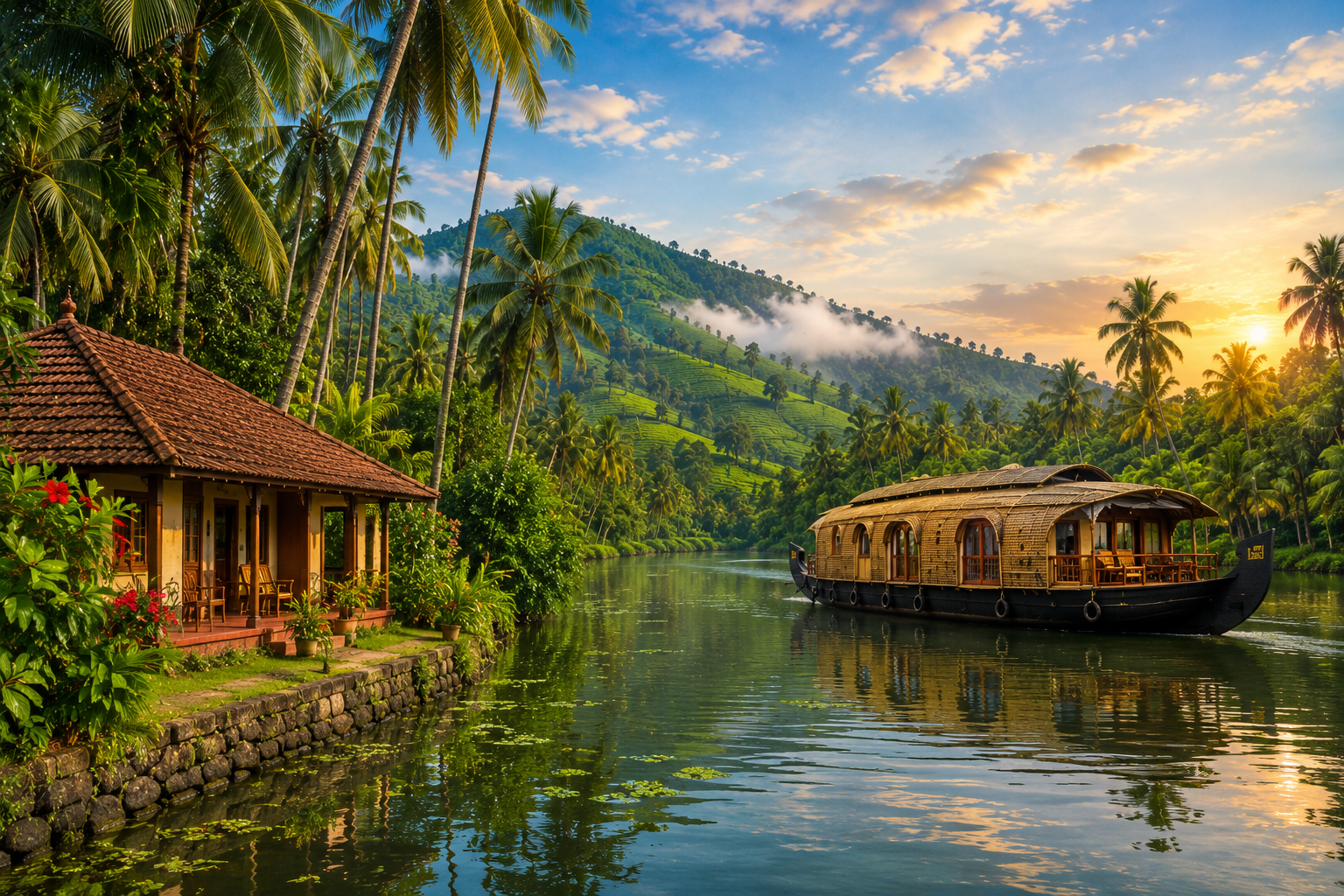
Kerala forces you to slow down.
Not in that annoying "we should all relax more" way people say at retreats. Actually forces you. Because rushing through backwaters makes no sense. Hurrying through Ayurvedic treatments defeats the purpose. Speeding past tea gardens means you miss what you came for.
Backwaters move gently through villages where life still revolves around canals. Coconut palms everywhere. Fishermen doing what their families have done for generations. Inland, the Western Ghats rise dramatically – tea plantations, spice gardens, wildlife reserves, and hill stations that stay cool even when everywhere else is baking.
Kerala also pulls off something difficult. Beaches, forests, mountains, heritage towns, wildlife, and wellness retreats all packed into a relatively compact region. You don't have to choose just one thing.
Main attractions: Alleppey Backwaters, Kochi, Munnar, Thekkady, Kumarakom, Wayanad, Kovalam, Varkala, Athirappilly Falls
Best time: October to March (22°C to 30°C). Monsoon - June to September - for those who love everything intensely green.
Kerala tour packages remain among the most popular South India holiday packages because nothing else combines backwaters, hill stations, wildlife, beaches, and Ayurveda quite like this.
Munnar: Where Tea Plantations Become the Landscape
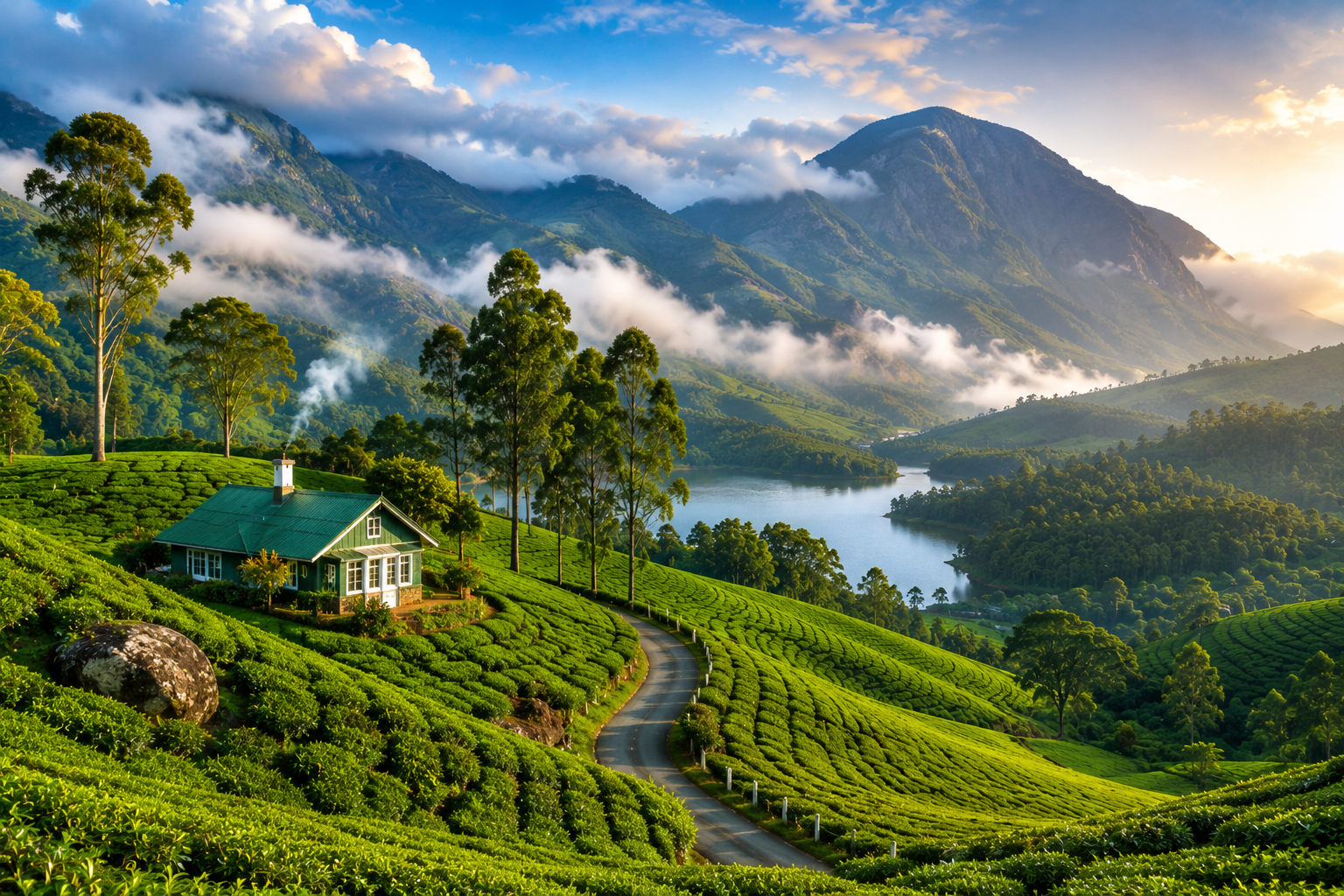
There are hill stations that have tea plantations.
Then there's Munnar, where the tea plantations basically are the hill station.
Rolling estates cover entire mountainsides. Morning mist lifts slowly, revealing endless rows of emerald-green bushes that go further than your eyes can follow. Small factories run all day. Workers have already harvested a morning's worth of leaves before most visitors have finished breakfast.
Unlike those hill stations that have been turned into one long market street with a viewpoint tagged on, Munnar still feels connected to what it actually is. Working land. The scenery feels earned rather than constructed.
Main attractions: Eravikulam National Park, Tea Museum, Mattupetty Dam, Top Station, Echo Point, Anamudi Peak
Best time: September to March (15°C to 25°C). June to August if misty monsoon landscapes are your thing.
Munnar tour packages consistently rank as one of the highlights of many South India trip packages. Pleasant weather, tea gardens, wildlife, scenic drives. Genuinely hard to have a bad time here.
Ooty: Where the Nilgiris Tell Their Own Story
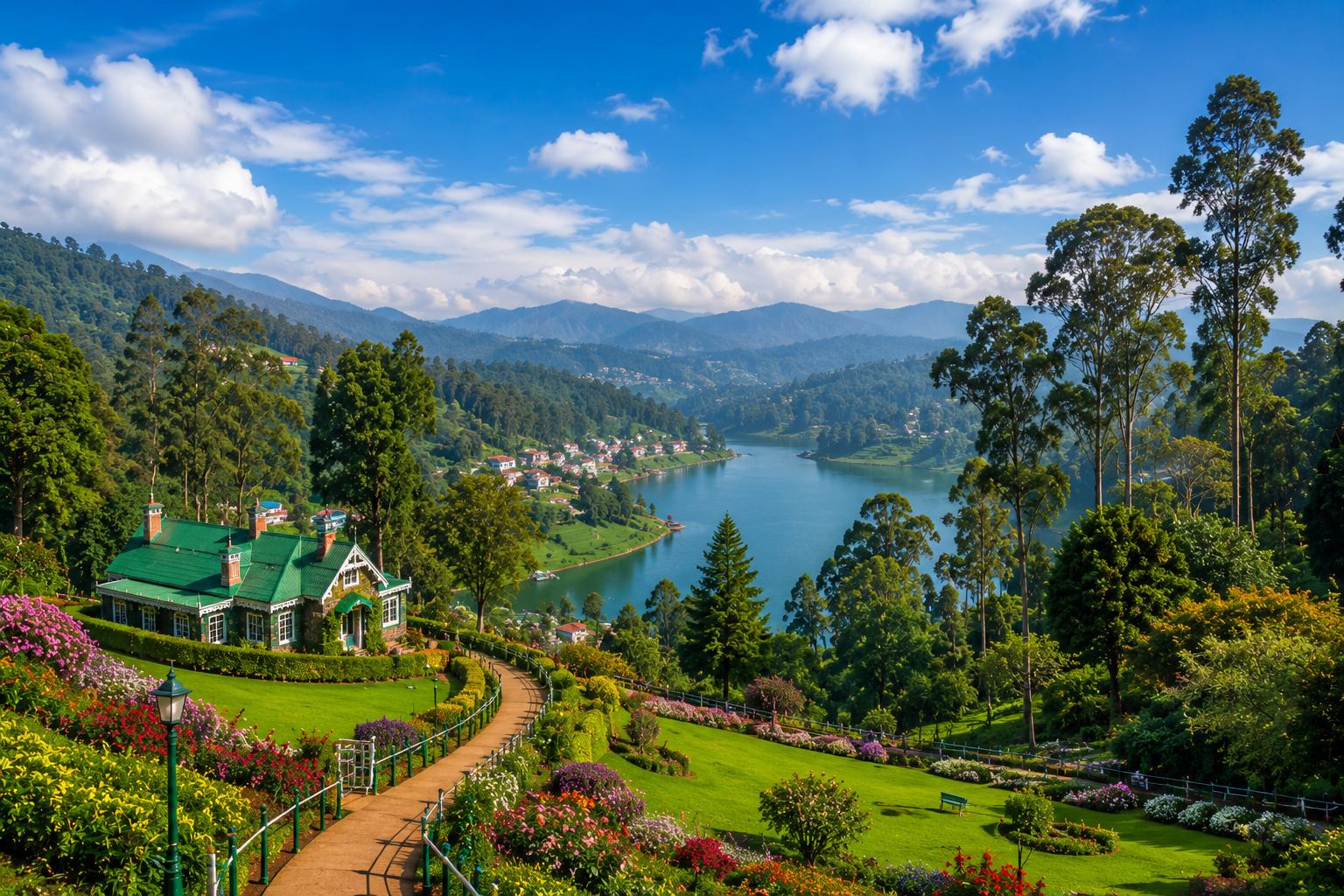
Long before anyone thought of tourism as an industry, Ooty was drawing people because of its cool air.
That original charm, surprisingly, hasn't been completely destroyed.
Colonial-era cottages still sit beside botanical gardens. The Nilgiri Mountain Railway still climbs slowly through tunnels, forests, and bridges that have been carrying passengers for over a century – creaking and whistling in a way that modern transport never will. Unlike many hill stations that have traded their character for crowds, Ooty has held onto enough of its heritage to remain genuinely interesting.
Main attractions: Nilgiri Mountain Railway, Ooty Lake, Government Botanical Garden, Doddabetta Peak, Rose Garden, Pykara Falls
Best time: October to June (14°C to 23°C).
Heritage transport, mountain scenery, and family-friendly attractions all in one place. Ooty tour packages stay popular throughout the year because the combination genuinely works.
Coorg: Where Coffee Defines Everything
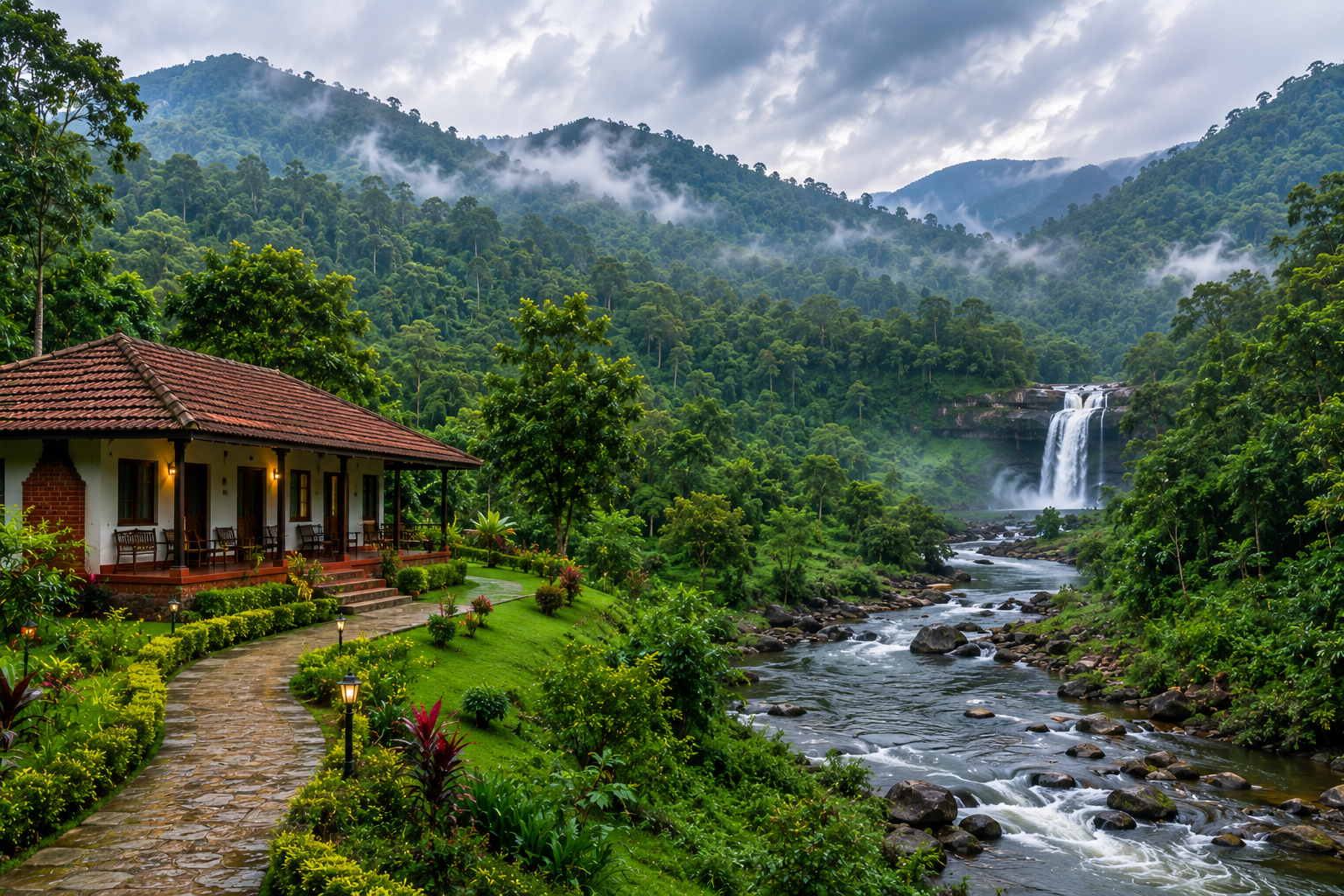
The first thing you notice in Coorg is the smell.
Fresh coffee. Moist earth. Forest air that feels like it's doing you good just breathing it.
Coffee plantations spread across rolling hills. Narrow roads disappear into dense forests. Rain arrives without warning. Waterfalls turn dramatic during monsoon. Mornings start with birdsong rather than notification sounds.
Coorg doesn't have a list of must-do activities that you feel guilty skipping. It just kind of exists, and invites you to exist alongside it for a while. Most people resist this initially - surely they should be doing something - and then give in, and then don't want to leave.
Main attractions: Abbey Falls, Raja's Seat, Dubare Elephant Camp, Mandalpatti, Namdroling Monastery, Coffee Estates
Best time: October to March (16°C to 28°C). Monsoon months for spectacular greenery.
Nature, coffee, local cuisine, relaxed hospitality. Coorg tour packages deliver consistently as one of South India's best mountain experiences.
Mysore: Where Royal Heritage Still Shapes Daily Life
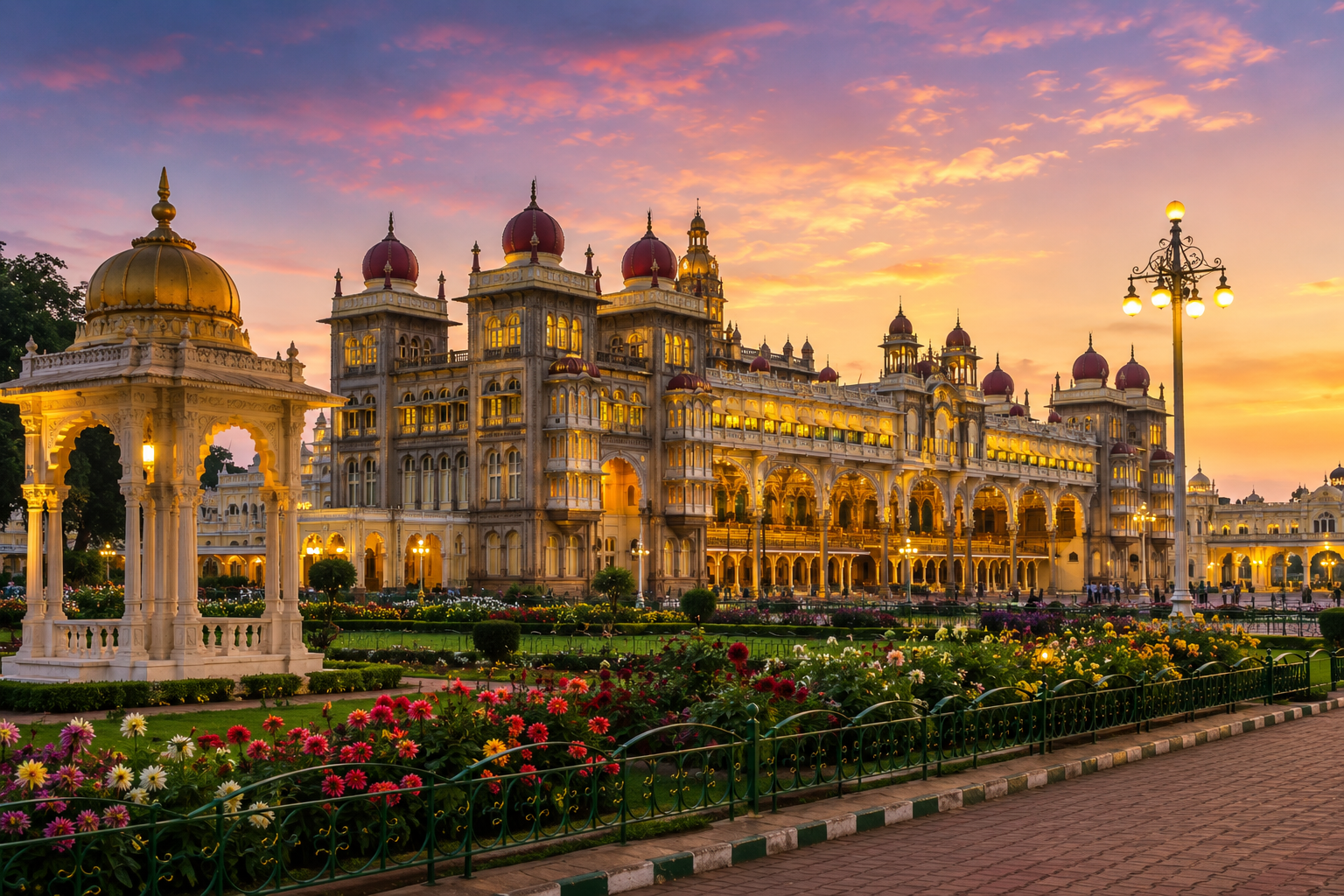
Some cities lock their history away in museums where you visit it politely and leave.
Mysore isn't like that.
The history is on the streets. In the boulevards that still feel wide and considered. In the palaces that remain genuinely grand rather than crumbling tourist attractions. In the markets that have been selling silk and sandalwood for centuries without becoming theme parks.
The illuminated Mysore Palace gets the most attention, and fairly so. But the city offers considerably more. Visitors end up spending hours in local markets, tasting Mysore Pak from shops that have been making it the same way for decades, wandering through neighbourhoods that somehow retained their royal elegance despite everything changing around them.
Main attractions: Mysore Palace, Chamundi Hills, Mysore Zoo, Devaraja Market, Brindavan Gardens, St Philomena's Cathedral
Best time: October to February (17°C to 30°C).
History feels accessible in Mysore rather than distant and textbook-like. That makes Mysore tour packages particularly appealing for families and culture enthusiasts who want substance alongside good photographs.
Bangalore: More Than India's Technology Capital
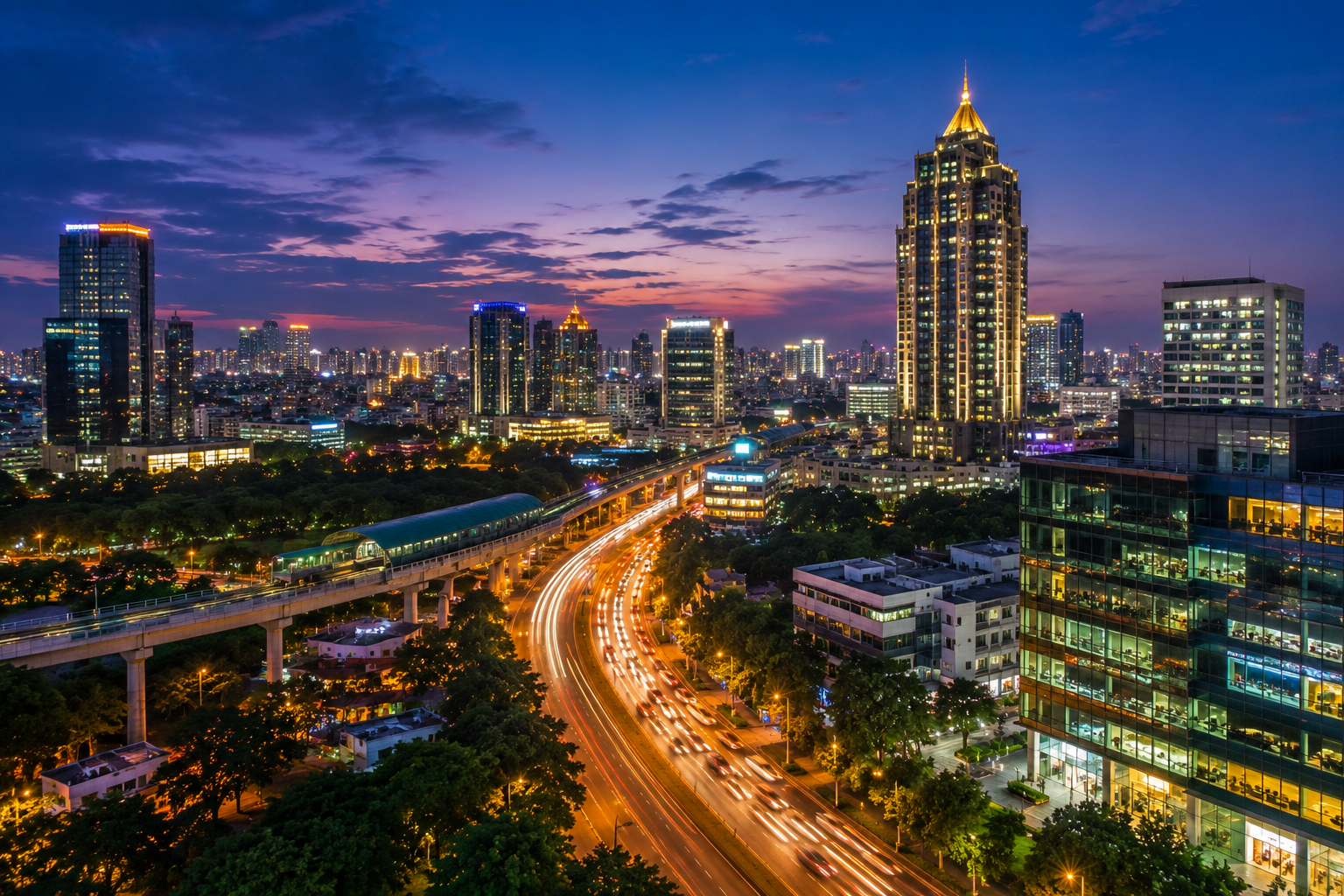
A lot of travellers treat Bangalore as somewhere to land, eat a decent meal, and move on from.
That's a genuine mistake.
Beyond the tech reputation - which is real and deserved - is a city with gardens that genuinely work as gardens, heritage buildings that aren't falling apart, restaurants serving food from across India and the world, cafés taking coffee more seriously than most cities manage, and neighbourhoods with actual character.
Morning in Cubbon Park is genuinely pleasant. Bengaluru Palace catches people off guard because they weren't expecting something so well-preserved. Lalbagh Botanical Garden is better than most botanical gardens in the country. Evenings in Indiranagar or Koramangala show a contemporary version of South India that doesn't match preconceptions at all.
Main attractions: Bengaluru Palace, Cubbon Park, Lalbagh Botanical Garden, Vidhana Soudha, ISKCON Temple, Commercial Street
Best time: October to February (18°C to 28°C) - good for walking around without suffering.
Bangalore combines modern urban life with green spaces better than almost any Indian city. It also makes the perfect gateway for longer Bangalore tour packages across Karnataka.
Pondicherry: Where the Sea Meets Colonial Elegance
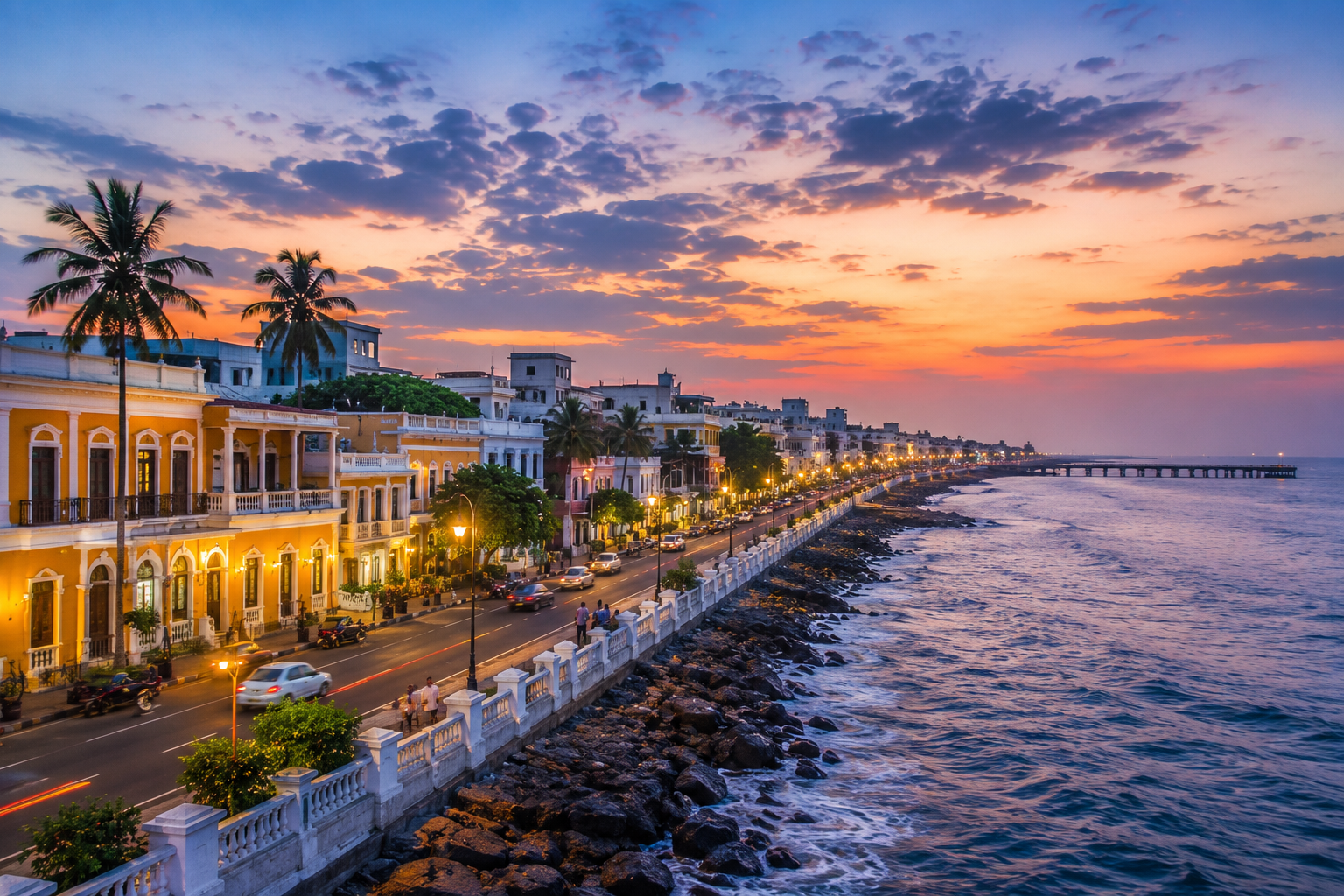
Most beach destinations are built around activity. Things to do, places to drink, organised fun.
Pondicherry has built itself around atmosphere instead.
Quiet streets with mustard-yellow villas. Bougainvillaea everywhere, spilling over whitewashed walls in that specifically South Indian way. Cafés serving croissants alongside idlis because that's just how it works here. Promenades where locals gather in the evenings to watch the Bay of Bengal change colour, doing what they've been doing for generations.
The French influence is visible but not overwhelming. The French Quarter feels genuinely different from the Tamil Quarter a few streets away. Together they tell the story of a place shaped by trade, spirituality, and colonial history that left architectural evidence without erasing what was already there.
You can spend an entire day in Pondicherry without a plan and not feel like you wasted it. That's rarer than it sounds.
Main attractions: French Quarter, Promenade Beach, Sri Aurobindo Ashram, Paradise Beach, Auroville, Basilica of the Sacred Heart of Jesus
Best time: October to March (22°C to 30°C). Cooler evenings make the Promenade and heritage streets particularly good.
Pondicherry tour packages consistently attract couples, solo travellers, and culture enthusiasts because there's genuinely nothing else quite like it in South India.
Coimbatore: The Gateway People Keep Overlooking
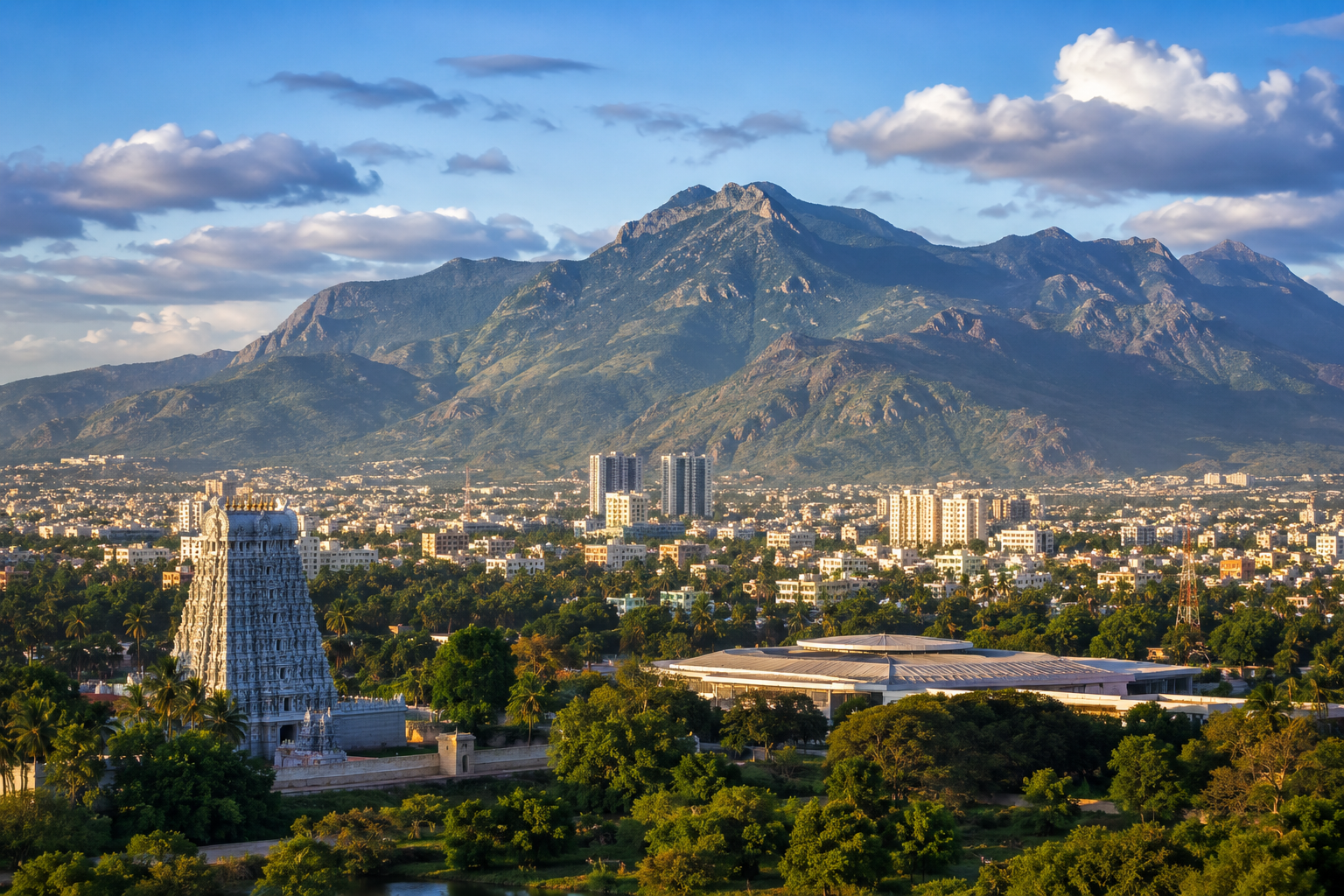
Coimbatore gets overshadowed constantly by the hill stations around it.
Which is frustrating because the city itself is worth stopping for.
Sitting at the foothills of the Western Ghats, Coimbatore has grown into one of South India's cleanest and best-functioning cities. Ancient temples sit alongside modern cafés. Wellness centres that are serious about what they do. Connectivity to Ooty, Valparai, Munnar, and the Nilgiris that makes it the most practical base for exploring the region.
Most travellers drive through Coimbatore, thinking of it purely as a stopover. The ones who actually stop for a day are usually glad they did.
Main attractions: Adiyogi Shiva Statue, Isha Yoga Centre, Marudamalai Temple, Perur Pateeswarar Temple, VOC Park, Siruvani Waterfalls
Best time: September to March (20°C to 30°C).
Spirituality, urban convenience, and Western Ghats access in one city. Travellers picking Coimbatore tour packages often find it works perfectly as a starting point for Tamil Nadu and Kerala exploration that goes beyond the obvious routes.
Tirupati: Where Faith Brings Millions Together
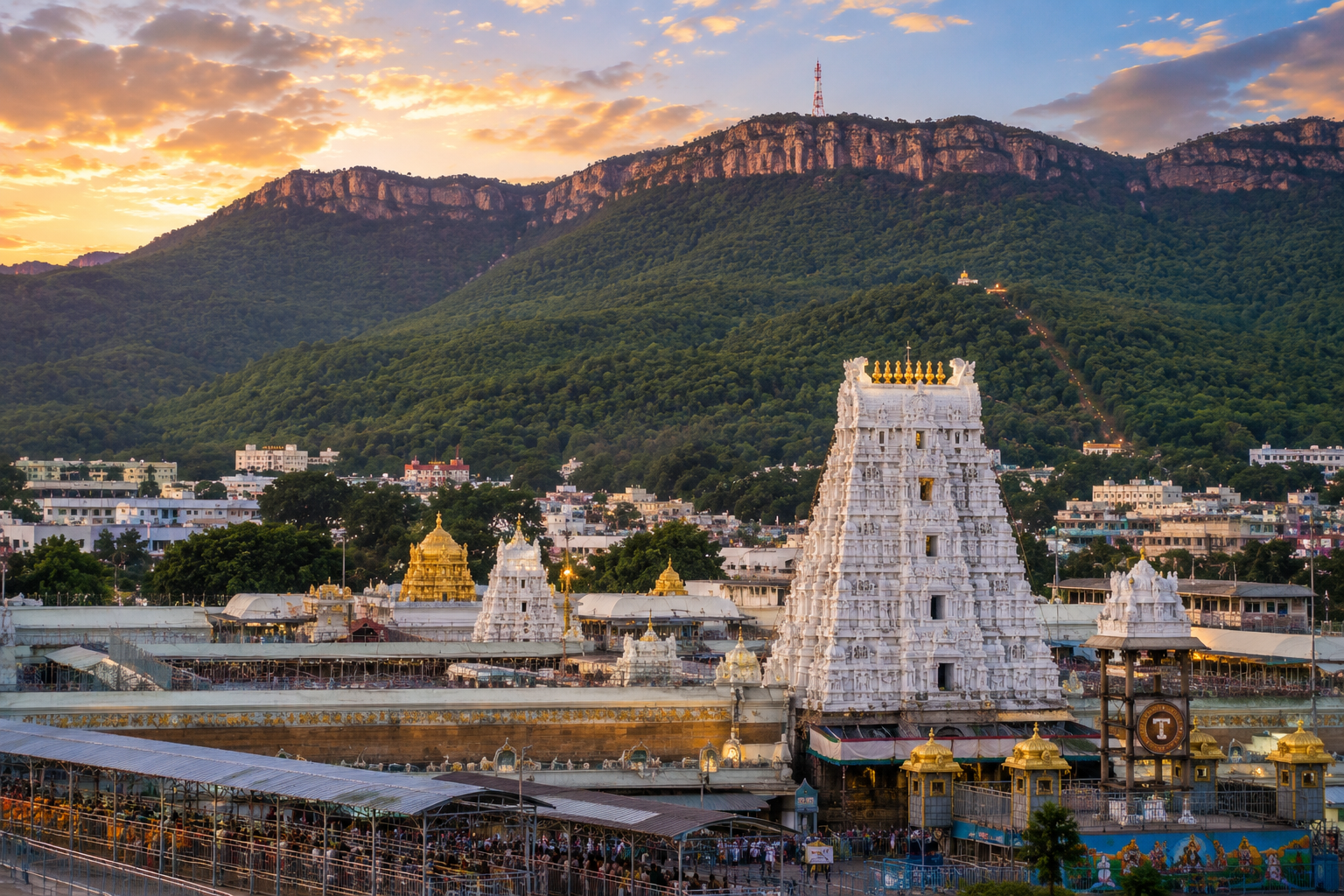
Every destination has a story it tells.
Tirupati's story is about devotion. Pure, unambiguous, multigenerational devotion.
Sri Venkateswara Temple draws millions of pilgrims every year. Not tourists doing temple visits. Pilgrims. People who've saved for years to come, who've made promises they're here to keep, who arrive with a kind of focused intention that changes the atmosphere of the whole place.
Beyond the spiritual weight, the pilgrimage experience is remarkably well-organised. Scenic hills, waterfalls, temples, nature reserves surround everything. For many families, visiting Tirupati isn't a travel decision. It's a tradition that moved from grandparents to parents to them and will eventually move to their children.
Main attractions: Sri Venkateswara Temple, Sri Padmavathi Ammavari Temple, Kapila Theertham, Akasa Ganga, Silathoranam, Sri Venkateswara National Park
Best time: September to March (20°C to 30°C). Though pilgrims come regardless of month.
Few places hold faith, tradition, and cultural continuity together as authentically as Tirupati. Tirupati tour packages remain one of South India's most meaningful journeys because the meaning here isn't constructed. It's just there.
Hidden South Indian Gems That Deserve More Attention
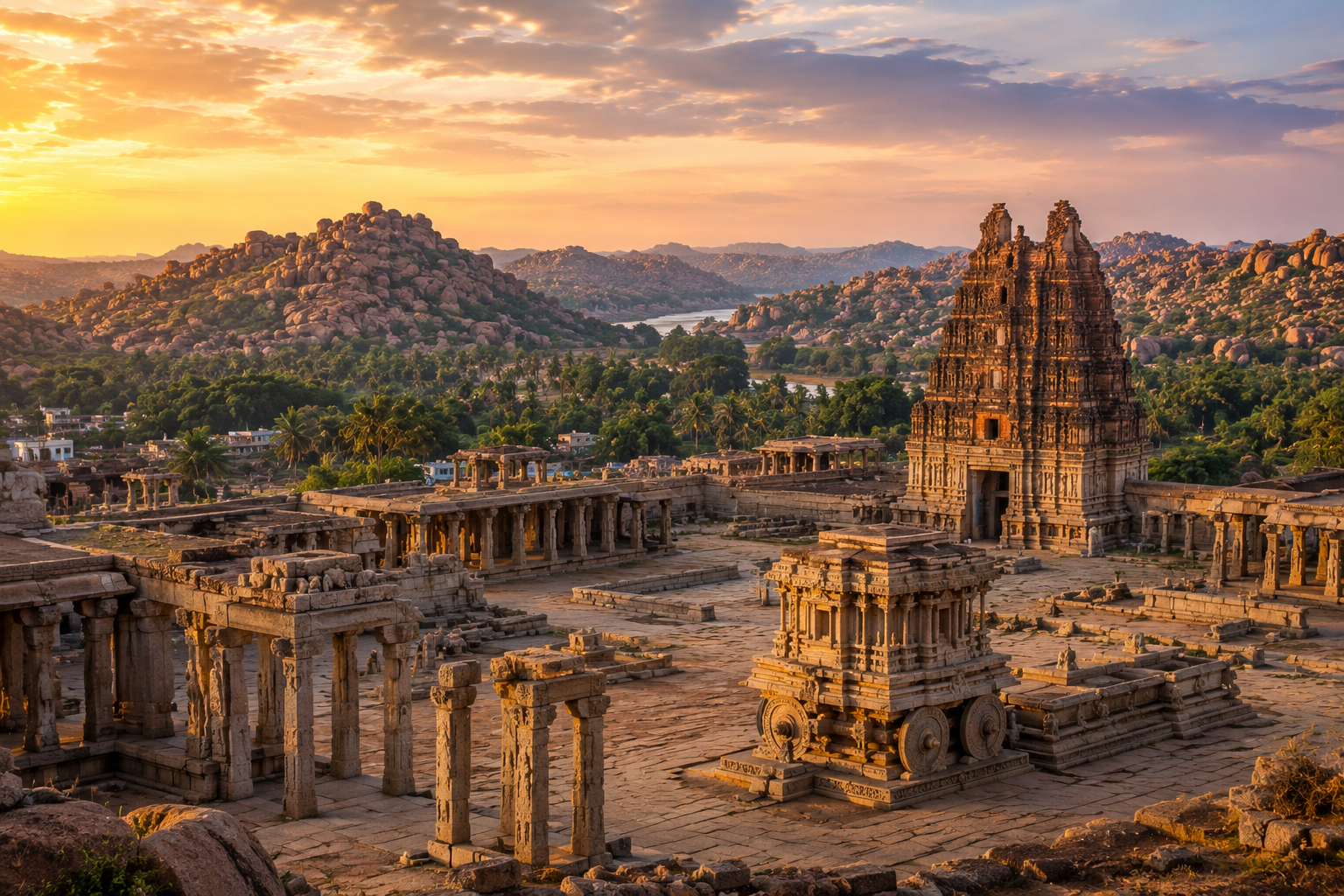
The famous destinations are half the story at best.
Some of South India's most memorable experiences happen in places that don't make every list but leave marks that the famous places sometimes don't.
Hampi - Surreal granite boulder landscape surrounding Vijayanagara Empire ruins. Walking through it feels like an open-air museum where every stone has genuinely been somewhere. Best visited October to February (18°C to 30°C).
Chikmagalur - Where coffee cultivation in India began. Mountain roads, waterfalls, trekking trails, peaceful estates. Best visited September to March (15°C to 28°C).
Wayanad - Dense forests, prehistoric caves, waterfalls, spice plantations, wildlife. Kerala's most rewarding nature escape for many. Best visited October to May (18°C to 30°C).
Kodaikanal - Lake walks, pine forests, cycling trails, mist-covered viewpoints. Called the Princess of Hill Stations for reasons that become obvious when you're there. Best visited October to June (13°C to 24°C).
Gokarna - What Goa was before everything changed. Beaches, spirituality, coastal trekking without the crowds. Best visited October to March (20°C to 32°C).
Varkala - One of India's only cliffside beaches. Dramatic scenery, yoga retreats, good seafood cafés, an atmosphere that stays relaxed without trying. Best visited October to March (23°C to 31°C).
When to Actually Visit South India
South India works year-round. Most people don't know this.
October to February works for Kerala, Mysore, Bangalore, Pondicherry, Coimbatore, and Tirupati. Comfortable temperatures throughout. Sightseeing doesn't feel like punishment.
March to May suits hill stations - Munnar, Ooty, Coorg, Kodaikanal, Chikmagalur. Escape the plains heat in the mountains.
June to September is monsoon. South India becomes intensely, dramatically green. Kerala, Coorg, Munnar, Wayanad during these months look like a different planet. Waterfalls become genuinely spectacular. Not the right season for everyone but unforgettable for those who try it.
Suggested Itineraries Worth Considering
5-Day Escape Bangalore → Mysore → Coorg Works well for families and first-timers. Manageable and rewarding without being overwhelming.
7-Day Nature Trail Kochi → Munnar → Thekkady → Alleppey The classic Kerala route. One of the better Kerala tour package combinations.
8-Day Heritage Journey: Bangalore → Mysore → Ooty → Coimbatore → Tirupati History, mountains, spirituality in one trip.
10-Day Complete South India Experience Bangalore → Mysore → Coorg → Ooty → Coimbatore → Munnar → Kochi → Alleppey → Pondicherry Covers what most popular South India tour packages, South India trip packages, and South India holiday packages are built around. Enough days to not feel perpetually rushed.
Every Journey Through South India Leaves Something Behind
Some destinations impress with monuments. Others with scenery.
South India does both while adding something harder to name.
It slows people down. Not because they planned to slow down. Just because the place makes rushing feel wrong. The sunrise over tea plantations in Munnar. Filter coffee in Coorg that tastes like nothing you get in cities. Walking Pondicherry's heritage streets at 7am before shops open. The Mysore Palace at night. Kerala's backwaters at dawn when the water's completely still. The particular atmosphere of Tirupati, which comes from millions of people caring deeply about the same thing, is unique.
No single holiday captures everything South India has. That's not a flaw. That's why people return.
Whether planning short escapes or extended South India holiday packages, carefully put-together South India tour packages and South India trip packages from EaseMyTrip Holidays make experiencing this diversity genuinely manageable. Because the best journeys aren't about visiting maximum places. They're about spending enough time somewhere to actually understand it.
Frequently Asked Questions
1. Which destinations should first-time visitors include in a South India tour?
Answer: Kerala, Munnar, Ooty, Mysore, Coorg, and Bangalore give first-timers the most complete introduction without overwhelming anyone. That combination covers hill stations, heritage, wildlife, food, and city life. Pilgrims naturally add Tirupati. Coastal enthusiasts add Pondicherry. Well-planned South India tour packages typically keep geographically close destinations together, reducing travel time and keeping the trip feeling relaxed rather than frantic.
2. Which South Indian hill stations are worth visiting?
Answer: Munnar, Ooty, Coorg, Kodaikanal, Chikmagalur, and Wayanad all genuinely deliver. Munnar for tea plantations that go on forever. Ooty for heritage railway and gardens with actual history. Coorg for coffee estates and forest air. Kodaikanal for lakes and pine forests. Chikmagalur for trekking and coffee origins. Wayanad for waterfalls and wildlife. The choice depends on whether adventure, relaxation, photography, or family activities matter most.
3. Which South Indian destinations work best for families?
Answer: Mysore, Ooty, Kerala, Coorg, Munnar, and Bangalore consistently work for families. Wildlife parks, toy train rides, botanical gardens, palace visits, houseboat cruises, and coffee estate walks ensure both children and adults find something genuinely memorable rather than just tolerable.
4. Which South Indian destinations do honeymooners prefer?
Answer: Munnar, Coorg, Alleppey, Pondicherry, Ooty, and Varkala remain consistently popular. Houseboat stays in Kerala, tea plantation walks in Munnar, sunset cafés in Pondicherry, and coffee estate resorts in Coorg work particularly well for couples without feeling manufactured or honeymoon-package cheesy.
5. What's the best time to visit South India?
Answer: Depends entirely on where. October to March suits Kerala, Bangalore, Mysore, Pondicherry, Coimbatore, and Tirupati. March to June suits hill stations. June to September suits Kerala, Coorg, and Wayanad for travellers who actively enjoy monsoon landscapes.
6. Which South Indian destinations combine well on one trip?
Answer: Bangalore, Mysore, and Coorg form Karnataka's most natural circuit. Kochi, Munnar, Thekkady, and Alleppey create the classic Kerala itinerary. Ooty and Coimbatore pair naturally. Pondicherry works well with Chennai or Mahabalipuram. Keeping geographically logical routes reduces travel fatigue significantly.
7. Which South Indian destinations offer the best cultural experience?
Answer: Depends what kind of culture. Mysore for royal Karnataka heritage. Tirupati for pilgrimage culture that's centuries deep. Hampi for Vijayanagara Empire legacy. Kochi for colonial and traditional Kerala culture coexisting. Pondicherry for French-Indian heritage that still makes architectural sense walking around today.
8. How many days are actually needed for the South India tour?
Answer: Eight to ten days minimum to experience multiple regions without feeling constantly rushed. Ten to fourteen days allows Bangalore, Mysore, Coorg, Ooty, Munnar, Kochi, Alleppey, Pondicherry, Coimbatore, and Tirupati without anyone losing their mind. Longer South Indian holiday packages make room for hidden gems like Chikmagalur, Wayanad, Hampi, and Varkala.
9. Why are South India holiday packages becoming more popular?
Answer: Because travellers increasingly want destinations combining nature, heritage, spirituality, food, and authentic experiences within one trip. South India delivers all of this without requiring long internal journeys between attractions. Carefully planned South India holiday packages cover remarkable diversity within one region - tea gardens, backwaters, royal history, café culture, pilgrimage sites - without the exhaustion of trying to see multiple countries.
10. Why book South India travel package through EaseMyTrip Holidays?
Answer: EaseMyTrip Holidays builds South India tour packages, South India trip packages, and South India holiday packages around what actually works rather than what looks good in itineraries. Transport, accommodation, and sightseeing are combined into packages that let travellers focus on experiencing things rather than managing logistics. Fewer things to organise. More time for the actual journey.






 July 4, 2026
 Share
Share
 Download as PDF
  From
From 
 Departure Date
 Travellers & class
 Rent For
 Departure Date






 Share
Share 





{{cmnt.comment}}