India is a visual paradise for travelers who love photography. From the pink architecture of Jaipur and the timeless beauty of the Taj Mahal to the blue alleys of Jodhpur, golden dunes of Jaisalmer, and the surreal landscapes of Ladakh, every destination offers unique photo opportunities. Kerala’s serene backwaters and Munnar’s tea gardens provide lush contrasts, while Varanasi captures raw, spiritual moments. The best shots often come early in the morning or from unexpected places—so explore beyond the obvious and stay present while capturing the magic.
Table of Contents
There is something quite strange about the way we travel now. We spend months planning a trip, saving up every bit of spare change, only to find ourselves looking at a stunning sunset through a five-inch glass screen. It is a bit of a paradox, isn't it? We want to be present, yet we have this deep-seated urge to capture the evidence that we were actually there. In a country as vast and visually loud as India, that urge becomes almost impossible to ignore. Whether it is the way the light hits a crumbling sandstone wall in Rajasthan or the surreal blue of a Himalayan lake, the search for the most instagrammable places in India often leads us to realize that the camera can only catch a fraction of the actual magic. For travellers who love capturing moments, exploring instagrammable places around the world can offer a broader perspective—but pairing those visuals with the right words from cool, fun, and aesthetic travel captions for Instagram can make your posts even more memorable.
Traveling through the subcontinent feels like moving through a series of vivid film sets. One moment you are in the chaotic, neon-lit heart of a city, and the next, you are staring at a landscape so still it feels painted. For those of us who like to document our journeys, India offers a palette that is both exhausting and exhilarating. It is not just about finding a pretty backdrop; it is about finding those spots that tell a story without needing a long caption. Many of these destinations also feature in curated lists like India travel bucket list experiences that highlight must-visit locations across the country.
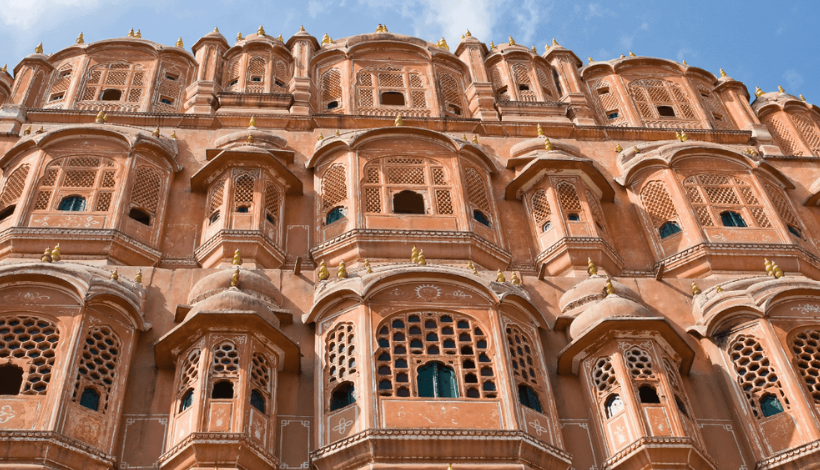
If there is a city that feels like it was designed by a photographer, it has to be Jaipur. They call it the Pink City, though the actual color is more of a dusty terracotta, a shade that feels warm and welcoming rather than bright. The Hawa Mahal is usually the first stop for anyone looking for the best photo spots India has to offer. It is a honeycomb of 953 small windows, originally built so royal ladies could watch street festivals without being seen. Standing across from it at one of the rooftop cafes, you start to notice how the facade changes as the sun moves. In the early morning, it has this soft, ethereal glow that makes the stone look almost like lace.
Then there is the Patrika Gate. It is one of those places that feels a bit like a hidden secret, even though it is becoming quite famous. Each archway is hand-painted with intricate scenes of Rajasthani history and mythology. It is a riot of color—greens, golds, and deep blues—that looks incredible in a frame. It is the kind of place where you could spend an hour just looking at the ceiling. Cities like Jaipur are often included in discussions around stunning Indian destinations over international travel for their rich visual appeal and cultural depth. Walking through those arches feels like a scene straight out of a Sanjay Leela Bhansali film, where everything is just a little more beautiful and dramatic than real life.
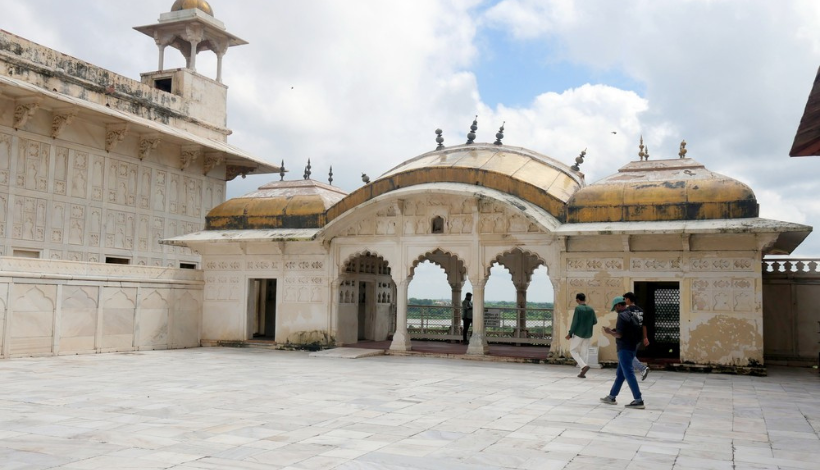
It is almost a cliché to mention the Taj Mahal, but honestly, you cannot talk about instagram worthy places India without it. There is a reason millions of people flock here every year. Seeing it in person for the first time is a bit of a shock to the system because it actually looks like the photos. It doesn't feel real. The white marble has this translucent quality that reflects the mood of the sky. If you go at sunrise, it is tinged with a soft pink; by midday, it is a blinding, brilliant white.
A little tip for those who want a different perspective: head over to Mehtab Bagh across the Yamuna River. Most people crowd around the main reflecting pool inside the complex, but the view from the gardens across the water is much more peaceful. You get the full silhouette of the monument framed by trees, often with a few local boats drifting by on the river. It is a much more contemplative way to see one of the most famous photo locations India has to tour. It reminds me of those old Bollywood songs where the hero and heroine pine for each other with the Taj in the background—it is pure, unadulterated romance. For a completely different perspective, some travellers also explore visiting monuments in India at night to capture iconic sites under dramatic lighting.
Jodhpur is another one of those cities that makes you feel like you’ve stepped into a dream. The "Blue City" isn't just a nickname; if you climb up to the Mehrangarh Fort and look down, you see a sea of indigo-washed houses stretching out into the distance. It is quite a sight. Wandering through the narrow lanes below is where you find the real character of the place. You'll find old wooden doors, local kids playing cricket, and the occasional cow blocking your path. It is messy and beautiful all at once.
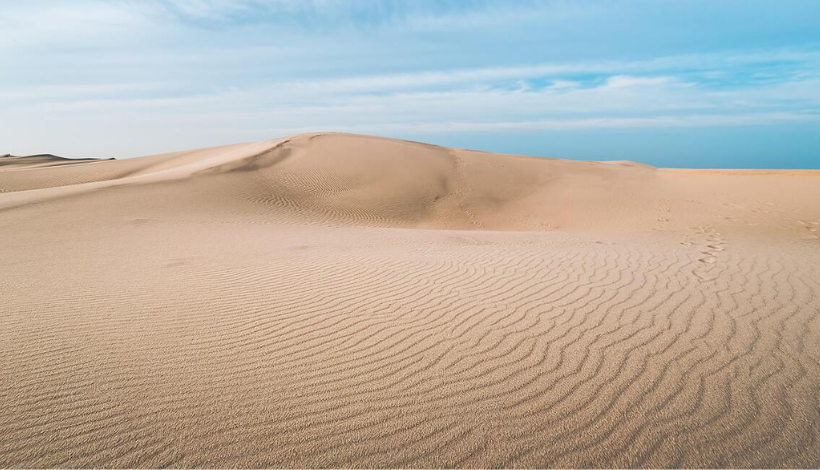
If you have the time, pushing further west to Jaisalmer is well worth the effort. The "Golden City" sits right on the edge of the Thar Desert, and the entire place is built from yellow sandstone. When the sun starts to set, the fort and the buildings around it seem to catch fire. It is one of the most scenic photography locations India provides because of that specific light. Taking a camel safari into the Sam Sand Dunes at dusk gives you those classic desert shots—long shadows, rolling dunes, and a sky that turns a dozen shades of orange and purple. Desert landscapes like these are also part of broader adventure places in India where travel blends exploration with unique photography opportunities.
|
Location
|
Best Time for Photos
|
Recommended Lens
|
Vibe
|
|
Jaipur (Patrika Gate)
|
Early Morning (8 AM)
|
Wide Angle (16-35mm)
|
Vibrant & Architectural
|
|
Agra (Taj Mahal)
|
Sunrise
|
Prime Lens (35mm or 50mm)
|
Iconic & Romantic
|
|
Ladakh (Pangong Lake)
|
Late Afternoon
|
Telephoto (70-200mm)
|
Surreal & Minimalist
|
|
Varanasi (Ghats)
|
Dawn
|
35mm (for street/candid)
|
Spiritual & Raw
|
|
Munnar (Tea Gardens)
|
Post-Monsoon Morning
|
Wide Angle
|
Lush & Moody
|
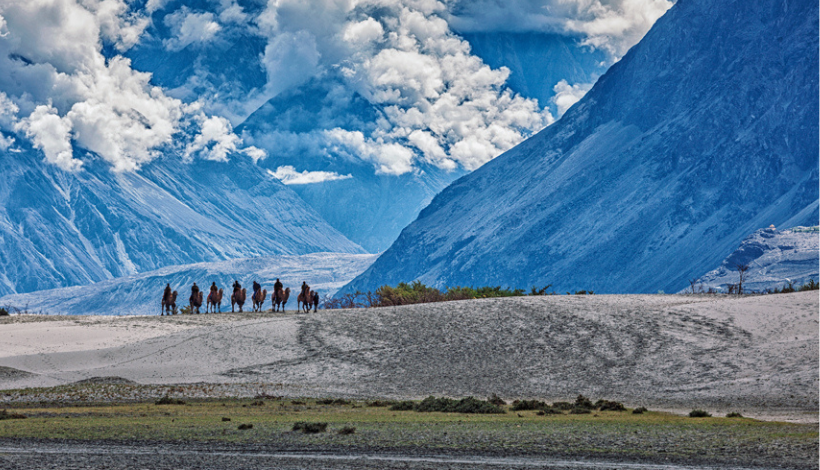
Moving away from the heat of the plains, the landscape changes completely as you head north. Ladakh is a high-altitude desert that feels like another planet. The scale of the mountains here is hard to wrap your head around. Pangong Tso is perhaps the most famous spot here, especially after it was featured in the climax of 3 Idiots. The water is a shade of blue that doesn't seem like it should exist in nature. Depending on the time of day and the clouds, it shifts from turquoise to a deep, dark navy.
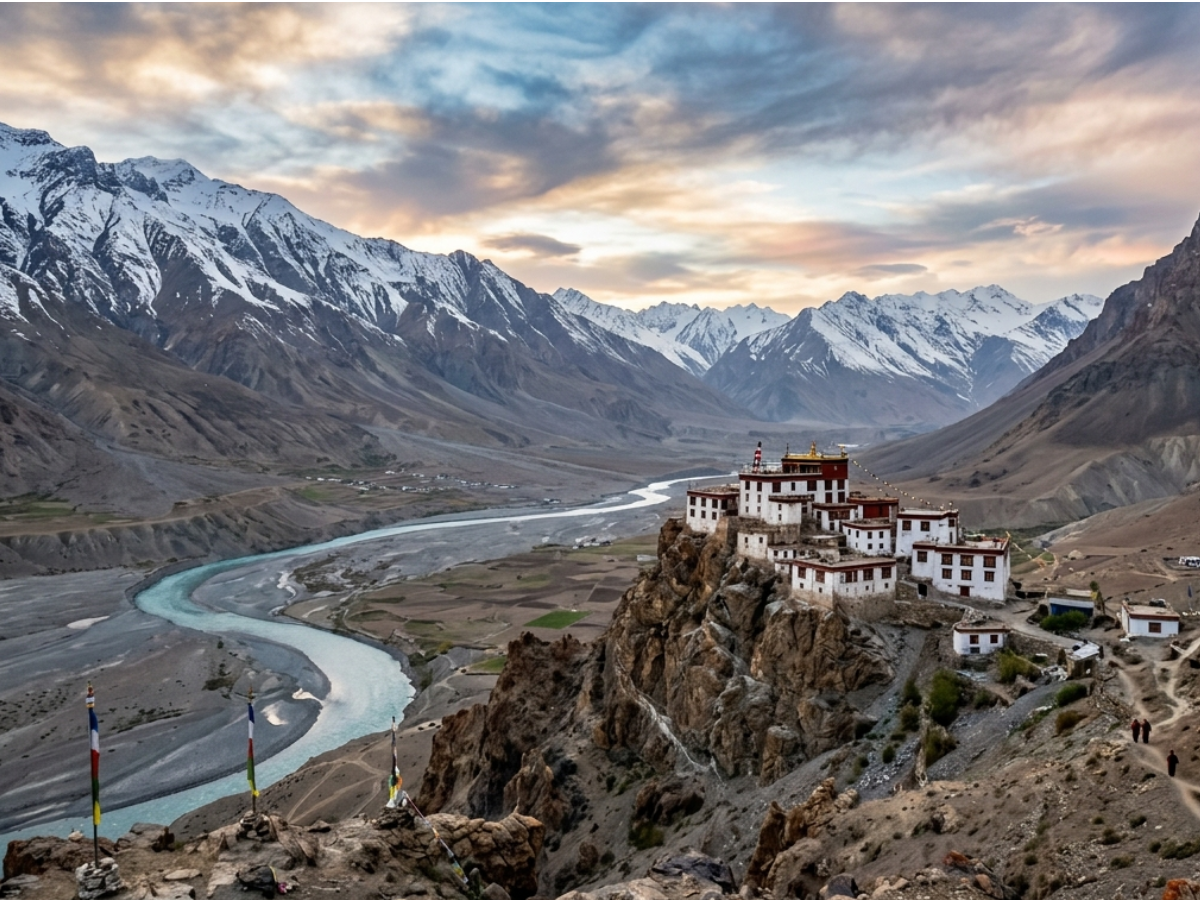
The monasteries in Ladakh, like Thiksey or Hemis, are also incredible for photography. They are often perched precariously on hillsides, with white-washed walls and red-robed monks moving quietly through the courtyards. There is a stillness here that you don't find in the rest of India. It is a place where the landscape does all the heavy lifting for your photos. You don't need fancy filters when the sky is that clear and the mountains are that jagged. Regions like Ladakh also feature in guides covering top unexplored places to visit in India by train for travellers seeking raw and less crowded experiences.
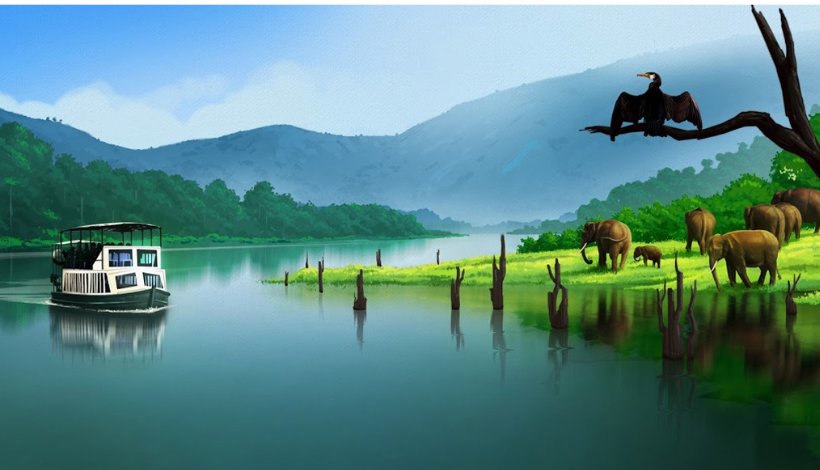
Down south, the vibe shifts again. Kerala is all about water and greenery. The backwaters of Alleppey are a must-visit for anyone who wants to capture a more relaxed side of the country. Renting a houseboat and drifting through the palm-fringed canals is one of the most peaceful experiences you can have. The light filtering through the coconut trees onto the water creates these beautiful, dappled patterns. It is very different from the bright, sharp colors of the north; here, everything is soft and lush.
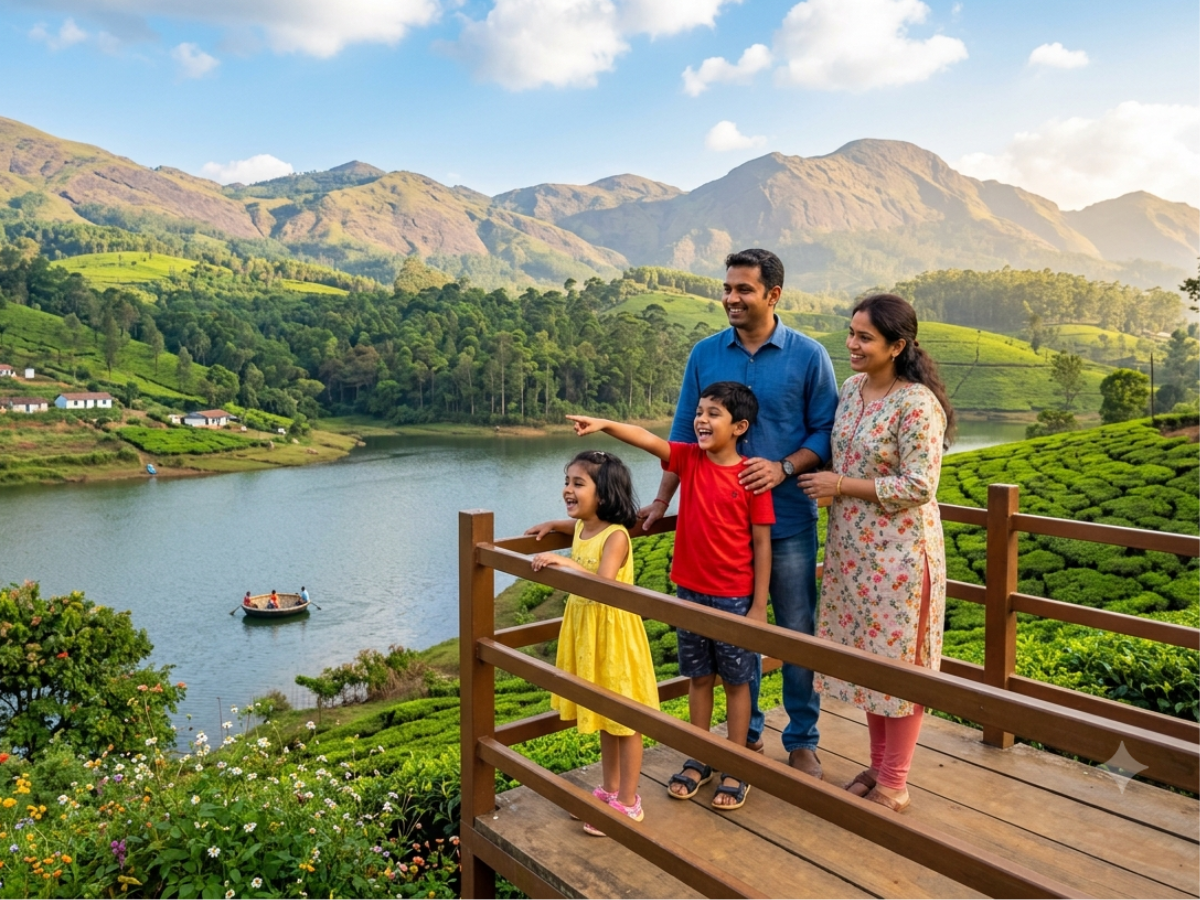
Munnar, with its rolling tea plantations, is another gem. The hills are covered in a carpet of green that looks almost too perfect to be real. In the early morning, a thick mist often rolls over the valleys, giving the whole place a moody, mysterious feel. It is the perfect spot for landscape shots. You can almost imagine a young Shah Rukh Khan dancing through the tea leaves in a colorful sweater. It is nostalgic and beautiful in a way that feels very classic. For those planning seasonal escapes, destinations like Kerala are often highlighted among cool summer holiday places in India due to their refreshing landscapes.
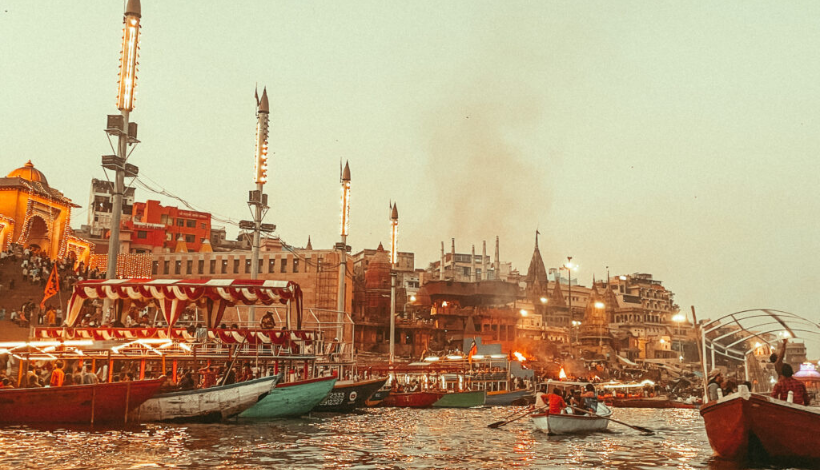
Varanasi is not for the faint of heart, but it is undoubtedly one of the most instagrammable places in India if you are looking for soul. It is one of the oldest living cities in the world, and it feels like it. The ghats along the Ganges are a sensory overload—the smell of incense, the sound of temple bells, and the sight of thousands of people performing rituals. Taking a boat ride at dawn is the best way to capture the scale of the city. As the sun rises over the river, the ancient buildings along the shore are bathed in a golden light that feels truly sacred.
It is a place of deep contrasts. You see life and death, joy and sorrow, all happening right next to each other. Capturing the evening Ganga Aarti, where priests perform a synchronized ritual with large flaming lamps, is a challenge for any photographer because of the low light and the crowds, but the results are always spectacular. The flickering flames against the dark river create a scene that is both haunting and beautiful.
While the famous spots are great, sometimes the best photos come from the places you didn't plan for. It might be a small temple in a village you passed through, or the way the monsoon rain makes the streets of Mumbai glisten. The real beauty of traveling through India is the unpredictability. You might go looking for a specific landmark and end up spending three hours photographing a street food vendor because the light was hitting his stall just right.
In the end, the most instagrammable places in India are the ones that make you stop and put your phone down for a second. It is easy to get caught up in the quest for the perfect shot, but the memories that stick are usually the ones that happened when the camera was in the bag. India is a country that demands your full attention. It is loud, colorful, and sometimes overwhelming, but it is never, ever boring. Many such hidden gems also align with lists of best places to explore in India during winters, where fewer crowds allow for more authentic travel experiences.
Which city is considered the most photogenic in India?
It really depends on what you like, but Jaipur is often the top choice for travelers. The combination of royal architecture, vibrant street life, and that consistent pink palette makes it incredibly easy to photograph. If you prefer nature, though, Ladakh might take the crown for its dramatic mountain views.
Is it safe to fly drones for photography in India?
India has fairly strict rules about drones. You generally need to register your drone and follow specific "No Fly Zones," which include airports, government buildings, and many heritage sites like the Taj Mahal. It is always best to check the latest government regulations before you pack your gear.
How do I avoid crowds at famous photo locations?
The golden rule is to wake up early. For places like the Taj Mahal or the Hawa Mahal, being there at the crack of dawn is the only way to get a shot without hundreds of other people in it. Plus, the morning light is usually much better for photography anyway.
Do I need to pay for camera permits at monuments?
Many historical sites in India do charge a small fee for carrying a professional camera, especially if you are using a tripod. It is usually just a few hundred rupees. Video cameras often have a higher fee than still cameras.
What should I wear for photos in India?
While you want to look good for your photos, it is important to be respectful of local culture. In temples and mosques, you should keep your shoulders and knees covered. Carrying a light scarf is a great idea because it is easy to throw on and can also add a nice pop of color to your pictures.






 April 4, 2026
 Share
Share
 Download as PDF
  From
From 
 Departure Date
 Travellers & class
 Rent For
 Departure Date

 Share
Share
{{cmnt.comment}}