Lore chasing is a travel trend where people explore destinations based on stories, myths, folklore, films, and local legends rather than famous attractions. Instead of sightseeing, travelers seek meaningful experiences and personal connections to a place's narrative.
From haunted forts and ancient villages to movie-inspired locations, lore chasing turns travel into a story-driven adventure. The focus is on collecting memorable experiences, local tales, and cultural insights rather than souvenirs, making journeys more immersive, authentic, and unforgettable.
'Lore chasing' is not a term invented in a boardroom. It is something many travellers in India have quietly been doing for years without naming it. Think of late night drives from Delhi to Murthal, just to break into ghee-soaked parathas at some overlit dhaba, or those impulsive trips to Majnu Ka Tila because someone swore the laphing there “hits different.” These small missions are less about the destination and more about the tiny personal stories and half-told recommendations that turn into full-blown journey narratives.
In these moments, people are not chasing “top attractions.” They are chasing feelings. A foggy highway, a crowded lane lit by fairy lights, the memory of a reel or a friend’s tale. It is everyday storytelling travel, rooted in very specific cravings and curiosities. Younger travellers especially are steering their experiential travel in this direction, preferring authentic experiences and textured travel narratives over neat itineraries. They want memorable moments, not just postcard shots.This shift is also being shaped by social media, where travellers increasingly follow recommendations for hidden food spots, lesser-known hangouts, and local stories that feel more authentic than mainstream attractions. Explore how these discoveries are influencing travel choices in Hidden Cafes & Famous Street Food Reels: Travel Trends 2026.
What Is Lore Chasing in Travel
In the simplest sense, Lore chasing in travel is a story-first way of moving through the world. Instead of choosing a place because it ranks high on a list, travellers follow a narrative thread: a legend mentioned by a grandparent, a mysterious village discussed on a podcast, a film scene that refuses to leave their mind. This is storytelling travel in which the plot arrives before the plan.
The story may be folklore, rumour, myth, or a cinematic universe. Accuracy matters less than resonance. Someone might visit an old fort not to tick it off, but because they grew up hearing it was cursed. Another person may head to a quiet temple because a family story once framed it as a place where prayers are always answered. This style of experiential travel attracts those who are naturally adventure seeking, because every trip feels like opening a book mid-chapter. Places become characters, and travellers become participants rather than observers. The result is a set of life experiences that feels layered and personal.Many of these story-driven journeys begin in destinations that remain largely under the radar but are rapidly gaining attention among curious travellers. Discover some fascinating examples in Midwest Hidden Gem Destinations Going Viral.
Why Travellers Are Choosing Story-Driven Experiences
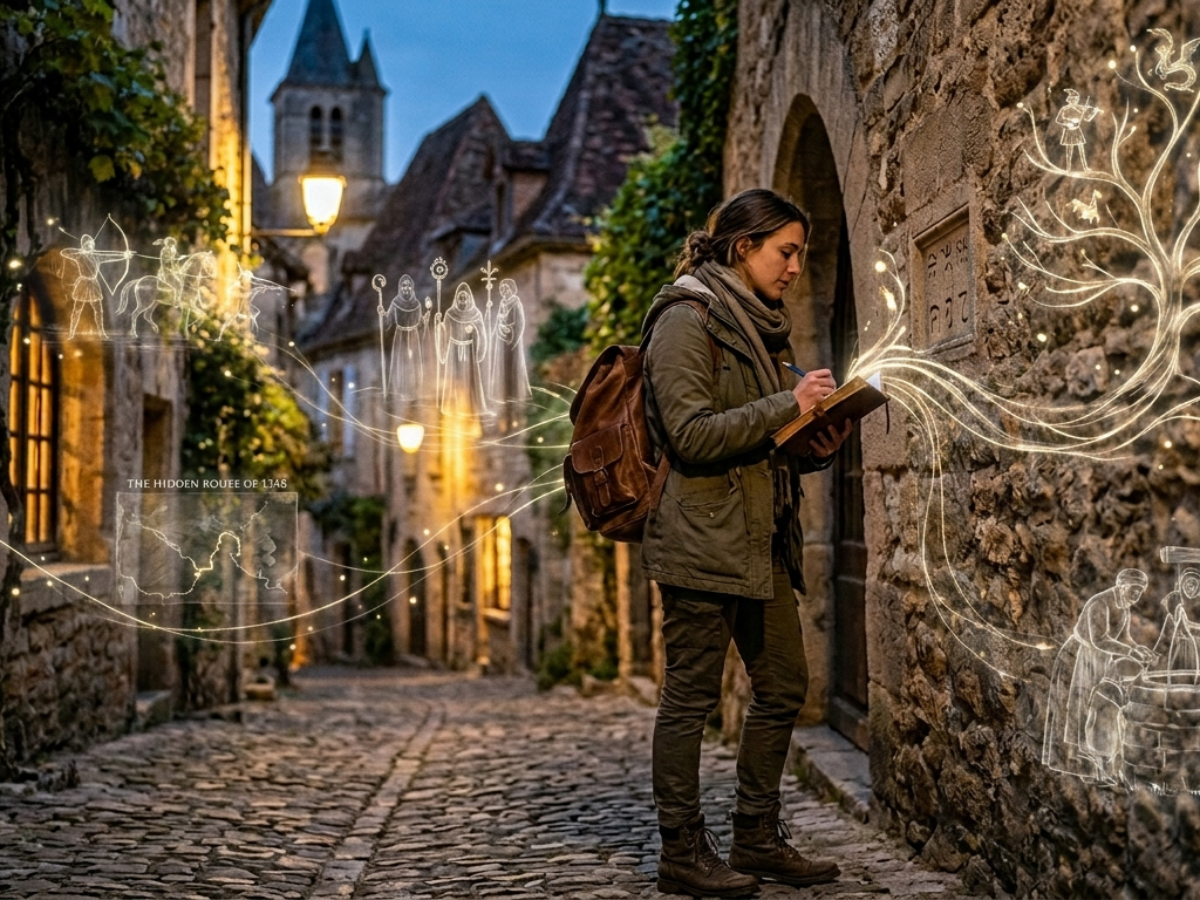
Across age groups, but especially among younger Indians, there is a visible shift toward experiential travel that values stories over things. Souvenir shelves matter less than shared memories. Many travellers struggle to recall what they bought on a previous trip, yet they remember the chai stall that appeared out of nowhere during a storm or the stranger who sat beside them on a night bus and narrated a local myth.
This is why non-material souvenirs are becoming more important. People are consciously collecting memorable moments, unique experiences, and travel anecdotes that can be retold over years instead of carried in bags. They look for authentic experiences that will eventually become their own personal stories. Instead of “I went to Rajasthan,” the story becomes, “A guide at Bhangarh whispered a ghost tale in the dark and the whole group fell silent.” These share-worthy experiences hold more weight than any decorative object and gradually reshape how trips are planned.
How Cinema Inspires Lore Chasing
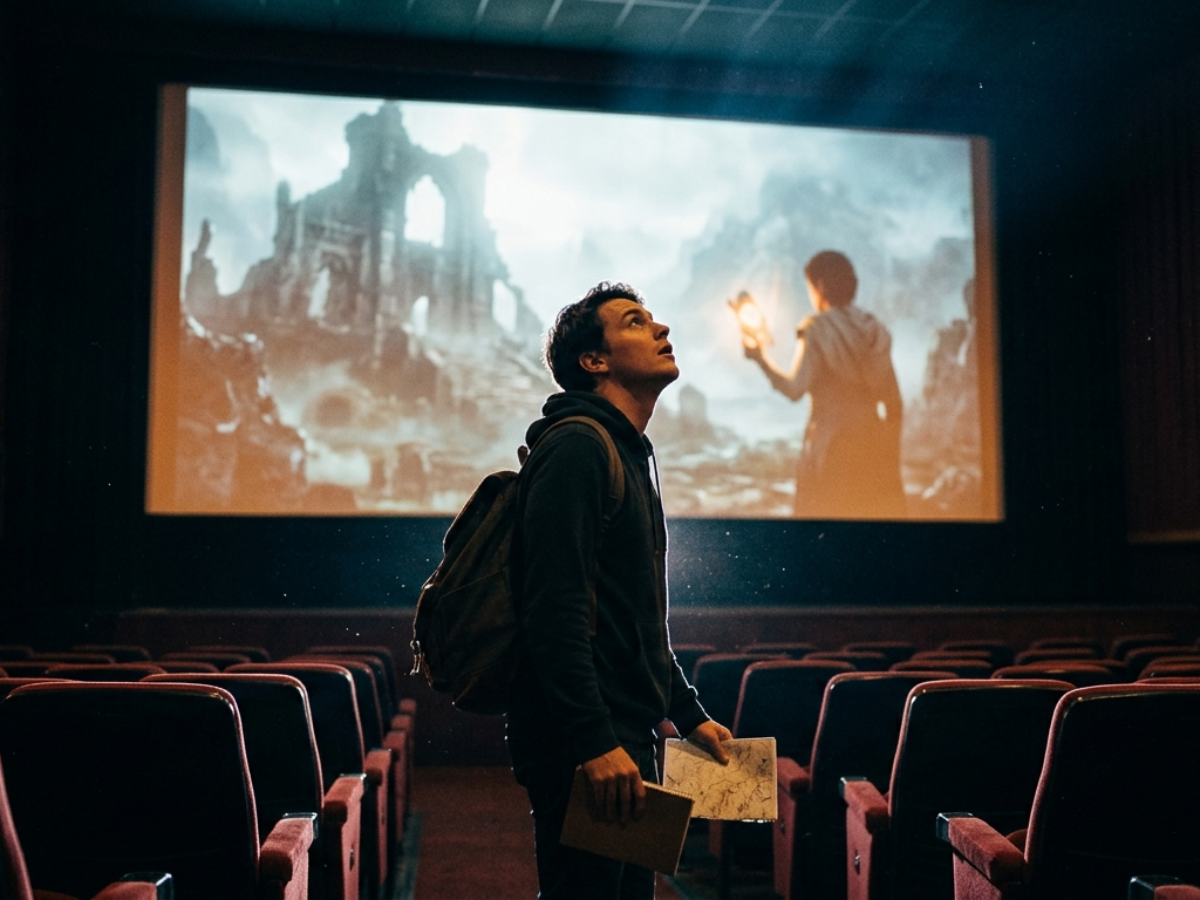
Indian cinema has become one of the strongest engines of Lore chasing. Films do more than showcase locations; they wrap them in mood, music, and myth, turning villages and towns into stages for living legends. When viewers watch a film like “Stree,” they are not only following characters but also absorbing the eerie atmosphere of Chanderi. The narrow lanes, old houses, and lingering tension around the town’s folklore create fertile ground for storytelling travel.
“Kantara” offers another type of cinematic magnet. Set around coastal forests and local rituals, it weaves mythology into everyday life. The shrines, the performances, the thick greenery, and the soundscape all suggest a world where the sacred and the ordinary blend. Viewers curious about this landscape often end up planning experiential travel to similar regions in Karnataka, searching for authentic experiences that echo the film’s intensity. “Bulbbul,” with its haunted rural Bengal setting, and “Tumbbad,” with its rain-soaked village and mythic treasure, push this further. Their strong visual language makes people wonder what such places feel like beyond the screen.
Cinematography, locations, and careful storytelling build a strong pull toward Lore chasing. Viewers find themselves asking where scenes were shot, whether locals still tell these stories, and how much of the myth survives in daily life. For many, visiting these places is not an excuse for fan photos alone. It is a way to extend the film’s narrative into real life, letting local residents, rituals, and travel narratives take over where the script ended. This blend of cinema and journey narratives creates some of the most powerful share-worthy experiences.
Real Travel Destinations That Invite Lore Chasing
India is rich with destinations where myth and history casually overlap. Bhangarh Fort in Rajasthan is perhaps one of the best known. Officially, it is a ruined fort complex with an interesting past. Unofficially, it is one of the country’s most discussed “haunted” sites, surrounded by stories of curses and vanished villages. Visitors come for architecture, but many also come to test the stories they have heard. Time spent wandering its crumbling gates after sunset often turns into travel anecdotes and non-material souvenirs.
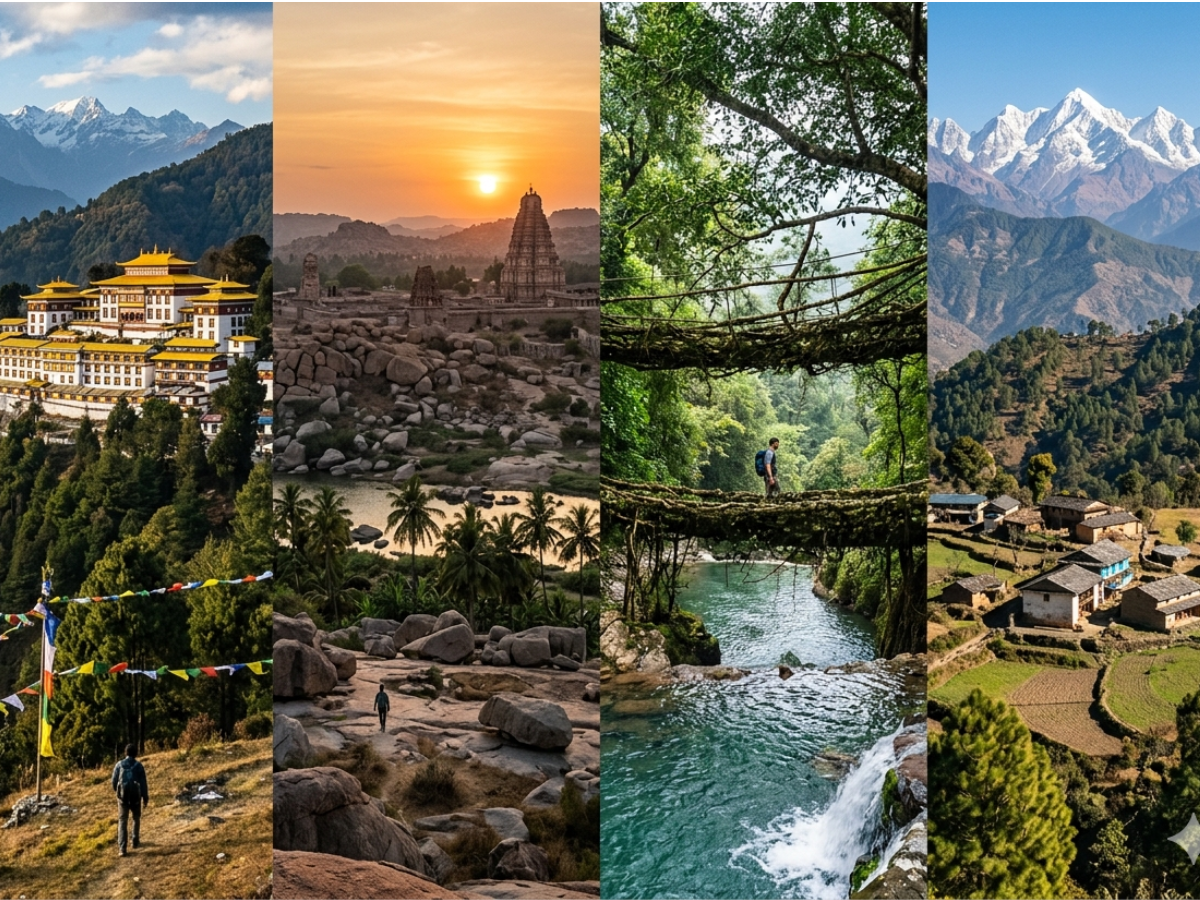
Hampi, with its dramatic boulders and ancient temples, also invites Lore chasing. Beyond its status as a heritage site, it is tied to Ramayana traditions, with many local narratives that connect specific spots to episodes from the epic. Travellers walking through Hampi while listening to these tales practice a natural form of storytelling travel. Structures become set pieces in a much older narrative, and each corner carries another thread of myth. This is experiential travel shaped by overlapping life experiences of locals and visitors.
Kuldhara, near Jaisalmer, adds another flavour. The abandoned village is wrapped in tales of a sudden, mysterious exodus. Whether visitors believe these stories or not, wandering through its silent streets under the desert sky feels like stepping into a paused film. The forests of Karnataka hold their own network of legends, from guardian spirits to deities tied to specific groves. Travellers interested in authentic experiences and unique experiences often follow these whispers, relying on villagers, priests, or guides to share personal stories that rarely make it into official guidebooks. These trips often leave them with lasting journey narratives.For travellers seeking experiences that feel extraordinary without necessarily crossing international borders, many destinations now offer immersive, premium experiences rooted in culture, heritage, and storytelling. Read about some remarkable options in Luxury Travel Experiences in India Better Than Travelling Abroad.
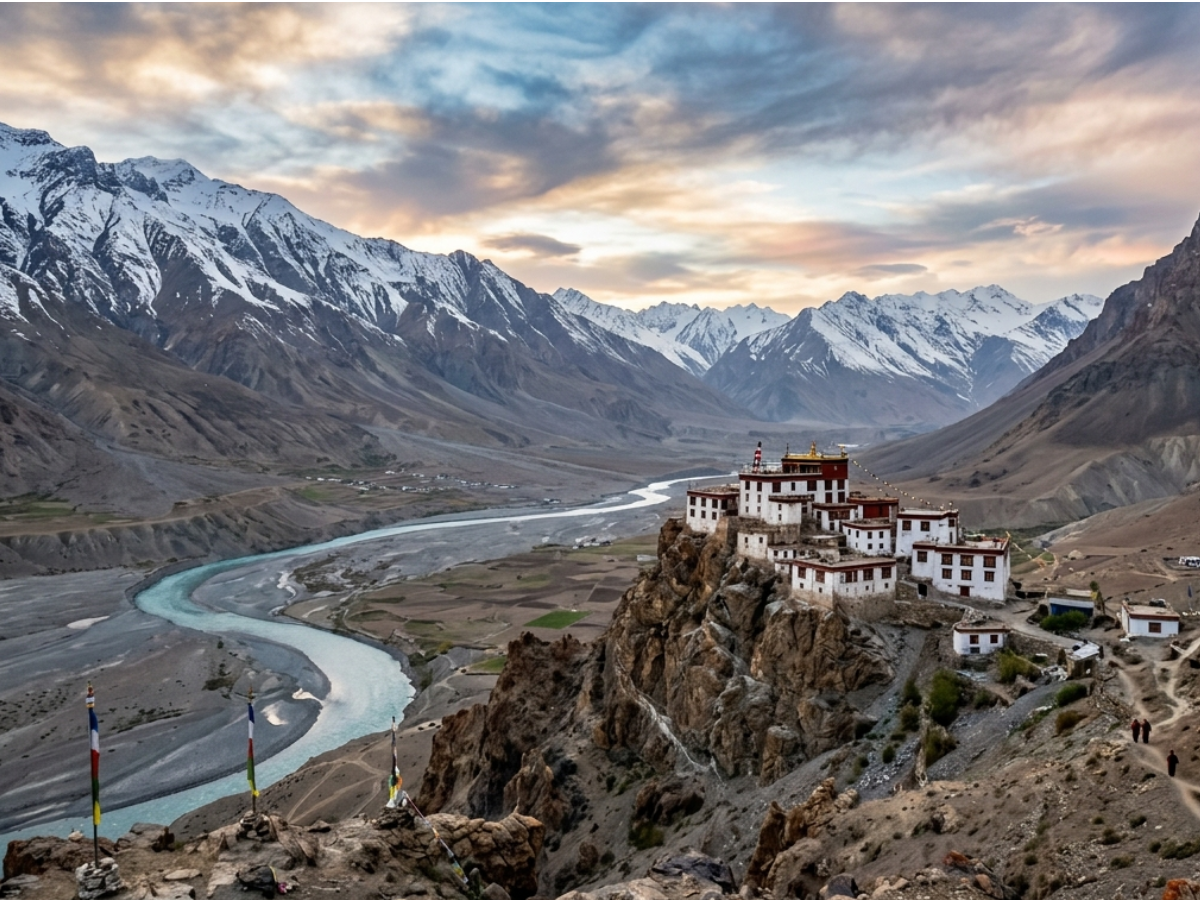
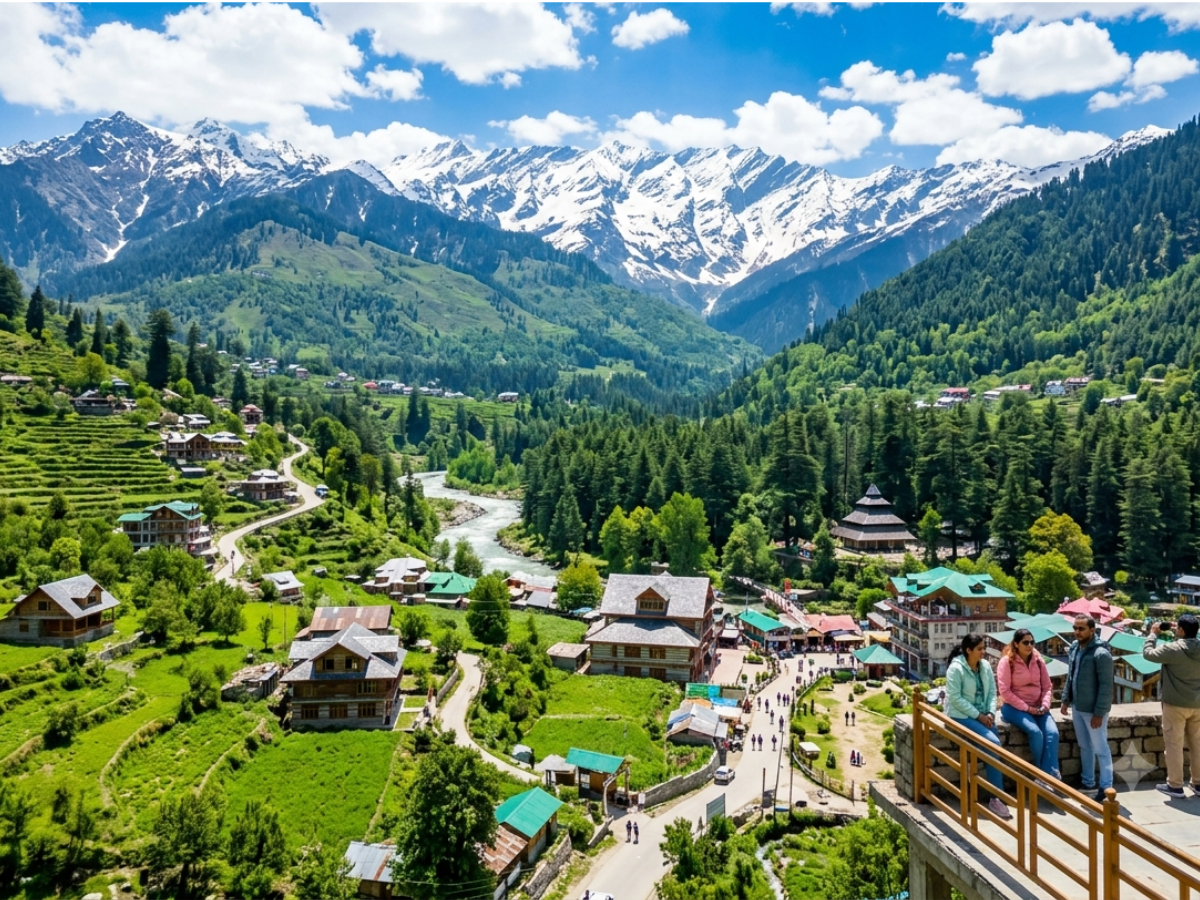
Malana, a solitary village tucked deep within the Parvati Valley of Himachal Pradesh, pulls a very specific kind of lore chaser. The rumour mill here runs hot with stories of a strict social taboo where outsiders are forbidden from touching the walls, temples, or even the inhabitants themselves. The locals believe they are the direct descendants of Alexander the Great’s lost army, and they govern themselves through an ancient parliamentary system that predates modern democracy. For younger travellers, the journey up the steep mountain trails is less about the view and more about navigating this invisible boundary of myth, returning with travel anecdotes about a place that feels entirely unstuck from time.
Danushkodi, sitting at the tip of Tamil Nadu, offers a more haunting form of storytelling travel. Once a bustling coastal town, it was wiped off the map by a massive cyclone in 1964 and left as a ghost town. But the deeper narrative stretches back thousands of years to the Ram Setu, the mythic bridge built to Lanka. Wandering through the half-submerged ruins of a church and a railway station, flanked by the roaring ocean on both sides create a deeply textured travel narrative. It is a place where a tragic modern history and an ancient epic collide, leaving visitors with powerful, non-material souvenirs.
Mayong in Assam, often whispered about as the "Cradle of Black Magic", is another hotspot for those seeking unique experiences. Tucked away near the Brahmaputra River, this village is reputed for sorcery, shape-shifting legends, and traditional healing practices that have been passed down for generations. Instead of checking out standard monuments, adventure-seeking travellers come here to track down old manuscripts, speak with local practitioners, and hear personal stories about men turning into tigers or spells that could tame wild elephants. The thrill lies in the heavy, mysterious atmosphere of the village itself, where the boundary between reality and folklore feels incredibly thin.
What Makes Lore Chasing Memorable
What makes Lore chasing so memorable is not just where people go, but how those journeys settle inside them. Instead of collecting objects, travellers gather non-material souvenirs: a shiver in an empty fort corridor, a shared laugh over a local legend, or a quiet moment in a forest shrine. These become the kind of memorable moments that resurface during long conversations years later.
Because Lore chasing is a form of storytelling travel, the focus is firmly on feeling and interpretation. Photos may be imperfect, yet the travel anecdotes stay vivid. The smell of rain in a village square, a guide lowering their voice mid-story, the sound of distant drums during a ritual, all fold into a personal archive of life experiences. For many adventure-seeking travellers, this style of movement answers a quiet longing. It allows them to turn official history, cinema, and folklore into their own evolving travel narratives and unique experiences.
In a world where trips can easily blur into each other, Lore chasing subtly reshapes experiential travel. Journeys become story-filled rather than schedule-filled. Destinations transform into chapters within larger journey narratives, and travellers return home with fewer items but richer, more layered share-worthy experiences. The stories outlast the itineraries, and that, increasingly, is what matters.While stories often matter more than souvenirs, preserving those moments through thoughtful photography can help travellers revisit the atmosphere, emotions, and details long after the journey ends. Learn how to capture meaningful travel memories with Best Travel Photography Tips 2026.
Ready to begin your own lore-chasing adventure? Whether you're following local legends, cinematic locations, or hidden cultural stories, you can plan your journey by booking affordable flights, finding comfortable hotels, or exploring convenient bus tickets to uncover destinations where every place has a story waiting to be told.
FAQs
1. Is lore chasing just a fancy name for sightseeing?
Not really. Sightseeing is checking places off a list. Lore-chasing is chasing the story behind those places, even if it's a rumour, a movie scene, or something a cousin once mentioned over dinner at a family gathering.
2. Do you have to believe in ghosts or myths to enjoy lore-chasing?
Not at all. Some people go in as total sceptics and still have a great time. The fun is in listening, observing, and seeing how much local stories shape a place, whether you buy into the supernatural bits or not.
3. Can someone try lore chasing without travelling very far?
Yes. It can start in your own city. There is always that “haunted” flyover, that old cinema with a story, or that food lane everyone talks about but never explains properly. Following those tiny leads is also lore-chasing.
4. How do people usually find these stories in the first place?
Most of the time it is through friends, films, random internet threads, or things heard in passing. A throwaway line like “That village is weird after dark” is often enough to send a curious traveller looking for more.
5. Is lore-chasing only for solo travellers or backpackers?
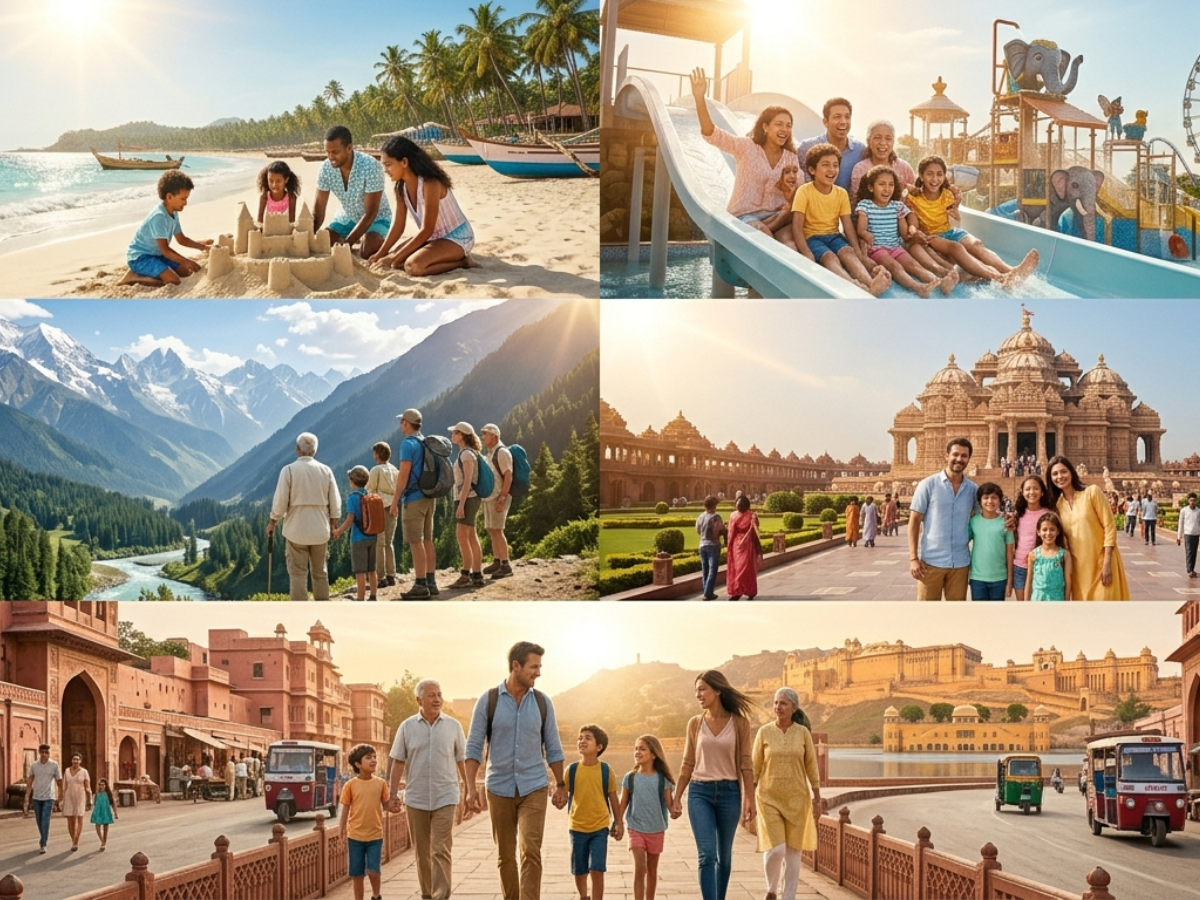
No, it works for anyone. Friends on a road trip, couples, and even families can build a trip around a story. In fact, it can be fun to argue over which version of a local legend sounds more believable on the way back.
6. What if the place feels totally normal and nothing “mystical” happens?
That happens a lot, and it is fine. The point is less about proving a legend and more about the experience of going, asking questions, meeting people, and coming home with a story that is now partly yours.






 June 1, 2026
 Share
Share
 Download as PDF
  From
From 
 Departure Date
 Travellers & class
 Rent For
 Departure Date


 Share
Share
{{cmnt.comment}}