Travel in 2026 is shifting from famous landmarks to atmospheric experiences like hidden cafés, viral street food spots, and aesthetic neighbourhoods. Social media and Reels now shape how people discover destinations, with travellers seeking cinematic, local, and emotionally memorable moments over traditional sightseeing.
There was a time when travel photographs mostly captured monuments. Somebody stood in front of a fort, a lake, a cathedral, proof that they had arrived somewhere important. Now the camera points elsewhere. Toward coffee cups resting beside rain-streaked windows. Toward street vendors turning skewers over open flames at midnight. Toward dim alleyways lit by neon signs and tiny cafés hidden above bookstores or behind old apartment blocks.
Travel in 2026 feels increasingly shaped by atmosphere.
People still visit cities for history, architecture, and landscapes, of course. But alongside those older motivations, another kind of movement has emerged online and offline at the same time: travellers searching for moments that feel visually intimate, emotionally immediate, and quietly cinematic. The growing obsession with hidden cafés, street food reels, and aesthetic travel feels tied to a much bigger shift in the way people move through the world now. This shift also reflects the wider rise of experiential travel trends, where travellers increasingly prioritise atmosphere, emotion, and local immersion over traditional sightseeing checklists. Travel has become deeply tied to storytelling, not only through memory, but through screens.
Sometimes thoughtfully. Sometimes excessively.
The café is no longer just a café
In many cities, the modern café has evolved into something closer to a cultural stage set. The appeal extends beyond coffee itself. Travellers seek texture now: old wooden furniture, handwritten menus, jazz playing softly through speakers, sunlight falling unevenly across concrete walls. Across Indian cities especially, visually distinctive cafés are becoming destinations in themselves, much like the growing popularity of these Insta-worthy cafés of Delhi that attract travellers searching for aesthetic spaces and slower urban experiences. Even silence has become part of the atmosphere.
Across Seoul, Istanbul, Melbourne, Jaipur, and Hanoi, small Instagram cafés attract visitors who often spend more time observing the space than drinking what they ordered. Some arrive carrying cameras; others simply sit near windows scrolling quietly through playlists or editing photographs from earlier in the day.
It would be easy to dismiss this as performative, but that explanation feels incomplete.
The popularity of café culture reflects a broader craving for spaces that feel slower and more personal in increasingly overstimulated cities. Many travellers are no longer searching only for famous landmarks. They want corners of a city where ordinary life still seems visible. A local coffee shop tucked above a crowded market can feel more revealing than a crowded tourist square. This preference for intimate local spaces also mirrors the broader movement towards slow travel and spending longer periods in one city instead of rushing through heavily scheduled itineraries.
And sometimes those spaces genuinely shape the emotional memory of a trip.
A traveller may forget the museum ticket price or the route they took across the city. They remember the café where rain tapped softly against fogged glass while strangers argued about films at the next table.
Reels have changed the geography of food
A few seconds of video can now transform an unknown food stall into an international destination. One viral clip showing butter melting over hot bread or noodles tossed dramatically in a steel pan is often enough to create overnight queues.
The rise of street food reels has altered how travellers move through cities. Certain lanes, night markets, and roadside stalls become instantly recognisable online long before visitors arrive there physically. In Bangkok, Mumbai, Mexico City, and Jakarta, travellers frequently navigate through neighbourhoods guided less by maps than by saved social media clips. The same trend is visible across India’s coastal destinations too, where visually popular food stops such as these roadside cafés and bakeries in Goa have become essential additions to modern travel itineraries.
This has created strange contradictions.
Some vendors become globally famous while remaining physically unchanged: tiny stalls operating under flickering lights, run by families who have cooked the same dishes for decades. Others adapt quickly to visibility, redesigning counters and presentation styles around food photography travel and short-form video aesthetics.
The phone camera now sits at the table before the first bite does.
Yet behind the performance, food still carries its older emotional weight. During crowded evenings at Delhi street markets, conversations continue flowing between vendors and regular customers regardless of who is filming nearby. Smoke rises from grills, scooters squeeze through impossible gaps, somebody drops a steel plate and everyone briefly looks up. Real life keeps interrupting the content.
That interruption is probably why people remain fascinated by street food content in the first place. Viewers are not only watching recipes. They are watching movement, labour, improvisation, heat, noise. A city revealing itself in fragments.
Why aesthetic travel feels comforting right now
The popularity of aesthetic destinations often gets reduced to vanity or social media obsession. But the reality seems more layered than that.
Visual environments affect people emotionally. Travellers have always been drawn toward beauty, symmetry, atmosphere, and mood. The difference now is that platforms like TikTok and Instagram amplify those instincts continuously. A narrow Kyoto alley glowing after rainfall, a candlelit café in Prague, an old bookstore in Kolkata with a coffee counter squeezed between shelves — these spaces circulate endlessly online because they create emotional reactions almost instantly.
The rise of TikTok travel and visual travel content reflects how modern travellers increasingly curate feelings as much as itineraries. They seek places that produce a certain atmosphere: nostalgic, cinematic, quiet, melancholic, vibrant.
Films have influenced this visual language too. In Tumbbad, darkness, rain, and decaying interiors become inseparable from the emotional experience of the story itself. Bulbbul transforms colour and landscape into something dreamlike and unsettling at once. Meanwhile Kantara and Stree root their worlds deeply within local textures: forests, small-town streets, folklore, flickering lights, crowded rituals.
Travellers chase similar atmospheres now, even unconsciously. In many ways, this overlaps with the growing White Lotus effect on global tourism, where cinematic storytelling and visual culture increasingly shape how travellers emotionally connect with destinations before they even arrive.
A café hidden behind ivy-covered walls may remind someone of scenes from a film they cannot fully place. A foggy hillside tea stall feels cinematic before they even take out their phone.
Content creation has become part of the journey
For many younger travellers, documenting the trip is no longer separate from experiencing it. The act of filming, photographing, editing, and posting has become woven into travel itself.
This shift explains the rise of content creation travel and the growing influence of food content creators and travel vloggers. Entire itineraries are sometimes shaped around visual storytelling potential rather than conventional sightseeing. People search for reflective mirrors in cafés, hidden staircases painted with murals, dramatic street food plating, rooftop coffee bars overlooking old neighbourhoods.
Not every traveller is trying to become an influencer, though. Often the behaviour is simpler than that. Recording a place helps people hold onto it.
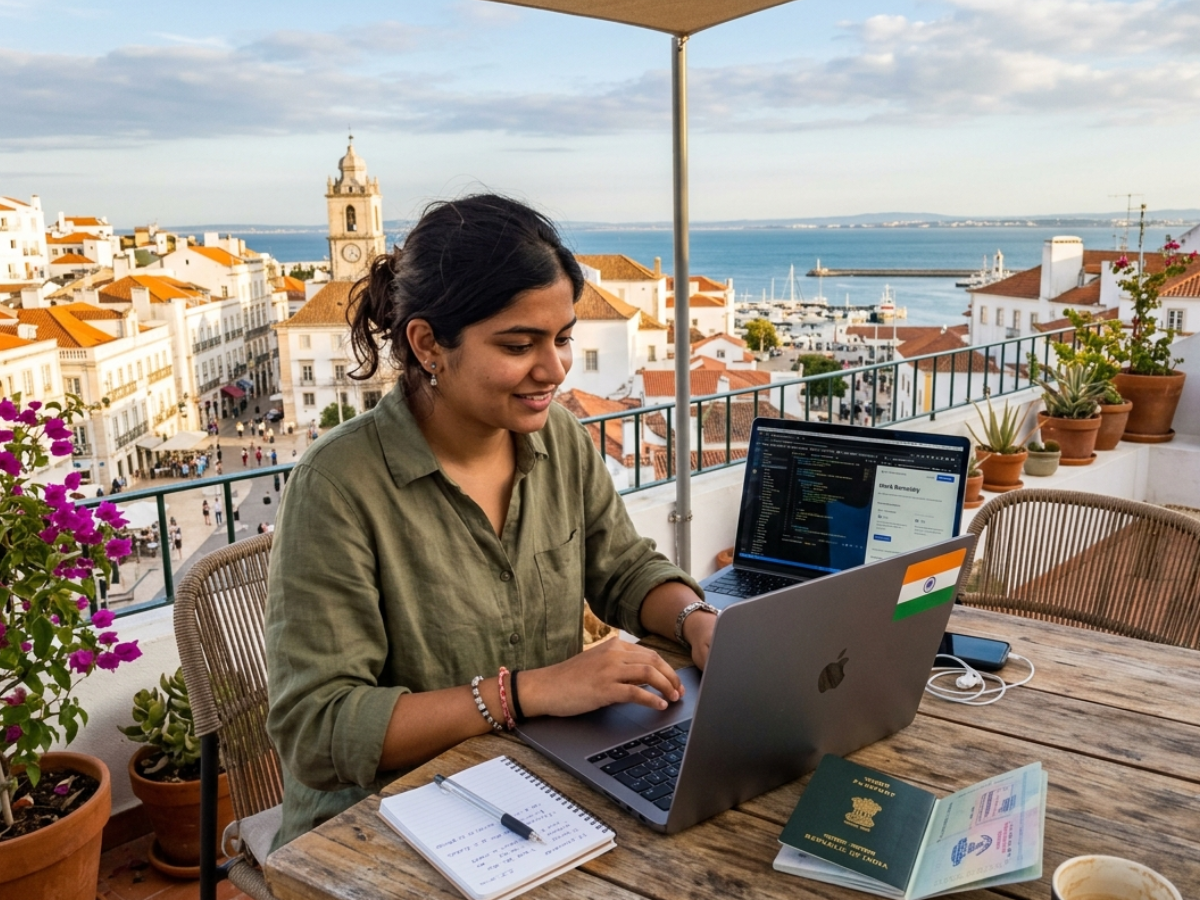
There is also something undeniably communal about these digital discoveries. That sense of shared discovery is also driving the rise of travel communities and group-based travel culture, where travellers increasingly connect through common interests, aesthetics, and online recommendations. A hidden bakery in Lisbon or a tea house in Dharamshala gains visibility because thousands of strangers quietly recommend it to one another through videos and photographs. Modern travel increasingly spreads through collective curiosity.
Of course, visibility changes places too.
Some once-quiet cafés now struggle beneath endless queues and tripod setups. At the same time, many travellers are moving in the opposite direction, choosing quieter independent journeys inspired by the rise of solo and flexible travel experiences in 2026. Owners who originally opened intimate neighbourhood spaces suddenly find themselves managing viral fame. In a few cities, residents have started pushing back against overtourism fuelled by social media exposure.
The tension is real. Yet it also reveals how deeply people hunger for places that feel emotionally alive.
Café hopping and the search for atmosphere
One noticeable trend across cities in 2026 is the rise of deliberate café hopping. Travellers move slowly between neighbourhood cafés, not necessarily searching for the “best” coffee but for different moods. This slower pace of exploration also complements the growing popularity of all-inclusive travel experiences and curated vacation packages\that allow travellers to focus more on atmosphere and less on constant planning.
Morning cafés feel distinct from late-night ones. Some spaces encourage conversation; others seem designed for solitude. In Tokyo, travellers sit silently beside windows for hours while trains pass outside. In Istanbul, tiny local coffee shops spill onto crowded sidewalks where conversations stretch endlessly over tea and cigarettes.
What travellers collect now are atmospheres.
The old idea of tourism focused heavily on landmarks because landmarks symbolised arrival. Today, many travellers begin their journeys by first searching flexible flight options, comfortable hotel stays, or even scenic regional bus routes for slower travel experiences that support more immersive city exploration.Today many travellers seem more interested in emotional texture. They remember how a city sounded at midnight, how street vendors shouted during evening rush hour, how espresso cups clinked softly inside crowded cafés during rainfall.
Not every memory needs to be monumental.
Sometimes it is enough for a place to feel briefly, strangely familiar.
Why these travel trends matter
The rise of viral cafés, social media travel trends, and visual storytelling reflects more than changing algorithms. It reveals a quieter transformation in how people connect with places.
Modern travellers increasingly search for intimacy within large, unfamiliar cities. They want experiences that feel lived-in rather than formally presented. Hidden cafés, late-night food stalls, and visually textured neighbourhoods offer exactly that: fragments of ordinary urban life that still feel personal despite being shared online thousands of times.
There are contradictions in this kind of travel, certainly. The camera can distance people from the moment even while trying to preserve it. Yet sometimes the opposite happens. A traveller lowers their phone after recording a crowded market, notices the smell of frying garlic drifting through the air, and suddenly becomes fully present again.
That balance between documentation and experience may define travel for years to come.
Frequently asked questions
Why are hidden cafés becoming so popular among travellers?
Many travellers are drawn toward spaces that feel personal, atmospheric, and slightly removed from crowded tourist circuits. Hidden cafés often offer a sense of intimacy that larger commercial spaces cannot replicate.
How have social media reels changed food tourism?
Short-form videos have dramatically increased the visibility of local food stalls and markets. A single viral clip can turn a relatively unknown vendor into a major attraction almost overnight.
What does aesthetic travel actually mean?
Usually, it refers to travel experiences shaped strongly by atmosphere and visual mood. Travellers often seek places that feel cinematic, nostalgic, artistic, or emotionally distinctive rather than focusing only on famous landmarks.
Is café hopping only popular with influencers?
Not really. While content creators helped popularise the trend, many ordinary travellers now enjoy exploring neighbourhood cafés simply to slow down, observe local life, or spend time in thoughtfully designed spaces.
Can viral travel trends negatively affect local places?
Sometimes, yes. Sudden online popularity can overwhelm smaller cafés or street food stalls that were never designed for heavy tourism. Many cities are still trying to balance visibility, tourism income, and preserving local character.






 May 27, 2026
 Share
Share
 Download as PDF
  From
From 
 Departure Date
 Travellers & class
 Rent For
 Departure Date

 Share
Share
{{cmnt.comment}}