While most tiger reserves close during the monsoon, June to September is one of the best seasons for birdwatching in India. Flooded wetlands, lush forests, and peak breeding activity attract resident and migratory birds, making destinations like Bhigwan, Thattekad, Salim Ali Bird Sanctuary, Vedanthangal, Keoladeo, Khichan, Great Himalayan National Park, and Dibru-Saikhowa ideal for wildlife enthusiasts. With fewer crowds, stunning landscapes, and excellent photography opportunities, the monsoon offers a unique wildlife experience, while EaseMyTrip makes planning easier with flight, train, accommodation, and local transfer options.
The monsoon is when most people stop thinking about wildlife travel in India. The national parks close, the roads into the forests become unreliable, and the assumption settles in that the wet months are for staying home and waiting for October. That assumption is largely accurate for tiger safaris and the major terrestrial park complete monsoon travel guides, but it misses an entire category of wildlife experience that the monsoon uniquely enables. If you're planning to explore beyond wildlife, our highlights some of the season's most rewarding destinations across India.
Bird-watching destinations in India during the monsoon are at their most productive precisely because of the rain. Migratory species that breed in the Himalayan foothills and the Western Ghats are at their most visible and most active between June and September. Wetlands that were dry pans in April are full lakes in August, drawing species that do not appear in these locations at any other time of year. And the forests, dense and green and overflowing with insect activity, are louder with bird call than at any other point in the annual cycle.
Why the Monsoon Is Actually a Good Time to Go Birding
Birding and wildlife watching during the monsoon requires a specific adjustment in expectations. The tiger will not be seen. Most of the major tiger reserves are closed between June and October, and even where access exists, Outside the monsoon season, many of the best wildlife sanctuaries in India reopen for classic safari experiences. the vegetation density makes sighting probability very low. What the monsoon offers instead is a different category of encounter: wading birds at flooded wetlands, forest species in full breeding plumage and song, migratory arrivals from across Asia and beyond, and the specific light quality of a clearing after rain that makes bird photography in July and August produce results that January's flat light cannot match.
Bird-watching destinations in India during the monsoon also tend to be less crowded than the same sites in winter and spring, when the birding and wildlife tourism season peaks. Many of these wildlife hotspots also feature among the best monsoon destinations in India for travellers seeking scenic landscapes and unique seasonal experiences. A wetland in July, even a famous one, typically sees a fraction of the visitor numbers it attracts between November and February.
Best Bird-Watching and Wildlife Spots in India During the Monsoon
1. Bhigwan, Maharashtra The Flamingo Wetland
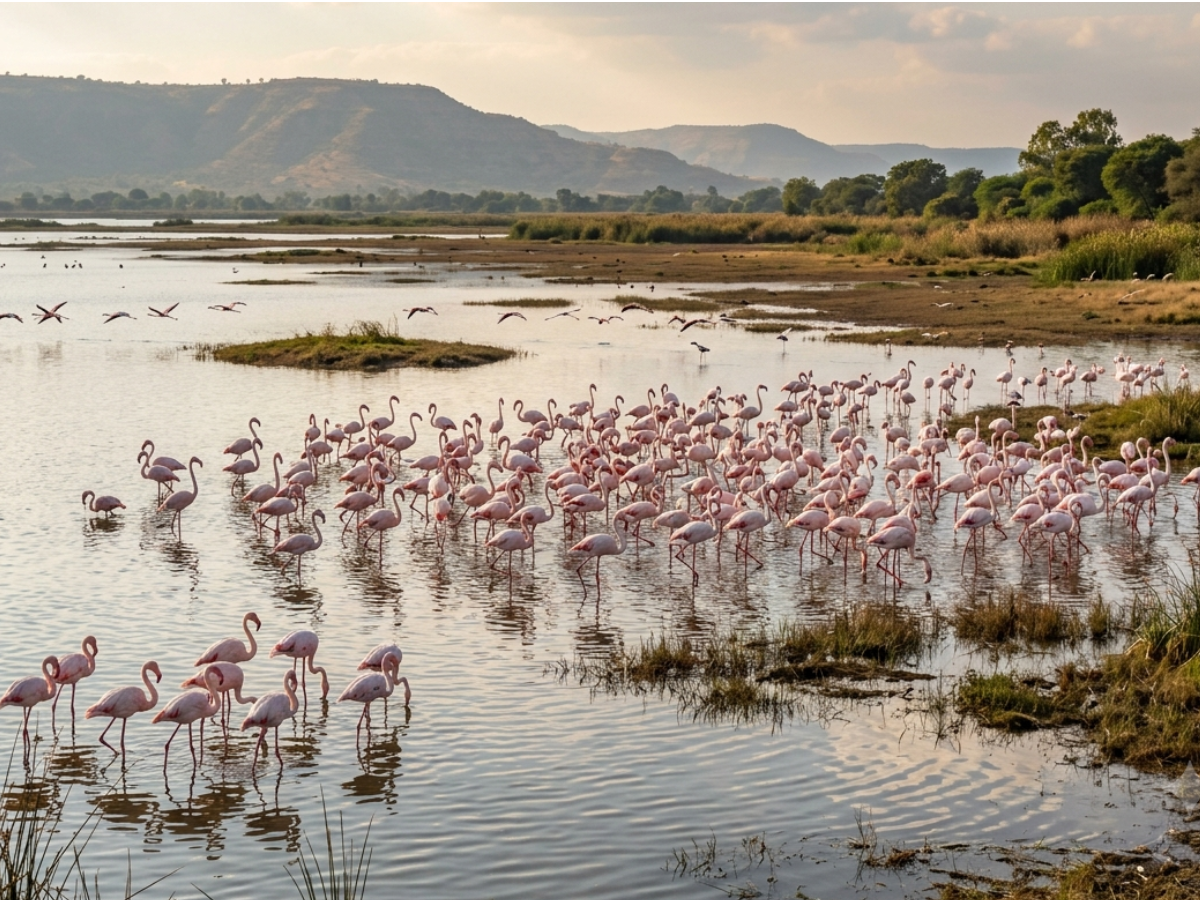
Bhigwan, on the Ujani reservoir on the Bhima River south of Pune, is one of the best birding spots in India for wading birds and waterfowl, and the monsoon months push the reservoir to its capacity, creating conditions that concentrate both resident and visiting species.
Flamingos are the headline species at Bhigwan, and while the peak flamingo numbers occur in winter, August brings a different cast painted storks, open-billed storks, various heron and egret species, and the purple sunbird that inhabits the scrub fringe of the reservoir. The boat tours that operate on the reservoir allow a closer approach to nesting colonies than land-based viewing permits.
The drive from Pune takes approximately two and a half hours, and accommodation near the reservoir ranges from basic lodges to birding-specific guesthouses whose owners typically have detailed knowledge of current sightings. Several of these sanctuaries are also counted among the best places to visit during the monsoon, thanks to their lush surroundings and thriving ecosystems.
2. Salim Ali Bird Sanctuary, Goa
The Salim Ali Bird Sanctuary on the Chorao Island in the Mandovi River estuary is a monsoon wildlife sanctuary that operates differently from most of its counterparts. Chorao Island's mangrove ecosystem is accessible by ferry from Ribander and holds species that the Goa coastline's more commercial areas do not the Malabar pied hornbill, the white-throated kingfisher, the crake species that inhabit the mangrove margins, and during the monsoon, the migratory warblers and flycatchers that move through the Western Ghats.
For visitors already in Goa for the beach, Chorao Island makes a half-day excursion that requires no significant additional travel. The mangrove boat tours, operated early morning and late afternoon, provide the best access. August light on the estuary water, particularly in the hour after dawn, is exceptional for photography.
3. Vedanthangal Bird Sanctuary, Tamil Nadu
Vedanthangal, 85 kilometres from Chennai, is one of India's oldest protected bird sanctuaries and one of the most dramatic bird-watching destinations in India during the monsoon. The shallow lake at the sanctuary's centre fills with the northeast monsoon in October and November the timing is slightly later than the southwest monsoon that drives most of the list but the preparation for the breeding season starts earlier, and August sees the first arrivals of the painted storks, grey pelicans, open-billed storks, and cormorant species that nest here in enormous numbers.
The nesting colonies at peak season are one of the more extraordinary wildlife spectacles in South India: thousands of birds in adjacent trees at the water's edge, the noise and activity of a functioning colony rather than a museum display. The monsoon timing places the visit before the peak but allows observation of the early arrivals and the beginning of the breeding activity.
4. Khichan, Rajasthan, Demoiselle Cranes
Khichan is an unusual bird-watching destination in India during the monsoon because the spectacle it offers is specific and unusual. Demoiselle cranes, migrating from Central Asia and Mongolia, begin appearing at Khichan in August before the main arrival in October, and the early-season visitors are smaller in number but significantly more accessible than the peak-winter flocks.
The villagers of Khichan have been feeding these cranes for over five decades, and the relationship between the village and the birds is one of the more remarkable examples of community-based conservation in India. The feeding grounds in the centre of the village draw the cranes twice daily, dawn and late afternoon, and the proximity available during feeding is unusual for migratory species of this size.
August at Khichan is hot and dry by Rajasthan standards, but the early crane arrivals combined with the relatively lower visitor numbers make it worth the timing for serious birders who want the site with room to observe.
5. Thattekad Bird Sanctuary, Kerala
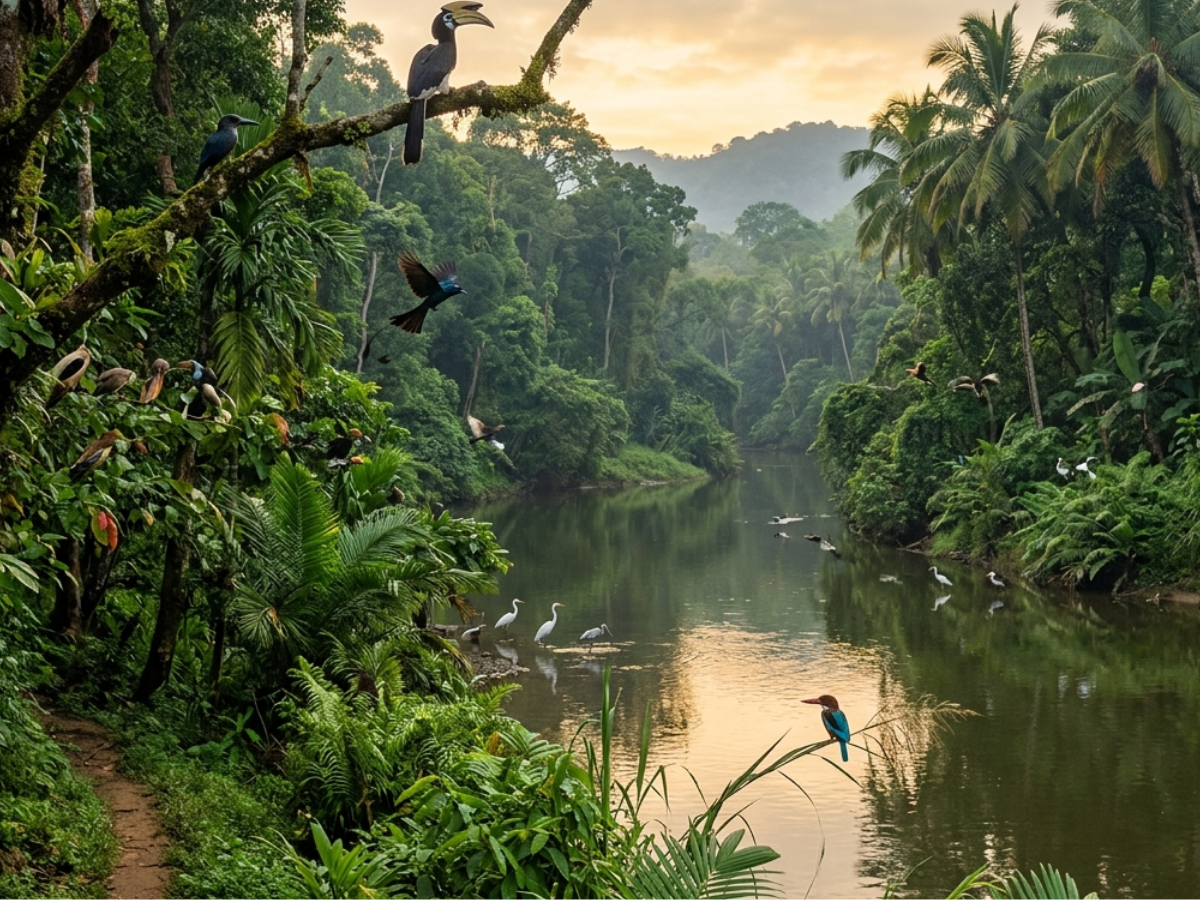
Thattekad in the Ernakulam district of Kerala on an island formed by the Periyar River was described by the ornithologist Salim Ali as the richest bird habitat in peninsular India, and the monsoon months validate the claim in a specific way. The sanctuary's deciduous and semi-evergreen forest is most acoustically active between June and September, when breeding activity peaks and the species that are quiet and hidden in the dry season become vocal and visible.
The Ceylon frogmouth, the Malabar grey hornbill, the Indian pitta, and the shama are among the species that Thattekad's monsoon forest holds in concentrations that best birding spots in India lists consistently note. The sanctuary is accessible from Kothamangalam, approximately 50 kilometres from Kochi, and the forest interior walks are best done with a guide who can identify species by call a skill that becomes essential when the vegetation density reduces visual sighting probability.
6. Great Himalayan National Park, Himachal Pradesh
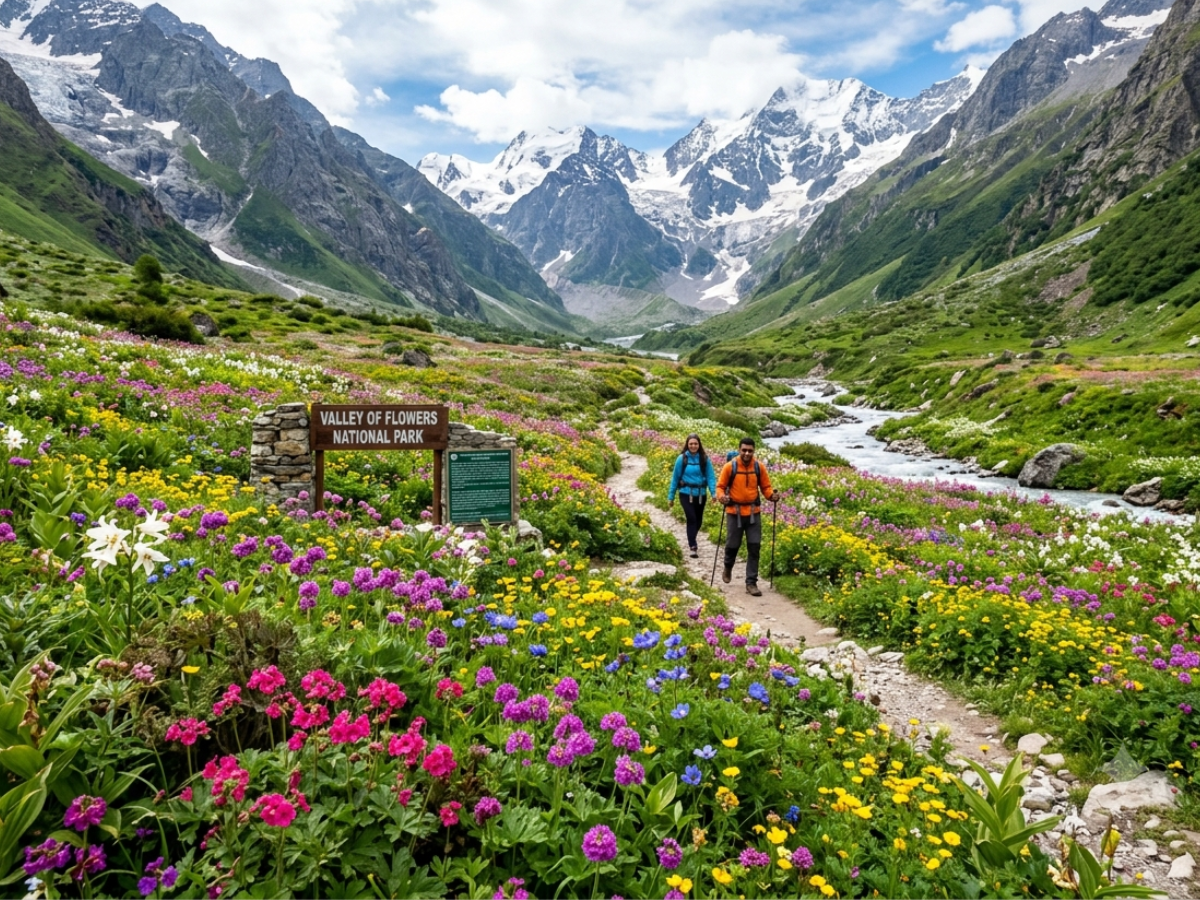
The Great Himalayan National Park in the Kullu district is a monsoon wildlife sanctuary for a different category of wildlife: high-altitude Himalayan species that the rain shadow and altitude protect from the monsoon's worst effects. Western tragopan, the most endangered pheasant in India, is most visible during the breeding season in late June and July. Himalayan monal, cheer pheasant, and the koklass pheasant inhabit the upper zones of the park.
The park requires a permit and a registered guide, and the trails into the core zone involve serious trekking rather than casual walking. The reward is access to Himalayan bird species that are not available at any accessible lowland site regardless of season.
7. Bharatpur Keoladeo National Park, Rajasthan
Keoladeo's winter reputation, when the Central Asian and Siberian birds arrive in tens of thousands, tends to obscure what the park offers in the monsoon months. The bird sanctuary near me in the monsoon choice for visitors within range of Rajasthan, Keoladeo in August is a functional breeding colony for resident species painted storks, grey herons, purple herons, cormorants, and egrets nest in the trees above the shallow wetland in numbers that make the park's name comprehensible.
The park's resident species in breeding plumage during the monsoon are at their visual peak the painted stork's pink wing flush, the purple heron's extended plume feathers and the chick-rearing activity at the nesting trees provides observation opportunities that the winter migration does not.
8. Dibru-Saikhowa National Park, Assam
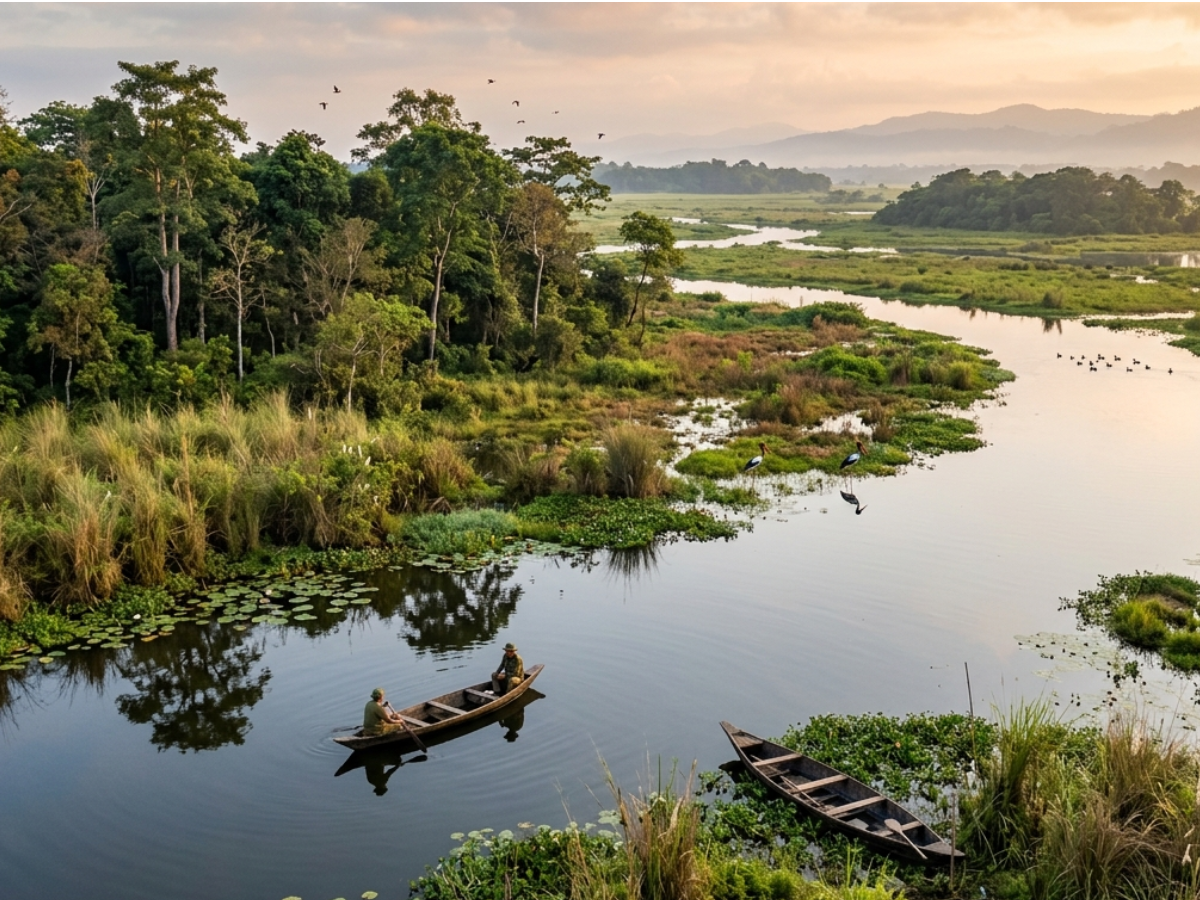
Dibru-Saikhowa in eastern Assam is the bird sanctuary near me in the monsoon option for visitors to the northeast, and it is significantly less visited than Kaziranga despite holding species that the more famous park does not. The Bengal florican, one of the most endangered bustard species in the world, inhabits the grasslands here. Ferruginous duck, greater adjutant, and the black-bellied tern are among the water-associated species that the park's position at the Brahmaputra-Lohit confluence enables.
The monsoon raises the river significantly, and boat-based observation on the river channels is the most productive approach during the wet months when the grassland interior is flooded. Beyond birding, these landscapes rank among the best nature destinations in India, offering unforgettable experiences for photographers and outdoor enthusiasts alike.
How EaseMyTrip Supports Monsoon Wildlife and Birding Travel
Bird-watching destinations in India during the monsoon are often at the ends of indirect transport connections. Many destinations are equally accessible by rail, allowing travellers to conveniently book train tickets for their journey. Khichan requires a flight to Jodhpur and a road transfer; Dibru-Saikhowa requires a flight to Dibrugarh and boat access; and Thattekad requires a connection from Kochi via Kothamangalam. EaseMyTrip's platform surfaces flight options into the relevant regional airports alongside cab transfer availability, helping travellers build the access logistics for the best birding spots in India without researching each transport element separately.
For monsoon wildlife sanctuary visits where accommodation is limited and often known to a small community of specialist birding lodges, the platform's AI-powered availability tools help identify options before they fill for the July–September window. As AI continues to improve how travel platforms surface niche destination information, species calendars, permit requirements, and guide availability EaseMyTrip is developing towards a system that helps birding travellers plan the full trip rather than just the flight. For a travel category where the timing and logistics are as specialist as the interest that drives the trip, that kind of intelligent, specific planning support changes what is practically achievable within a monsoon travel window.
FAQs
Q: Why are monsoon months good for bird-watching in India?
Bird-watching destinations in India during the monsoon are productive for several reasons: breeding season peaks between June and September, meaning species are in full plumage and actively singing; wetlands fill to capacity, concentrating waterfowl and wading species; forest insect activity peaks, supporting species that are secretive during drier months, and early migratory arrivals from Central Asia begin appearing at sites like Khichan in August. The monsoon period is, for birding specifically, one of the two peak seasons in the Indian ornithological calendar the other being November to February for winter migration.
Q: Which are the best birding spots in India that remain accessible during monsoon?
Best birding spots in India that remain accessible during the monsoon include Thattekad in Kerala, Vedanthangal in Tamil Nadu, Salim Ali Bird Sanctuary in Goa, Bhigwan in Maharashtra, Keoladeo in Rajasthan, and Dibru-Saikhowa in Assam. The major tiger reserves Ranthambore, Kanha, Bandhavgarh, Corbett are largely closed during this period, which makes the wetland, coastal, and forest bird sanctuaries the primary wildlife travel option for the months between June and September.
Q: What wildlife can be seen at a monsoon wildlife sanctuary in India?
A monsoon wildlife sanctuary in India during July and August holds a different range of species from the dry-season equivalent. Wading birds, painted storks, and open-billed storks, with spoonbills, are at their most visible at flooded wetlands. Forest species are in breeding plumage and most vocal. Early migratory arrivals from Central and East Asia begin appearing at traditional wintering sites. Amphibian activity peaks during the monsoon, making certain forest sanctuaries excellent for frog species that are entirely invisible in dry months. The monsoon changes what a sanctuary offers rather than reducing it.
Q: How do I find a bird sanctuary near me that is active during the monsoon?
The most reliable approach for finding a bird sanctuary near me in the monsoon is to identify the nearest wetland reserve on the Ramsar Convention site list India has over 75 designated Ramsar wetlands and then check whether the site has specific monsoon species records through the eBird database, which aggregates birding sightings by location and month. Local birding clubs in most major cities maintain monthly sighting records for nearby sanctuaries that are more current and specific than general travel guides. Contacting a local birding club before planning a visit produces itinerary information that no published guide can match.
Q: How can EaseMyTrip help plan a birding trip during the monsoon?
EaseMyTrip's platform helps travellers planning visits to bird-watching destinations in India during the monsoon by surfacing flight options to the regional airports nearest to specialist birding destinations Kochi for Thattekad, Jodhpur for Khichan, Dibrugarh for Dibru-Saikhowa alongside cab transfer availability and accommodation options near the sanctuary. AI-powered availability alerts notify travellers when accommodation opens at limited-capacity birding lodges that are known to the specialist community but not widely listed on mainstream platforms. For a travel category where the destination research is as specialised as the interest that drives it, having the logistics platform handle transport and accommodation while the traveller focuses on species planning makes the monsoon birding trip considerably more achievable.






 August 6, 2026
 Share
Share
 Download as PDF
  From
From 
 Departure Date
 Travellers & class
 Rent For
 Departure Date



 Share
Share
{{cmnt.comment}}