Best Nature Destinations in India

EaseMyTrip April 21, 2026

India’s nature offers a powerful escape from fast-paced city life, where landscapes—from lush Western Ghats and Himalayan valleys to deserts, forests, and backwaters—bring a sense of calm and perspective. Each region feels unique, shaped by seasons and ecosystems, making nature travel in India less about sightseeing and more about reconnecting with simplicity, silence, and the present moment.


India has always had a strange relationship with nature. Cities expand, traffic multiplies, and life seems to move faster every year. Yet the moment you step outside those urban pockets, something changes almost instantly. The air feels different. Conversations slow down. People start noticing things again. A tree. A mountain line in the distance. The quiet sound of water somewhere nearby.

Truth is, travelling through the best nature destinations in India often feels less like sightseeing and more like rediscovering how peaceful the world can be.

Many travellers do not even realise this until they experience it themselves. They go looking for a break, maybe a few scenic photographs, perhaps a calm weekend away. What they find instead is something deeper. Nature has a way of pulling attention away from noise and bringing it back to the present moment. If you are just beginning to explore the country, this guide to wonderful places to visit in India blog offers a broader look at destinations worth adding to your journey.

India is particularly good at this. The country holds landscapes so different from each other that every region feels like a completely new chapter. Mountains, forests, wetlands, valleys, coastal ecosystems. Sometimes they exist only a few hours apart.

That is what makes exploring the best nature destinations in India such an interesting journey. Depending on the time of year, your experience can change completely, which is why travellers often plan around seasonal guides like best monsoon destinations in India blog or best places to explore in India during winters blog.

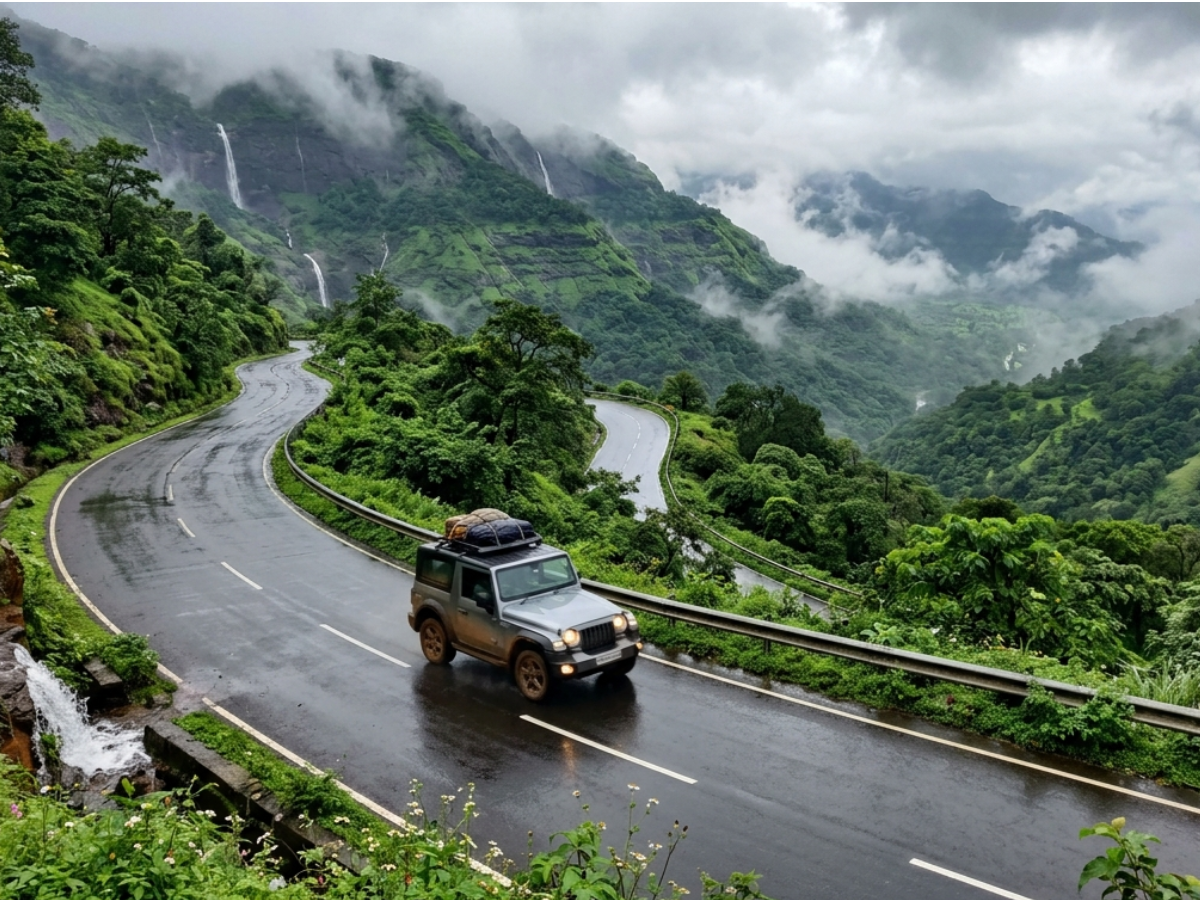
Spend a little time in the Western Ghats and you begin to understand why people speak so fondly about the region. The hills stretch endlessly across parts of Kerala and Karnataka, rising gently through forests, tea estates, and small villages tucked between slopes.

The atmosphere here feels soft. Almost dreamy.

One of the first places many travellers encounter is Munnar. Early mornings in Munnar are something else entirely. Mist slides through the tea plantations while sunlight slowly reveals the green terraces spread across the hills.

You stand there for a moment and realise the scenery does not need any filters or editing. It simply exists that way.

Further north, the hills around Coorg carry their own personality. Coffee plantations dominate the landscape, and the smell of roasted beans seems to float through the air in some corners. Forest trails cut quietly through the hills. Waterfalls appear unexpectedly after short walks.

It is easy to see why this region remains one of the most beloved natural beauty places India has to offer. If hill landscapes like these appeal to you, you might also enjoy exploring other scenic elevations covered in this list of top hill stations in India to visit this year blog.

Now imagine the complete opposite of that lush green landscape.That contrast appears the moment you arrive in Ladakh.

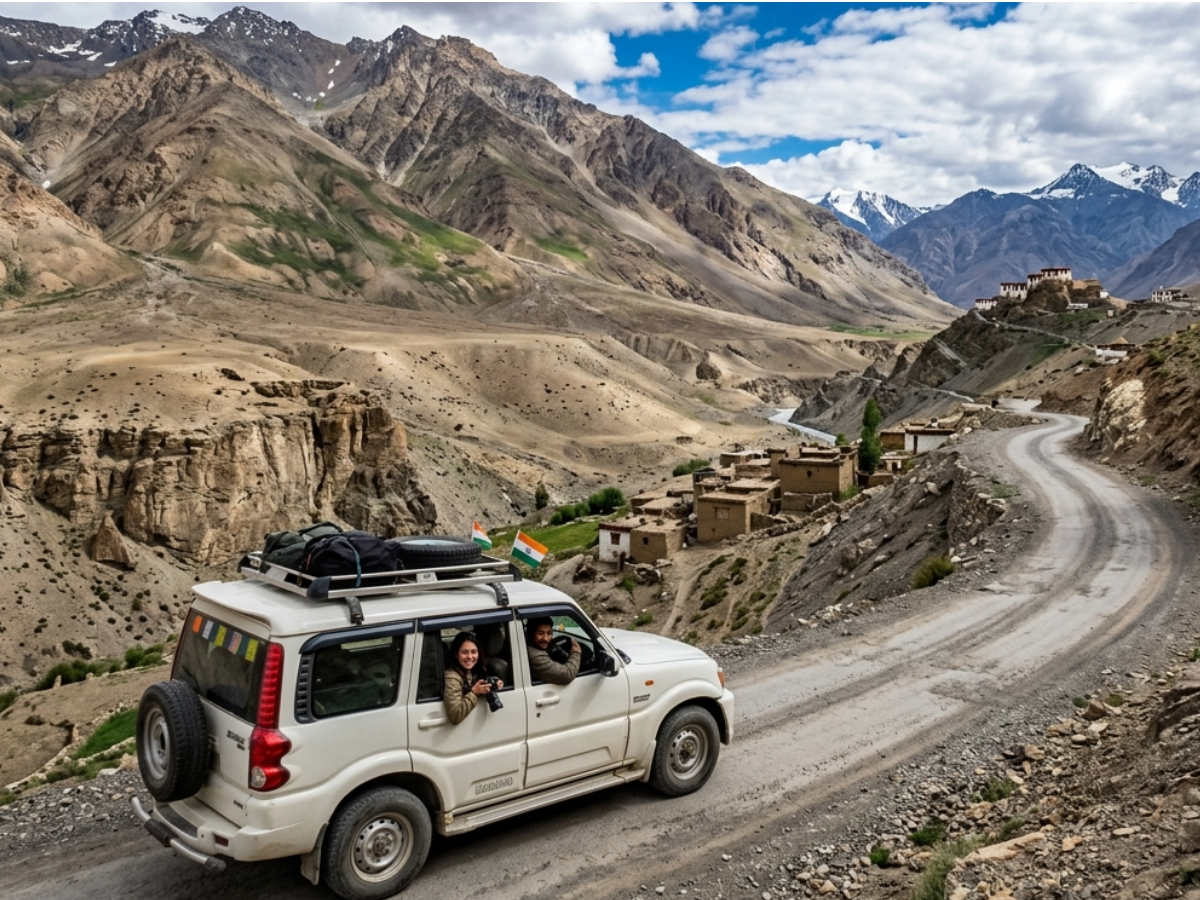
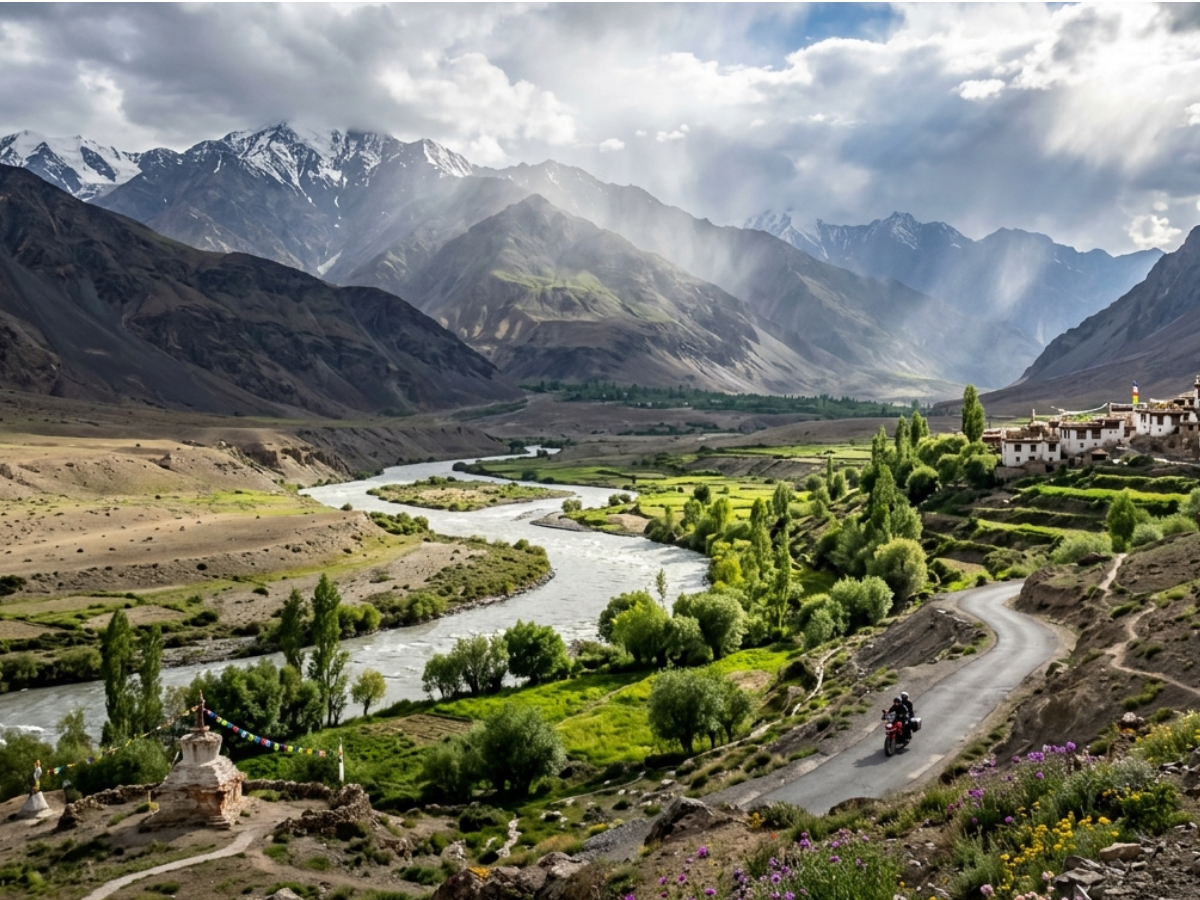
Ladakh feels vast in a way that photographs rarely capture properly. The mountains rise sharply from barren valleys, and the colours of the land shift between shades of brown, gold, and grey depending on the light.

The funny thing about travelling here is how your perception of distance changes. A mountain that looks nearby might actually be hours away.

One of the most famous sights in the region is Pangong Lake. The water changes colour throughout the day, reflecting the sky in deep blues and silvers.

But the real experience of Ladakh happens on the roads between places. Long drives pass through landscapes that feel untouched by time. Nothing interrupts the view except the wind and the mountains themselves.

For travellers interested in eco tourism India, Ladakh quietly teaches an important lesson. Fragile environments demand respect. The altitude, the climate, the ecosystem. Everything here reminds visitors to travel carefully. For those looking to escape rising temperatures, destinations like Ladakh often feature in curated summer escapes such as quiet corners where to go when India heats up blog.

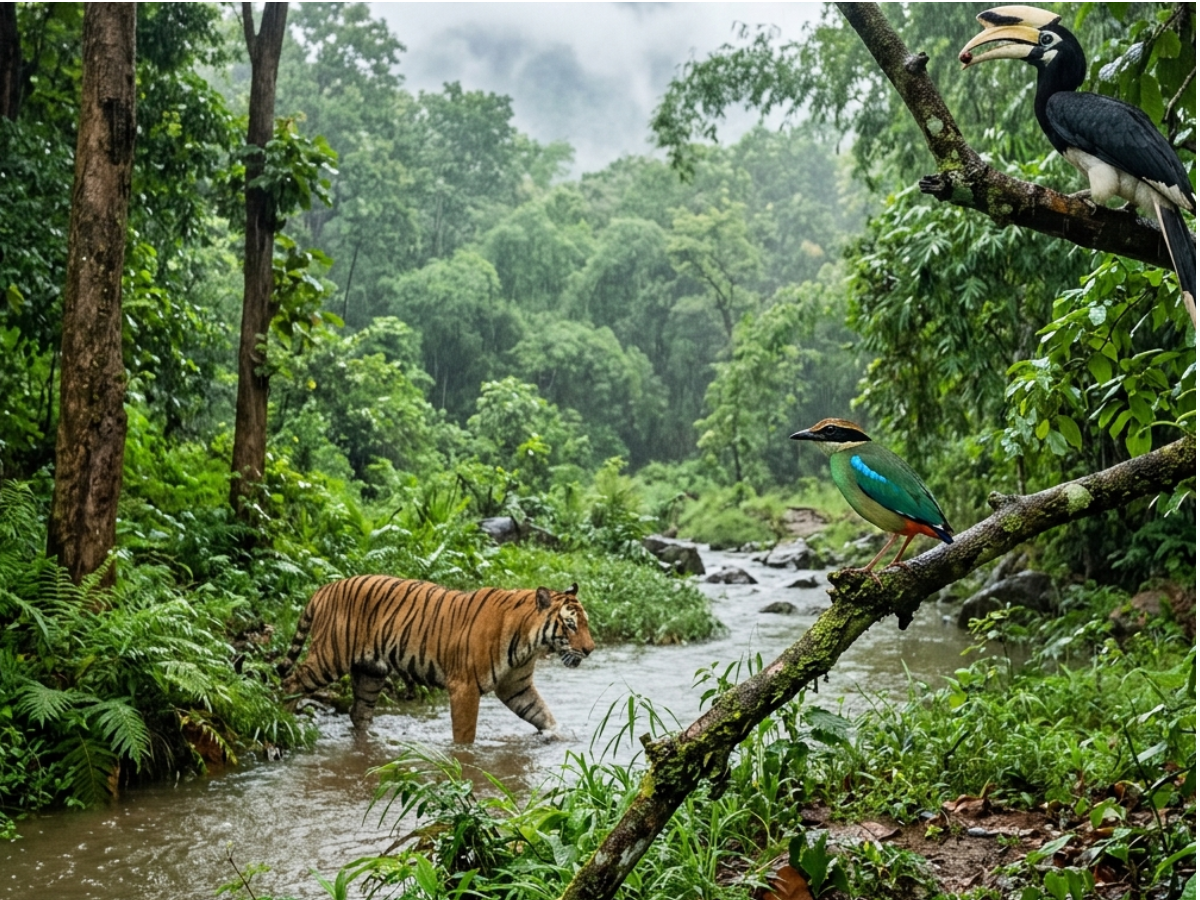
Forests bring a different kind of beauty altogether. Step into the jungles of Jim Corbett National Park and the atmosphere shifts instantly. The forests feel alive in a very real way. Tall sal trees form thick canopies while grasslands stretch across open spaces where wildlife moves cautiously.

Located in Uttarakhand, the park is often associated with the Bengal tiger. Yet even without spotting one, the experience of being inside this ecosystem is powerful.

You hear rustling leaves. A distant bird call. Sometimes the quiet movement of deer across a clearing.

Moments like that remind travellers that nature travel India is not always about dramatic views. Sometimes it is about standing still and noticing the life unfolding quietly around you. India’s forests extend far beyond one park, and wildlife enthusiasts can explore more options in this guide to top national parks of India blog.

Then there are the Himalayan valleys of Himachal Pradesh.

Mountains dominate the horizon here. Rivers cut through forests of pine and cedar. Small villages appear along slopes where houses seem to balance carefully against the terrain.

Places like Kasol attract travellers searching for peaceful mountain scenery. Cafés overlook rivers that rush endlessly through the valley.

Not far away lies Tirthan Valley, which feels quieter and more untouched. Walking along the riverbanks here often means passing through forests where the only sound is flowing water.

Somewhere along the way you begin to understand why filmmakers love Himalayan landscapes so much. The mountains create a cinematic backdrop that feels almost unreal at times.

Water shapes some of the most fascinating ecosystems in India as well.

Take the vast mangrove forests of Sundarbans National Park. Spread across the delta of rivers in West Bengal, this landscape is unlike anything else in the country.

The forest grows directly from the water. Mangrove trees rise from muddy banks while narrow channels twist through the region like natural corridors.

Boat journeys here move slowly through the waterways. Villages appear briefly along the edges before disappearing again behind thick forest.

Travellers exploring scenic nature spots India often find the Sundarbans unforgettable because the environment feels so unusual and unpredictable.

A gentler kind of water landscape waits further south.

The backwaters of Alappuzha represent one of the calmest forms of eco tourism India. Instead of wild terrain, the scenery here unfolds through quiet canals, lagoons, and coconut-lined waterways.

Houseboats glide slowly across the lakes while fishermen move between villages in small boats.

Time behaves differently here.

People talk longer. Evenings arrive softly with golden reflections on the water. Travellers often find themselves simply watching the landscape pass by without feeling any need to rush.

Hidden in the hills of Meghalaya lies one of the most fascinating examples of how humans and nature can work together. Near Cherrapunji, local communities have created living bridges using the roots of rubber trees. Over years, the roots are guided across streams until they form strong natural pathways.

These living root bridges feel almost magical when you first see them. Streams flow below while thick rainforest surrounds the trail. Rain falls frequently in this region, feeding the forests and waterfalls that define the landscape.

For travellers searching for unusual natural beauty places India, Meghalaya often leaves a lasting impression.

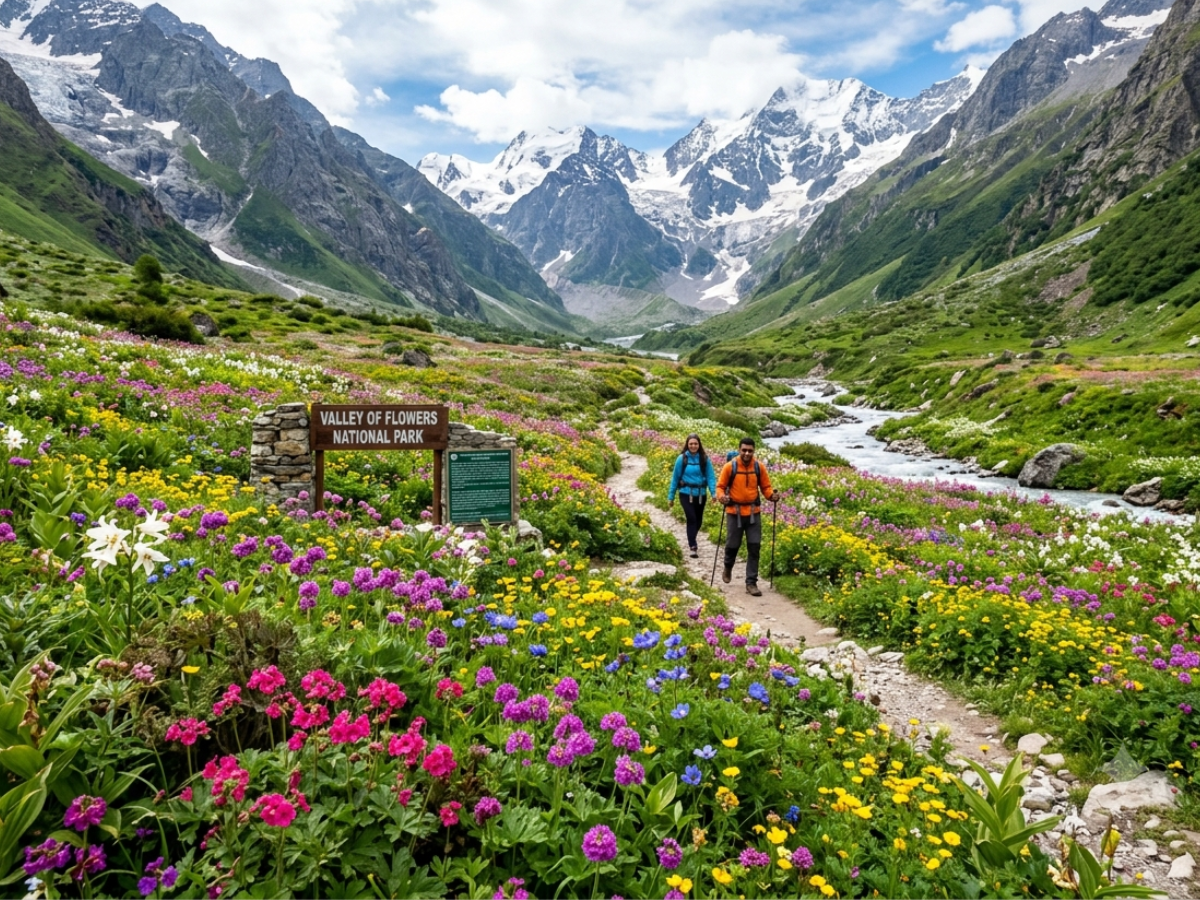
High in the Himalayas lies another remarkable landscape. The Valley of Flowers National Park transforms every monsoon into a colourful alpine meadow. Thousands of flowers bloom across the valley floor beneath snow-covered peaks.

Reaching the valley involves a trek through mountain trails. Then suddenly the valley appears. Wildflowers stretch across the landscape in bright colours while clouds drift slowly across the sky.Moments like that explain why travellers continue searching for the best nature destinations in India again and again.

The funny thing about exploring nature across India is how dramatically everything changes from region to region.

Within a single country you can walk through tropical forests, travel across frozen mountain deserts, drift through quiet backwaters, or trek across alpine valleys filled with flowers.

Few places offer that level of natural diversity. Perhaps that is why nature travel India never really feels repetitive. Every journey introduces a completely different environment, climate, and rhythm of life.And every landscape quietly reminds visitors of something simple.Nature does not rush.It does not compete with anyone.

It simply exists.Spending time in these places often brings a sense of calm that people do not realise they have been missing. Mountains encourage silence. Rivers slow conversations. Forests invite curiosity.

That quiet shift in perspective might be the real reason people keep returning to the best nature destinations in India. Not just for the scenery.

But for the feeling that comes with it.

Reaching many of these destinations has also become easier with flexible travel options like EaseMyTrip flights booking, hotels booking, or even scenic journeys through railways booking.

Like
Liked
Share
Comments ({{commentLength}})
  • {{cmnt.userId.substring(0,1)}} {{cmnt.userId}}

    {{cmnt.comment}}

Location Icon From
  • Flight

    {{fra.City}}

    {{fra.AirportName}}

    {{fra.Country}}
Location Icon To
  • Flight

    {{to.City}}

    {{to.AirportName}}

    {{to.Country}}

Departure Date

Travellers & class
1 Traveler
Location Icon Enter City name
  • Flight

    {{hca.name}}

Check-In

Check-Out

Guests & Room
{{hotelGuest}} Guests {{totalRoom}} Room
Location Icon From
Cities
Location Icon To
Cities

Pickup Date

Pickup Time

Location Icon Source City
Location Icon Destination City
Departure Date
Location Icon Source City
Location Icon Destination City
Departure Date
Location Icon Destination Name
  • {{ct.city}}