Top 5 Iconic Museums to Visit on Gandhi Jayanti

Priyotosh September 26, 2024

Looking for a meaningful way to observe Gandhi Jayanti? Visit one of India's most important Gandhi museums to explore the places, artifacts, and stories that shaped the nation's freedom movement. From the National Gandhi Museum in Delhi and Sabarmati Ashram in Ahmedabad to Mani Bhavan in Mumbai, Gandhi Memorial Museum in Madurai, and Aga Khan Palace in Pune, each site offers a unique perspective on Gandhi's life, work, and legacy. Together, these museums provide a deeper understanding of India's history and make for a thoughtful way to mark October 2 beyond traditional celebrations.

Gandhi Jayanti falls on the 2nd of October every year, and most people mark it with a public holiday. Some watch the news coverage. Some attend school programmes or government events. But there's a version of this day that goes considerably deeper than any of that, and it involves walking into one of the Gandhi museums India has preserved across the country and spending a few quiet hours with the actual objects, letters, and spaces that shaped one of the most consequential lives in modern history. For travellers looking to explore beyond museums, several historically significant places associated with Mahatma Gandhi across India offer deeper insight into his life and legacy.

For anyone thinking about Gandhi Jayanti celebrations ideas that go beyond the ceremonial, visiting one of these historical museums India has maintained across five cities is worth serious consideration. These aren't tourist attractions in the conventional sense. They're spaces where history hasn't been cleaned up or made comfortable. A blood-stained dhoti. A preserved room from a period of imprisonment. Spaces kept exactly as they were when Gandhi lived and worked in them.

The Gandhi Jayanti places to visit on this list aren't just significant as museums to visit on Gandhi Jayanti. They're places where the independence movement left permanent physical evidence behind, and where spending an afternoon changes how the day feels.

Here are five of the best museums in India dedicated to Gandhi's life and legacy, and five of the most worthwhile ways to mark the 2nd of October this year. If you're planning a heritage-focused holiday around October 2, these best places to visit on Gandhi Jayanti can help build a meaningful itinerary around the occasion.

1. National Gandhi Museum – Delhi

Delhi

Among all the history museums Delhi holds, this one carries a particular weight.

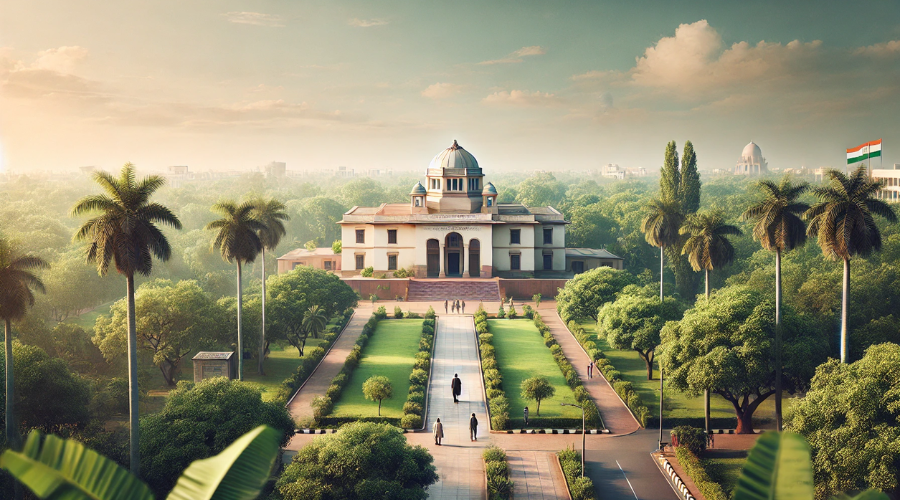
The National Gandhi Museum was established in 1961 and sits in the heart of the capital. As one of the most significant national museums India has dedicated to a single historical figure, it houses an extensive collection of books, photographs, personal relics, letters written in Gandhi's own hand, newspapers from the freedom struggle era, and rare documents that don't exist in any other collection.

For anyone thinking about museums to visit on Gandhi Jayanti in the capital, this is the most direct starting point. The museum on this specific date carries an atmosphere that ordinary visiting days don't quite match, with the city itself observing the day with a particular seriousness that amplifies the experience of being inside this space.

What to expect:

  • Personal artifacts including Gandhi's walking stick, his iconic round glasses, and the spinning wheel he used daily
  • A photography gallery covering important events across Gandhi's life in chronological sequence
  • A film room showing documentaries that give context to the archival material around them

Entry fee: Free Timings: 10:00 AM to 5:30 PM, closed on Mondays

History museums Delhi visitors will find across the capital serve different purposes, but none quite matches the National Gandhi Museum for the depth and intimacy of what it holds.

2. Gandhi Memorial Museum – Madurai

Most people associate Gandhi museums India holds primarily with Delhi or Ahmedabad. Madurai tends to be overlooked, which is worth correcting.

The Gandhi Memorial Museum in Madurai is one of five Gandhi Sangrahalayas across the country, inaugurated in 1959. It commemorates Gandhi's historic visit to Madurai, which turned out to be one of the most quietly significant moments in his public life. It was here that he decided to adopt the simple dhoti as his permanent attire, reflecting his commitment to the poor and marginalised in a way that was visible and immediate rather than philosophical.

As a Gandhi Jayanti place to visit for anyone in Tamil Nadu or travelling through South India, the Madurai museum offers context that the more famous northern sites don't cover in the same depth. Among historical museums India maintains in its southern cities, this one is consistently underrepresented in national conversations about Gandhi's legacy.

What to expect:

  • The blood-stained dhoti Gandhi wore at the time of his assassination in 1948, which hits differently in person than any description of it manages
  • Detailed timelines of Gandhi's life, achievements, and the specific struggles he led across different decades
  • An open-air theatre where discussions and events connected to Gandhi's philosophies are held

Entry fee: Free Timings: 10:00 AM to 5:30 PM, closed on Fridays

3. Sabarmati Ashram Museum – Ahmedabad

Sabarmati

If there's one place among all the museums to visit on Gandhi Jayanti that functions as more than a museum, it's this one.

Sabarmati Ashram sits on the banks of the Sabarmati River in Ahmedabad and was Gandhi's home for over twelve years. It served as the operational base for many of his most significant movements, including the Dandi March of 1930 that became one of the defining acts of the independence movement. Among all the Gandhi museums India has preserved, Sabarmati holds archival material that has no equivalent anywhere else in the country.

Two days is a realistic minimum to experience the place properly rather than just move through it.

What to expect:

  • Rooms preserved exactly as they were during Gandhi's years of residence, creating a sense of inhabitation that most national museums India maintains can't manufacture
  • Archival footage of Gandhi's speeches and documentary material from the Dandi March
  • Handwritten letters and manuscripts that show the daily detail of how Gandhi thought and communicated

Entry fee: Free Timings: 8:30 AM to 6:30 PM, open all days

As one of the best museums in India for understanding Gandhi's day-to-day life rather than just his public legacy, Sabarmati offers something the Delhi or Mumbai sites don't. The physical space itself carries the weight of what happened here, and arriving on Gandhi Jayanti specifically makes the visit feel genuinely different from any other day of the year.

4. Mani Bhavan Gandhi Museum – Mumbai

Mani Bhavan was Gandhi's Mumbai residence from 1917 to 1934, and this building operated as the nerve centre of his political activities in the city during that period. The Non-Cooperation Movement and the Civil Disobedience Movement were both launched from here, which makes it one of the most operationally significant Gandhi Jayanti places to visit in Maharashtra.

For Gandhi Jayanti celebration ideas in Mumbai specifically, this is the most direct connection to what Gandhi actually did in this city rather than simply passed through. It's also one of the most carefully preserved historical museums India has maintained in any major urban centre.

What to expect:

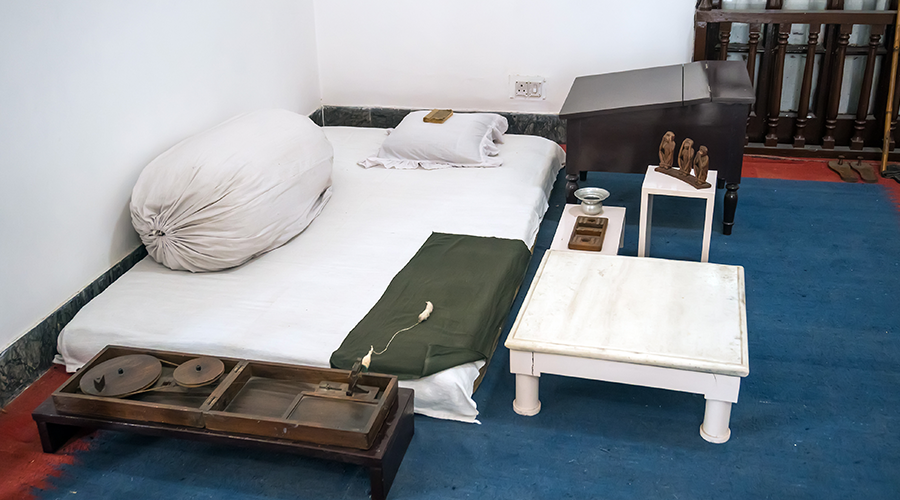
  • The room where Gandhi stayed, preserved in its original state with the simplicity that characterised everything about his personal life
  • Rare photographs and letters exchanged between Gandhi and other significant figures of the independence movement
  • A research library holding over 50,000 books on Gandhi and related subjects, which is a resource in its own right beyond the museum experience

Entry fee: Free Timings: 9:30 AM to 6:00 PM, open all days

The residential scale of Mani Bhavan, the fact that it was an actual home rather than an institution, gives it an intimacy that larger memorial complexes don't always manage to achieve. Among the best museums in India for connecting visitors to Gandhi's personal rather than political life, this one consistently delivers.

Suggested Read: Top Destinations Having Strong Connection with Mahatma Gandhi

5. Aga Khan Palace – Pune

Pune

The Aga Khan Palace occupies a specific place in Gandhi's story that's different from all the others on this list.

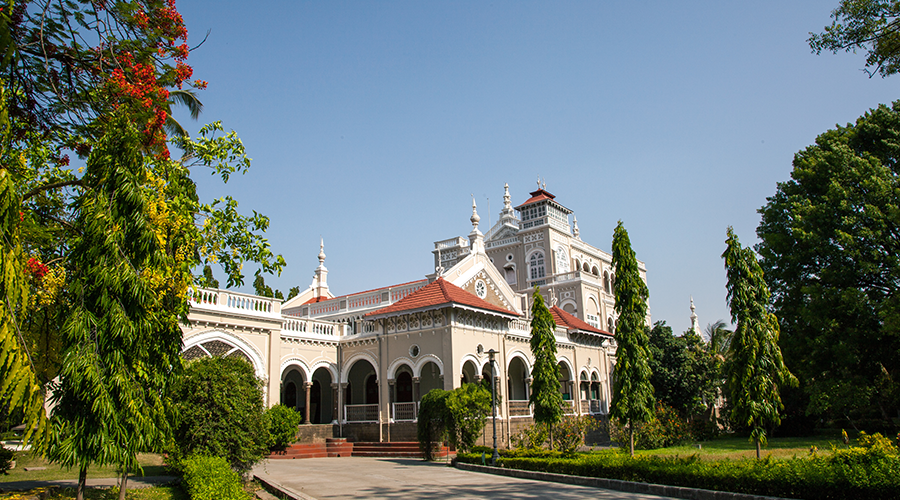
Built in 1892, the palace became associated with Gandhi not through his choice but through British authority's decision to imprison him here during the Quit India Movement in 1942. Gandhi was held here along with other leaders. His wife Kasturba Gandhi died here in 1944 during that imprisonment, as did his secretary Mahadev Desai. The palace now serves as their resting place, which gives it a character that's less celebratory and more contemplative than most Gandhi museums India maintains elsewhere.

As a Gandhi Jayanti celebration idea for travellers in Maharashtra, the Aga Khan Palace offers a dimension of Gandhi's life that the freedom movement narrative sometimes moves past too quickly. Imprisonment, loss, and the personal cost of what he chose to do are all present here in a way that the more triumphant sites don't quite carry.

What to expect:

  • Memorials of Kasturba Gandhi and Mahadev Desai within the palace grounds
  • Photographs and paintings depicting Gandhi's time during imprisonment, covering a period less documented in other national museums India has established
  • Personal artifacts from Gandhi's years of confinement

Entry fee: INR 25 for Indians, INR 300 for foreign nationals Timings: 9:00 AM to 5:30 PM, open all days

Why These Museums Matter on Gandhi Jayanti

Gandhi Jayanti places to visit don't have to be limited to prayers and cultural programmes. These five spaces are arguably the most direct way to mark the day, because each holds the actual material evidence of a life that changed the country.

The National Gandhi Museum and the history museums Delhi hosts more broadly cover the public political legacy. The Sabarmati Ashram reveals the operational reality of how movements were organised over more than a decade. Mani Bhavan shows what the independence movement looked like from within a working Mumbai residence. The Gandhi Memorial Museum in Madurai carries the personal conviction that shaped Gandhi's public choices. The Aga Khan Palace holds the grief and cost that the movement carried at an individual level.

Taken together, these museums to visit on Gandhi Jayanti make up a portrait that no single site manages alone. They represent some of the best museums in India for historical depth and emotional honesty. They include the most important national museums India has dedicated to Gandhi's legacy. They offer Gandhi Jayanti celebrations ideas that leave people thinking about what they saw long after the day is over. And they stand as a reminder that historical museums India has preserved across its cities are worth visiting not just on October 2nd, but throughout the year.

EaseMyTrip makes it straightforward to book flights and hotels to Delhi, Ahmedabad, Mumbai, Madurai, or Pune, so that whichever of these Gandhi Jayanti places to visit you choose, the journey there is one less thing to figure out.

Like
Liked
Share
Comments ({{commentLength}})
  • {{cmnt.userId.substring(0,1)}} {{cmnt.userId}}

    {{cmnt.comment}}

Location Icon From
  • Flight

    {{fra.City}}

    {{fra.AirportName}}

    {{fra.Country}}
Location Icon To
  • Flight

    {{to.City}}

    {{to.AirportName}}

    {{to.Country}}

Departure Date

Travellers & class
1 Traveler
Location Icon Enter City name
  • Flight

    {{hca.name}}

Check-In

Check-Out

Guests & Room
{{hotelGuest}} Guests {{totalRoom}} Room
Location Icon From
Cities
Location Icon To
Cities

Pickup Date

Pickup Time

Location Icon Source City
Location Icon Destination City
Departure Date
Location Icon Source City
Location Icon Destination City
Departure Date
Location Icon Destination Name
  • {{ct.city}}