An overnight bus journey done well is one of the more efficient forms of domestic travel; the distance is covered while sleeping, the destination is reached in the morning with the day intact, and the fare is a fraction of what a flight would cost. An overnight bus journey done poorly is eight hours of poor sleep, a stiff back, and arrival in a state that requires recovery before the trip can actually begin.
The difference between the two is almost entirely preparation. Overnight bus travel tips in India exist in abundance online, but most address the obvious: book early and choose a good operator without getting to the specific decisions that actually change the experience on the bus itself. This guide covers the full picture: what to do before boarding, what to carry, how to manage the journey, and the safety considerations that solo and female travellers specifically should account for.
Before Boarding: The Decisions That Matter Most
Operator and Coach Selection
The overnight bus travel tips in India that have the highest impact start at booking rather than at the bus stand. The quality gap between the best and worst operators on the same route can be significant: the same fare, the same route, one operator running a well-maintained Volvo AC sleeper with functioning air conditioning and a reliable driver, and another running an older chassis with a maintenance record that the reviews hint at rather than state directly.
Reading reviews specifically for the overnight configuration is more informative than overall operator ratings, which include short daytime journeys where the experience is less dependent on vehicle quality. Passenger reviews that mention berth comfort, AC consistency, driver behaviour, and arrival punctuality are the ones worth prioritising over aggregate star ratings.
Berth Position Selection
Lower berths are the consistent recommendation for overnight travel, and the reasons are practical rather than preferential. Lower berths are easier to access for bathroom visits during the journey. Climbing down from an upper berth at 3am without disturbing a co-passenger is a specific skill that most travellers would rather not need. Lower berths also have marginally better ventilation on most coach configurations, and they are cooler when the AC is underperforming because heat rises.
For solo female travellers, the sleeper bus safety tips recommendation for berth position is the lower berth; specifically, it provides quicker exit access and a better sense of the surrounding space than an upper berth, where the surrounding area is less visible.
Confirming the Pickup Point in Advance
Bus pickup points in Indian cities are not always the official bus stand. Many private operators use specific pickup points on major roads, a particular hotel entrance, a petrol station, or a junction that are not the address most mapping apps default to when the bus company name is searched. Confirming the exact pickup point with the operator the evening before departure and locating it on a map before leaving home prevents the specific scenario of arriving at the wrong location five minutes before departure time.
The Night Bus Travel Checklist: What to Carry

What to carry on an overnight bus is a night bus travel checklist question that experienced bus travellers have refined through trial and error. The items that consistently make the difference:
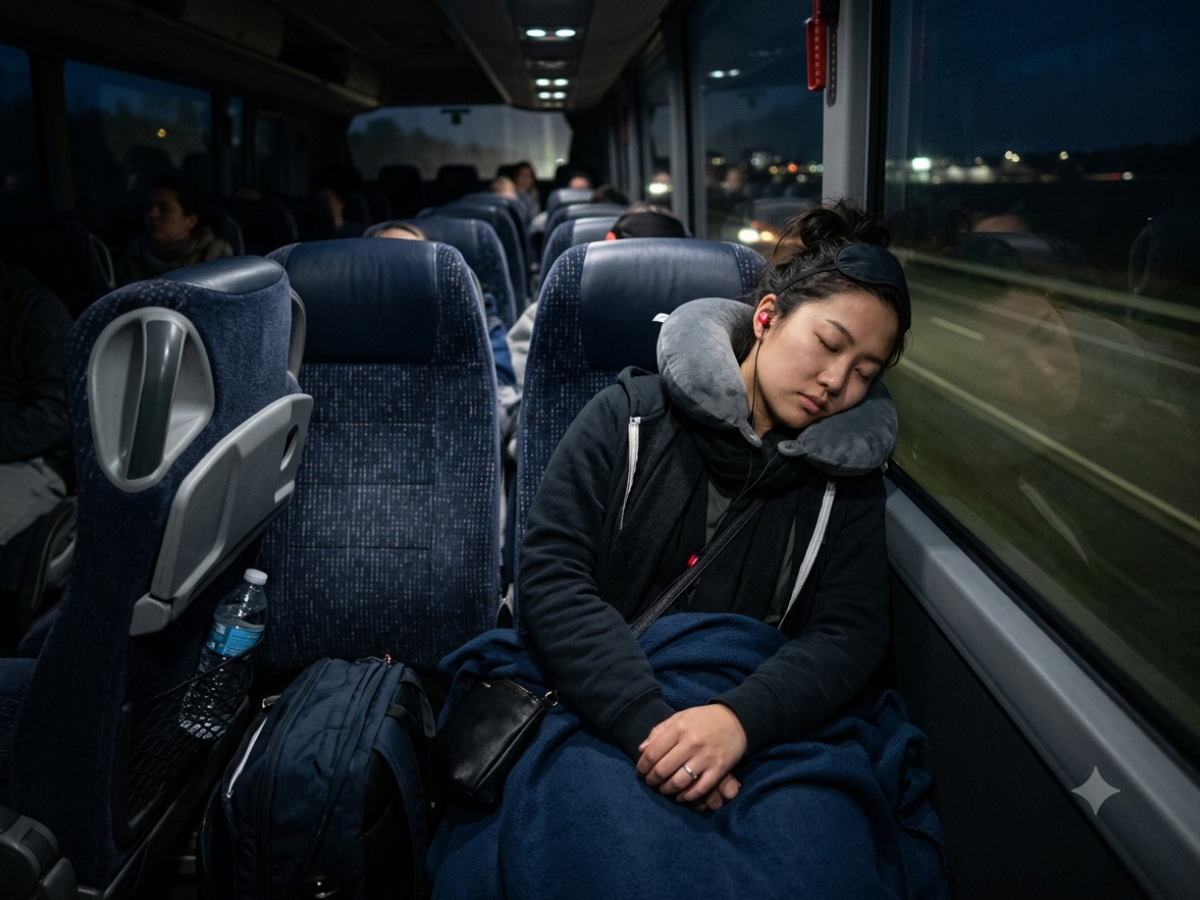
- Neck pillow. The berth itself provides a sleeping surface, but the pillow provided by operators where provided at all is frequently thin and uncomfortable. A compact neck pillow or inflatable travel pillow occupies almost no bag space and changes the sleeping experience significantly over eight hours.
- Light layer or shawl. AC buses in India, particularly on overnight runs, are often set cold deliberately, on the assumption that passengers want the temperature low for sleeping. Arriving in a light summer outfit and discovering the coach is at 18 degrees by midnight is a common and avoidable discomfort. Carrying a shawl or lightweight jacket that fits in a day bag addresses this without requiring repacking the main luggage.
- Eye mask and earplugs. The overhead lighting in many overnight coaches remains on at a low level rather than switching off completely. Roadside lights, other vehicles, and occasional phone screen use by other passengers create enough light to affect sleep for sensitive travellers. An eye mask and earplugs are the two cheapest and highest-return items in the overnight bus packing list.
- Phone charger and power bank. Charging points on overnight buses are inconsistent; some coaches have functioning USB ports at each berth, others do not, and some that have them maintain only intermittent power. A power bank with enough charge to last the journey removes dependency on the coach's electrical provision.
- Water bottle and dry snacks. Most overnight buses make one or two stops at highway dhabas during the journey, typically between midnight and 4 am, where food and drinks are available. Some passengers prefer not to eat at these stops, and having dry snacks and water accessible from the berth removes dependency on the stop timing aligning with actual hunger.
- Identity document. Certain state border crossings on overnight bus routes require identification for passengers, and having a photocopy or the document accessible in a personal bag rather than in the main luggage underneath the bus is the reliable habit.
Sleeper Bus Safety Tips: What to Do During the Journey
Sleeper bus safety tips for the journey itself start with two consistent practices that experienced travellers treat as non-negotiable.
Secure the main luggage before the bus departs. Bags in the undercarriage should be locked. Bags in the overhead rack above the berth should be positioned with weight toward the wall rather than the aisle edge, and a combination lock or cable lock through the bag's handles adds a layer of security for the sleeping hours.
Valuable phones, wallets, and documents should be in the bag that comes onto the berth rather than in the main luggage. The specific scenario that this habit prevents is waking up at the destination with everything except the item left in an accessible pocket of the main luggage during the overnight hours.
For solo female travellers, the sleeper bus safety tips and specific considerations are:
- Inform someone of the bus operator, route, and expected arrival time before boarding. A simple message with the booking confirmation details to a trusted contact takes thirty seconds and provides an accountability structure for the journey.
- The curtain on a sleeper berth provides privacy rather than security; it can be opened from outside. Being aware of this and keeping the berth bag within arm's reach rather than at the foot of the berth provides better awareness and access during the night.
- Assess the neighbour berth situation at boarding. If the allocated berth is in a section that feels uncomfortable or isolated, or an upper berth with no other passengers nearby, or an arrangement that feels exposed, raising the concern with the conductor at boarding, before the bus departs, is the moment to request a berth reassignment where possible.
First-Time Bus Travel Tips: Managing the Overnight Journey
First-time bus travel tips for the overnight format specifically cover a few experiences that catch first-time bus travellers off guard:
- The bus typically does not maintain a consistent temperature through the night. Drivers sometimes adjust the AC setting at the highway stops, and the temperature can change significantly between midnight and 4am. The light layer carried for this reason earns its bag space on most overnight journeys.
- Highway dhaba stops are at the driver's discretion and are usually between midnight and 3 am, not necessarily at a convenient hour. If the stop is needed for bathroom access, it is worth being awake or asking the conductor to be woken. Some passengers miss stops entirely and then find the next opportunity is close to the destination.
- Arrival times on overnight buses frequently differ from the scheduled time. Indian highway traffic, particularly through cities, means that a bus scheduled to arrive at 6am may arrive at 5am (unlikely but possible on a clear night) or 7:30 am (more probable on a busy morning). Having the destination hotel address accessible rather than assuming the standard arrival time is the planning habit that avoids standing at an unfamiliar bus stand in the early morning without a confirmed plan.
How EaseMyTrip Supports Overnight Bus Booking
Overnight bus travel tips in India begin at the booking stage, and EaseMyTrip's bus ticket booking platform provides the specific information that makes the pre-booking decisions well-informed: operator review scores broken down by comfort, punctuality, and driver behaviour; coach interior photographs showing the actual berth configuration rather than a stock image; pickup point addresses with map integration; and the berth selection interface that allows lower versus upper berth choice before confirmation.
For the sleeper bus safety tips, consideration of operator reliability matters as much for safety as for comfort on overnight services. The platform's AI-powered operator ratings surface the best-reviewed services on each corridor, weighted toward overnight journey reviews rather than aggregate scores that include daytime trips. As AI continues to improve how booking platforms personalise overnight travel recommendations surfacing the right operator for a specific route, departure time, and passenger profile EaseMyTrip is developing towards a system that makes the overnight bus travel tips in India decision straightforward rather than requiring the traveller to research operator quality independently across review sites. For a journey where the preparation determines most of the experience, that kind of specific, review-based booking intelligence is what makes the overnight bus the efficient and comfortable travel option it is designed to be.
FAQs
Q: What are the most important overnight bus travel tips for first-time travellers in India?
The most impactful overnight bus travel tips in India for first-time travellers are: Choose an operator based on overnight-specific reviews rather than aggregate ratings; select a lower berth for easier bathroom access and better security awareness; carry a neck pillow, light layer, eye mask, and earplugs as a minimum comfort kit; confirm the exact pickup point with the operator the evening before; and secure valuables in the berth bag rather than the main luggage for the sleeping hours. These five decisions address the most common first-time overnight bus discomforts before they occur.
Q: What should go on a night bus travel checklist for an eight-hour overnight journey?
The night bus travel checklist for an overnight journey includes a neck pillow or inflatable travel pillow; a lightweight shawl or jacket for AC temperature variation; an eye mask and earplugs; a power bank and charging cable; a water bottle and dry snacks; an identity document accessible in the berth bag; and a combination lock for the main luggage in the undercarriage or overhead rack. This list covers the temperature, sleep quality, hydration, and security variables that make the most practical difference across an eight-hour overnight run.
Q: What are the key sleeper bus safety tips for solo travellers?
Sleeper bus safety tips for solo travellers include informing a trusted contact of the operator name, route, and expected arrival time before boarding; keeping valuables in the berth bag rather than accessible pockets of the main luggage; choosing a lower berth for quicker exit access; being aware that the berth curtain provides privacy but not security; and raising berth reassignment requests with the conductor at boarding rather than after departure if the allocated berth feels uncomfortable. These habits create an accountability structure and a physical awareness that makes the overnight journey safer without requiring constant vigilance.
Q: What is the best way to sleep on an overnight bus in India?
The combination of a lower berth, a neck pillow or travel pillow to replace the typically thin operator-provided pillow, earplugs for ambient coach noise, and an eye mask for the low-level lighting that most overnight coaches maintain through the journey produces the best sleeping conditions available on an overnight bus. Changing into comfortable clothing before settling on loose cotton rather than jeans makes a meaningful difference to sleep quality across eight or more hours. Setting an alarm 30 to 45 minutes before the scheduled arrival removes the anxiety of oversleeping that can prevent proper rest in the final hours of the journey.
Q: How can EaseMyTrip help with overnight bus booking?
EaseMyTrip's bus booking platform surfaces operator review scores weighted toward overnight journey experiences, coach interior photographs showing the actual berth configuration, berth selection interfaces that allow lower versus upper berth choice before confirmation, and pickup point addresses with map integration. AI-powered tools recommend the best-reviewed operators for overnight runs on the specific route searched, helping travellers make the booking decision based on sleeper bus safety tips and comfort criteria rather than fare alone. For first-time bus travel tips planning specifically, the platform's pre-booking information removes most of the uncertainty that makes the first overnight bus journey feel more complicated than it needs to be.






 October 3, 2026
 Share
Share
 Download as PDF
  From
From 
 Departure Date
 Travellers & class
 Rent For
 Departure Date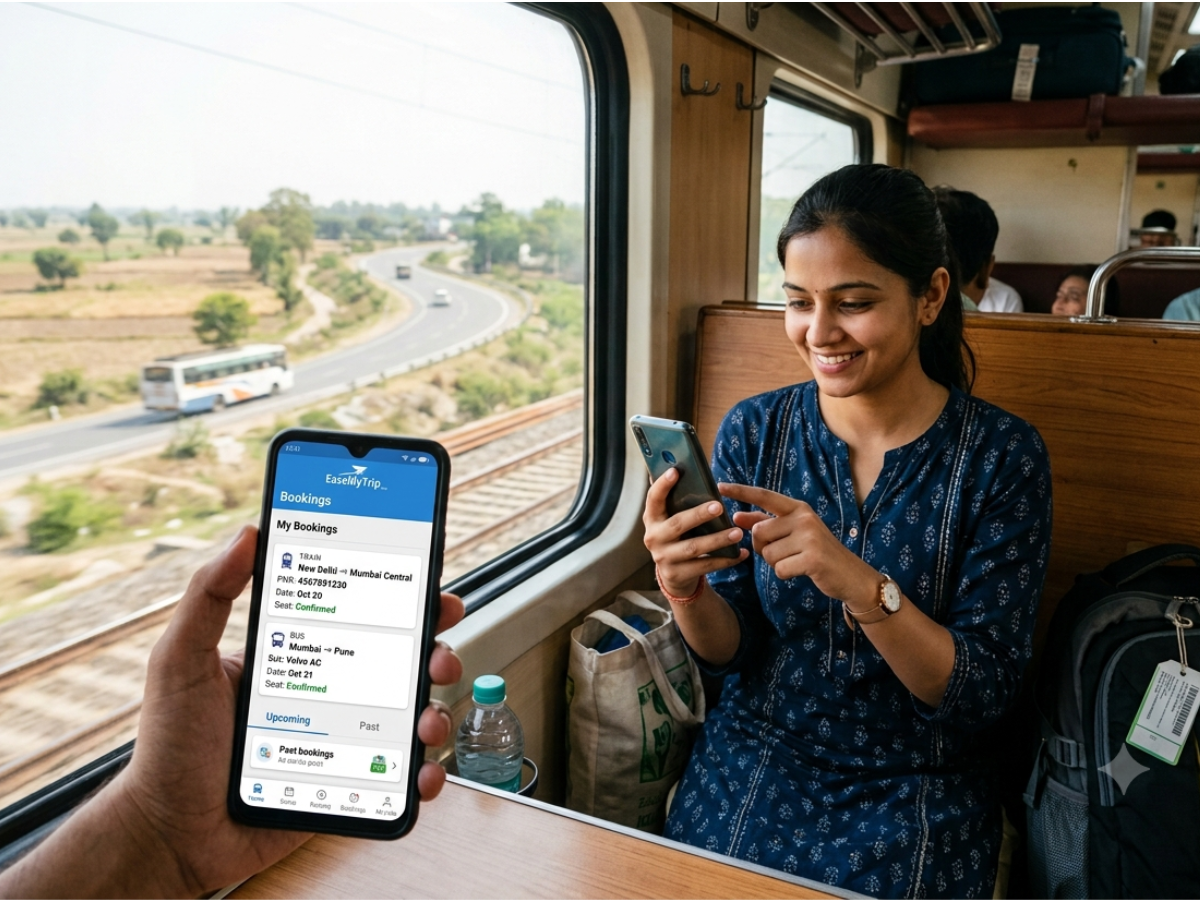









 Share
Share 






{{cmnt.comment}}