Best Adventure Places in India for Thrill Seekers

EaseMyTrip April 15, 2026

India's geography delivers. Himalayas in the north, Western Ghats running the peninsula's spine, deserts sprawling west, rivers cutting through everything. Each terrain unlocks specific adrenaline triggers. The best adventure places in India aren't the ones with the longest marketing copy. They're where topography, weather windows, and local expertise converge to make high-risk activities surprisingly accessible.

And here's what nobody tells you before you book: the gap between a memorable trip and a dangerous one is almost always logistics, not the activity itself.For a broader look at adrenaline-filled experiences, you can explore these top adventure destinations in India for thrill seekers.

Where Gravity Becomes Optional

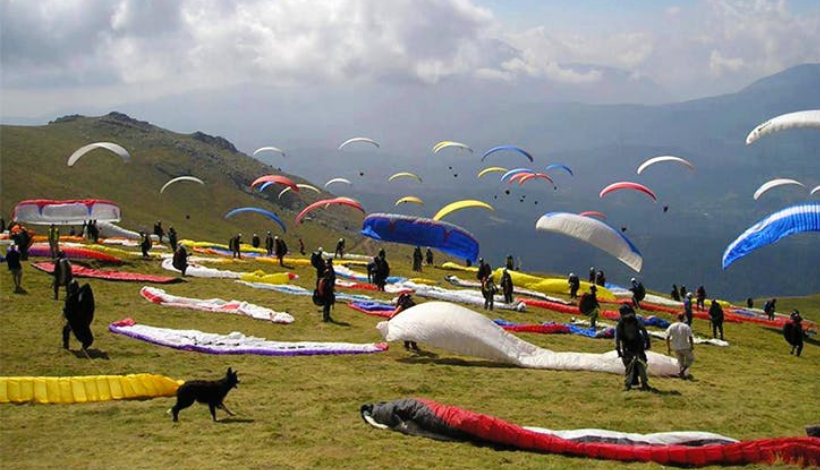
Bir-Billing, Himachal Pradesh

Bir Billing

Paragliding here isn't a tourist activity. It's what the valley does.

October through June, thermal currents rise off the Dhauladhar range with clock-like reliability. You launch from Billing at 2,400 metres, spiral upward in thermals, and land 14 kilometres later in Bir. Cross-country pilots chase 150+ kilometre flights. First-timers get tandem runs, 20 to 30 minutes of ridge soaring with Kangra Valley spreading wide below.

The landing zone sits next to Chokling Monastery. The monks have stopped looking up.

Bir-Billing earns its place among the best adventure places in India not because someone put it on a listicle but because the physics work. The thermals are real, the altitude is serious, and the infrastructure around it, certified schools, experienced instructors, has had years to mature.Paragliding spots like this are often highlighted among the best adventure places in India for their accessibility and consistent conditions.

Ladakh's High-Altitude Corridor

Extreme sports destinations India-style means altitude recalibrates what counts as extreme.

Khardung La sits at 5,359 metres. Motorcycle expeditions fight altitude sickness and oxygen-thin air just to reach the pass. The Chadar Trek walks a frozen Zanskar River in January, when temperatures hit -30°C and ice shifts underfoot. Not technical climbing. Just exposure to cold that demands respect.

Rafting the Zanskar through Grade IV rapids happens in a landscape so stark it looks computer-generated. Ladakh isn't a dramatic destination because someone marketed it that way. It's dramatic because the earth here is genuinely hostile, and you're moving through it anyway.

When Water Moves Faster Than You Can Think

Rishikesh, Uttarakhand

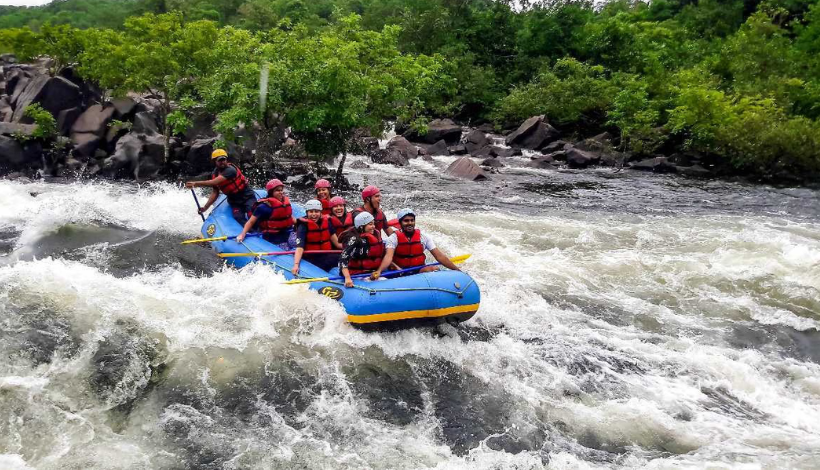
The Ganges drops 2,000 metres from Gangotri to Haridwar. Between September and June, that gradient creates 16 to 24 kilometre rafting sections through rapids with rapids names like "Three Blind Mice" and "The Wall." Grade III-IV whitewater means waves that flip rafts, hydraulics that hold swimmers, and guides who've memorised every rock.

Bungee jumping off an 83-metre cantilever platform over a rocky canyon happens here too. Fixed-point jumps lack the freefall duration of bridge jumps, but the swing radius is wider, and the canyon framing makes the whole thing feel cinematic in the worst possible way when you're mid-air.

Rishikesh is one of those adventure tourism spots India keeps defaulting to for good reason. It has the rapids, the operators, and the safety record. But it also has crowds. If you show up in peak season without a booking, you're waiting.

Dandeli, Karnataka

Dandeli

Lesser-known among adventure tourism spots India promotes heavily. Which works in its favor.

Kali River rafting runs Grade II-III, a friendlier entry point than Rishikesh but still technical enough to demand real paddle coordination. The real draw though is kayaking through Syntheri Rock formations, where the river narrows between 300-foot monolith walls.

Crocodiles sun on the banks. You paddle past at conversation distance.

That detail doesn't appear in brochures. It should.

Vertical Terrain, Horizontal Fears

Hampi, Karnataka

Granite boulders, some the size of buildings, create climbing problems that attract international talent. Routes range from 5.7 slabs to 5.12 overhangs. No ropes needed for bouldering circuits, just crash pads and someone to spot your fall. The climbing happens inside a UNESCO World Heritage Site, which means ancient temples watch your failed dynos.

If climbing doesn't scratch the exposure itch, slackline between boulders over the Tungabhadra. It will.

Hampi might be the most quietly brilliant of all the best adventure places in India. Climbers discovered it before the tourism board did, and that early adoption shows. The routes are documented, the community is tight, and the evenings, spent around fires with people who flew in from Europe specifically to climb here, carry a certain earned quality.

Sandakphu-Phalut Trek, West Bengal

Not technical. Just relentless.

Six days walking the India-Nepal border ridge, crossing 12,000+ feet three times. Kanchenjunga dominates the northern horizon, the third-highest peak on earth, close enough to track weather systems forming on its face.

April brings rhododendron forests blooming red against snow. December brings frost that cracks water bottles.

This is thrilling travel India doesn't promote loudly enough. No rappelling, no rafts. Just altitude, solitude, and a horizon that recalibrates what you thought you needed from a trip.Trails like this are also part of the top trekking destinations in India for beginners, especially for those starting their trekking journey.

Timing Windows That Actually Matter

Most people book by availability, not by season. That's how they end up paragliding in monsoon or trekking through closed trails. The best adventure places in India all have hard windows where conditions shift from ideal to genuinely unsafe.

Here's what the weather actually does:

Paragliding in Bir-Billing works October through June. Monsoon thermals are unstable and most schools close. River rafting in Rishikesh runs September through June. Post-monsoon brings volume, pre-monsoon brings clarity. Trekking windows for Sandakphu-Phalut open April through May and again September through November. Hampi climbing is best October through February, before pre-monsoon heat turns granite into a frying pan.

Book around the terrain, not around your leave dates.Planning your journey by route can also help, especially when exploring top unexplored places to visit in India by train.

Permits, Paperwork, and the Stuff That Gets Skipped

Ladakh requires Inner Line Permits for certain zones. Foreign nationals need Protected Area Permits. The Chadar Trek operators ask for physical fitness certificates. Rafting in Rishikesh should be booked only through operators registered with the state tourism board.

None of this is optional. And none of it takes long if you sort it before you travel.To streamline your trip, you can book reliable hotels in India, compare flight options, or choose from curated holiday packages based on your adventure preferences.

Altitude Is Not Negotiable

Adventure holidays India-style in the high Himalayas means dealing with altitude whether you planned for it or not.

Spend two to three days at an intermediate elevation before pushing to Ladakh. Diamox helps blunt symptoms but doesn't replace gradual ascent. A headache at altitude isn't a minor inconvenience. It's your body asking you to descend. Listen.

The mountain isn't going anywhere. You can always go higher tomorrow.

The Logistics Nobody Mentions

Adventure holidays India throws at you aren't always five-star expeditions. Infrastructure varies wildly. Bir-Billing has professional paragliding schools with certified instructors who've been flying these thermals for decades. Other spots rent questionable gear with creative interpretations of safety standards.

Before you hand over money, check three things. Guide certifications, actual qualifications not just claimed experience. Gear condition, ropes degrade, helmets expire. Insurance, yours and theirs.

Dandeli's kayaking outfitters sometimes share boats between groups without cleaning. Bring your own dry bag. It sounds small. After a morning on the Kali River, it won't.

Thrilling travel India offers is real. The rapids are cold, the altitude is thin, and the granite is steep. But the difference between a story you tell for years and one you'd rather forget usually comes down to one question: did you do the homework before you showed up?

The best adventure places in India reward that homework. Every single time.

Frequently Asked Questions

1. What are the best adventure places in India for first-time thrill seekers?

For first-timers, Rishikesh is the most practical starting point. Grade III-IV rapids, tandem bungee, and a well-established operator ecosystem mean you get real adrenaline with a safety net that's actually been tested. Dandeli works well too; Grade II-III rafting is technical enough to be exciting without being punishing. Bir-Billing's tandem paragliding is another strong entry point; no experience needed, and the 20 to 30-minute flight over Kangra Valley delivers a payoff that's hard to match. All three are among the most accessible adventure tourism spots India has built proper infrastructure around.

2. Which extreme sports destinations in India are best for experienced adventure travelers?

Experienced travellers should look at Ladakh first. The Chadar Trek at -30°C, Grade IV Zanskar rafting, and high-altitude motorcycle expeditions to Khardung La all demand prior fitness and cold-weather experience. Hampi's 5.12 climbing routes attract international climbers specifically because the problems are serious. Sandakphu-Phalut at 12,000+ feet is relentless rather than technical, but six days at that altitude in winter separates the committed from the casual. These are the extreme sports destinations India rarely markets loudly, which is exactly why the experience is still raw.

3. How much does adventure travel in India typically cost?

Costs vary sharply by activity and operator quality. Tandem paragliding in Bir-Billing runs roughly Rs. 2,500 to Rs. 3,500 per flight. A full-day rafting package in Rishikesh lands between Rs. 600 and Rs. 2,500 depending on stretch and operator. The Chadar Trek, including guide, permits, and camping gear, costs Rs. 18,000 to Rs. 30,000 for a 9- to 10-day itinerary. Sandakphu-Phalut trekking packages run Rs. 8,000 to Rs. 15,000. Budget adventure holidays India-style is genuinely possible, but cutting costs on operators is where most trips go wrong. Pay for the certification, not just the cheapest listing.

4. Is adventure tourism in India safe?

It can be, and it often isn't. The difference is almost entirely operator-dependent. Rishikesh has a strong safety record because the rafting industry there is older, more regulated, and has absorbed enough accidents to know what works. Smaller, newer adventure tourism spots India is still developing don't have that institutional knowledge yet. Check guide certifications, inspect gear before you use it, and confirm your personal travel insurance covers the specific activity. Never assume the operator's insurance covers you. It usually covers the operator.

5. What should I pack for thrilling travel in India's adventure destinations?

What you pack depends on the terrain, but a few things cut across all of them. Quick-dry clothing works for both river and mountain environments. A personal first-aid kit with altitude medication (Diamox) matters anywhere above 3,000 metres. River activities need your own dry bag because shared equipment hygiene at some adventure tourism spots India is inconsistent at best. Trekking poles are non-negotiable for Sandakphu-Phalut and Chadar. Climbing shoes are worth bringing to Hampi if you're serious, rental quality varies. For thrilling travel India delivers best, the rule is simple: overpack for safety, underpack for everything else.

Like
Liked
Share
Comments ({{commentLength}})
  • {{cmnt.userId.substring(0,1)}} {{cmnt.userId}}

    {{cmnt.comment}}

Location Icon From
  • Flight

    {{fra.City}}

    {{fra.AirportName}}

    {{fra.Country}}
Location Icon To
  • Flight

    {{to.City}}

    {{to.AirportName}}

    {{to.Country}}

Departure Date

Travellers & class
1 Traveler
Location Icon Enter City name
  • Flight

    {{hca.name}}

Check-In

Check-Out

Guests & Room
{{hotelGuest}} Guests {{totalRoom}} Room
Location Icon From
Cities
Location Icon To
Cities

Pickup Date

Pickup Time

Location Icon Source City
Location Icon Destination City
Departure Date
Location Icon Source City
Location Icon Destination City
Departure Date
Location Icon Destination Name
  • {{ct.city}}