India has stunning places that resemble Europe—Coorg, Pondicherry, Ooty, Shillong, Kasol & Kheerganga, Munnar, Landour, Dalhousie, Ziro, and Fort Kochi—thanks to their landscapes, colonial architecture, and unique atmosphere.
Table of Contents
-
Coorg, Karnataka — The Scotland of India
-
Pondicherry, Tamil Nadu — The French Quarter That Stayed
-
Ooty, Tamil Nadu — England in the Nilgiris
-
Shillong, Meghalaya — The Scotland of the East
-
Kasol and Kheerganga, Himachal Pradesh — The Israeli Alps
-
Munnar, Kerala — Switzerland of the South
-
Landour, Uttarakhand — The Hill Station That Forgot to Modernise
-
Dalhousie, Himachal Pradesh — The Scottish Highlands at 2,036 Meters
-
Ziro, Arunachal Pradesh — The Alpine Valley Nobody Talks About
-
Fort Kochi, Kerala — The Dutch-Portuguese Waterfront
-
Planning Your Trip: What Actually Matters
Most people spend lakhs flying to Switzerland or Prague to get a certain kind of photograph. Rolling hills, colonial facades, cobblestone-adjacent streets, cafes that don't feel like they belong on the subcontinent. What they don't realise is that India has been quietly holding versions of all of it. Some built by colonial hands, some shaped by geography alone, and some so specific in their resemblance that the comparison isn't flattery. It's just accurate.
These aren't tourist board comparisons designed to sell cheaper alternatives. These are places in India that look like Europe because the topography, the architecture, or the atmosphere genuinely earns that description.If you’re curious about more such destinations, here’s a detailed guide to places in India that look like foreign countries.
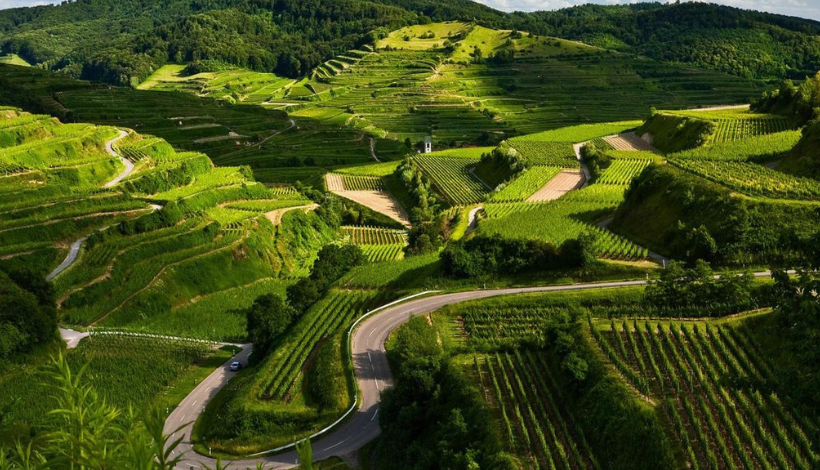
The nickname exists for a reason. Coorg's hills roll in that particular way that Scottish highlands do, where the green isn't flat but layered, ridge behind ridge, with mist sitting in the valleys between them. Coffee and cardamom estates replace heather, but the structural feeling of the landscape is the same.
Rainfall here averages 2,500mm a year. That's what keeps it green in a way most Indian hill stations aren't. Abbey Falls drops through a forest so dense it blocks noon light. Namdroling Monastery sits incongruously golden against all that dark green, which is a different kind of beautiful entirely.
Come October through March. The mist is dramatic without being obscuring. The roads through estates are narrow, canopied, and quiet in a way that feels genuinely European.Landscapes like these also feature among 10 places in India you must visit for their unique natural appeal.
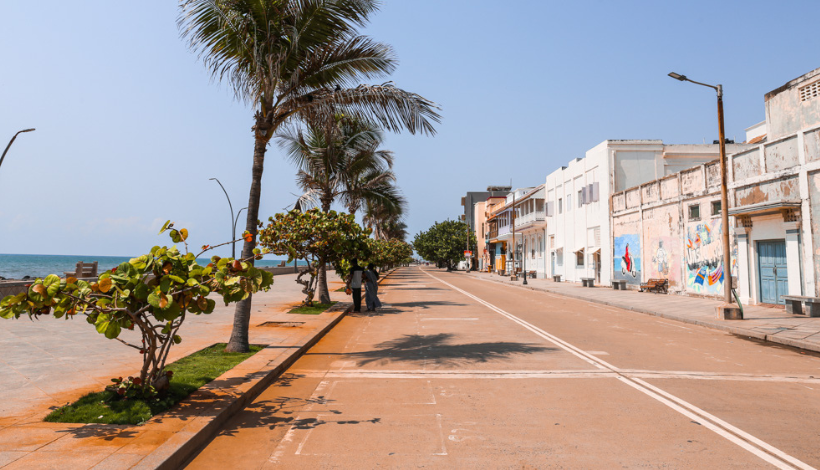
France left India in 1954. In Pondicherry, it didn't entirely leave.
The French Quarter, locally called Ville Blanche, runs in a grid of mustard and ochre buildings with shuttered windows, bougainvillaea spilling over compound walls, and street names still written in French. Rue Dumas, Rue Suffren, Rue Romain Rolland. The Alliance Francaise still functions. Cafés serve croissants that are better than they have any right to be this far from Paris.
This is European architecture India preserved not as a museum but as a living neighbourhood. People live in these buildings. Scooters park under wrought iron balconies. The Promenade Beach runs along the eastern edge without a single vendor stall for a clean kilometer.
Pondicherry earns its place among places in India that look like Europe because the French influence here wasn't just aesthetic. It was administrative, linguistic, and culinary. The bones of that occupation still show.
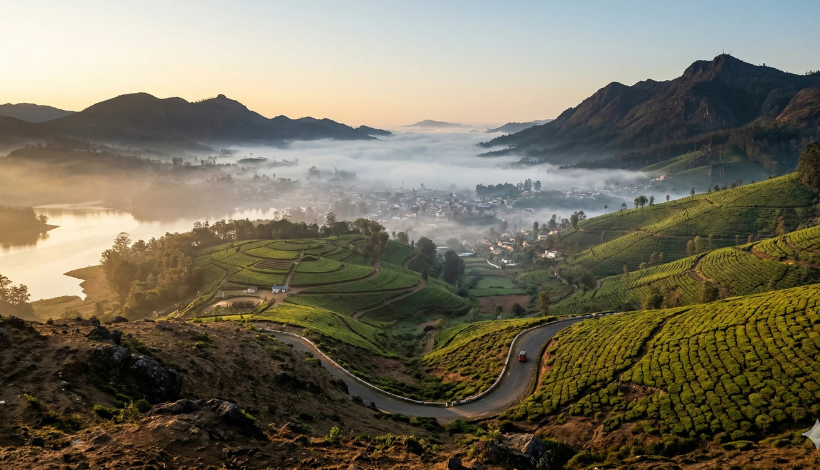
The British built Ooty as a retreat from their own colonial summers. In doing so, they accidentally created one of the most convincing Europe vibe destinations India has. Stone cottages, rose gardens manicured to an almost aggressive degree, a lake that looks borrowed from the Cotswolds, and a toy train that runs through eucalyptus forests the way English countryside railways do.
The Nilgiri Mountain Railway is a UNESCO World Heritage Site. It takes four hours to cover 46 kilometers. That pace is intentional. The views of the Nilgiri slopes from the train windows are the point.
St. Stephen's Church, built in 1829, has wooden pews and stone walls that feel more Somerset than South India. The Government Botanical Gardens, spread across 55 acres, were laid out in 1848 and still follow that formal European garden logic of paths, borders, and symmetry.
October through June works best. July and August rainfall can be relentless.
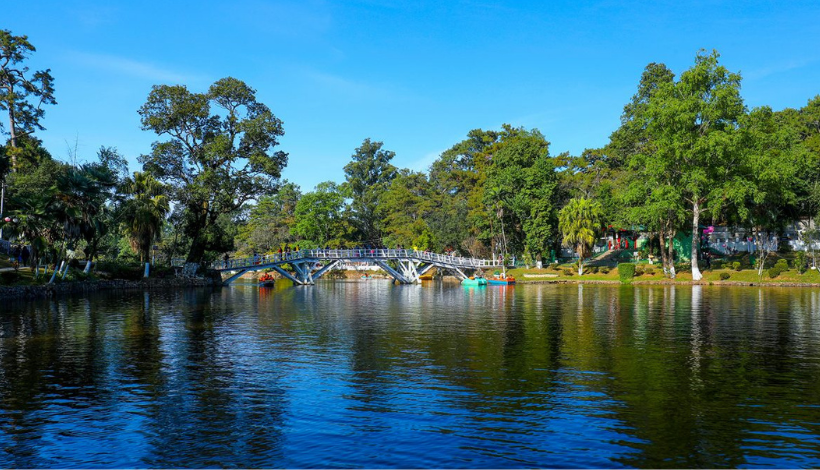
Two cities in India get called Scotland. Coorg has the hills. Shillong has the architecture to back it up.
Presbyterian churches with pointed spires anchor the older neighbourhoods. Ward's Lake sits in the middle of the city like a small English park, complete with a walking bridge and ducks that don't seem particularly Indian in their disposition. The surrounding Khasi Hills roll in that grey-green way that northern British landscapes do when the clouds are low.
Shillong has a music culture that punches far above its size. Rock bands, jazz bars, guitar shops lining Police Bazaar. That cultural energy combined with the colonial-era European architecture India rarely talks about in this context makes the city feel like a hill town that outgrew its own description.Hill towns like Shillong also connect with experiences found in places you should visit right now not well known.
October through April is the window. Monsoon here isn't gentle.
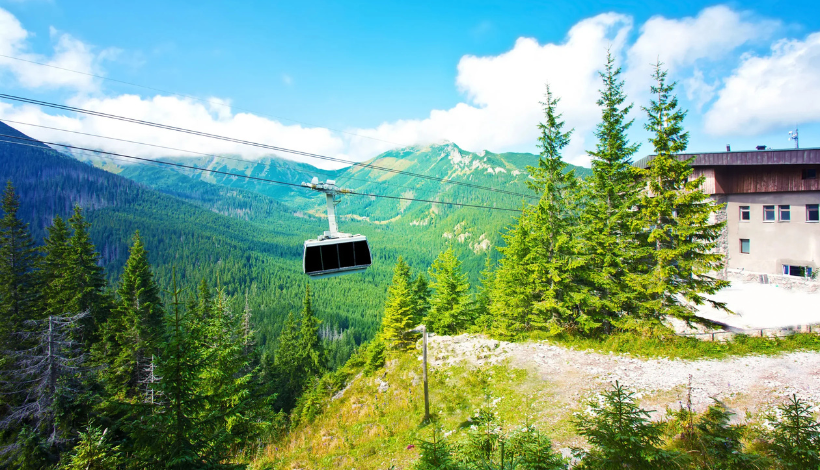
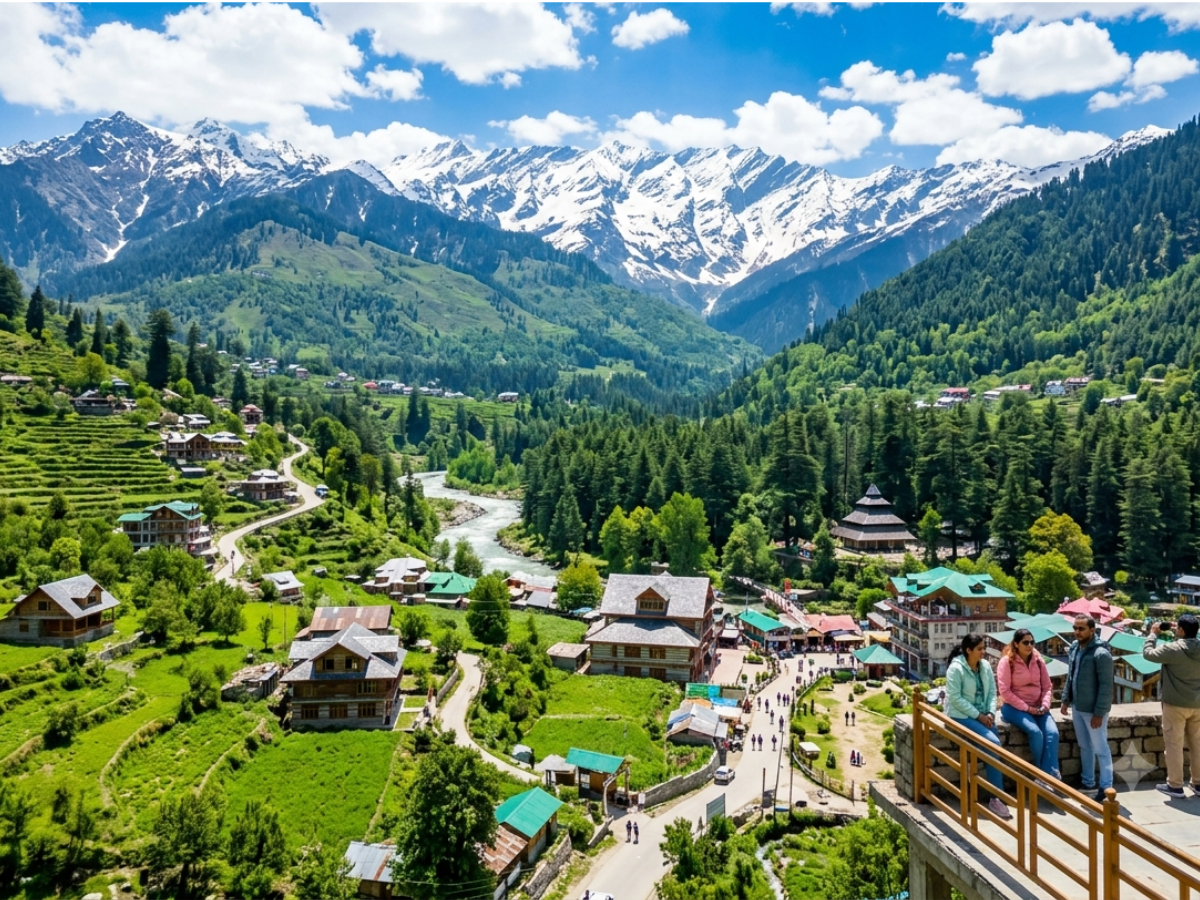
Calling Kasol European is technically a stretch, but the atmosphere is undeniable. The Parvati Valley's pine forests, river-cut paths, and wooden guesthouses have attracted enough European and Israeli backpackers over the decades that the cultural texture of the place has shifted. Hebrew menus, European-style cafes serving actual filter coffee, guesthouses with names that wouldn't look out of place in Bavaria.
Kheerganga sits 12 kilometres uphill, accessible only by trail. Hot springs at the top, snow-capped ridges on three sides, and a silence that feels Alpine in a way that's hard to explain without standing in it.
This isn't European architecture India built deliberately. It's Europe vibe destinations India developed organically through decades of a specific kind of traveller finding a specific kind of landscape and staying.Regions like these often overlap with hidden places in India most tourists don’t know, especially for travellers seeking quieter alternatives.
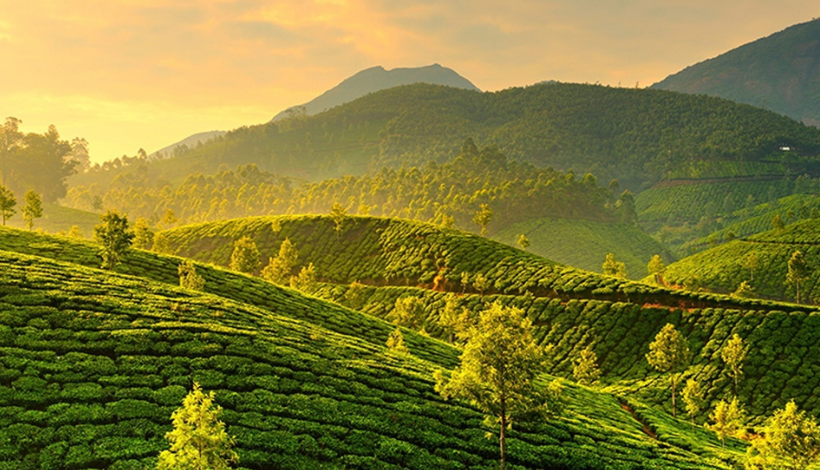
Munnar is probably the most referenced of all Switzerland like places India has. And for once, the comparison holds.
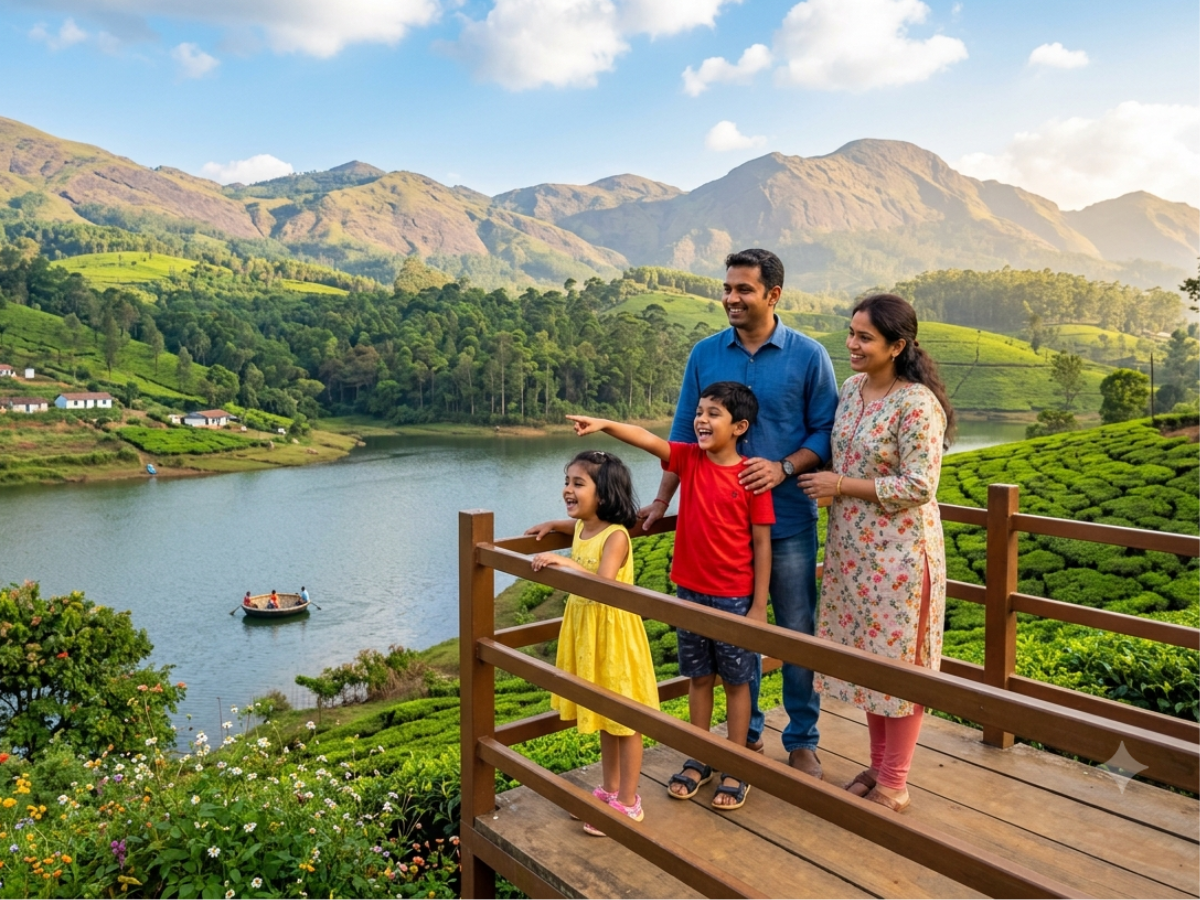
Tea estates here don't sit flat. They climb. Contoured rows of tea bushes follow the curve of every hill, creating that terraced green geometry that photographs the same way Swiss alpine meadows do. Eravikulam National Park adds Nilgiri Tahr on rocky outcrops against the sky. The highest peak in South India, Anamudi at 2,695 metres, anchors the whole landscape.
The air is cool enough at 1,600 metres that you need a layer in the evenings. Waterfalls appear without warning. Mist rolls in by afternoon most days. The colonial-era bungalows that tea estate managers still use for accommodation complete the picture in a way that feels less like a resort and more like stumbling into 1930s Ceylon.Scenic settings like Munnar also appear in curated lists of beautiful villages in India to visit before they get crowded.
September through May is the reliable window. June and July are heavy monsoon.
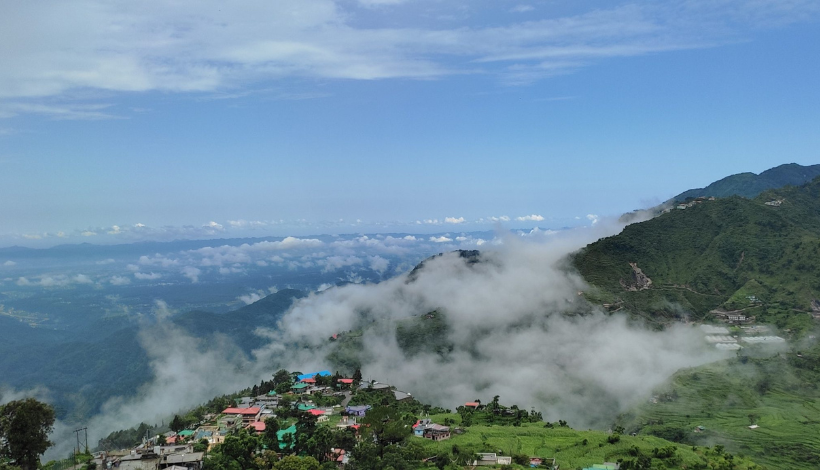
Mussoorie gets the crowds. Landour, sitting 300 metres above it, gets the character.
British-era stone cottages line the Chukkar, a circular walking path that winds through oak and rhododendron forest. Ivy climbs walls that haven't been renovated because nobody's been in a rush to renovate them. Char Dukan, four small shops around a bend in the road, have been serving tea and omelettes to writers and hikers since before independence.
Ruskin Bond still lives here. His presence alone tells you something about what kind of place this is.
Landour is among the places in India that look like Europe not because it tried to replicate anything, but because the British who built it in the 1820s built what they knew. Stone, pitched roofs, fireplaces, gardens with views. The mountain just happened to make it beautiful.
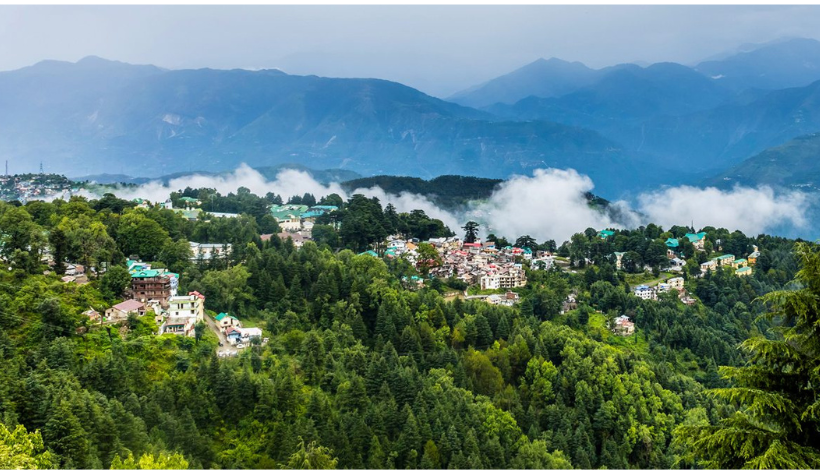
Named after a British Governor-General, Dalhousie was designed as a sanatorium for British troops. The design logic shows. Five hills, colonial bungalows distributed across each, a mall road that functions the way Victorian promenades did, and a view of the Dhauladhar range that on clear days extends toward the Pakistan border.
St. Francis Church and St. Andrew's Church both date to the 1800s. The stained glass in St. Francis has survived earthquake, humidity, and a century of neglect with more dignity than most things in the region.
Khajjiar, 24 kilometres from Dalhousie, is the place that gets called Mini Switzerland with actual justification. A flat meadow of 1.5 square kilometres, ringed by deodar cedar forest, with a small lake at the centre. The Swiss government apparently agreed enough to install a signpost there marking the resemblance officially.
This is European architecture India built deliberately, for function first, and the landscape absorbed it completely.
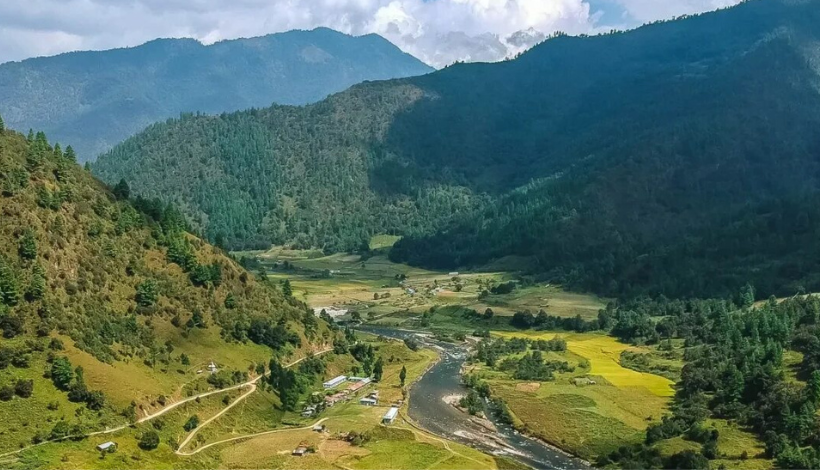
Ziro sits at 1,500 metres in a valley so flat and wide it looks improbable given the mountains surrounding it. The Apatani tribe has farmed this land for centuries, their rice paddies and pine forests creating a visual texture that reads Alpine without any colonial intervention at all.
The town is small, quiet, and largely untouched by the infrastructure that homogenises most Indian hill destinations. Wooden houses, footpaths between plots, a music festival every September that draws people who know about it from word of mouth mostly.
Getting here requires a flight to Naharlagun and a four-hour drive. That friction is the point. Ziro is one of the Europe vibe destinations India has that hasn't been smoothed into convenience yet. The rawness is the experience.Remote destinations like this are often part of hidden places in India most tourists don’t know, valued for their untouched charm.
Permits are required for Arunachal Pradesh. Sort them at least two weeks in advance.
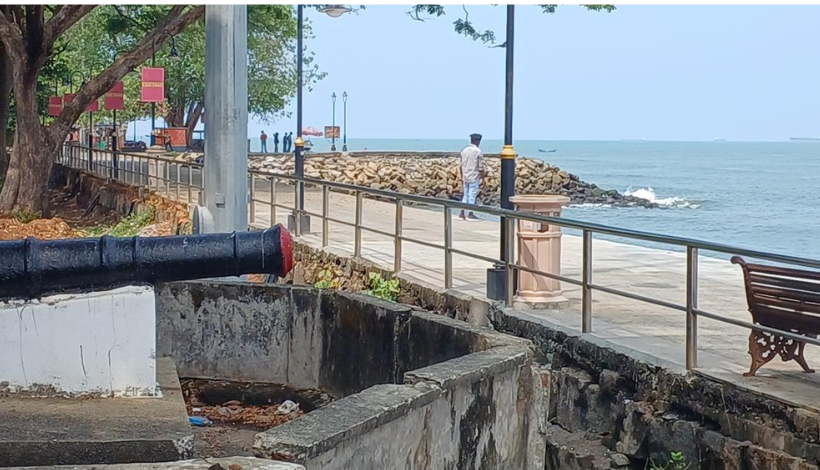
Fort Kochi is a collision of three European powers in one square kilometre. Portuguese arrived in 1503. Dutch took over in 1663. British followed. Each left architecture. None of it was demolished when the next one arrived, which is why walking Fort Kochi's streets today means moving between centuries without leaving the neighbourhood.
Santa Cruz Basilica dates to 1505. The Dutch Cemetery sits behind iron gates, its tombstones tilting at angles that suggest the earth has been slowly reclaiming them for three centuries. Chinese fishing nets line the waterfront, introduced by traders from Kublai Khan's court, which makes Fort Kochi's cultural cross-referencing even stranger and more interesting.
The Jewish Synagogue in Mattancherry, built in 1568, has hand-painted Chinese floor tiles and Belgian chandeliers. That sentence is Fort Kochi's character in miniature.
For places in India that look like Europe, Fort Kochi doesn't pick one European reference. It picks several, layers them, and creates something that belongs entirely to itself.For travellers who enjoy a mix of culture and exploration, these regions also align with popular adventure places in India.
These destinations span six states and three climate zones. Planning them as a single itinerary doesn't work unless you're spending months. But a few things apply across all of them.
Shoulder seasons beat peak season everywhere on this list. October through March covers most of it. Pondicherry and Fort Kochi work year-round. Ziro and Shillong need pre and post-monsoon windows. Munnar and Coorg are best avoided in heavy July-August rainfall.
Accommodation quality matters more than usual at these destinations because the right property, a colonial bungalow, a tea estate stay, or a heritage guesthouse, is part of the experience. Booking a generic business hotel in Landour defeats the point.
European architecture India has preserved in these towns is often concentrated in specific neighbourhoods. In Pondicherry, that's the French Quarter. In Fort Kochi, it's the area between Santa Cruz and the waterfront. In Shillong, it's the older residential areas rather than the commercial centre. Stay within or close to those zones.To plan your journey smoothly, you can book comfortable hotels in India, compare flight options, or explore curated holiday packages based on your itinerary.
Frequently Asked Questions
1. Which places in India look most like Europe and are suitable for a short trip?
Pondicherry and Fort Kochi are the strongest options for short trips of two to three days. Both are compact enough to cover meaningfully without rushing. Pondicherry's French Quarter is walkable in a single afternoon, but warrants two full days to appreciate at the right pace. Fort Kochi's heritage area covers less than two square kilometres. These are the places in India that look like Europe where the density of the experience compensates for the brevity of the visit. Ooty works for weekend trips from Chennai or Bangalore, and the Nilgiri Mountain Railway alone justifies the travel time.
2. Are there Switzerland like places in India that are accessible without high-altitude acclimatisation?
Yes. Munnar in Kerala sits at 1,600 metres, well below the threshold where altitude becomes a health consideration. Coorg is lower still, around 900 to 1,500 metres depending on the estate. Both deliver that terraced green landscape and cool, layered atmosphere that makes the Switzerland comparison earned rather than promotional. Khajjiar in Himachal Pradesh, at 2,000 metres, is another option that doesn't require acclimatisation planning. These Switzerland like places India has are genuinely accessible, requiring nothing beyond standard fitness and appropriate layering for cooler evenings.
3. Which destinations on this list have the best European architecture in India?
Pondicherry has the most intact and concentrated European architecture India preserved post-independence. The French Quarter maintains its grid, its building typology, and its street-level character in a way that colonial neighbourhoods in most Indian cities don't. Fort Kochi runs close behind, with the distinction that its architecture spans Portuguese, Dutch, and British periods rather than a single colonial influence. Dalhousie and Landour offer British hill station architecture at its most atmospheric, particularly in winter when the buildings are framed against snow and empty roads. Shillong's Presbyterian churches and Ward's Lake area round out the strongest built-environment experiences on the list.
4. What is the best time to visit Europe vibe destinations in India?
October through March covers the reliable window for most of them. Coorg and Munnar are best September through May, avoiding peak monsoon. Pondicherry and Fort Kochi are genuinely year-round but are most pleasant November through February when humidity drops. Shillong and Ziro need October through April windows. Landour and Dalhousie in winter, November through February, are atmospheric in a way summer visits aren't, frost on stone buildings and empty promenades deliver a more convincing European hill town experience than peak-season crowds do. Kasol works March through June and September through November. The 'Europe vibe' destinations India offers are almost all season-sensitive. Book around the weather, not the calendar holiday.
5. Can these places in India that look like Europe replace an actual Europe trip?
Practically, for cost, yes. Philosophically, no, and that's not the point. A week across Pondicherry, Munnar, Fort Kochi, and Coorg costs a fraction of a European itinerary and delivers experiences that are genuinely distinct, not just cheaper versions of something else. The French Quarter isn't Paris. Munnar isn't Interlaken. But they're not trying to be. What these places in India that look like Europe offer is a specific aesthetic and atmospheric quality that happens to rhyme with European landscapes or architecture. The food, the culture, the history underneath all of it is entirely Indian. That combination, European surface, Indian depth, is actually more interesting than the original reference. Travel them on their own terms and they deliver something a European trip doesn't.






 April 15, 2026
 Share
Share
 Download as PDF
  From
From 
 Departure Date
 Travellers & class
 Rent For
 Departure Date




 Share
Share
{{cmnt.comment}}