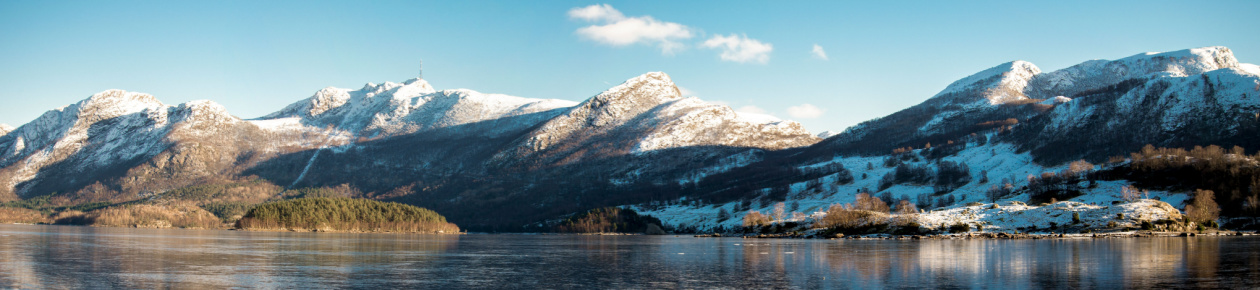
Norway welcomes travellers in a way few destinations can. Subtle at first, then utterly unforgettable. At first, it’s subtle—then suddenly, it sweeps you off your feet. When you’re surrounded by those deep fjords and towering cliffs, it feels less like a trip and more like you’ve stumbled into another world.
What makes Norway tour packages so different is how the country encourages you to slow down and take it all in. Waterfalls drop from incredible heights, bright little villages cling to mountainsides, and at every turn, there’s a view that looks like it belongs on a postcard. Visiting Norway isn’t just about checking off sights. It’s more about slowing your pace, being present, and letting the place reveal itself in its own time.
In this guide, you’ll discover the most scenic routes, must-visit spots, and tips to experience Norway at its best.
Why Visit Norway
Norway is the kind of place that quietly stays with you. It’s not loud or overwhelming. It’s calm, open, and full of natural beauty. You come here for the landscapes, but you remember how it made you feel: relaxed, present, and a little more connected to nature.
In Norway trip packages, getting around, are part of the highlights. Trains, ferries, and even simple drives come with incredible views. You’re not just travelling, you’re constantly seeing something new along the way.
One thing you’ll notice quickly is how peaceful it feels. There are fewer crowds and more space to breathe. It’s easy to slow down and enjoy where you are without feeling rushed.
Honestly, some of the best bits on the Norway trip packages are the simplest ones. Sitting near the water, taking a quiet walk, or just watching the landscape shift around you. These slow moments stick in your memory long after you leave.
If you compare Norway to places like Switzerland or Iceland, you will see that it is not as crowded. There is a lot of space. It feels really calm. You can see all the beauty without all the noise and fuss.
What Makes Norway Special
Norway stands out for experiences you don’t easily find elsewhere. It is not about how it looks; it is about how the land and the weather and the people all come together. This makes Norway a unique place.
Norway’s fjords are not just natural features; they define how people live and travel. Villages sit along their edges, ferries connect daily life, and many routes are built around them. It’s a landscape that actively shapes the experience, not just the view.
-
Extreme Seasonal Contrast
Few places change as much as Norway does within a year. You get the midnight sun in summer and endless night in winter—almost like visiting two completely different countries. If you want to see even more, a lot of travellers add Finland tour packages to their trip for another look at the Northern Lights.
-
Arctic and Coastal Diversity
Within one country, you can experience both mild coastal regions and Arctic environments. From the northern areas above the Arctic Circle to the softer western coastlines, the variety is surprisingly wide for a single destination.
Norway’s connection to the sea runs deep. From the old Viking days to today’s fishing towns, coastal life still shapes everything—how people eat, how they build, and how they live.
-
Distinct Nordic Simplicity
Simplicity is at the heart of Norwegian design and food. Wooden cabins, clean interiors, meals made from what’s local—there’s care in every detail, but nothing is overdone.
The Norway Experience
Norway tour packages are not packed with attractions or constant activity. Instead, it offers fewer but more meaningful experiences where the setting does most of the work.
Bergen is a great starting point, but it’s what comes after that that really matters. From here, you can take a fjord cruise through places like Nærøyfjord, where the cliffs feel close enough to touch. It’s slow, quiet, and surprisingly immersive.
If you want something more active, kayaking in the fjords gives you a completely different perspective. You’re right at water level, moving at your own pace. It’s simple, but it feels like you’re part of the landscape rather than just looking at it. If you’re already exploring Norway’s fjords and scenic routes, adding Finland tour packages can bring a completely different Arctic charm to your journey.
-
Geirangerfjord & Scenic Routes
Geirangerfjord is known for its views, but the experience is in how you explore it. Driving through winding roads on Norway trip packages like Trollstigen is just as memorable as the fjord itself. You’ll stop often, sometimes planned, sometimes not.
For something different, try cycling downhill routes or short hikes to quieter viewpoints. It’s less crowded once you step away from the main stops, and that’s where the place feels more real.
Lofoten is where things slow down even more. Staying in a traditional fisherman’s cabin (rorbu) is part of the experience. It’s simple, but right by the water, often with incredible views.
For fun, try sea kayaking, fishing trips, or even surfing in cold Arctic waters. It sounds extreme, but it’s surprisingly popular here. In the winter tour packages, northern lights tours add a sense of unpredictability that makes the experience feel special. For a well-rounded Nordic holiday, consider including Finland tour packages alongside your Norway plans for a mix of adventure and relaxation.
Oslo is a break from all the wild scenery. Museums, modern buildings, waterfront parks—it’s all close together and easy to take in. Food is fresher, local restaurants do seafood right, and the focus is always on quality, not fancy extras.
Norwegian food is simple but fresh. Seafood is the highlight, especially salmon, shrimp, and cod. You’ll also find dishes like fish soup or open sandwiches that are straightforward but satisfying.
If you’re curious, try brown cheese (brunost). It’s slightly sweet and very local. It’s not for everyone, but it’s one of those things you’ll remember trying.
Shopping in Norway isn’t about big malls, it’s about small, meaningful items. Look for wool products, outdoor gear, or locally made crafts. They’re simple, well-made, and easy to carry home without feeling like typical souvenirs.
Practical Guide to Visiting Norway
Norway is one of those destinations where planning directly affects your experience. It’s not complicated, but it’s not casual either. Costs are high, distances are long, and small decisions like where you stay or how you move make a big difference.
Most international travellers arrive in Oslo.
From India, flights usually involve one stop (Doha, Dubai, Istanbul, or a European hub). Expect total travel time between 12 and 16 hours.
From Oslo Airport to the city:
- Airport express train: ₹2,200–₹2,800, ~20 mins
- Local train: ₹1,120–₹1,700, ~25 mins
- Taxi: ₹7,800–₹11,000, not ideal unless necessary
If you’re heading to Bergen, Tromsø, or Lofoten, domestic flights typically cost ₹8,900–₹22,000 if booked early. Last-minute fares can go much higher.
Getting around on Norway tour packages is straightforward, but not always fast or cheap.
- Trains: ₹3,000–₹9,600+ depending on distance and timing
- Ferries (fjords): ₹950–₹3,800 per ride
- Buses: cheaper, but limited schedules
- Flights: best for long distances
If you’re planning to explore fjords or smaller towns, renting a car is often worth it. It saves time and gives you flexibility that public transport doesn’t.
-
What Takes More Effort Than Expected
Norway doesn’t feel difficult, but it’s not effortless either.
You’ll walk more than expected, especially at viewpoints, small towns, and hiking spots. Weather can shift quickly, so plans sometimes need adjusting. In smaller places, restaurants may close early, and options can be limited.
It’s all manageable, but you need to stay flexible and not overpack your itinerary.
This is where Norway feels different.
- Mid-range hotel: ₹13,000–₹27,000 per night
- Budget stays/hostels: ₹4,400–₹8,000 per night
- Simple meals: ₹1,600–₹2,700
- Sit-down meals: ₹3,300–₹6,700+
- Coffee: ₹400–₹650
What works:
Many travellers mix it up. Eat out once a day, use supermarkets for the rest, and choose 1–2 key experiences instead of trying everything.
Distances in Norway look small, but travel takes longer than expected.
- 3–4 days: stay in Oslo or Bergen + nearby areas
- 5–7 days: focus on one region (fjords or north)
- 10+ days: combine regions at a slower pace
The biggest mistake is moving too often. Fewer bases, longer stays. It makes the trip feel much smoother.
Packing right saves you money and hassle.
- Waterproof jacket (non-negotiable)
- Good walking shoes
- Layers (even in summer)
- Universal adapter (Type C/F)
- Small day bag
Useful extras:
- Snacks (food is expensive and not always available)
- Reusable water bottle (tap water is excellent and free)
-
Small Details That Matter
- Book stays early, especially in fjord regions
- Check the weather daily. It affects plans more than you think
- Don’t depend on late-night food outside cities
- Download tickets/apps, many services are digital
Norway works best when you plan just enough, but not too much. Keep your route simple, budget smartly, and focus on a few strong experiences instead of trying to do everything.
Best Time to Visit Norway
Norway tour packages feel very different depending on when you go. The same places can offer completely different experiences across seasons. Your timing should depend on what you want: long days, snow, northern lights, or easier travel.
May to September (Summer, Most Accessible)
Summer tour packages are the easiest and most popular time. Long days, open roads, ferries running, everything’s simple.
Good for:
- Fjords, scenic drives, hiking
- Places like Bergen, Geirangerfjord, and Lofoten
- General first-time trips
Watch for:
- Higher prices (especially June–August)
- Crowds in popular fjord areas
- Accommodation is filling up early
June to August (Peak Summer, Long Days)
This is when Norway is at its most active. The midnight sun in the north means you can explore almost anytime. Everything is open, and conditions are ideal for outdoor travel.
Good for:
- Road trips and outdoor activities
- Coastal regions and northern Norway
- Festivals and lively atmosphere
Watch for:
- Highest prices of the year
- Busy tourist spots (Geiranger, Flåm, Lofoten)
- Limited last-minute availability
September to October (Early Autumn, Fewer Crowds)
This is a quieter and more relaxed time to visit. The landscapes start changing colour, and tourist numbers drop. Travel is still possible, but some routes and services are beginning to be reduced.
Good for:
- Fewer crowds, lower prices
- Photography and calmer travel
- Shorter, slower trips
Watch for:
- Unpredictable weather
- Some attractions or ferries are reducing frequency
- Shorter daylight hours
November to March (Winter, Northern Lights Season)
Winter changes the experience completely. Days are short, especially in the north, but this is when you can see the northern lights. Snow activities become the focus.
- Northern lights (Tromsø, Arctic regions)
- Snow experiences (dog sledging, skiing)
- A different, quieter side of Norway
Watch for:
- Very limited daylight (especially Dec–Jan)
- Cold temperatures
- Travel disruptions due to weather
April (Transition Month, Mixed Conditions)
April sits between winter and summer. Snow starts melting, but many hiking routes are still closed. It’s not peak season, but it can work if you plan carefully.
Good for:
- Lower prices
- Fewer tourists
Watch for:
- Unpredictable conditions
- Limited access to some fjord routes and hikes
Things to Know
Norway trip packages are easy to enjoy, but only if you understand how it works. Small details like the costs, timing, weather, and distances can shape your entire trip. These are the things most travellers don’t think about early enough, but they make a big difference once you’re there.
- It’s one of the most expensive countries in Europe. Plan your daily budget realistically, or costs will add up fast.
- Distances are misleading. What looks close on the map can take hours due to ferries, mountains, or indirect routes.
- Weather changes fast. A clear morning can turn rainy by afternoon, so always carry a jacket.
- Book early in popular areas. Fjord regions and small towns have limited stays that fill up quickly.
- Public transport works, but not everywhere. It’s reliable on main routes, but gaps exist in remote areas.
- Food is expensive and limited at night. Many places close early, so plan meals.
- Tap water is free and of high quality. You don’t need to buy bottled water.
- Cards are accepted almost everywhere. You can travel without cash in most situations.
- Daylight varies a lot by season. Summer gives long days; winter can feel very short.
- Northern lights require patience. You need clear skies, the right location, and some luck.
- Activities depend heavily on the season. Hiking, fjords, and snow experiences don’t overlap much.
- Last-minute bookings cost more. Trains, flights, and activities are cheaper if booked early.
- English is widely spoken. You won’t face major language barriers.
- Sundays are quiet. Many shops and services may be closed or have limited hours.
Plan Your Norway Escape the Right Way
Norway isn’t a place to rush. You soak it in slowly—the landscapes, the moments, everything. Careful planning makes all the difference when picking your Norway Tour Packages. Stick to fewer areas, move at a relaxed pace, and choose the experiences that call to you most.
Book your trip with EaseMyTrip Holidays for good prices, flexibility, lots of packages, and solid support. Start planning with us today and travel with greater peace of mind.


 AED
AED  THB
THB  USD
USD GBP
GBP







 Compare Packages(0{{CompPack.length}})










 Compare Packages