How to Plan Short Trips Without Disrupting Your Work Schedule

EaseMyTrip May 2, 2026

Short trips (micro vacations) are an easy way to travel without disrupting your work schedule. By choosing nearby destinations, planning around weekends, keeping itineraries simple, and packing light, you can enjoy refreshing breaks without taking long leaves. Smart planning makes these quick getaways stress-free, flexible, and surprisingly effective for boosting productivity and work-life balance.


Long holidays sound great until you actually try to plan one. Suddenly there are leave approvals to sort out, flights getting more expensive by the minute, and a calendar that refuses to cooperate. By the time everything lines up, the excitement has usually been replaced by mild exhaustion.

That is exactly why a lot of working professionals have started leaning toward something simpler. Instead of waiting months for one big vacation, they take shorter breaks whenever the schedule allows it. Two days away here, maybe three days there. Nothing dramatic. Just enough to step out of the routine for a bit.

These small breaks are often called micro vacations, and they are surprisingly effective. You change scenery, you sleep somewhere new, you eat food you did not cook yourself. That alone can feel like a reset.

The trick, though, is learning how to plan them properly. Without a bit of strategy, a short trip can feel rushed and pointless. With the right short trip planning tips, it fits around work almost effortlessly. These short breaks are known to improve focus and productivity—explore how weekend getaways can reset your mind and boost productivity.

The Destination Should Not Be a Mission

A short trip loses its charm the moment it becomes complicated to reach. It sounds obvious, yet people do it all the time. They pick a place that requires two flights, a long drive, and a stressful connection somewhere in between.

That might work for a proper vacation. For weekend trip planning, it is usually a mistake.

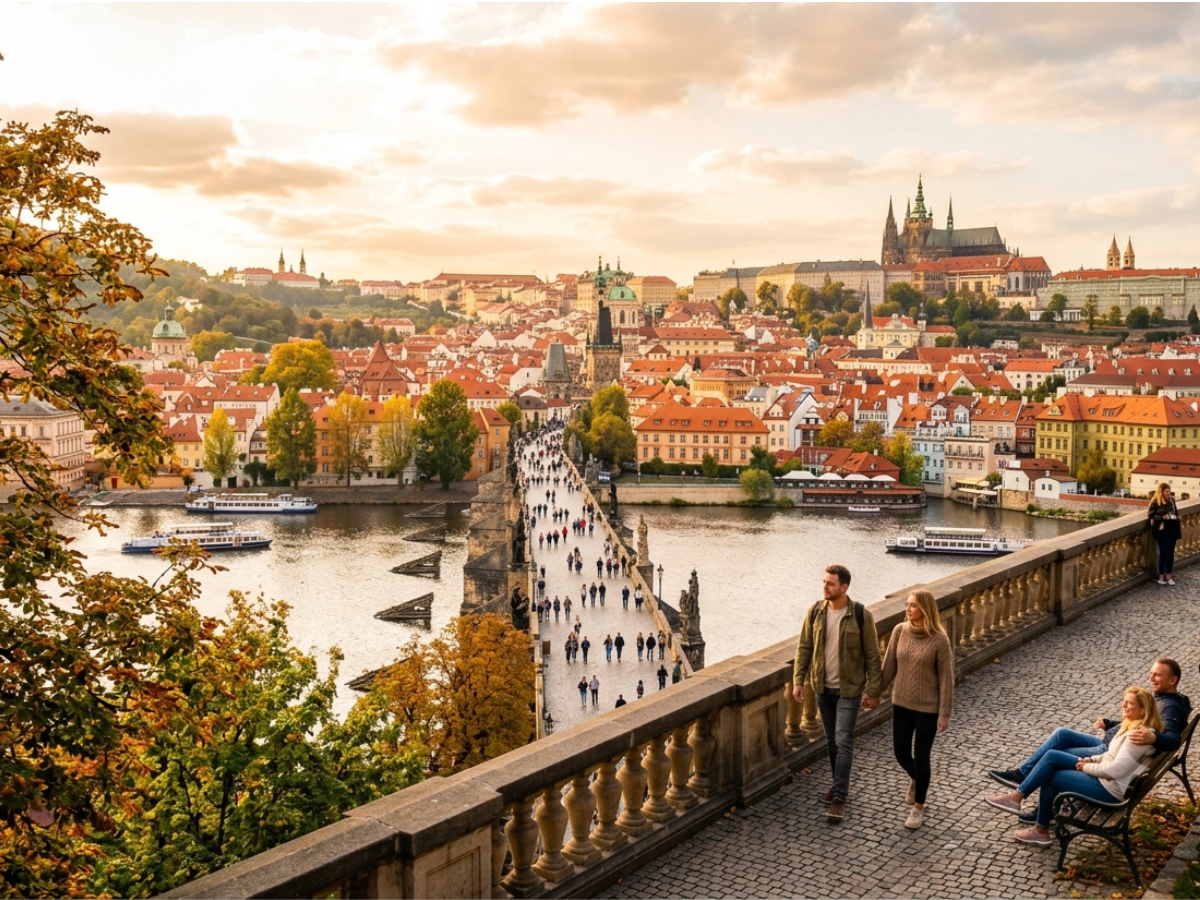
A better approach is choosing destinations that are comfortably within reach. Think places that take a few hours to get to, not an entire day. A nearby hill town, a coastal escape, a quiet heritage city, or even a national park can work perfectly.

The point is not to chase the most exotic option. The point is to travel somewhere that feels different from daily life without draining half the trip just getting there.

Once you start looking at travel this way, you begin to notice plenty of work-friendly travel ideas sitting right around you. Even a quick escape can help restore balance—learn how travel helps improve work-life balance.

Weekends Can Be Surprisingly Flexible

Most people assume travel requires several leave days. It actually does not, at least not for shorter trips.

A little calendar awareness goes a long way here.

Many travellers quietly use what is sometimes called the “leave sandwich” method. It is exactly what it sounds like. You place one leave day next to a weekend and suddenly the break becomes much longer than expected.

Leave Friday evening, take Monday off, and you suddenly have four days to work with. That is enough time for a proper change of scenery.

There is also another possibility that people often overlook: travel without taking leave. If you leave after work on Friday and return Sunday night, the trip technically fits entirely within the weekend.

It does not feel short while you are there. And when Monday arrives, you are back at your desk like nothing unusual happened. If you're planning to mix work and travel, these workcation hacks for better flexibility can be incredibly useful.

Planning Too Much Is the Real Problem

One funny thing about short trips is how quickly people overcomplicate them. They start creating detailed itineraries with multiple activities for every single day.

At that point the trip stops feeling like a break. It starts looking suspiciously like project management.

A much easier way to handle quick travel planning is to focus only on the basics. Book the transport. Find a comfortable place to stay. Maybe identify one or two things you would genuinely like to do once you arrive.

That is enough structure.

Everything else can unfold naturally. Walk around. Sit in a café longer than planned. Follow a random street just to see where it goes. Those small unplanned moments are usually the ones people remember anyway. Keeping plans simple often leads to better clarity—see how travel can improve mental focus and clarity.

Packing Light Makes Everything Easier

For trips that last two or three days, luggage should not be a complicated decision. And yet many travellers still pack as if they are relocating temporarily.

It rarely ends well.

A small backpack or carry-on bag is normally more than sufficient for a micro vacation. A couple of clothing options, toiletries, and travel documents will handle most situations.

The benefit becomes obvious the moment you start moving around. Airports feel easier. Trains feel easier. Even checking into a hotel feels smoother when you are not dragging a heavy suitcase behind you.

It is a small adjustment, but it makes short trips noticeably more relaxed.

Where You Stay Matters More Than You Think

Accommodation plays a bigger role in short trips than people sometimes realize. When time is limited, location becomes incredibly important.

If your hotel is far from the areas you actually want to explore, a surprising amount of the trip disappears into taxis and navigation apps.

For weekend trip planning, it often makes sense to stay somewhere central, even if the room itself is slightly smaller or simpler. Being able to walk outside and immediately start exploring saves a lot of time.

Some travellers also look for hotels that allow early check-in or late check-out. Those extra hours can quietly extend the trip without changing the schedule.

On a two-day getaway, that matters more than you might expect.

One Good Experience Is Enough

Another trap people fall into is trying to do everything in one visit. The museum, the market, the viewpoint, the famous restaurant, the hidden café someone mentioned online.

By the end of the day they are exhausted and slightly annoyed.

A short trip works better when it revolves around a single idea. Maybe the goal is relaxing by the sea. Maybe it is exploring local food. Maybe it is simply wandering through a historic neighbourhood without rushing.

Once that central experience is clear, everything else becomes optional.

Ironically, this slower approach often makes the trip feel richer even though you technically do less.

Keep a List of Future Escapes

People who travel often usually have a small mental list of places they want to visit someday. It might be a hill station they read about, a coastal town someone recommended, or a city they passed through briefly once.

Over time that list becomes incredibly useful.

Whenever a long weekend appears on the calendar, they do not need to start researching from scratch. They simply look at their existing ideas and choose one.

That habit alone makes short trip planning dramatically easier. Instead of wondering where to go, the options are already waiting. You can even speed up planning using tools—here’s how to plan a full itinerary in 10 minutes using AI tools.

What a Short Trip Actually Looks Like

Despite all the planning talk, most micro vacations end up looking fairly simple once they begin.

A typical three-day break might unfold like this.

Day 1

• Travel after work
• Check into the hotel
• Find a good place for dinner nearby

Day 2

• Slow breakfast somewhere local
• Main activity for the day
• Exploring streets, cafés, or small shops
• Relaxed evening

Day 3

• Breakfast and a short walk around town
• Return journey

Nothing overly ambitious. That is precisely why it works.

For quick inspiration, explore these 2–3 day weekend getaway ideas for Indian travellers.

Short Trips Often Work Better Than Long Ones

There is a common assumption that real travel requires long holidays. In reality, shorter breaks scattered across the year can feel more refreshing.

They interrupt routine before it becomes exhausting. They give you something to look forward to every couple of months. And they do not require complicated planning each time.

Once you become comfortable with travel without taking leave, even a busy work schedule starts to feel surprisingly flexible.

A weekend here. A long weekend there. Suddenly the year includes several small adventures instead of none.

And honestly, that tends to feel much better. Over time, these experiences can reshape your perspective—discover travel experiences that change your outlook on life.

FAQs

Q1: What is a micro vacation?
Ans: A micro vacation is simply a short trip, usually lasting two to four days. It is designed to fit around weekends or public holidays so people can travel without taking extended time off work.

Q2: How far should you travel for a short trip?
Ans: Most travellers aim for destinations that are within roughly two to five hours of travel time. That keeps the journey manageable and leaves enough time to actually enjoy the destination.

Q3: Is it really possible to travel without taking leave from work?
Ans: Yes, especially if the trip fits within a weekend. Leaving Friday evening and returning Sunday night is a common strategy for quick getaways that do not interfere with workdays.

Q4: When should short trips be booked?
Ans: Booking two to four weeks in advance usually works well. It gives you reasonable prices and good accommodation options without locking plans too early.

Q5: Are short trips actually relaxing?
Ans: They can be very relaxing if the itinerary stays simple. The key is not trying to do too much. One or two meaningful experiences are usually enough for a short break.

Like
Liked
Share
Comments ({{commentLength}})
  • {{cmnt.userId.substring(0,1)}} {{cmnt.userId}}

    {{cmnt.comment}}

Location Icon From
  • Flight

    {{fra.City}}

    {{fra.AirportName}}

    {{fra.Country}}
Location Icon To
  • Flight

    {{to.City}}

    {{to.AirportName}}

    {{to.Country}}

Departure Date

Travellers & class
1 Traveler
Location Icon Enter City name
  • Flight

    {{hca.name}}

Check-In

Check-Out

Guests & Room
{{hotelGuest}} Guests {{totalRoom}} Room
Location Icon From
Cities
Location Icon To
Cities

Pickup Date

Pickup Time

Location Icon Source City
Location Icon Destination City
Departure Date
Location Icon Source City
Location Icon Destination City
Departure Date
Location Icon Destination Name
  • {{ct.city}}