+ How a Simple Weekend Trip Can Transform Your Mood
Travel Tips

How a Simple Weekend Trip Can Transform Your Mood

Anushka Pandey Calendar March 14, 2026

It sounds almost too small to matter.

Two days. One overnight bag. A short drive or train ride somewhere close enough that it doesn’t feel like an expedition.

And yet, weekend trips for happiness have a quiet way of doing more than expected.

People often assume real change requires distance. Or time. Or something dramatic. But mood does not always need drama. Sometimes it just needs interruption.

Routine is powerful. It shapes thoughts without anyone noticing. Same alarm. Same route. Same conversations. Even the same worries, repeating in slightly different forms.

A short break shifts that pattern. Sometimes even weekend getaways that reset your mind and productivity can create this mental shift by giving the brain a brief but powerful break from routine.

Not permanently. But enough.

The Subtle Weight of Everyday Life

Most people do not describe themselves as “overwhelmed” every day. They manage. They show up. They function.

Still, something accumulates.

Background tension. Unfinished mental tabs. Notifications that never fully stop. Even rest feels scheduled.

Mood boosting travel works because it removes familiar cues. The desk is not there. The kitchen sink is not there. The neighbourhood noise is different. Or quieter.

The brain registers the change before it fully understands it.

And in that gap, mood lifts a little. This is one reason experts often explain how travel helps reduce stress and burnout, as stepping away from daily triggers allows the mind to recover from constant pressure.

Not dramatically. Just enough to notice.

Why Short Relaxing Vacations Feel Manageable

Long holidays are wonderful, but they come with pressure. Planning intensifies. Expectations rise. Cost increases.

A short relaxing vacation carries less emotional weight.

It feels possible.

Two nights away does not require weeks of preparation. It does not demand a perfect itinerary. It allows for simplicity. And simplicity is underrated.

Weekend trips for happiness work partly because they are realistic. In fact, many professionals now rely on short trips because taking a trip is often considered the best cure for burnout when work pressure begins to accumulate. They fit into ordinary lives. They do not require quitting jobs or taking extended leave.

That accessibility matters.

The Psychology of Changing Environments

The Psychology of Changing Environments

There is a reason therapists sometimes suggest small environmental shifts during stressful periods.

Spaces influence behaviour.

At home, people slip into automatic roles. Worker. Parent. Caregiver. Problem-solver.

Travel for mental wellness interrupts those scripts. This is also why many people travel intentionally to reconnect with themselves and understand why travel is important for mental peace.

In a new place, even a modest one, behaviour resets slightly. People walk more. Sit differently. Notice things. They eat at slower speeds. They sleep in unfamiliar silence.

Research consistently shows that exposure to green spaces reduces stress hormones. Even brief nature exposure improves focus and lowers irritability.

Quick stress relief trips that include natural surroundings tend to create calm within hours. Not because the place is magical, but because the nervous system recognises safety in slower rhythms.

The body relaxes first. The mind follows.

Anticipation as a Mood Booster

Something interesting happens before departure.

Planning itself can lift mood.

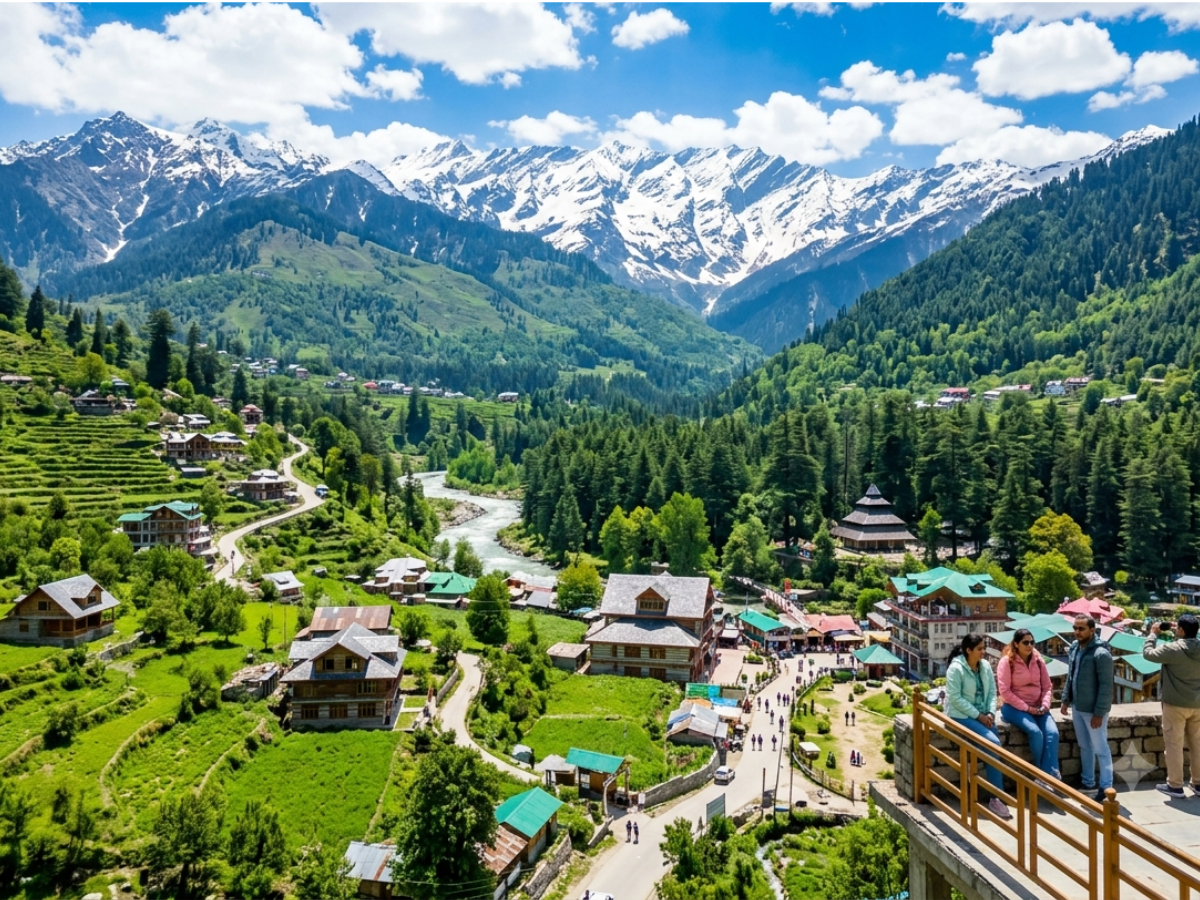
Looking at photos of a small hill town. Checking train times. Thinking about breakfast in a new café. These tiny acts create forward motion.

Mood boosting travel begins in anticipation. It shifts attention from present stress to upcoming rest.

That shift reduces mental fatigue.

Even if the destination is simple, the idea of change is powerful.

The Power of Fewer Decisions

Daily life is filled with micro-choices.

What to cook. What to reply. What to schedule. What to postpone.

Decision fatigue builds quietly.

Short relaxing vacations reduce that load. Fewer responsibilities. Fewer urgent messages. Often, fewer options.

Wake up. Step outside. Eat when hungry. Rest when tired.

That simplicity recalibrates the mind.

Weekend trips for happiness often succeed not because of activities, but because of reduced complexity.

Less input. Less pressure. More presence.

Nature and Emotional Regulation

There is something steady about water. About trees. About open skies.

Natural settings require less cognitive effort to process than urban environments. No flashing lights. No constant horns. No endless visual clutter.

Travel for mental wellness frequently includes time outdoors for this reason. Many travellers now seek dedicated healing environments such as wellness retreats designed for relaxation and self-care where nature and mindfulness combine to restore emotional balance. Even a quiet park in a smaller town can feel restorative compared to a crowded city centre.

Sitting near a lake for an hour may not solve life problems. But it reduces internal noise.

And reduced noise improves mood.

Shared Time Feels Different Outside Routine

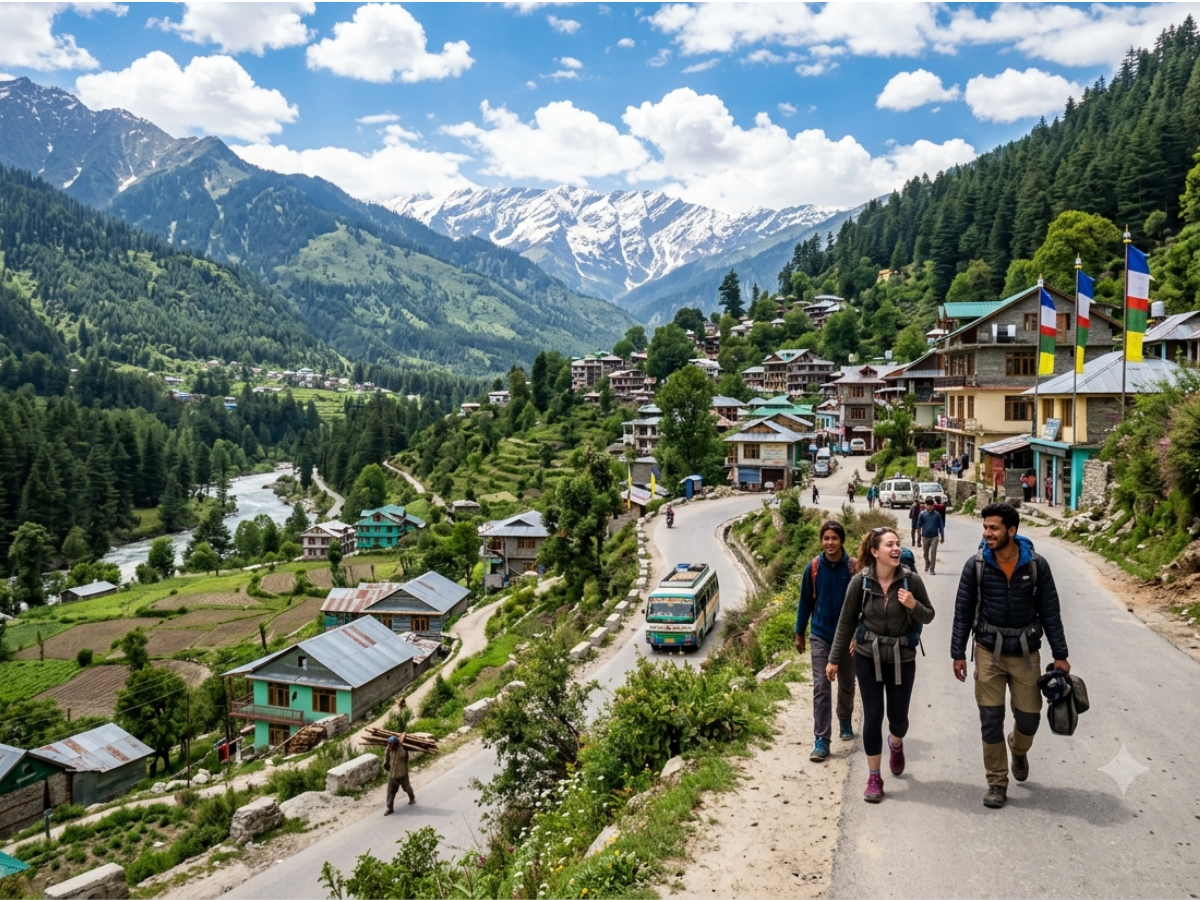
A weekend away with friends or family shifts interaction.

At home, conversations often revolve around logistics. Schedules. Bills. Tasks.

On a quick stress relief trip, conversation softens. There is time. Meals are not rushed. Laughter stretches longer.

Even small shared experiences, like getting slightly lost while exploring a market, become bonding moments.

Mood improves partly because connection improves. Taking occasional breaks together also helps people rebuild balance between responsibilities and personal life, which is why experts discuss how travel helps restore work-life balance.

And connection stabilises emotion more than most people realise.

Solo Weekends and Mental Clarity

For some, the most effective weekend trips for happiness are taken alone.

Solitude in a new place removes constant expectation.

No one else’s schedule to manage. No social performance. No compromise on pace.

A person alone in a quiet setting often notices how fast their thoughts normally move. And how quickly those thoughts slow when external pressure reduces.

Short relaxing vacations taken solo can feel grounding in a different way.

Less conversation. More reflection.

Clarity arrives in small waves.

Imperfection Does Not Cancel the Benefit

Not every weekend goes smoothly.

Trains run late. Weather changes. Accommodation may not match expectations perfectly.

It does not erase the reset.

Mood boosting travel does not require flawless conditions. It requires contrast. Even imperfect change is still change.

The nervous system responds to difference, not perfection.

Sometimes, minor inconveniences even add humour later. Perspective softens when problems feel manageable.

Returning Home Without Losing the Calm

The challenge begins after returning.

Laundry resumes. Emails accumulate. Traffic feels louder.

Yet something lingers.

People often notice slightly slower reactions to stress. A greater willingness to take short walks. A renewed interest in maintaining small rituals that felt good during the trip.

Travel for mental wellness works best when it influences everyday behaviour.

Not through grand resolutions. Through modest adjustments.

Maybe screens are switched off earlier. Maybe breakfast is eaten without rushing. Maybe weekends are protected more intentionally.

Small habits extend the impact.

Choosing the Right Kind of Break

Not every person needs the same kind of escape.

Someone overstimulated might need quiet countryside rather than busy sightseeing. Someone bored might benefit from light exploration rather than complete stillness.

Weekend trips for happiness work when they match emotional need.

Short relaxing vacations do not need to impress anyone. They need to restore. However, maintaining physical wellbeing during these trips also matters, which is why travellers should follow practical advice like tips to stay healthy during travel.

That difference matters.

Why Simplicity Is Enough

There is pressure to maximise every experience.

But mood boosting travel thrives on simplicity.

A comfortable room. Fresh air. Good sleep. Unhurried meals.

That is often sufficient.

Quick stress relief trips are not about transformation in the dramatic sense. They are about recalibration. Bringing the nervous system back to baseline.

And baseline calm is powerful.

Frequently Asked Questions

1. Can weekend trips for happiness really improve mood in just two days?
Yes. Even brief changes in environment reduce stress and mental fatigue.

2. What makes short relaxing vacations effective?
Reduced responsibility, fewer decisions, and exposure to calming environments.

3. Are nature-based trips better for mood boosting travel?
Natural settings often enhance relaxation, but any peaceful change of setting can help.

4. How do quick stress relief trips reduce anxiety?
They interrupt routine stress triggers and provide mental distance from daily demands.

5. Is travel for mental wellness backed by research?
Studies show that short breaks and nature exposure lower stress hormones and improve focus.

6. Do expensive destinations work better?
Cost does not determine emotional benefit. Simplicity often works just as well.

7. Should devices be avoided entirely?
Not necessarily, but reduced screen time enhances the reset.

8. How often should someone take short relaxing vacations?
Even a few times a year can make a noticeable difference.

9. Can solo weekend trips be more impactful?
For some people, solitude enhances clarity and emotional regulation.

10. What is the biggest mistake people make on weekend trips?
Over-scheduling. Too many plans can recreate the stress they are trying to escape.

A weekend will not redesign a life.

But it can soften edges. Clear mental clutter. Restore a bit of patience.

And sometimes, that small shift is enough to change how the next week feels.

Like
Liked
Share Share
Comments ({{commentLength}})
  • {{cmnt.userId.substring(0,1)}} {{cmnt.userId}}

    {{cmnt.comment}}

Location Icon From
  • Flight

    {{fra.City}}

    {{fra.AirportName}}

    {{fra.Country}}
Location Icon To
  • Flight

    {{to.City}}

    {{to.AirportName}}

    {{to.Country}}

Calender Icon Departure Date

Travellers Icon Travellers & class
1 Traveler
Search Flights
Location Icon Enter City name
  • Flight

    {{hca.name}}

Calender Icon Check-In

Calender Icon Check-Out

Guests & Room
{{hotelGuest}} Guests {{totalRoom}} Room
Search
Location Icon From
Cities
Location Icon To
Cities

Calender Icon Pickup Date

Pickup Time

Search
Location Icon Source City
Location Icon Destination City
Departure Date
Search
Location Icon Source City
Location Icon Destination City
Departure Date
Search
Location Icon Destination Name
  • {{ct.city}}

Search