Holiday Search
Flight
hotel
Trains
Flight+Hotel
Bus
Holidays
Cabs
Activity
Gift Cards
Homeemtimgh Holidaysemtimgi
Sariska
emtimgj Compare Packages(0{{CompPack.length}})

Sort By
Sort By
Package Type
Package Type
Price
Price
Duration
Duration
Set your number of nights
Flight
Flight
Themes
Themes
Reset All
{{vl.type}} ×
All Packages
Top Selling
Package with Tour Manager
Guided Tours
All-Inclusive Package
iconRecommended
vistara
Earn {{lst.vistaraPoints}} CV points
{{lst.noOfNights}}N / {{lst.noOfDays}}D | Group Departure| Pilgrimage
Discover Abu Dhabi
3N UAE | 2N Sharjah
Hotel
Sightseeing
Transfer
Meal
Flight
Visa
Bus
Flight
Cab
  • {{hl}}
Hotel Included
Flight Included
emtimg12
From
To
JAI
Bus Included
emtimg12
From
DEL
To
JAI
Train Included
emtimg12
From
DEL
To
JAI

Flight

No flights available

Bus

No bus available

Train

No train available
Starting From {{PackList.currSymbol}} {{formatPrice(lst.selectedOption.twoPaxRackRate)}}
{{PackList.currSymbol}} {{formatPrice(lst.selectedOption.twoPaxRate)}} {{PackList.currSymbol}}{{formatPrice(lst.selectedOption.onePaxRate)}}
Per Person on twin sharing
Per Person on single occupancy
0{{CompPack.length}}
EMI plan with EMT
×
MonthsMonthly EMI
{{tk.month}} ₹ {{tk.amt}}
Get in touch with us.
{{validErrName}}
{{validErrEmail}}
{{validErrMb}}
{{sankashmsg}}
Please Note:
  • EMI is inclusive of the processing fee and applicable GST.
  • Loan Protector Insurance: 1% of the package amount is mandatory and included in the EMI.
Homeemtimgsdasd Hoildaysemtimgasd Sariskaemtimgasd Compare Packages
right-arrow Compare Packages
Add Packages
Items {{CompPack[0].packageName}} {{CompPack[1].packageName}} {{CompPack[2].packageName}}
Picture
No. of Nights {{CompPack[0].noOfNights}} {{CompPack[1].noOfNights}} {{CompPack[2].noOfNights}}
Flight {{convertbtos(CompPack[0].flightStatus)}} {{convertbtos(CompPack[1].flightStatus)}} {{convertbtos(CompPack[2].flightStatus)}}
Hotels {{CompPack[0].star}} Star {{CompPack[1].star}} Star {{CompPack[2].star}} Star
Transfer {{convertbtos(CompPack[0].transferStatus)}} {{convertbtos(CompPack[1].transferStatus)}} {{convertbtos(CompPack[2].transferStatus)}}
Visa {{convertbtos(CompPack[0].visaStatus)}} {{convertbtos(CompPack[1].visaStatus)}} {{convertbtos(CompPack[2].visaStatus)}}
City Includes {{CompPack[0].stayCity}} {{CompPack[1].stayCity}} {{CompPack[2].stayCity}}
Price Per Person {{PackList.currSymbol}}{{formatPrice(CompPack[0].selectedOption.twoPaxRate)}} {{PackList.currSymbol}}{{formatPrice(CompPack[1].selectedOption.twoPaxRate)}} {{PackList.currSymbol}}{{formatPrice(CompPack[2].selectedOption.twoPaxRate)}}
View Package
Remove
View Package
Remove
View Package
Remove

right-arrow About Sariska

Sariska Tour Packages

Everyone heads to Ranthambore for tiger sightings, Jim Corbett for weekend escapes, or Bandhavgarh for serious wildlife photography. Fair enough—those parks deliver obviously. What gets missed is how Sariska sits just three hours from Delhi, offering genuine tiger encounters without the tourist circus Ranthambore became years ago. The reserve operates nothing like overcrowded northern parks despite sharing similar terrain and wildlife. Alwar district functions completely differently from Rajasthan's tourism-heavy zones, which tourists flood constantly.

It's been marketed as Ranthambore's less-famous cousin since forever, yet most Delhi weekenders skip it entirely for longer trips south. Doesn't capture reality properly, honestly. Understanding how Project Tiger revived populations here after complete extinction locally, why the Aravalli landscape creates unique viewing conditions, and what separates morning safaris from afternoon disappointments requires actual time. Smart Sariska trip packages build three days minimum instead of cramming one rushed safari between Friday evening arrival and Sunday afternoon departure, leaving you exhausted.

The reserve sprawls across 866 square kilometres of dry deciduous forests, rocky hills, and grasslands the Aravalli range created. Geography dictates wildlife movement—valleys and water sources concentrate animals during summer, whilst monsoons spread them across wider territory. Winter brings comfortable temperatures tourists prefer, whilst summer heat reaches levels making midday safaris genuinely miserable.

Tiger Sightings That Actually Happen Regularly

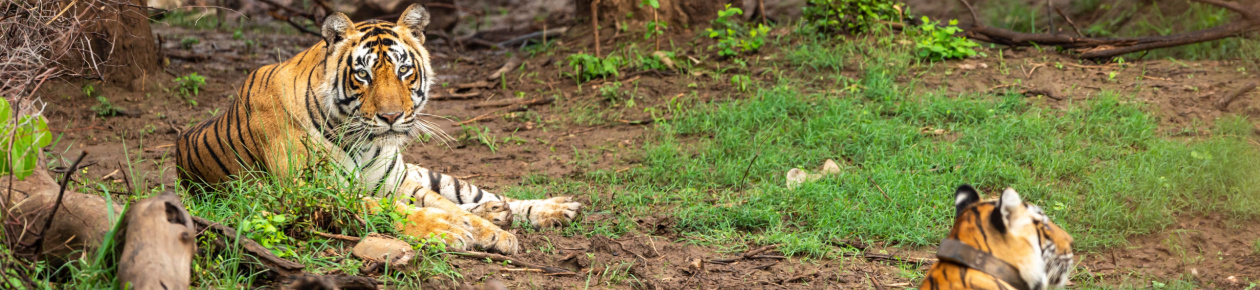
Sariska hosts roughly 25-30 tigers after reintroduction efforts following 2004 extinction when poaching eliminated the entire population locally. The controversial relocation from Ranthambore worked better than expected, honestly. Morning safaris from 6 to 9:30 AM offer the best chances because tigers stay active before heat builds intensity. Afternoon slots are 2:30-6 PM and work during winter months, though summer afternoons see animals hiding sensibly.

Safari costs ₹2,000-3,500 per person depending on zone and vehicle type—Canter (shared vehicle) runs cheaper, whilst Gipsy (private 6-seater) costs more but provides flexibility. Entry fees are included typically, though camera charges apply separately at ₹200-500 depending on equipment. Guides are assigned mandatorily at ₹300-400 per safari, knowing the territory and animal behaviour intimately, usually.

Zones 1 and 2 see maximum tiger activity consistently. Zone 3 offers scenery and leopards, though tiger density is lower there. Zones 4 and 5 remain restricted often for conservation, allowing undisturbed breeding. Booking online through the forest department website is essential because walk-in availability is practically nonexistent during weekends and holidays. Quality Sariska tour packages secure permits in advance, avoiding disappointed tourists arriving hopeful then leaving empty-handed immediately.

Kankwari Fort: Where History Meets Wildlife

12th-century fort sitting inside the reserve offering panoramic valley views. Aurangzeb imprisoned his brother Dara Shikoh here before executing him eventually—cheerful history, really. The structure remains partially intact, with walls, gateways, and ramparts surviving centuries reasonably well. Tigers spotted around the fort area occasionally create dramatic photo opportunities nobody expects.

Accessible via safari routes requiring permits regardless of visiting the fort or not. No separate entry fees beyond regular safari costs make it a convenient add-on. The climb to the fort takes 15-20 minutes, involving steep steps locals navigate effortlessly whilst tourists struggle, breathing heavily. Views justify effort genuinely—the entire reserve spreading below with the Aravalli ranges stretching endlessly.

Morning safaris allow for better visits because afternoon heat makes climbing genuinely unpleasant. Carrying water is essential because facilities are nonexistent, obviously. Most Sariska trip packages include fort visits during safaris, combining wildlife viewing with historical context successfully.

Pandupol and Temples Adding Cultural Layers

Ancient temples scattered throughout the reserve date back centuries to when religious sites existed here before the wildlife sanctuary designation. Pandupol features a natural spring and the Hanuman temple, attracting devotees regularly despite the forest location. Neelkanth temples showcase 6th-century architecture surviving remarkably intact considering age and exposure.

Accessible during safaris, though drivers are sometimes reluctant to stop, preferring to focus exclusively on wildlife. The blend of nature and heritage makes Sariska unique amongst Indian tiger reserves, honestly. Photography opportunities are excellent, combining architectural details with forest backgrounds.

Visiting requires safari bookings because independent access is prohibited completely. Temple timing restrictions don't exist, unlike regular temples, because the forest department controls access entirely. Some Sariska holiday packages emphasise heritage aspects specifically for tourists interested in more than just wildlife spotting alone.

Siliserh Lake, Where Locals Actually Picnic

Located 13 kilometres from Sariska near Alwar, offering a different landscape entirely. Created as a water reservoir centuries ago, it is now a popular picnic spot locals frequent, especially on weekends. Boating is available at ₹200-400 per person depending on the boat type and duration chosen.

Lake Palace was converted into a heritage hotel charging ₹4,000-8,000 nightly for rooms overlooking water. The restaurant serves meals for ₹400-800 per person with decent quality considering the location. Sunset viewing draws crowds, though weekday visits offer a peaceful atmosphere completely absent during weekends.

Crocodiles inhabit lake waters, making swimming strictly prohibited, though boating remains safe if supervised properly. Migratory birds arrive in the winter months, creating birdwatching opportunities beyond just scenery appreciation. Not inside reserve boundaries technically, so accessible without safari permits, making day trips convenient.

Timing Visits Around Weather and Crowds

October-March offers ideal conditions—comfortable temperatures, active wildlife, pleasant safari experiences. Winter mornings get genuinely cold, requiring layers, though afternoons warm nicely. Summer, April-June, brings intense heat reaching 45°C, making safaris uncomfortable despite better tiger visibility around water sources.

The monsoon season from July to September sees the park closure officially for breeding season and maintenance. Weekends bring Delhi crowds filling hotels and safari slots rapidly. Weekday visits provide quieter experiences with better availability and flexible timing.

Making Sariska Work Without Safari Disappointments

Three days minimum allows multiple safaris, increasing tiger sighting chances significantly. Single safari attempts leave outcomes completely luck-dependent, honestly. Four-five days works for serious wildlife enthusiasts wanting comprehensive coverage across zones.

Staying near reserve gates—Sariska Palace Hotel (₹5,000-12,000 nightly), Tiger Den Resort (₹3,000-6,000), or budget guesthouses (₹1,200-2,500)—provides convenient early morning access. Alwar town, 35 kilometres away, offers more accommodation options at lower costs but requires commuting, affecting early safari timing.

Transport requires private vehicles really—₹2,500-4,000 daily for basic cars. Trains connect Delhi to Alwar in 3 hours, then taxis cover the remaining distance. Buses operate, but timing limits flexibility needed for safaris. Most Sariska tour packages include transport from Delhi, making logistics considerably simpler.

Food options are limited near the reserve—hotel restaurants serve meals for ₹400-1,000 per person, with quality varying wildly. Alwar offers better dining variety and costs. Carrying snacks is essential because safari timings don't align with regular meal schedules conveniently.

Safari booking requires advance planning—the online portal opens bookings a month ahead, filling quickly for weekends. Morning slots disappear faster than afternoon availability. Cancellations happen occasionally, creating last-minute opportunities worth checking repeatedly. Reserve stays closed Tuesdays for weekly maintenance affecting trip planning.

Guide quality varies dramatically—experienced guides spot wildlife from subtle signs whilst others miss everything obvious. Tipping ₹100-200 per safari encourages better effort, though it is not mandatory officially. Patience is essential because wildlife viewing is never guaranteed despite best efforts and planning.

FAQs on Sariska Tour Packages


Q.How many days are needed for Sariska properly?

Q.What's the cost compared to other tiger reserves?

Q.Are tiger sighting chances realistic here?

Q.Best time to avoid crowds whilst getting good sightings?

Q.Sariska tour packages versus independent planning?

Q.Safe for families with children?

Q.What else besides tigers is worth seeing?

Q.How far from Delhi and transport options?

Q.Accommodation options near the reserve?

Q.How early can I book Sariska trip packages?

emtisdfmg
Maximum three packages can be added