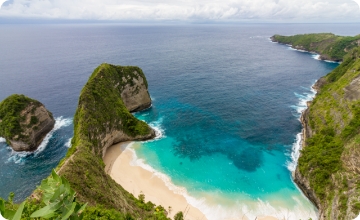
Portugal is one of Europe’s most unique destinations. It is a land of historic cities, vineyards, medieval towns and centuries-old maritime traditions. Visitors can visit UNESCO-listed landmarks, wander around charming cobbled streets, sample traditional Portuguese cuisine and experience a culture developed by centuries of exploration and trade.
The best way to experience Portugal is in a relaxed way that allows the travellers to enjoy its landscapes, culture and everyday life. Portugal tour packages make it easy to plan, including major attractions, regional travel, accommodation and sightseeing.
This guide covers the top places to visit and experiences worth adding to your Portugal itinerary.
Why Visit Portugal?
Many travellers regard Portugal as one of the most rewarding destinations in Europe. Within short travel distances, the country has Atlantic coastlines, wine regions, pilgrimage sites and diverse landscapes. Portugal is perfect for travellers interested in culture, food, history, road trips, and slower travel.
There are many European holiday packages to choose from today, but Portugal is one destination that offers the best authentic local experiences.
Historic Cities and UNESCO Heritage Sites
Portugal is home to 17 UNESCO World Heritage Sites. You can explore places like Sintra, Évora, Guimarães and Coimbra that preserve important chapters of Portuguese history, yet are still accessible for today’s traveller. Visitors can explore many of these sites as day trips from larger cities.
Atlantic Coastlines and Beaches
The Portuguese coastline stretches approximately 1,794 kilometres and offers very different experiences depending on the region. The Algarve is known for its cliffs and sheltered coves, Nazaré for its giant waves, and the Costa Vicentina for its wild and undeveloped beaches. Coastal travel remains one of the main reasons many visitors return to Portugal.
World-Famous Wine Regions
Portugal is one of Europe's most distinctive wine-producing countries. The Douro Valley produces Port wine, Minho produces Vinho Verde, Madeira produces fortified wines, and Alentejo produces rich reds. Vineyard visits often combine wine tasting with scenic drives and river landscapes.
A Strong Food Culture
Portuguese cuisine is closely connected to regional traditions and fresh ingredients. Travellers can enjoy dishes such as bacalhau, grilled sardines, seafood stews and the famous pastéis de nata. You can have food experiences from coastal fishing towns to wine regions to inland communities.
A Destination for All Seasons
You can visit Portugal throughout the year. Beach lovers and festival fans come out in summer; sightseeing and hiking are best in spring and autumn, even though winter is relatively mild in many parts of the country, especially the southern coast.
What Makes Portugal Special?
Portugal has a unique culture that has been shaped by its traditions and history over many years.
The Legacy of the Age of Discovery
Portugal’s history is linked to the evolution of global maritime routes. Travellers can explore historic waterfront districts and maritime museums that tell the story of Portugal's seafaring past. Figures such as Prince Henry the Navigator, Vasco da Gama and Pedro Álvares Cabral remain central to the country’s historical identity.
Manueline Architecture
Manueline architecture is one of the most unique artistic contributions of Portugal. This style features maritime symbols such as ropes, anchors, shells, and navigational motifs carved in stone.
Azulejo Tile Culture
Azulejos are one of the most recognisable cultural symbols of Portugal. Churches, railway stations, palaces, homes, and public buildings across the country display decorative ceramic tiles.
Faith and Pilgrimage Traditions
Portugal is a country with very visible Catholic traditions. Fátima is a pilgrimage destination that draws millions of visitors. Religious festivals, processions and local celebrations continue to be an important part of community life across the country.
The Atlantic and Fishing Heritage
The Atlantic Ocean has shaped Portugal’s relationship with everything from its cuisine to its commerce. Much of the coast is still marked by fishing villages, seafood culture, sardine festivals and maritime traditions that are part of everyday life in many places.
The Portugal Experience
Portugal is best experienced by combining cities, landscapes, food, and local culture rather than focusing on a single destination. Travellers often discover how different each part of the country feels while exploring the many places to visit in Portugal in Portugal.
Lisbon
Lisbon is a city of historic neighbourhoods, riverfront landmarks, and one of Europe’s most distinctive urban landscapes. Different areas, such as Alfama, Belém, and Baixa, reflect the city's history, and Tram 28 offers one of the most popular ways to see the older districts.
Most visitors spend three days or more in Lisbon, to combine the major attractions with time to walk and discover less-known streets and viewpoints. Lisbon is a popular starting point for Portugal tour packages with easy access to many of the country’s most renowned attractions.
Sintra
Palaces, gardens, forests, and hilltop scenery make Sintra a popular destination. The region is one of Portugal’s most unique day trip destinations, with the most visited sites being Pena Palace, Quinta da Regaleira and the Moorish Castle.
Get there early in the morning to beat the crowds, especially in the summer months.
Évora
Évora is one of Portugal's most important historic cities and offers a well-preserved collection of Roman, medieval, and religious landmarks. Its compact centre makes it particularly easy to explore on foot.
Many travellers combine Évora with broader journeys through the Alentejo region and its surrounding vineyards.
Porto
Porto attracts visitors with its riverside settings and strong connection to Port wine. The Ribeira district, Dom Luís I Bridge, and wine cellars across the river remain among the city's most recognisable attractions.
Walking is often the best way to experience Porto, although the city's steep streets can be more demanding than they first appear.
Douro Valley
The Douro Valley is one of Europe's oldest demarcated wine regions and among Portugal's most scenic landscapes. Terraced vineyards follow the river through steep hillsides, creating views that change dramatically throughout the year.
River cruises, train journeys, and winery visits offer different ways to experience the region.
Guimarães
Often described as the birthplace of Portugal, Guimarães preserves an important part of the country's early history. Its medieval centre, castle, and historic squares create one of northern Portugal's most rewarding cultural destinations.
The compact historic district makes the city particularly suitable for a day visit.
Braga
Braga is one of Portugal's oldest cities and an important religious centre. Churches, pilgrimage traditions, and historic architecture play a major role in the city's identity, particularly around Bom Jesus do Monte.
Many visitors combine Braga with nearby Guimarães as part of a northern Portugal itinerary.
Algarve
The Algarve is Portugal's best-known coastal region and attracts visitors with beaches, sea caves, cliffs, and resort towns. Locations such as Praia da Marinha and Benagil are among the most photographed coastal areas in the country.
Travelling beyond the main resort centres often reveals quieter beaches and traditional fishing communities. The region is very popular with people booking honeymoon tour packages because of its dramatic coastline, luxury resorts and romantic sunsets.
Nazaré
Nazaré became known worldwide for some of the biggest surfable waves ever recorded. Today, the town is a thriving fishing community, but it is also a destination for surfers and gawkers from all over the world.
Wave conditions can be very different from one part of the year to the next, with winter being the high season for big-wave viewing.
Madeira
Madeira offers dramatic mountain scenery, coastal viewpoints, sub-tropical vegetation and a long tradition of wine making. The island’s levada walking trails open up landscapes that are very different from those on mainland Portugal.
The weather can change quickly in the mountains, even in the warmer months.
The Azores
Volcanoes, crater lakes, hiking trails, and marine animals: all of these are famous in the archipelago of the Azores. The islands offer a more nature-oriented experience and are often considered one of the best Portuguese destinations for outdoor activities.
Being flexible with travel plans can help, as weather conditions sometimes affect inter-island transportation.
Food and Wine Experiences
Food and wine are central to travelling in Portugal. Regional culinary traditions remain closely tied to local identity, from Port tastings in Porto and Vinho Verde in Minho to seafood along the coast and traditional pastries in Lisbon.
For many visitors, some of the most memorable travel experiences revolve around local restaurants, markets and family-run wineries.
Fado Performances
Listening to the Fado in its natural surroundings is to learn about one of Portugal’s most important cultural traditions. Lisbon and Coimbra have smaller venues that are often more intimate than the larger commercial shows.
Reservations are usually recommended, particularly during popular travel seasons.
Surfing and Atlantic Adventures
Portugal’s Atlantic coast attracts surfers of all skill levels. Costa Vicentina, Nazaré and parts of the Algarve deliver different conditions, from beginner beaches to some of the most challenging waves on the planet.
There are also boat trips, coastal walks and marine excursions to enjoy the connection with the ocean.
Practical Guide to Visiting Portugal
Portugal is one of the easiest countries to explore in Western Europe. The country has a well-developed transport network, modern infrastructure, and relatively short travel distances between major destinations. Portugal works particularly well for travellers who prefer multi-destination itineraries.
How to Get to Portugal
Portugal is well connected through international flights, rail links from Spain, and road networks that connect the country with the rest of Europe.
By Air
Flying is the quickest and most convenient method of getting to Portugal from abroad. Most long-haul travellers arrive in the country via one of its major international airports.
International airports include:
- Lisboa (Airport Humberto Delgado)
- Francisco de Sá Carneiro Airport (Porto Airport)
- Faro Airport (Algarve)
Passengers from India normally have to connect through major hubs such as Dubai, Doha, Frankfurt, Paris, Amsterdam or London to reach Portugal. There are no direct flights between India and Portugal at the moment.
Portugal is also well connected to the rest of Europe through carriers such as TAP Air Portugal, Ryanair, EasyJet, Lufthansa, Air France, and Iberia, making regional travel relatively straightforward.
By Rail
International rail travel to Portugal is possible, although most routes require a connection in Spain. Rail journeys appeal mainly to travellers already exploring multiple European countries.
Popular rail connections include:
- Vigo to Porto (Celta Train)
- Madrid to Lisbon via regional connections
- Madrid to Porto via Spanish rail networks
The Vigo–Porto route is one of the most convenient cross-border rail journeys and takes approximately two and a half hours.
By Road
Travellers visiting both Portugal and Spain often choose to travel by road. The Schengen Area means you can cross borders without routine passport checks, so self-drive itineraries are especially convenient.
The long-distance bus companies operating on the routes between Spain and Portugal are:
- FlixBus
- Alsa
- Rede Expressos
Major routes link Lisbon and Porto with cities such as Madrid, Seville, Vigo and Santiago de Compostela.
Drivers should carry a valid International Driving Permit and check that their rental agreement allows cross-border travel. Travellers often combine Portugal with nearby destinations, so Spain tour packages are a popular addition to broader Iberian itineraries.
Visa Requirements for Portugal
Portugal is part of the Schengen Area. Travellers from many countries, including India, generally require a Schengen Visa before arrival.
If you are travelling through several Schengen destinations, you must apply either through the Portuguese visa process or through the country that is the main point of entry. Requirements, processing times, and documentation may vary based on your nationality and travel plans.
Getting Around Portugal
Portugal has one of the most effective transport systems in Southern Europe. Travel between regions is relatively easy, by train, bus, domestic flight, rental car or city transit.
Typical options for transportation are:
- High-speed trains
- Rail services in the area
- Buses (intercity)
- Domestic flights
- Car rental
- Underground metros in Lisbon and Porto.
- Trams & Local Buses
For those concentrating on mainland Portugal, the train services between Lisbon, Porto, Coimbra and Braga are especially useful.
Rental cars are useful for visiting places like the Douro Valley, Alentejo, Costa Vicentina and smaller towns in the countryside.
What to Carry for Portugal
The weather and landscape of Portugal change from region to region, so a few practical items can make travelling more comfortable.
Here are some essentials:
- Comfortable walking shoes for historic streets and hills.
- Light layers for when the temperature changes
- Sunscreen and sunglasses.
- Sightseeing daypack
- Navigation & photography power bank
- Refillable water bottle
- European travel adapter for outlet
- Light rain jacket in spring and autumn
- Swimwear for coastal areas and islands
- Accommodation details and printed travel documents
If you are visiting Madeira, the Azores or the mountainous areas, know that the weather can change more quickly than in Lisbon or the Algarve.
Food and Daily Costs
Portugal is usually considered one of the better value destinations in Western Europe. Costs vary depending on where you are, how you travel and the season.
Approximate daily costs:
- Budget hotels: ₹6,000–₹12,000 per night
- Mid-range hotels: ₹12,000–₹25,000 per night
- Luxury hotels: ₹30,000+ per night
- Local meals: ₹800–₹2,000
- Restaurant dining: ₹2,500–₹7,000
- Intercity train tickets: ₹1,500–₹6,000
- Wine tastings and tours: ₹2,000–₹8,000
Lisbon, Porto, and popular Algarve resorts tend to be more expensive than smaller towns and inland regions.
Planning Your Trip
Portugal can be explored in a short city break or as part of a longer multi-region itinerary. The ideal trip length depends on how much of the country you want to see.
4–5 Days
- Lisbon
- Sintra
- Belém
- Fado experience
- Day trip to Cascais
This itinerary works well for travellers focusing on central Portugal and major cultural attractions.
7–10 Days
- Lisbon
- Sintra
- Porto
- Douro Valley
- Coimbra
- Braga or Guimarães
This is one of the most popular Portugal itineraries and balances cities, history, and wine regions.
12–14 Days
- Lisbon
- Sintra
- Porto
- Douro Valley
- Coimbra
- Braga
- Guimarães
- Algarve
This route allows travellers to experience Portugal's major highlights without rushing between destinations.
Longer Portugal Trips
Travellers with additional time often include:
- Madeira
- Azores
- Évora
- Alentejo
- Costa Vicentina
- Nazaré
- Óbidos
These places offer a deeper viewpoint on Portugal’s landscapes, regional culture and off-the-beaten-track places. When planning a longer European trip, travellers exploring multiple countries often compare Portugal itineraries with Spain tour packages.
Best Time to Visit Portugal
The Portugal tour packages offer different experiences depending on the weather, regional events, and the level of crowds during different seasons.
| Season | Good For | Watch Out For |
|---|
| March to May |
Sightseeing, hiking, and city breaks |
Occasional rain |
| June to August |
Beaches, festivals, and coastal travel |
High temperatures and crowds |
| September to October |
Wine regions, photography, and pleasant weather |
Shorter daylight hours |
| November to February |
Fewer tourists, lower prices, and city exploration |
Cooler weather and occasional rain |
Spring and autumn are the most comfortable seasons for exploring multiple regions of Portugal.
Things to Know Before You Go
A few practical details can make travelling in Portugal easier:
- Lisbon and Porto involve more uphill walking than many visitors expect.
- Book Douro Valley accommodations early during harvest season.
- Algarve beaches become extremely busy in summer.
- Public transport is reliable between major cities.
- English is widely spoken in tourist areas.
- Many museums close on specific weekdays.
- Restaurant dining starts later than in many countries.
- Comfortable footwear is essential for historic cobbled streets.
- Smaller towns may have reduced opening hours in the afternoons.
Portugal is generally straightforward to explore, and travellers who combine major cities with smaller towns and regional experiences often enjoy the most rewarding trips. Whether you’re looking for family tour packages, cultural journeys or relaxed coastal escapes, Portugal has it all and more.
Plan Your Journey with Portugal Tour Packages
Portugal has so much more to offer than most travellers think. From the historic streets of Lisbon and Porto, to the vineyards of the Douro Valley, the beaches of the Algarve, and the volcanic landscapes of the Azores and Madeira, the country is a combination of culture, history, food and natural beauty in a single rewarding destination.
At EaseMyTrip Holidays, we offer the best Portugal tour packages at affordable prices. We make your European vacation memorable and hassle-free with curated itineraries, bookings, 24*7 travel support and exclusive travel offers.


 AED
AED  THB
THB  USD
USD GBP
GBP








 Compare Packages(0{{CompPack.length}})











 Compare Packages