Travel Tips

Balancing Career Goals with Your Desire to Explore the World

Anushka Pandey Calendar March 11, 2026

There’s a particular kind of restlessness that ambitious people don’t talk about much.

It doesn’t look dramatic. It shows up quietly. During a late evening at the office. During a commute that feels longer than usual. During a scroll through flight deals that no one asked for.

The career is moving forward. Deadlines are being met. Reviews are positive.

And still.

There’s this pull.

Not to quit everything. Not to disappear into a backpacker fantasy. Just to go somewhere else for a while. To see something unfamiliar. To feel movement that isn’t tied to a calendar invite.

That tension between ambition and curiosity is more common than people admit.

And it raises a practical question.

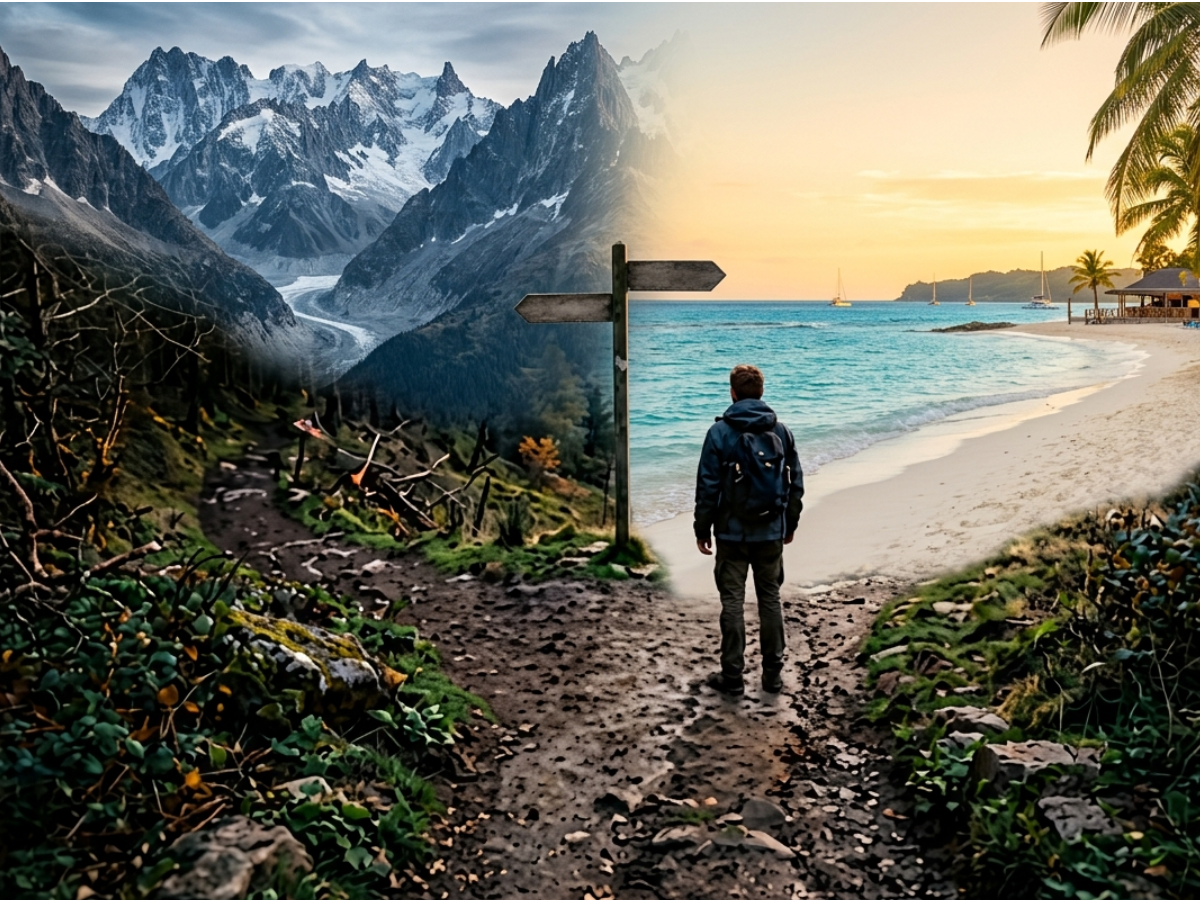
Is career and travel balance actually possible, or does one always dilute the other?

The answer is not dramatic.

But it isn’t simple either.

The Old Story About Success

The Old Story About Success

For a long time, the narrative was linear.

Study hard. Work hard. Climb. Stabilize. Travel later.

Later became the reward.

But careers are longer now. Retirement feels abstract in your twenties and even in your thirties. Waiting decades to explore the world feels… excessive.

At the same time, ambition doesn’t switch off. Most professionals genuinely care about growth. They want promotions. Skill development. Financial security.

So the conflict isn’t between work and laziness.

It’s between work and aliveness.

That’s where the idea of a work and travel lifestyle begins to make sense. Not as an escape, but as a redesign.

What “Explore While Working” Really Looks Like

What “Explore While Working” Really Looks Like

Let’s lower the glamour a bit.

Exploring while working does not usually mean typing emails from a hammock in perfect lighting.

More often it looks like:

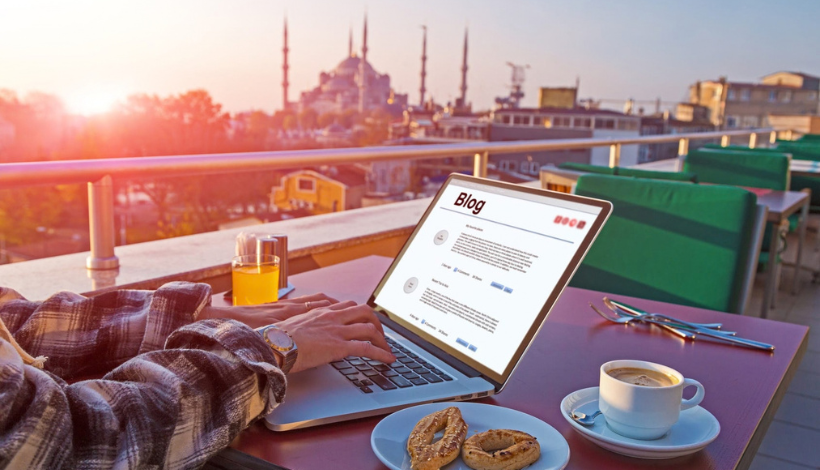
Answering Slack messages from a rented apartment in another city. For professionals working remotely while travelling, using the top tech gear for remote work travel can make productivity much easier on the move.
Taking a morning call before heading out to explore in the afternoon.
Adjusting to a different time zone and miscalculating it once.

It’s normal life, relocated.

The difference isn’t aesthetic. It’s environmental. When planning longer trips abroad, following an international travel checklist for essential preparations can prevent last-minute stress.

A new street outside the window changes perspective more than expected. Even small changes in surroundings affect energy.

Career and travel balance sometimes comes down to that simple shift. Same job. Different view.

And sometimes that’s enough.

The Fear That It Will Derail Everything

The Fear That It Will Derail Everything

Ambitious professionals carry a quiet fear.

If they loosen their grip even slightly, will momentum disappear?

Will taking a month to travel slow down advancement? Will colleagues move ahead?

This fear isn’t irrational. Some industries reward constant visibility. Some managers value physical presence.

But here’s the part that’s often overlooked.

Burnout slows momentum too. Many professionals eventually realise why taking a trip can be the best cure for burnout, especially when constant pressure begins affecting productivity and motivation.

Monotony dulls creativity.

Travel motivation for professionals often grows not from boredom with work, but from wanting to protect their long-term energy for it.

A short period away can sharpen focus. It can reconnect someone to why they started in the first place.

Distance clarifies. Stepping away briefly can also demonstrate how travel helps restore work-life balance, allowing professionals to return with renewed focus and energy.

The Reality of Planning It

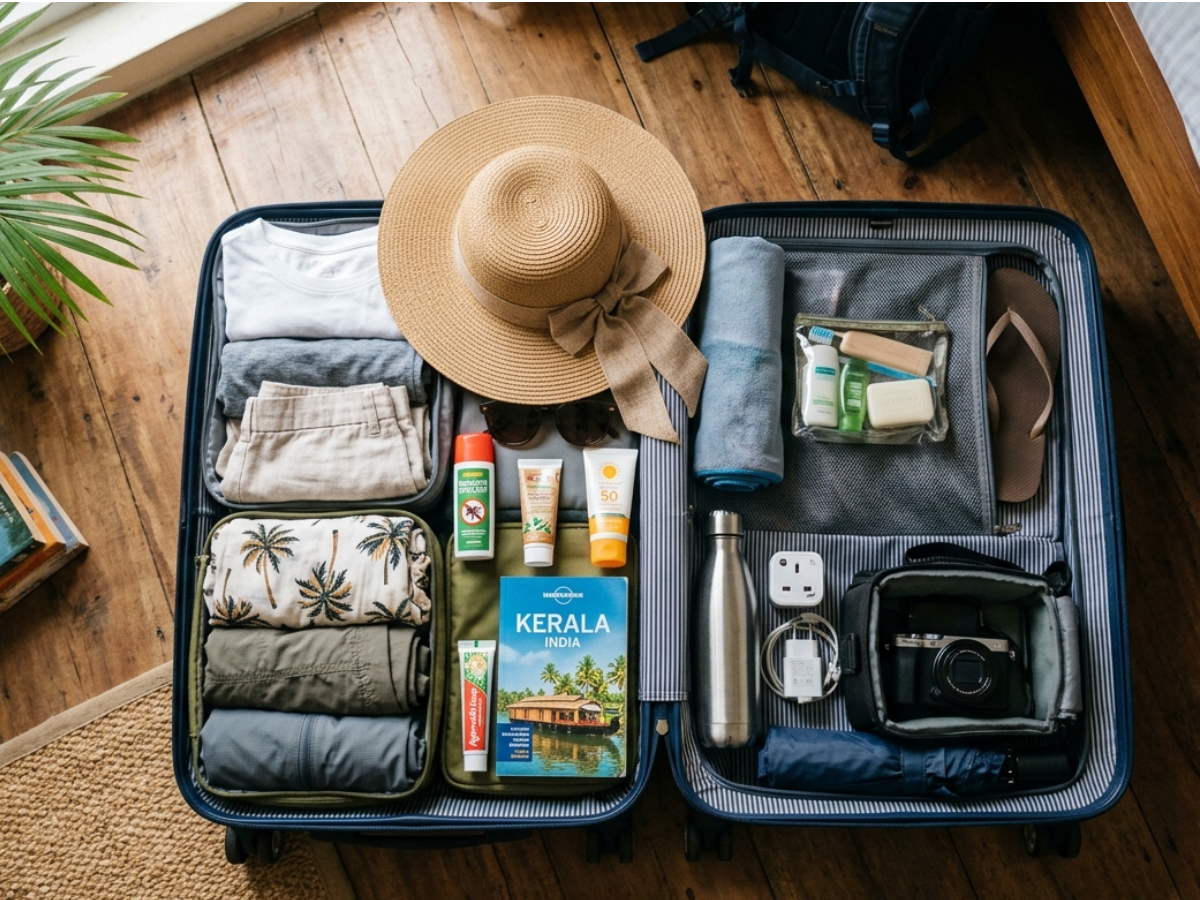
None of this works without structure. Preparation also includes smart packing, and this ultimate guide to packing for your epic journey helps travellers organise essentials efficiently.

Romantic ideas collapse without financial stability. A work and travel lifestyle requires numbers to make sense.

Savings matter. Emergency funds matter. Travellers can also use travel hacks to save money in 2026 to reduce costs while planning regular trips without disrupting financial stability. Clear agreements with employers matter.

Some professionals negotiate remote days gradually. Others use leave strategically. A few shift into freelance or contract roles to gain location flexibility.

There isn’t a single path. Frequent travellers often rely on travel hacks used by professional travellers to save thousands, especially when planning multiple trips each year.

There’s only the honest assessment of what’s possible right now.

And “right now” changes.

In early career years, exploration might be limited to shorter trips. In mid-career phases, remote flexibility might increase. Later, leadership roles might demand physical presence again.

Balance is seasonal.

It’s not static.

Digital Nomad Inspiration Versus Real Life

Digital Nomad Inspiration Versus Real Life

Scrolling through digital nomad inspiration can create unrealistic expectations.

It often highlights extremes. Constant movement. Exotic locations. A sense of total detachment from traditional structures.

But most professionals don’t want to detach completely. They want continuity. Stability. Growth.

The middle ground rarely trends on social media.

That middle ground looks like spending three weeks working from another country while maintaining full productivity. Or relocating to a different city for a quarter. Or simply deciding to take meaningful trips each year without apology.

It’s less cinematic.

It’s more sustainable.

For those travelling with loved ones, planning fun activities to do as a family while travelling can make short breaks more memorable.

Growth Happens in Both Directions

Career builds certain muscles.

Discipline. Strategic thinking. Accountability. Negotiation skills.

Travel builds others.

Adaptability. Cultural awareness. Self-reliance. Patience when things don’t go to plan.

Personal growth through experience doesn’t belong exclusively to one domain.

In fact, professionals who explore while working often notice crossover benefits. Better communication with global teams. Increased creativity. Broader problem-solving approaches.

Exposure changes perspective. Many professionals also experience personal growth through solo travel for self-discovery and confidence building when they explore independently.

Perspective influences performance.

It’s not mystical. It’s practical.

The Guilt That Sometimes Shows Up

Even when logistics align, guilt can linger.

Colleagues are working long hours. Is it irresponsible to answer emails from a coastal town? Does ambition require visible sacrifice?

These questions surface more than people admit.

But visibility isn’t the same as productivity.

If output remains strong, location becomes secondary.

Career and travel balance depends less on optics and more on results.

The modern workplace is slowly adapting to this idea.

Slowly.

When It Doesn’t Work

There are periods when career demands spike. Product launches. Promotions. Transitions. Economic uncertainty.

During those times, travel may shrink to weekends or disappear entirely.

That doesn’t mean failure.

Balance doesn’t mean equal distribution every month. It means long-term alignment with personal values.

Some years will lean heavily toward professional growth. Others will allow more exploration.

The key is conscious choice, not passive drift.

A Practical Snapshot

Focus Area

Career Only Approach

Integrated Approach

Time Allocation

Nearly all energy directed toward work

Work prioritized, but exploration intentionally included

Environment

Stable and predictable

Periodically changed

Skill Growth

Professionally concentrated

Professionally and culturally broadened

Energy Levels

Risk of monotony

Renewed through change

Neither column guarantees happiness.

But for some professionals, integration feels more sustainable.

Redefining What Success Looks Like

Redefining What Success Looks Like

Success used to feel narrow.

Title. Salary. Office size.

Now, for many, success includes autonomy.

Being able to choose location occasionally. Being able to explore without sabotaging career growth. Being able to design a work and travel lifestyle that doesn’t feel reckless.

It’s not about abandoning structure.

It’s about expanding the definition.

Travel motivation for professionals isn’t escapism when done intentionally. Some travellers even explore genius ways to travel the world for under $50 a day to extend their journeys while keeping expenses minimal It’s a desire for a fuller life, not a smaller career.

Those two things can coexist.

Not perfectly.

But realistically.

FAQs

1. Is career and travel balance achievable in demanding industries?

It can be, depending on flexibility within the role. Some professionals negotiate remote arrangements or take concentrated travel breaks between major projects.

2. What does a work and travel lifestyle actually involve?

It involves maintaining professional responsibilities while periodically working from different locations or integrating travel into structured breaks.

3. How can someone explore while working without damaging credibility?

Clear communication, consistent output, and realistic scheduling are essential. Performance must remain strong regardless of location.

4. Is digital nomad inspiration realistic for most professionals?

Often it needs adaptation. Full-time nomad life isn’t practical for everyone, but partial flexibility can still provide meaningful change.

5. How does travel motivation for professionals support long-term goals?

Travel can refresh energy, broaden perspective, and strengthen adaptability, all of which contribute to professional resilience.

6. Should early-career professionals prioritize travel or advancement?

There isn’t a universal rule. Short, intentional travel experiences can coexist with steady career building.

A Middle Path That Feels Human

The choice isn’t binary.

It’s rarely about abandoning ambition or suppressing curiosity.

Balancing career goals with the desire to explore the world is less about dramatic decisions and more about thoughtful adjustments.

A week here. A month there. Choosing budget-friendly destinations for 2026 can make it easier for professionals to travel regularly without compromising financial goals. A conversation with a manager. A shift in mindset.

The world doesn’t disappear while someone builds a career.

And a career doesn’t collapse because someone stepped away briefly.

Sometimes, the steadiness of work supports exploration.

Sometimes, exploration strengthens commitment to work.

And when both are allowed space, the tension softens.

Not completely.

But enough to move forward without feeling split in two.

Like
Liked
Share Share
Comments ({{commentLength}})
  • {{cmnt.userId.substring(0,1)}} {{cmnt.userId}}

    {{cmnt.comment}}

Location Icon From
  • Flight

    {{fra.City}}

    {{fra.AirportName}}

    {{fra.Country}}
Location Icon To
  • Flight

    {{to.City}}

    {{to.AirportName}}

    {{to.Country}}

Calender Icon Departure Date

Travellers Icon Travellers & class
1 Traveler
Search Flights
Location Icon Enter City name
  • Flight

    {{hca.name}}

Calender Icon Check-In

Calender Icon Check-Out

Guests & Room
{{hotelGuest}} Guests {{totalRoom}} Room
Search
Location Icon From
Cities
Location Icon To
Cities

Calender Icon Pickup Date

Pickup Time

Search
Location Icon Source City
Location Icon Destination City
Departure Date
Search
Location Icon Source City
Location Icon Destination City
Departure Date
Search
Location Icon Destination Name
  • {{ct.city}}

Search