December does something odd to the world. Days get shorter, temperatures drop, and instead of hibernating sensibly, we humans decide to throw massive celebrations involving lights, music, and gathering in crowds despite the cold.
Cities and villages transform. Everyday streets suddenly have markets and processions. Communities that normally keep to themselves open up and invite strangers to join celebrations that have been happening for centuries. Winter might bring darkness, but culturally it's one of the brightest, liveliest months around.
This guide looks at winter festivals worth actually travelling for - not just pretty lights you can photograph, but celebrations that give you proper insight into how different cultures mark the year's closing. From European Christmas markets that have existed since mediaeval times to spiritual gatherings across Asia, these December festivals let you experience places when they're most animated and welcoming.Not everyone approaches December travel the same way, and understanding what kind of December traveler you are often helps narrow down which festivals and destinations will actually suit your pace and preferences.
Why Bother Travelling for Festivals
Festival season changes how destinations feel. There's energy and warmth that doesn't exist during regular months, even when it's freezing outside.
What actually happens:
- Places feel more alive and animated than usual tourist experiences
- Communities become more welcoming and open to outsiders
- You see customs and traditions that aren't performed the rest of the year
- Food, music, rituals specific to the season appear
- Opportunities for genuine interaction with locals increase
Regular sightseeing shows you monuments and museums. Festival travel shows you how people actually celebrate, what matters to communities, and how traditions survive in modern contexts. There's a togetherness to it that makes December travel feel warmer despite the weather.
European Winter Celebrations
Many European cities featured here regularly appear among the best Christmas destinations in the world, particularly for travellers seeking long-standing festive traditions..Europe's built its December identity around long-standing winter festivals. These aren't recent tourism inventions – many stretch back centuries.
- Christmas Markets - Germany
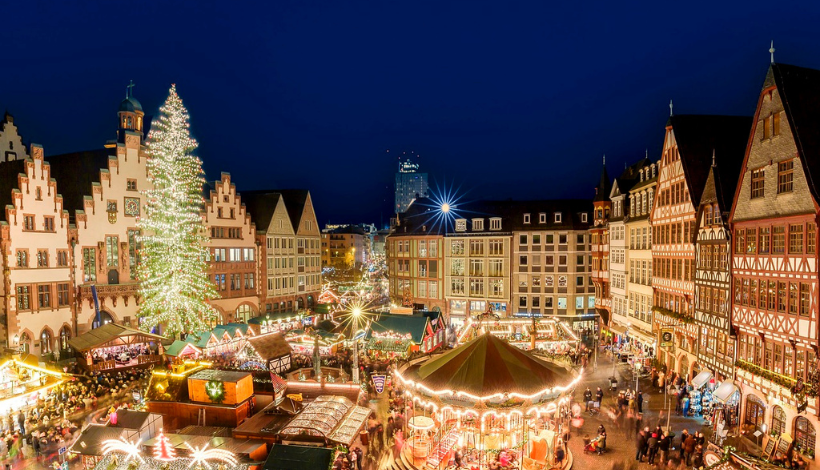
German Christmas markets have been running since mediaeval times, which is frankly impressive considering how much history has tried to disrupt them.
Held throughout December in cities like Munich, Cologne, Nuremberg, and honestly dozens of others. Each city claims theirs is the "most authentic" or "most traditional". They're mostly all brilliant in their own ways.
What you're getting:
Wooden stalls selling handcrafted ornaments, candles, and decorations. Food stalls with bratwurst, roasted almonds, and gingerbread. Mulled wine (glühwein) served in mugs you can keep as souvenirs. That particular smell of cinnamon, cloves, and wood smoke that defines German Christmas markets.Cities that balance tradition, scale, and walkability often rank among the best cities to spend Christmas, especially for first-time festival travellers.
Why it works:
These markets are genuinely part of German winter culture, not performances for tourists. Locals go regularly throughout December. The atmosphere's authentic because it's real seasonal tradition, not a manufactured festive experience.
Reality check:
Popular markets get absolutely rammed, especially weekends and evenings. Weekday afternoons offer better experiences with manageable crowds.
Celebrated on 13th December, marking the year's darkest period with light and song.
What happens:
Candlelit processions led by a girl wearing white robes and a crown of candles. Traditional songs performed in churches, schools, and public spaces. Saffron buns (lussekatter) are eaten throughout the day.
Why it matters:
Sweden's relationship with winter darkness is profound - light festivals carry real cultural weight. St. Lucia Day isn't just pretty ceremony; it's how Swedes acknowledge and push back against the darkest days.
Worth knowing:
Most meaningful celebrations happen in smaller towns and communities rather than big city tourist versions. Stockholm has events, but experiencing this in smaller Swedish towns feels more genuine.
- Winter Solstice at Stonehenge - UK
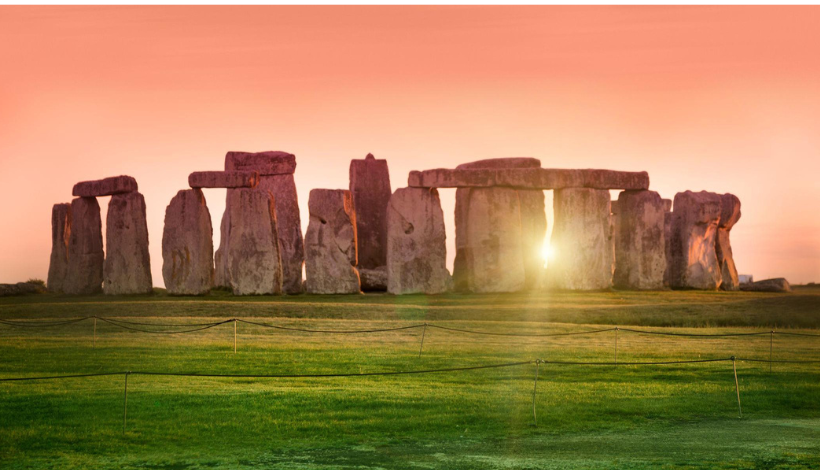
21st December brings people to Stonehenge for sunrise, marking the year's longest night.
What you get:
Free access to the stones (usually not allowed). Crowds gathering before dawn. Druids, pagans, curious tourists, and locals all mixed together waiting for sunrise. Various drumming, chanting, and celebrations happening around the stones.
Why bother:
Connection between ancient monument and modern celebration. Stonehenge was built with solstice alignments in mind - experiencing it on the actual solstice day has a weight that regular visits don't.
Reality:
Gets cold. Properly cold. You're standing in a field at 5am in December. Pack accordingly. Also extremely popular - thousands attend. Either embrace the crowds or it'll frustrate you.
- Winter Lights Across France
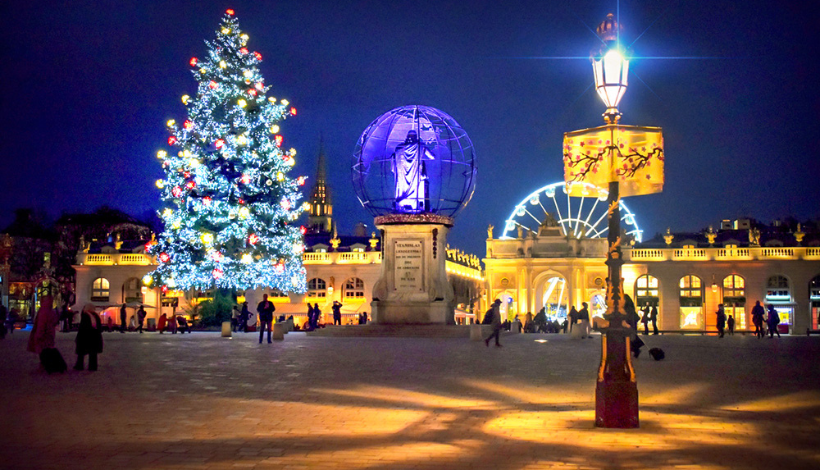
While Lyon's main Fête des Lumières happens earlier, many French cities continue light-focused events throughout December.
What to expect:
Artistic light installations. Historic buildings illuminated creatively. Evening walking routes designed around illuminations. Hot wine and seasonal food stalls.
Why it's good:
French cities are beautiful normally. Add artistic lighting and a December atmosphere, and they become genuinely magical without feeling artificial or forced.
Best approach:
Smaller cities often have better experiences than Paris - less crowded, more manageable, still stunning.
Asian December Festivals
Asia's December celebrations reflect completely different traditions - religious diversity, cultural variety, seasonal observances that don't centre on Christmas.
- Philippine Christmas Season
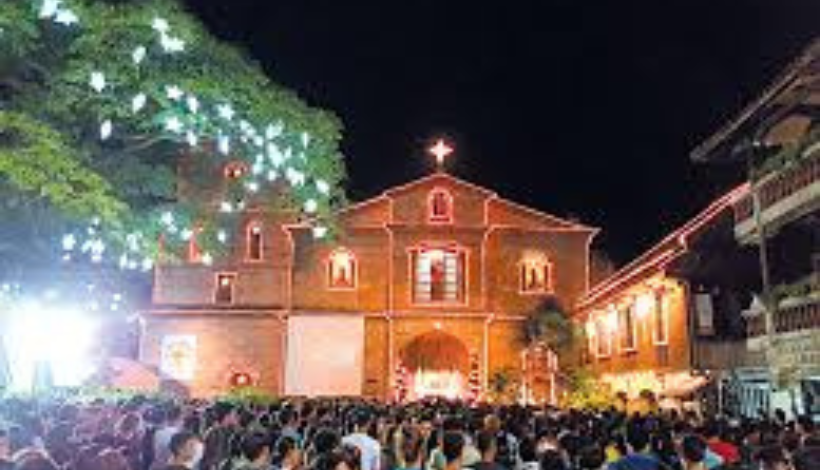
Philippines starts celebrating Christmas in September. By December it's reached peak festive intensity and doesn't stop until early January.Experiencing Christmas abroad becomes more meaningful when travellers understand the best ways to celebrate Christmas while travelling, rather than simply replicating celebrations from home.
What happens:
Streets covered in lights and decorations. Community gatherings and night-time processions. Endless festive music. Markets selling traditional foods and decorations. Midnight masses that are major social events.
Why it's remarkable:
Longest Christmas celebration globally. The enthusiasm's genuine rather than commercial – it's deeply rooted in Catholic tradition mixed with Filipino cultural identity.
What surprises visitors:
How seriously Filipinos take Christmas. This isn't subtle celebration - it's everywhere, constant, and genuinely joyful rather than feeling forced or performative.
- Hornbill Festival Extensions - North East India
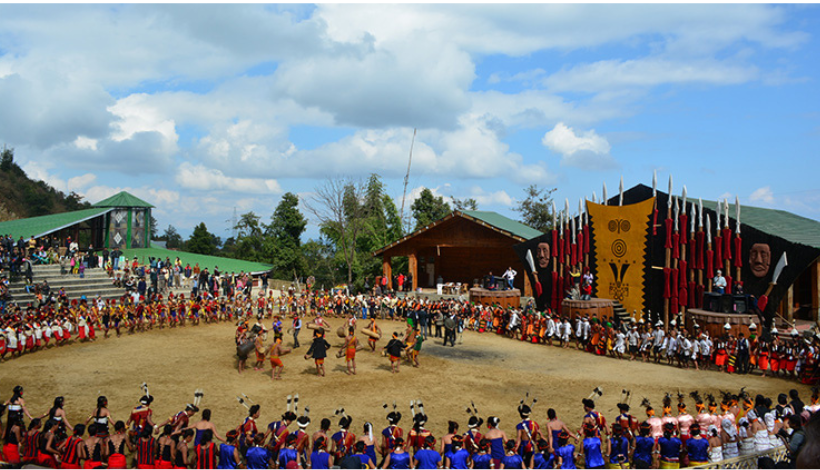
Main festival happens late November/early December in Nagaland, but cultural events and celebrations often extend into mid-December.
What you experience:
Tribal dances from different Naga groups. Traditional music and instruments. Craft demonstrations. Local cuisine that most of India never sees. Cultural performances explaining indigenous heritage.
Why it matters:
Rare opportunity to experience North East India's tribal cultures that remain distinct from mainstream Indian culture. Heritage that's actively practised rather than museum-preserved.
Worth noting:
Requires planning - Nagaland isn't on typical India tourist routes. Permits needed. Infrastructure's basic compared to major Indian destinations. But experience is genuinely unique.Cultural festivals like these often overlap with journeys to offbeat places to visit during winters, where traditions remain deeply rooted and less commercialised.
- Thai Temple and Lantern Festivals
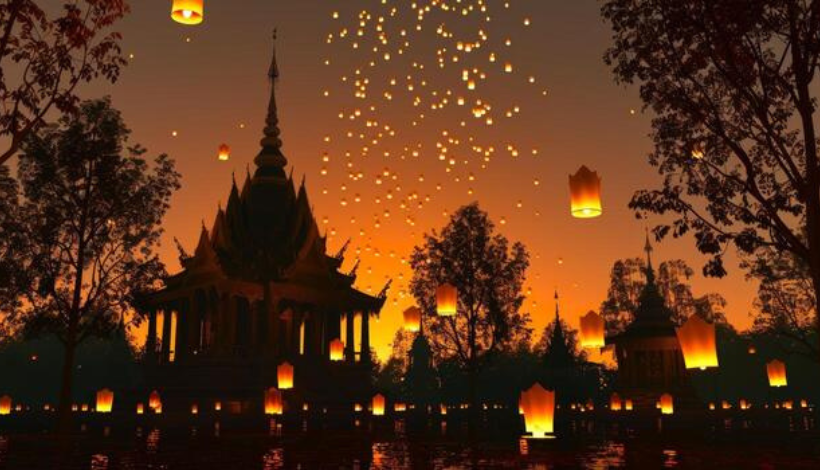
December sees various regional festivals tied to Buddhist traditions across Thailand.
What to expect:
Temple fairs with evening activities. Lantern displays and releases (region-dependent). Food stalls around temple grounds. Evening processions and ceremonies. Quieter, more contemplative celebrations compared to European festivals.While many December festivals are rooted in tradition, some travellers prioritise energy and nightlife, gravitating toward destinations known for the best Christmas parties worldwide.
Why they work:
Spiritual celebrations that welcome visitors without being religious tourism. You're observing and sometimes participating in actual religious practice rather than cultural performance.
Approach:
Respectful dress and behaviour are expected. These are working religious events. Beautiful and welcoming, but not entertainment designed for tourists.
- Chinese Winter Solstice Festival (Dongzhi)
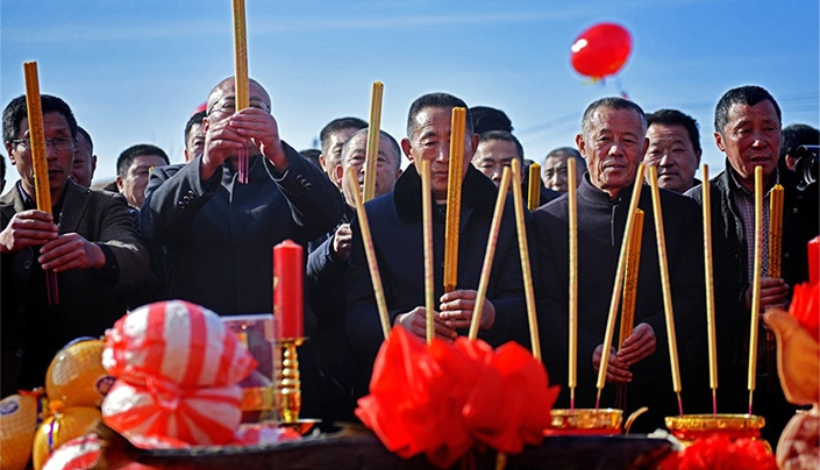
Usually falls around 21st-22nd December. Traditional celebration marking seasonal change.
What happens:
Family gatherings centred around meals. Special foods like tangyuan (sweet rice balls) are eaten together. Quiet domestic celebration rather than public festival.
Why include it:
Understanding how major cultures mark December beyond Christian-focused celebrations. Most visible in Chinese communities globally rather than being a big public event.
For travellers:
Not really a tourist festival. But understanding it adds context if you're in China or Chinese communities during late December.Travellers less inclined toward cold-weather celebrations often compare festival travel with escapes to top winter sun destinations worldwide.
Actually Planning Festival Travel
Festival-focused trips need more structure than casual holidays, and following a reliable winter travel planning guide for December trips helps avoid last-minute chaos.Festival trips need more preparation than regular travel. December festivals especially require early planning.
Book Ridiculously Early
Flights: Minimum two to three months ahead for popular festival destinations. Cities like Munich, Stockholm, or Manila during peak festival times? Book earlier still.
Hotels: Near festival locations sell out first and fastest. If you want to stay centrally, book as soon as dates are confirmed. Waiting until a month out means expensive options or locations far from everything.
Transport prices climb: Closer to festivals, train tickets, bus routes, and even taxis get more expensive. Early booking saves money and stress.
Managing Crowds Without Losing Your Mind
Popular festivals mean crowds. Either accept that or plan around it.
What helps:
- Weekday visits instead of weekends where possible
- Morning hours are quieter than evenings
- Stay slightly outside main festival zones if you value sleep
- Accept that peak moments (Christmas market Saturday evenings, midnight mass on Christmas Eve) will be packed
Crowd management makes the difference between enjoying festivals and just being frustrated by humanity.
Weather Reality
December means winter in Northern Hemisphere destinations. Plan accordingly.
Pack properly:
- Layers, not single heavy jacket
- Waterproof outer layer for rain or snow
- Comfortable shoes with grip (ice exists)
- Hat and gloves, even if you think you won't need them
Check forecasts closer to travel:
December weather changes rapidly. Forecasts from weeks away are meaningless. Check again a few days before departure.
Cold and wet can ruin experiences if you're unprepared. Pack as though the weather will be worse than expected, and then you're pleasantly surprised rather than miserable.Travellers who enjoy festive atmospheres without extreme cold often look towards destinations listed among the best places to visit in December with pleasant weather.
Why These Festivals Matter
December festivals aren't just pretty decorations and photo opportunities.This seasonal momentum is also why many travellers recognise why December is the best time to plan New Year travel, combining festivals with year-end breaks efficiently. They're how communities mark the year's closing, how traditions continue despite everything changing around them, and how people find warmth and connection during the darkest time of year.
European Christmas markets show centuries-old trading traditions adapted to modern contexts. Swedish light festivals acknowledge seasonal darkness honestly. Philippine Christmas celebrates faith and community over three months. North East India's festivals preserve indigenous culture under enormous pressure to assimilate. Thai Buddhist festivals offer a contemplative alternative to commercial Christmas.
It's cultural travel that feels alive rather than museum-preserved. Worth the crowds, worth the planning, worth the cold. Because December festivals show you not just where places have been, but how they continue being themselves despite everything modern life throws at tradition.
Pack warm. Book early. Accept crowds. Experience cultures when they're genuinely celebrating rather than just existing for tourists.
That's where the good December travel stories come from.






 December 24, 2025
 Share
Share
 Download as PDF
  From
From 
 Departure Date
 Travellers & class
 Rent For
 Departure Date

 Share
Share
{{cmnt.comment}}