Summer train travel in India is not the same category of experience as a December journey on the same route. The heat begins before the train does on the platform, in the waiting room, and in the first ten minutes inside a coach that has been sitting in the sun at a station. By the time the train moves and the AC kicks in or the fans build speed, the passenger has already made several decisions about what they packed, what they are wearing, and whether they filled their bottle that will define the next twelve hours.
Summer train travel tips exist in abundance, but most address surface-level concerns. This guide goes further than the specific decisions that experienced summer rail travellers make before, during, and after the journey that make a May overnight run through Rajasthan or a June morning crossing of the Deccan plateau something other than an ordeal. First-time travellers planning summer train journeys can also benefit from these practical train ticket booking tips that make the entire travel experience smoother and more organised.
Why Summer Train Travel Requires Different Planning
The summer train season in India runs roughly from April through June, with the peak heat window falling between mid-April and mid-June across the north Indian plains. During this period, ambient temperatures on the platforms of major junctions in Delhi, Jaipur, Nagpur, Hyderabad, and Allahabad regularly exceed 42 to 45 degrees. Sleeper-class coaches without air conditioning see interior temperatures that track closely with the outside air when stationary and drop only partially at speed.
The risks are not hypothetical. Dehydration, heat exhaustion, and heat-related illness are real outcomes for passengers who underestimate the thermal demands of a long-distance train journey in peak summer. The difference between a comfortable summer journey and a dangerous one is largely preparation, specifically the decisions about hydration, clothing, berth selection, and packing that are made before boarding.
Before the Journey: The Decisions That Matter Most
Berth Selection in Summer
The train journey during summer heat begins with berth choice. In AC coaches 1A, 2A, and 3A, berth position matters less than the functioning of the air conditioning, which varies by coach and by journey. The upper berth in the AC 3-tier is closer to the cold air vents in most coaches, which makes it cooler than the lower berths in well-functioning AC coaches but significantly warmer if the AC is not maintaining temperature. In practice, booking a lower berth in an AC 3-tier, it provides more temperature stability because the passenger is further from the ceiling, where heat accumulates when the AC underperforms.
In Sleeper Class non-AC, the upper berth is the hottest position in the coach during the day, sitting directly below the metal roof that absorbs the sun's heat through the afternoon. The lower berth is cooler both from natural convection and from the fan airflow. For daytime travel in Sleeper, the lower berth is worth the additional booking cost. Side-lower berths provide cross-ventilation from both the corridor and the window, whereas centre-bay berths do not.
Clothing Choices for Summer Train Travel
Summer train packing for clothing has two requirements that are partly contradictory: lightweight and breathable fabric for the heat, and a layer that can be added for AC coaches that are set cold. Indian Railways AC coaches are often set to temperatures between 18 and 22 degrees, comfortable after a 45-degree platform, and aggressive after four hours when the body has adjusted. Carrying a light cotton shawl or a full-sleeve layer in the bag rather than wearing it resolves this without requiring a wardrobe change.
Natural fibres, cotton and linen, manage body temperature better than synthetics in sustained heat. A cotton kurta or loose-fit cotton trousers are more comfortable across a twelve-hour summer journey than jeans or synthetic sportswear, regardless of what the passenger was wearing before boarding.=
Hydration: The Most Critical Summer Train Travel Tip
Hydration during train travel in summer is the single most important practical consideration and the one most frequently managed poorly. The specific failure mode is not forgetting to drink it is underestimating how much water is needed across a long journey in a hot environment.
A general baseline for hydration in Indian summer conditions is three to four litres of water per day for an active adult. On a train journey where the passenger is largely sedentary but the environment is hot particularly in Sleeper Class the lower end of this range still applies, and the absence of physical activity does not reduce the fluid requirement as much as intuition suggests.
Carrying a two-litre insulated bottle filled at the last opportunity before boarding provides enough water for the initial portion of the journey without dependence on the pantry trolley, which does not appear on a fixed schedule. Electrolyte sachets or ORS packets available at pharmacies for a few rupees are worth carrying for longer journeys. Plain water does not replace the salts lost through perspiration, and on a full-day summer journey, the difference between water-only hydration and electrolyte replacement is noticeable by the afternoon.
Train comfort summer hydration also extends to avoiding excessive caffeine, which is dehydrating, and very cold water on an empty stomach during peak heat, which can cause cramping. Room-temperature or lightly cooled water is more comfortable for sustained hydration than ice-cold water from a cooler.
Managing the Compartment Temperature
Cooling train compartment approaches vary significantly by coach type.
In the Sleeper Class, the primary cooling tools are the ceiling fans and the window. The optimal configuration for maximum air movement is a window open and a fan on high, straightforward, but often in conflict with co-passengers who find the draft uncomfortable or who close the window at stations and forget to reopen it. Carrying a small personal battery-operated fan is not an overcautious response to this it is a practical tool for the upper berth passenger in a coach where the overhead fan is not directly above their berth.
Curtains on the window-side berths should be drawn during the afternoon when direct sun is striking the window glass. A closed window with the sun on it heats the interior; a window with the curtain drawn and a light gap for air is significantly cooler.
In AC coaches, the cooling train compartment problem inverts the issue, which is often that the coach is too cold rather than too warm, particularly during overnight runs when the AC setpoint does not adjust for the lower outside temperature after midnight. Having a blanket accessible from the railway-provided bedding roll or a personal one for passengers in non-bedding-roll classes addresses this without requiring adjustment of the AC controls, which are typically not passenger-accessible.
Food and Eating on Summer Trains
Heat-safety for train travel extends to food choices. Hot weather significantly accelerates the spoilage of perishable foods, and food that was safe to eat at the point of purchase may not be safe several hours later on a warm train. The general principle for summer train- season food is to carry dry, non-perishable items: nuts, cereal bars, dried fruit, and roasted chana rather than cooked food prepared before the journey.
Pantry car food on most express trains is cooked onboard and served hot, which is generally safer than cold pre-prepared food carried from home in summer. The quality varies by train and route, but the heat-safety consideration favours freshly prepared food over home-packed cooked food on longer summer journeys.
Avoid very heavy or rich meals during the hottest part of the journey, typically the afternoon crossing of the plains. The digestive system works harder in heat, and a heavy meal at 2pm on a 44-degree afternoon in a Sleeper coach is more taxing than the same meal at 8pm.
What to Pack for Summer Train Travel
Summer train packing list beyond clothing and water:
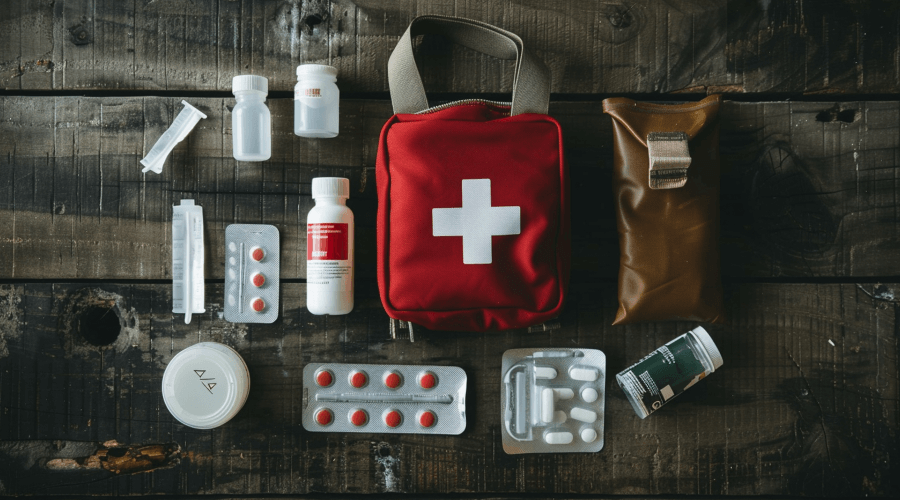
Taking a small towel or cooling cloth and running it under water at the washbasin and placing it on the back of the neck or forehead is one of the most immediately effective heat-safety-for-train-travel strategies available without any technology. A battery-operated personal fan for sleeper class journeys. ORS or electrolyte sachets. Sunscreen for station platform time. Earplugs and eye mask for overnight journeys where the heat makes it harder to sleep than the noise. A power bank charging point in older coaches is limited and may be occupied.
How EaseMyTrip Makes Summer Train Booking Smarter
The summer train season is one of the most competitive booking windows of the year on Indian Railways. School holidays, examination travel, and the pre-monsoon family visit window all compress demand into the same April to June period, and trains on popular routes fill weeks ahead of departure.
EaseMyTrip's train booking platform surfaces berth availability across all classes in a single search, including the berth position lower, middle, upper, or side-lower that matters specifically during summer for the reasons above. The platform's AI-powered availability alerts notify travellers when preferred berths open following cancellations, which happens frequently in the 48 hours before departure as the waitlist clears.
For summer train travel tips planning that involves multiple legs a connecting journey that requires an overnight in an intermediate city the platform's multi-leg booking tools help identify the best combination of trains and berths without managing each segment as a separate search. As AI becomes more capable of surfacing season-specific booking recommendations suggesting AC coaches during peak summer heat periods, flagging berth positions that perform better in the heat EaseMyTrip is developing towards a platform that builds the right booking for the specific journey conditions rather than presenting a generic list of available trains. For a season where the difference between a comfortable and an uncomfortable journey comes down to berth position and class selection, that kind of contextually aware booking support makes a practical difference.
FAQs
Q: What are the most important summer train travel tips for a long-distance journey?
The most impactful summer train travel tips for long-distance travel are to book AC class where the budget allows and select lower berths rather than upper for temperature stability, carry a two-litre insulated bottle and electrolyte sachets for hydration, wear loose cotton rather than synthetic or tight clothing, pack dry non-perishable food rather than cooked food from home, and carry a damp cooling cloth and personal fan for Sleeper class journeys. These decisions address the main physical comfort challenges of summer rail travel before they become problems on the train.
Q: How much water is needed for hydration during train travel in summer?
Hydration during train travel in Indian summer conditions requires a minimum of three litres of water across a full day's journey, even for passengers who are largely sedentary. The heat of the coach environment, particularly in Sleeper class, drives perspiration that is not offset by the absence of physical activity. Adding electrolyte sachets to the water available at pharmacies for a few rupees replaces the salts lost through perspiration and is more effective than plain water alone for sustained hydration across a twelve-hour or longer journey.
Q: Which berth is coolest during a summer train journey in India?
For heat-safety for train travel berth selection in AC coaches, the lower berth in AC 3-tier provides the most stable temperature the upper berth is closer to the vents when the AC is working well, but accumulates heat at the ceiling when the AC underperforms. In the Sleeper class, the lower berth is consistently cooler than the upper, which sits below the metal roof absorbing afternoon sun. Side-lower berths in the sleeper class add the benefit of cross-ventilation that centre-bay berths do not receive. These selections are worth making specifically when booking rather than accepting whatever is assigned.
Q: What should go into summer train packing for an overnight journey?
Summer train packing for an overnight summer journey should include: loose cotton clothing for the journey plus a light layer for AC coaches, a two-litre insulated water bottle and electrolyte sachets, dry non-perishable snacks, a damp cooling cloth, a personal battery-operated fan for Sleeper class, sunscreen for platform time, ORS packets, earplugs and eye mask, and a power bank. The combination of hydration tools, temperature management items, and sleep aids addresses the specific challenges of the summer train season overnight run more completely than general travel packing does.
Q: How can EaseMyTrip help with summer train travel booking?
EaseMyTrip's platform displays berth availability by position: lower, middle, upper, and side-lower in a single search, allowing travellers to apply the summer-specific berth selection logic above before confirming. AI-powered availability alerts notify travellers when lower berths open on previously waitlisted trains during the summer train season, when these positions fill fastest. For multi-leg summer journeys, the platform's connected booking tools help sequence trains and berths across segments without requiring each leg to be researched separately, reducing the total planning time during the most competitive booking window of the Indian Railways year.






 Last Updated: 8 October 2026

 Share
 Download as PDF
 From

 Departure Date
 Travellers & class

 Rent For
 Departure Date


 Share


{{cmnt.comment}}