Travel Tips

How to Pack for January Travel in India Without Carrying Everything

Nishant Jayant Calendar January 19, 2026

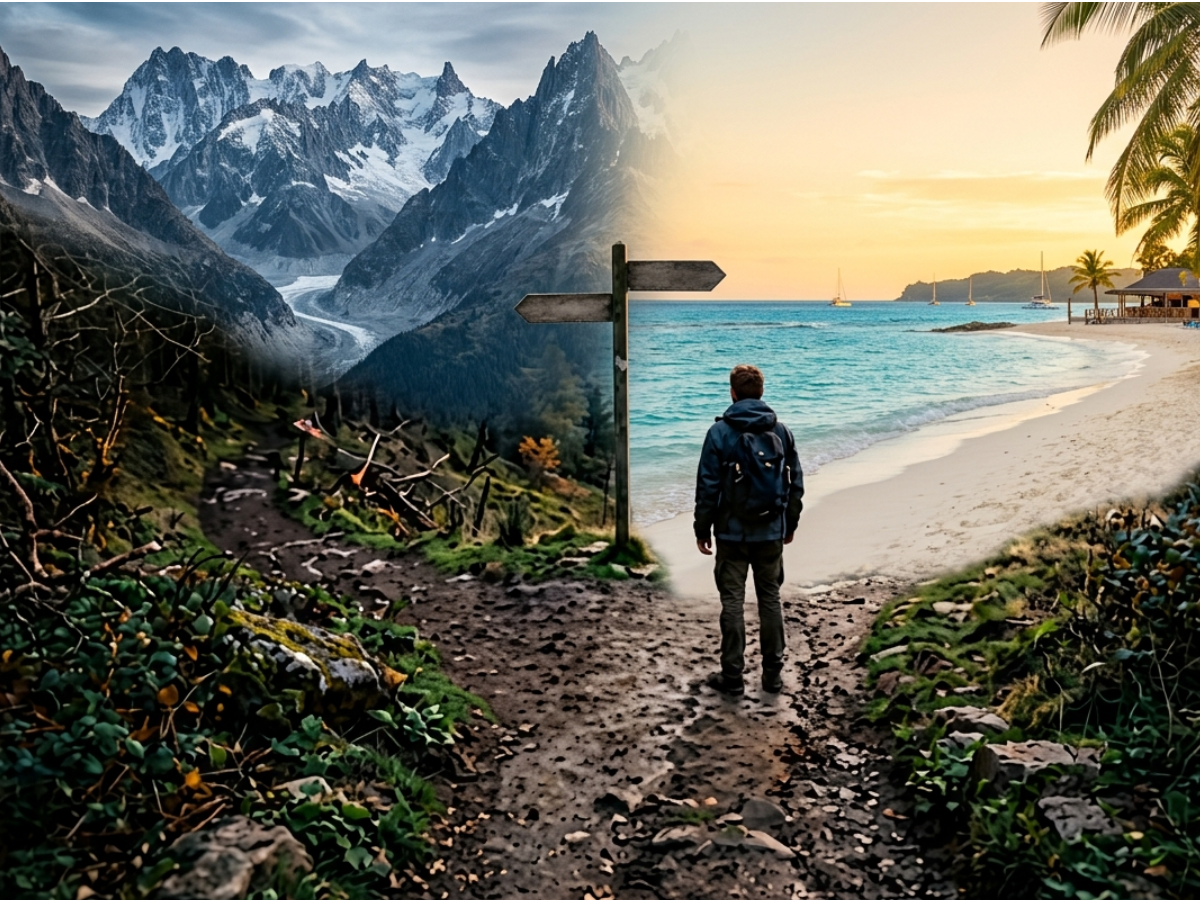
Winter in India changes character every few hundred kilometers. Hills get properly cold. Plains stay mild. Coastal areas remain warm. Pack without understanding this, and you'll end up lugging unnecessary weight while still being uncomfortable.

Smart January travel packing isn't about preparing for every possible temperature – it's about understanding where you're actually going and what conditions you'll face there.If you’re still deciding where to travel, thisJanuary travel guide from India helps you choose destinations after the holiday rush based on weather, crowd levels, and travel comfort.

Packing for Hill Stations in January

packing for hill station

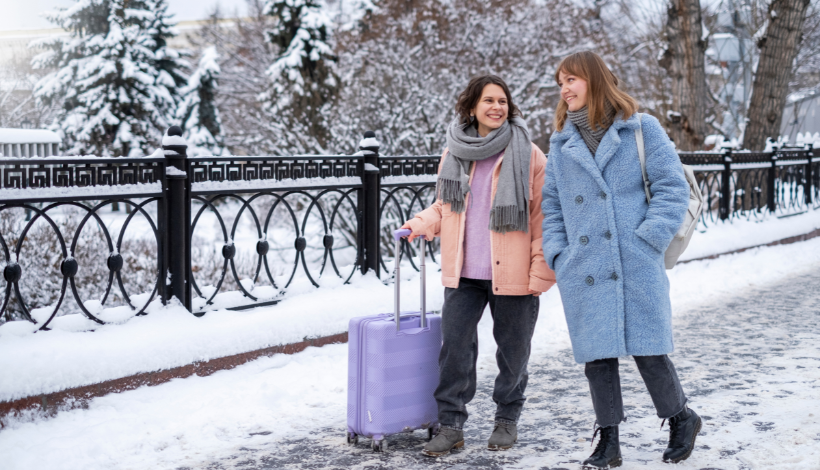
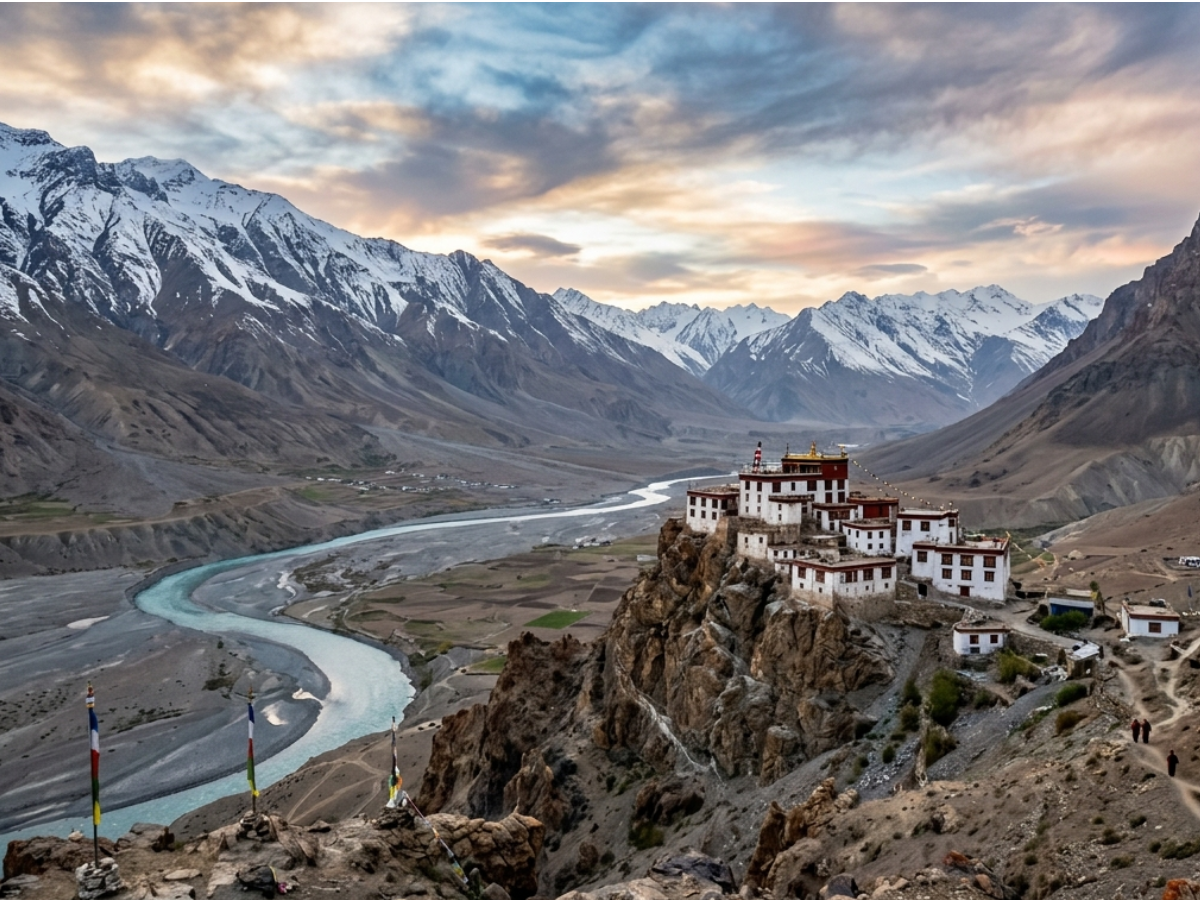
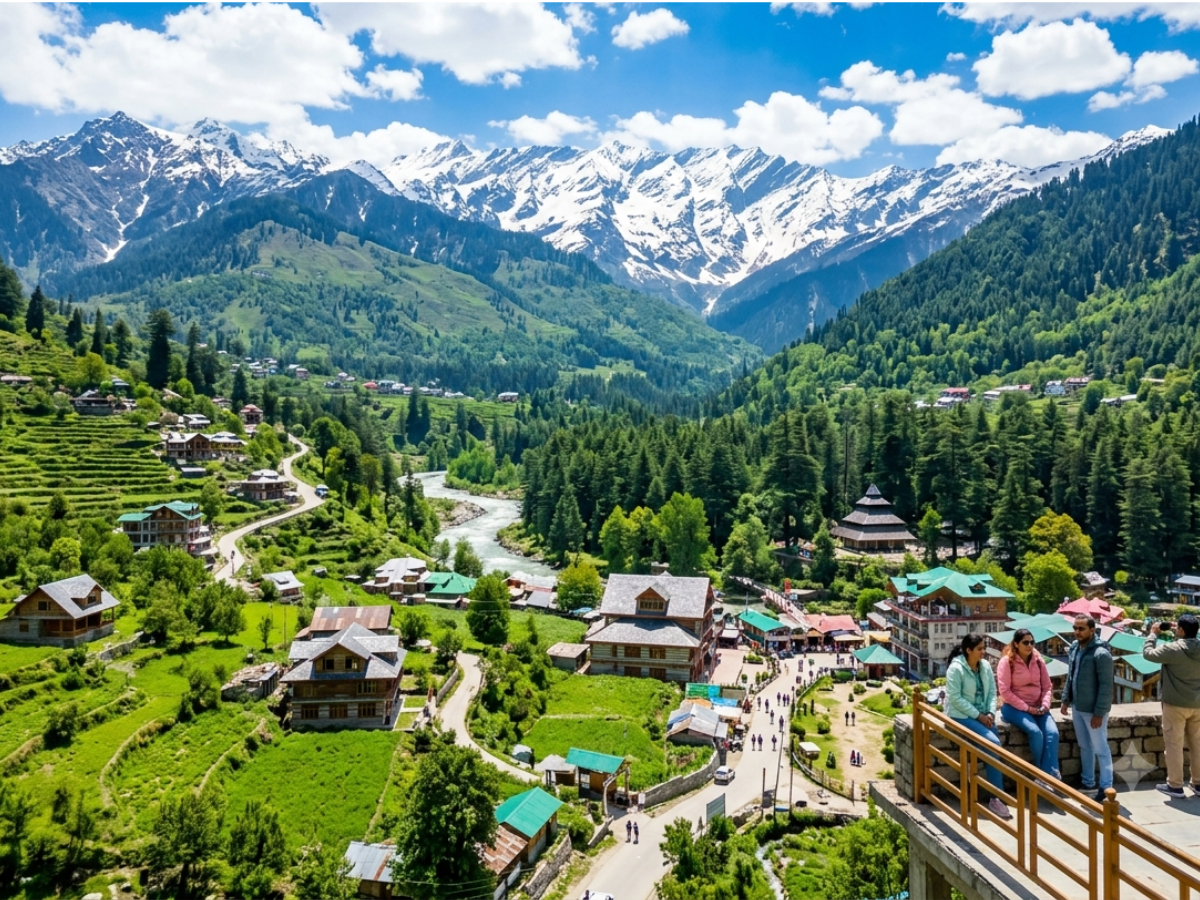
Popular hill stations and winter cities vary widely in temperature, which is why choosing from the best domestic destinations in India to visit in January helps you pack accurately instead of overpacking. Hill destinations demand warmth that adjusts as the day shifts dramatically. Mornings feel sharp and freezing. Afternoons soften quickly in direct sun. Evenings drop cold again fast.

What works is insulation without ridiculous bulk that makes you look like the Michelin Man.

What You Actually Need

Thermal base layers:
 Sit close to skin, trap body heat effectively. One good set does more than three regular sweaters.

One proper insulated jacket:
 Blocks wind properly. Down or synthetic fill both work. Choose one that compresses into your bag when not wearing it.

Gloves and cap:
 Non-negotiable for early mornings and evenings. Your extremities lose heat fastest.

Thick hiking socks:
 Prevent heat loss during long walks. Cotton socks are useless - go for wool or synthetic blends.

What to skip:
 Multiple sweaters. They consume space, add weight, provide less warmth than proper layering. One versatile fleece beats three bulky jumpers.

This approach to packing for hill stations in January keeps bags manageable while ensuring you're actually warm when needed.

Packing for Cities and Plains in Winter

Cities behave completely differently from mountains. Cold mornings turn mild by 10am. Indoor spaces often feel warmer than outside. Afternoons can be genuinely pleasant.

What works here is flexibility rather than maximum warmth.

What Actually Gets Used

Light fleece or thin sweaters:
 For mornings when there's actual chill. Easy to remove and stuff in bags when it warms up.

Full-sleeve shirts:
 Layer easily under sweaters or wear alone during warmer parts of day.

One medium jacket:
 For evenings and early mornings. Not the heavy-duty mountaineering type - something between a windbreaker and winter coat.

What becomes dead weight:
 Heavy winter jackets in cities. They're unused by midday, become annoying to carry, and take up half your luggage for maybe two hours of daily use.

Understanding winter travel packing for cities means accepting you don't need the same gear as mountains despite it being the same month.

Best Footwear for January Travel - More Important Than You Think

best footwear for january

Shoes decide how much you actually explore versus hiding in your hotel because your feet hurt.Since winter travel often involves longer walks around hotels, markets, and sightseeing areas, planning stays smartly using this January hotel booking guide can reduce unnecessary daily travel and fatigue.

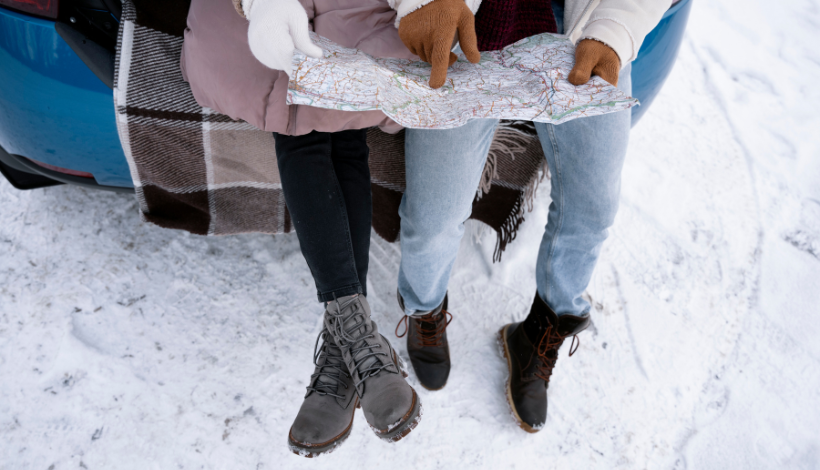
For Hill Destinations

Requirements:

  • Strong grip for wet, potentially icy paths
  • Water-resistant material (snow melts, paths get muddy)
  • Ankle support if terrain's uneven
  • Already broken in (new shoes + long walks = misery)

For Cities and Plains

What works:

  • Cushioned walking shoes comfortable for 8+ hours
  • Breathable lining handling indoor heating
  • One reliable pair is genuinely enough for most trips

What doesn't:
 New shoes untested before the trip. January weather encourages more walking than usual. Uncomfortable footwear becomes a bigger problem than being slightly cold.

Any winter travel checklist that doesn't prioritise footwear is missing something fundamental. Bad shoes ruin trips faster than wrong jackets.

International Winter Packing Checklist Essentials

International winter travel usually means sustained cold rather than India's variable "cold mornings, pleasant afternoons" pattern.

The Layering System That Actually Works

Instead of one massive coat, build functional layers working together. This is core to packing for winter travel internationally.

Base layer (moisture-wicking thermals):
 Pulls sweat away from skin, keeps you dry and warm. Cotton underlayers make you clammy and cold.

Middle layer (insulating fleece or lightweight down):
 Traps warm air. Easy to remove when you step indoors without removing entire outfit.

Outer layer (windproof or waterproof jacket):
 Shields from wind, rain, snow. Blocks elements while letting inner layers handle actual warmth.

This setup lets you adjust constantly without outfit changes every time you move indoors/outdoors.

Weather-Specific Items People Forget

Pack based on actual destination conditions, not vague "winter travel" assumptions.

Depending on where you're going:

  • Waterproof jacket for snow or sleet (essential in wet winter climates)
  • Thermal leggings in properly cold regions (regular jeans don't cut it below freezing)
  • Touch-friendly gloves for phone use (regular gloves mean removing them constantly)
  • Scarves protecting neck and face (exposed skin loses heat fast)

Reality check:
 Bulky coats are only necessary when temperatures stay below freezing all day. Many "winter" destinations have milder conditions than assumed.

Winter Travel Health Essentials Nobody Remembers Until It's Too Late

Cold weather strains bodies quietly in ways you don't notice until problems develop.

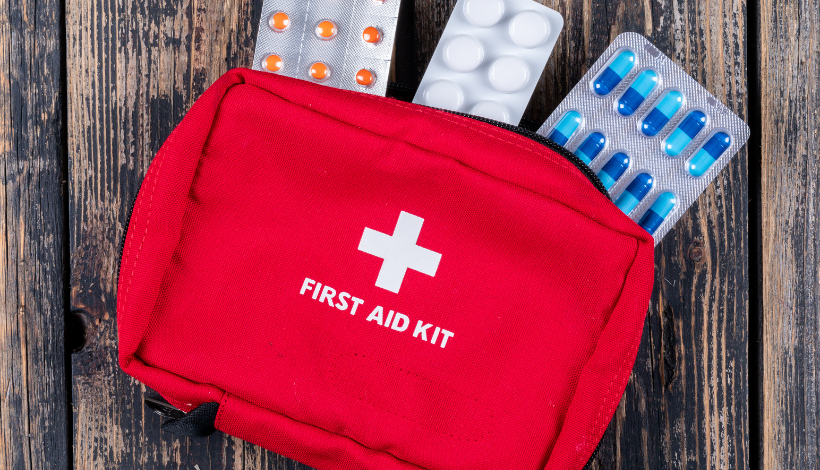
Medicines and First Aid for January Travel

First Aid Kit

Keep these accessible, not buried in checked luggage:

Essential medications:

  • Cold and flu medicine (changing climates trigger this regularly)
  • Pain relief tablets (headaches from altitude or sinus pressure from dry air)
  • Prescription medicines with documentation
  • Basic first aid supplies (plasters, antiseptic, bandages)

Cold air dries respiratory passages faster than expected, worsening existing conditions or creating new irritation.

Winter Skin Care You'll Actually Use

Dry air causes skin problems faster than cold itself. This belongs in any proper winter travel checklist.

Pack these:

  • Reliable moisturizer (hands and face minimum)
  • Lip balm with SPF (sun reflects off snow, lips burn easily)
  • Sunscreen for snow destinations (counterintuitive but essential)
  • Hand cream for frequent washing (winter means more handwashing, more dryness)

Skipping skin care becomes genuinely uncomfortable within days. Cracked lips and hands aren't just cosmetic issues - they're painful.

How to Pack Light for Winter Travel Without Feeling Unprepared

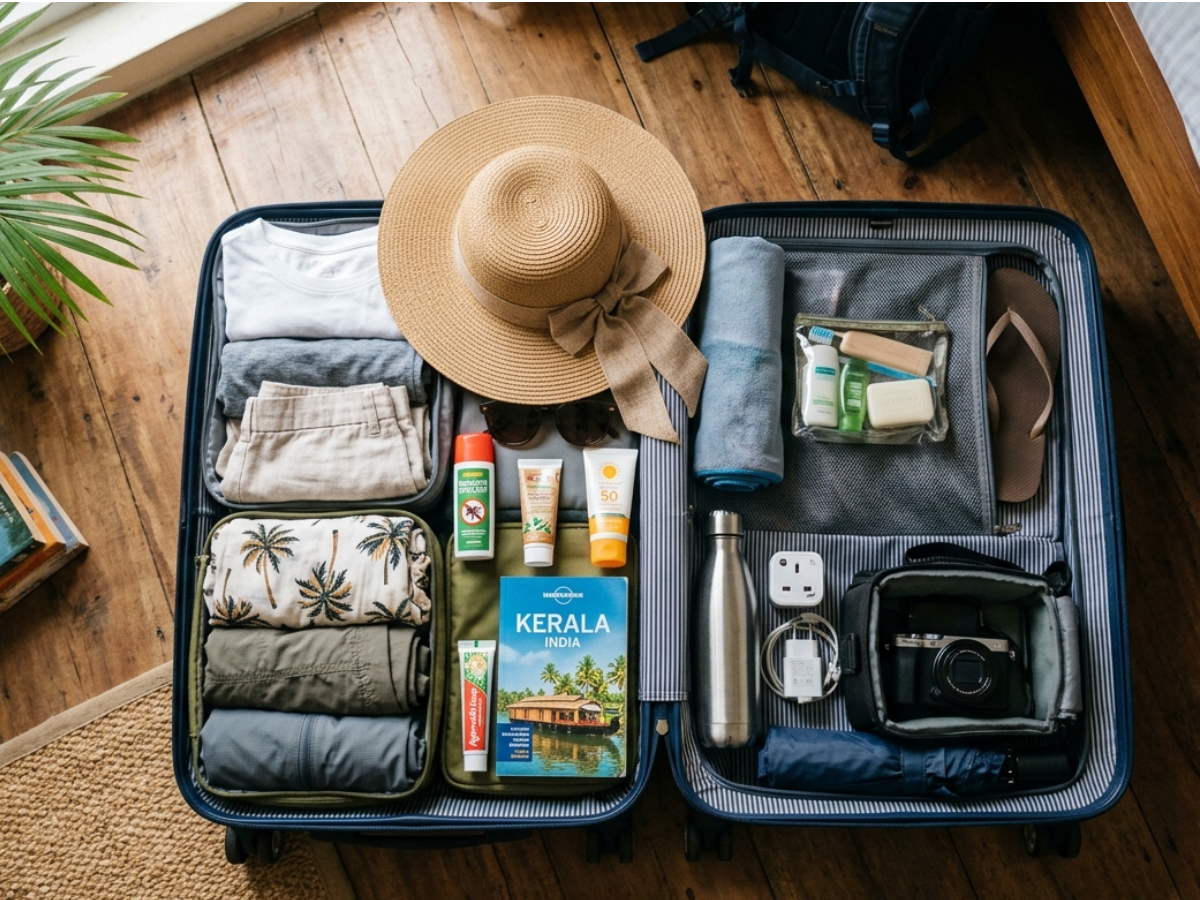
Packing light for winter travel matters more than summer because winter clothes are inherently heavier and bulkier.

Strategies That Work

Wear heaviest layers during transit:
 That bulky jacket? Wear it on the plane/train rather than packing it. Frees up luggage space immediately.

Roll clothes to reduce bulk:
 Folding creates air pockets and wastes space. Rolling compresses better, especially for softer items like fleece.

Stick to limited color palette:
 Black, grey, navy - mix easily without looking repetitive. Means fewer total items needed.

Coordinate outfits before packing:
 Plan by day. Ensures everything works together, prevents "just in case" overpacking.

Lighter luggage improves mobility significantly, especially when winter clothing's involved.

Carry-On Items Never to Check

Keep with you always:

  • One warm layer (if checked bag delays, you're not freezing)
  • All medications
  • Moisturizer and lip balm
  • Travel documents and valuables
  • Phone charger

Delayed luggage is massively more disruptive in cold destinations than warm ones.

Common January Travel Packing Mistakes

Most winter packing errors come from preparing for temperature extremes everywhere simultaneously.

What Doesn't Work

Carrying multiple jackets:
 One good layering system beats three different jackets. You'll wear one and carry dead weight for the others.

Packing similar sweaters repeatedly:
 Five sweaters doing the same job wastes space. Two versatile ones layer better.

Preparing for snow when none's expected:
 Research actual weather. Goa in January? Not snowing. Don't pack like it might.

Ignoring local climate specifics:
 January weather varies sharply across India. Coastal cities, hill towns, plains - completely different conditions. Check destination-specific forecasts, not general "January in India" assumptions.

Effective January travel packing addresses where you're going specifically, not theoretical worst-case scenarios everywhere.

January Weather Travel Tips for Smarter Packing

Understanding what to pack for January trips requires understanding January's actual patterns across different regions.

Northern plains:
 Cold mornings (5-10°C), pleasant afternoons (15-20°C). Light layers are essential.

Hill stations:
 Genuinely cold (0-10°C), potential snow. Proper winter gear is necessary.

Southern India:
 Mild and pleasant (20-28°C). Light jacket for evenings maximum.

Coastal areas:
 Warm days, comfortable evenings (22-30°C). Summer clothes with light layer for air conditioning.

Desert regions (Rajasthan):
 Cold mornings, warm afternoons, cold nights. Layers handling temperature swings.

Knowing these patterns makes how to pack for January travel in India much clearer – it's not one strategy fits all.

Questions People Ask About January Travel Packing

Is one jacket enough for January travel?
 Depends entirely on destinations. Hill stations in the north? You'll want proper insulation. Goa? Light jacket for evenings plenty. Check where you're actually going rather than packing for every possibility.

Do I need thermals for every January trip in India?
 No. Only necessary for genuinely cold regions where daytime temperatures stay around 5°C or below. Cities and southern destinations don't need them.

What footwear's best for winter travel?
 Comfortable walking shoes with good grip. Broken in already. Waterproof if going to wet/snowy areas. One solid pair beats multiple mediocre options.

Should I pack heavy woollens for city trips?
 Generally no. Cities in India during January need light layers, not mountaineering gear. Heavy wool becomes dead weight.

How do I avoid overpacking for winter?
 Plan outfits by day. Rely on layering instead of bulk. Stick to a colour palette that mixes easily. Check actual weather forecasts, not generic seasonal assumptions.

The Honest Summary

January travel in India rewards smart packing over defensive overpacking. Understanding regional variations matters more than preparing for every theoretical temperature.

When you know how to pack for January travel in India based on specific destinations rather than vague "winter travel" concepts, bags stay lighter, mobility improves, and you're actually comfortable rather than carrying unused weight.

Like
Liked
Share Share
Comments ({{commentLength}})
  • {{cmnt.userId.substring(0,1)}} {{cmnt.userId}}

    {{cmnt.comment}}

Location Icon From
  • Flight

    {{fra.City}}

    {{fra.AirportName}}

    {{fra.Country}}
Location Icon To
  • Flight

    {{to.City}}

    {{to.AirportName}}

    {{to.Country}}

Calender Icon Departure Date

Travellers Icon Travellers & class
1 Traveler
Search Flights
Location Icon Enter City name
  • Flight

    {{hca.name}}

Calender Icon Check-In

Calender Icon Check-Out

Guests & Room
{{hotelGuest}} Guests {{totalRoom}} Room
Search
Location Icon From
Cities
Location Icon To
Cities

Calender Icon Pickup Date

Pickup Time

Search
Location Icon Source City
Location Icon Destination City
Departure Date
Search
Location Icon Source City
Location Icon Destination City
Departure Date
Search
Location Icon Destination Name
  • {{ct.city}}

Search