Best Budget Travel Tips 2026: 25 Smart Ways to Travel Cheap

Prathvi Raj October 12, 2026

Most people think a trip gets expensive because of the flight ticket. In reality, money leaks out in smaller places: a hotel far from everything, a taxi from the airport, three costly meals in a row, a baggage fee nobody told you about. The good news is that most of these are easy to avoid once you know where to look.

These budget travel tips are for anyone who wants to see more and spend less, whether you are planning a weekend trip in India or your first trip abroad. Nothing here asks you to stay in bad hotels or skip good food. It is mostly about planning a little earlier and choosing a little smarter.

Budget Travel Tips

Best Budget Travel Tips to Start With

These are the best budget travel tips because they save the most money. Get these right and the rest becomes easy.

1. Fix your total budget first. Decide the full amount you are ready to spend before you look at any destination. Then split it into flights, stay, food, local transport, activities and a small buffer. A number on paper stops you from spending without noticing. As a simple example, a 5-day trip budget can be split like this: flights 30%, stay 30%, food 15%, local transport 7%, activities 8% and a 10% buffer. Adjust the numbers to match your own trip.

2. Pick a destination that fits your budget. Some places are simply cheaper day to day. Before you choose, check what a normal meal, a hotel room and a short taxi ride cost there. A cheap flight to an expensive city can cost you more than a slightly pricier flight to a cheap one. For example, if you are comparing Goa with Thailand, or Manali with Bali, look at daily food and stay costs too, not just the flight fare.

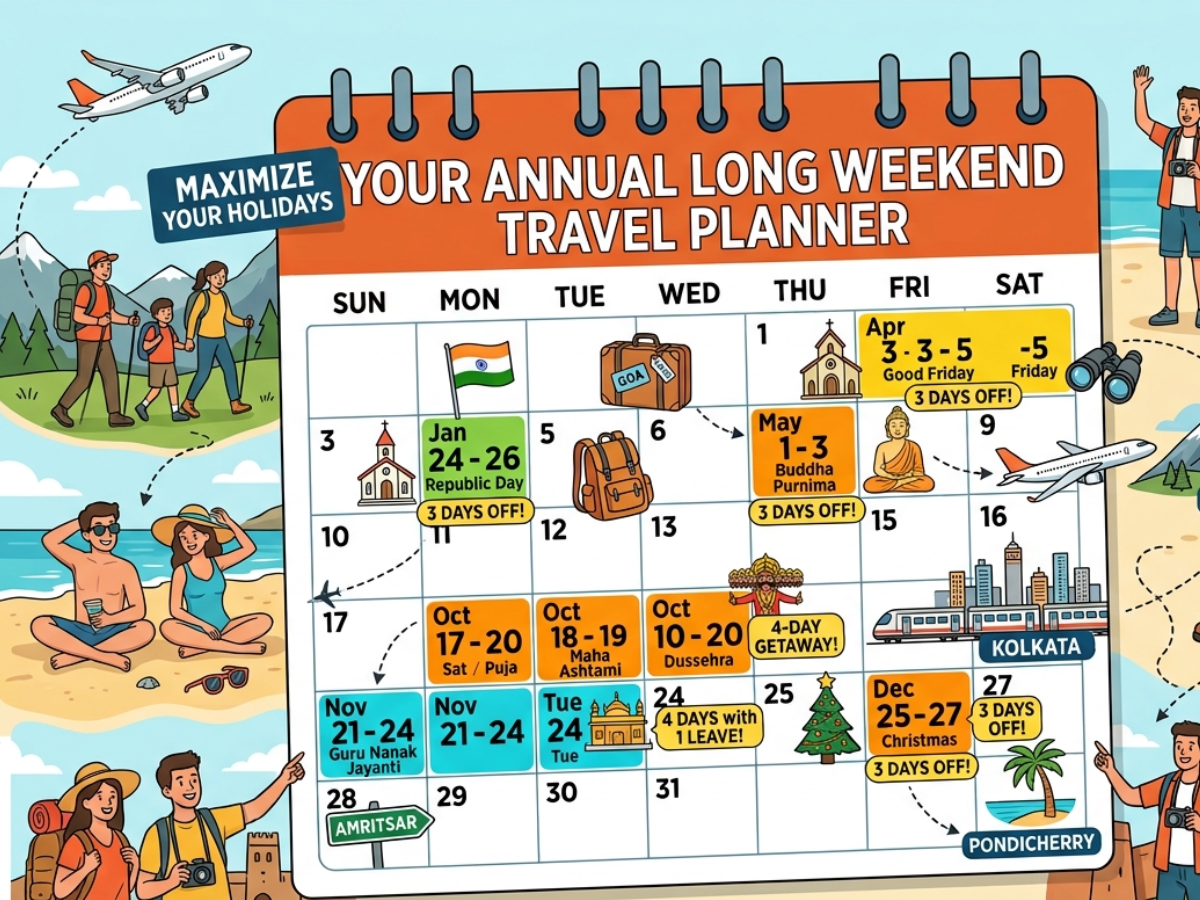
3. Travel in the off-season or shoulder season. Flights and hotels cost the most during school holidays, long weekends and festivals. The weeks just before or after peak season often have good weather and much lower prices.

4. Be flexible with your dates. If you can move your trip by a day or two, check the fare calendar on the booking page. Midweek flights are often cheaper than Friday and Sunday ones.

5. Book early and set fare alerts. Once your dates are fixed, start tracking prices. Fares usually go up as the travel date gets closer, so waiting for a “last-minute deal” is a gamble.

6. Compare the total price, not just the base fare. A cheap ticket can turn expensive after you add baggage, seat selection, meals and taxes. Compare the final amount you will pay.

7. Stay a little outside the centre. Hotels near the main tourist area charge more. Pick one near a metro or bus stop in a nearby neighbourhood. You will save on the room and still reach the sights easily.

8. Travel with a group and split costs. Rooms, cabs and private tours cost the same for two people as for one. Sharing them with a friend or family member brings your per-person cost down.

9. Consider a one-stop flight. A flight with one stop is often cheaper than a direct one.. Just check the layover time and make sure it is not so short that you risk missing the next flight, or so long that you spend the saved money on food and a hotel. 

10. Keep a small buffer. Many travellers keep around 10 percent of the budget aside for surprises, like a missed bus or a medicine you need. It keeps one bad day from ruining the whole trip.

How to Travel on a Budget: What to Do Before You Go

If you are wondering how to travel on a budget, a lot of the saving happens before you leave home. These steps take a few hours and can save you a good amount.

11. Add visa and insurance to your budget. Many travellers forget these until the last week. Check the visa rules for your destination early, and if you are going abroad, include travel insurance in your costs. It is a small amount compared to a medical bill or a cancelled trip.

12. Sort out your money before you fly. Compare a forex card, some cash and UPI or card payments, and check the fees on each. Exchange counters at airports usually give worse rates than other options, so avoid changing a large amount there. Carry a small amount of local cash for the first day. Note that UPI works abroad only in a few countries, so check the list of supported countries before you go and keep a card as backup.

13. Get an eSIM or local SIM. International roaming packs can be costly. A local SIM or eSIM usually gives you more data for less. Set it up before you land so you can use maps and book cabs right away.

14. Pack light. Extra baggage fees add up fast, especially on budget airlines. Check your airline’s cabin and check-in limits and pack to fit them.

15. Make a rough day-wise plan with costs. Write down what you want to do each day and what it will cost. You do not need to fix every hour. Just knowing which days are expensive and which are free helps you balance the budget.

How to Save Money on Travel: Flights, Hotels, Food and Local Transport

When people ask how to save money on travel, these four areas are where most of the money goes. A few smart choices here make the biggest difference.

16. Flights: add extras at the time of booking. Baggage, meals and seat selection are usually cheaper when you add them online during booking than at the airport. If you know you will need them, add them early. Also compare the same flight on the airline’s own website and on a booking app, because the final price and offers can differ.

17. Hotels: look beyond big hotels. Homestays, guesthouses and hostels can cost much less than a standard hotel, and many have private rooms. Look for free cancellation, free breakfast and a good rating for cleanliness and safety.

18. Hotels: read recent reviews. Cheap is only good if the place is clean and safe. Read the latest reviews, not just the overall score. Check the photos that guests uploaded, not only the ones from the hotel.

19. Food: eat where locals eat. Restaurants right next to a famous sight are usually the most expensive and not the best. Walk a few streets away and look for places with a crowd of local people. Many places also have cheaper set lunches than dinner menus.

20. Food: have a big breakfast. If your hotel includes breakfast, eat well. You will spend less on snacks later in the day. Carry a refillable water bottle so you are not buying water again and again.

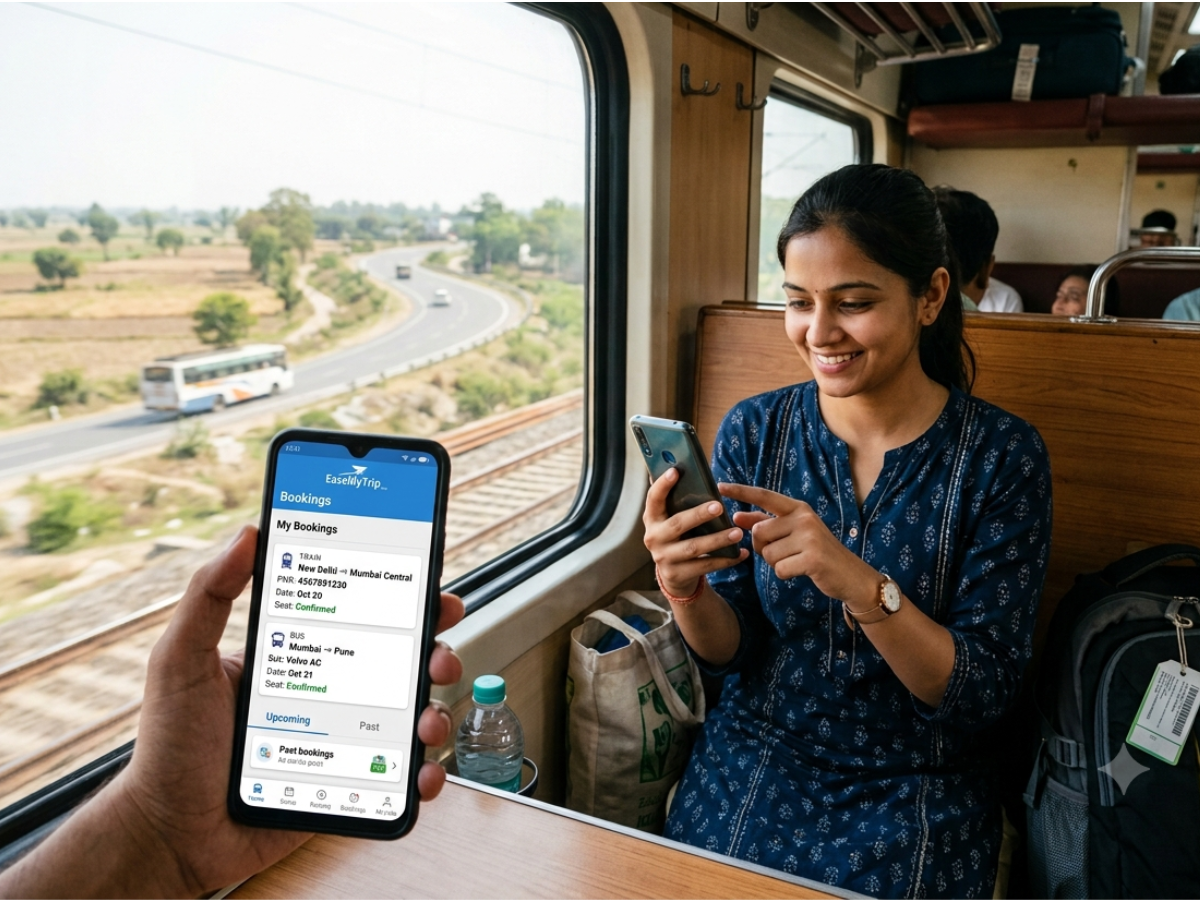
21. Local transport: use public transport. Metros, buses and trams are cheaper than taxis in most cities. Look for day passes or tourist cards. If the airport has a train or bus to the city, use it instead of a cab, unless you are very late at night or carrying heavy luggage. For longer routes within India, trains booked through IRCTC are often much cheaper than flights or cabs, especially for overnight journeys.

How to Travel Cheap: Small Budget Travel Tips That Add Up

If you want to know how to travel cheap without feeling like you are missing out, focus on habits. Small savings every day add up to a big amount by the end of the trip.

22. Track your spending every day. Use a notes app or a simple expense app. A quick check at night shows if you are going over budget, and you can adjust the next day.

23. Skip the tourist traps. Shops and restaurants near famous places often charge more. For souvenirs, go to local markets, and bargain politely where it is normal to do so.

24. Check offers before you book. Look for coupons, bank offers and discounts on flights, hotels and holiday packages at the time of booking. Even a small discount on a big booking saves real money.

25. Pick your paid activities carefully. You do not need to pay for every attraction. Choose the two or three that matter most to you, and fill the rest of your time with free things like parks, beaches, markets, walking tours and local festivals.

Traveling on a Budget: Common Mistakes to Avoid

Even careful travellers make these mistakes. Watch out for them.

  • Booking the cheapest flight without checking baggage rules or timings. Extra fees or a late-night arrival can cancel out the saving.
  • Choosing a very cheap hotel so far away that you spend more on taxis. Daily cab costs and lost time often cost more than the room saved.
  • Changing all your money at the airport. The rates are usually worse, so change only a small amount there.
  • Skipping travel insurance to save a small amount. One medical bill or cancelled trip costs far more than the premium.
  • Not keeping any money aside for emergencies. A missed bus or sudden illness can force you to cut the rest of the trip.
  • Overpacking and paying extra baggage fees. On budget airlines, excess baggage can cost as much as the ticket.
  • Booking too many paid activities and running out of money halfway through. Pick your top two or three and fill the rest with free things.

Frequently Asked Questions

What are the best ways to travel on a budget?
Fix your budget first, travel in the off-season, and stay near public transport instead of the most expensive part of the city. Compare the full price of flights and hotels before you book, and eat where locals eat. These best ways to travel on a budget work for almost any destination.

What are some budget travel tips for beginners?
If you are new to traveling on a budget, start with three things: fix a total budget, book flights and hotels early, and track your spending every day. Once these habits are in place, tips like off-season travel and using public transport are easy to add.

How early should I book flights to get a lower fare?
For domestic flights, booking about 1 to 2 months ahead usually works well, and last-week bookings are usually the most expensive. For international flights, aim for 2 to 3 months ahead. For festival and year-end travel, book even earlier, because the cheapest fares sell out first.

Which days of the week are cheaper to fly?
Midweek days, from Tuesday to Thursday, are usually cheaper than Fridays, Sundays and weekends. The cheapest time of day changes by route and airline, so compare a few options on the booking page instead of assuming one time is always cheaper.

Which travel dates should I avoid to save money?
Flight fares and hotel demand usually jump in two periods: Diwali week and the Christmas to New Year break (roughly 20 December to the first week of January, which also overlaps with school winter holidays). How big the jump is depends on the year and the route, and last-minute fares are almost always the highest. If your dates are flexible, check a few days before and after these periods.

How can I avoid extra card and currency charges abroad?
Indian debit and credit cards typically add a forex markup of around 3 to 5% on foreign spends, so check your card’s fees before you go. If a card machine asks whether to pay in rupees or the local currency, choose the local currency, because paying in rupees can cost 2 to 4% more. Withdraw cash from a local ATM rather than changing money at the airport.

Final Thoughts on Budget Travel Tips

Good budget travel tips are not about giving up comfort. They are about knowing where your money goes. Fix your budget, book smart and keep small daily habits in check, and you can see more for less on any trip. Pick two or three tips from this list for your next plan and add more as you go.

Like
Liked
Share
Comments ({{commentLength}})
  • {{cmnt.userId.substring(0,1)}} {{cmnt.userId}}

    {{cmnt.comment}}

Location Icon From
  • Flight

    {{fra.City}}

    {{fra.AirportName}}

    {{fra.Country}}
Location Icon To
  • Flight

    {{to.City}}

    {{to.AirportName}}

    {{to.Country}}

Departure Date

Travellers & class
1 Traveler
Location Icon Enter City name
  • Flight

    {{hca.fullname}}

Check-In

Check-Out

Guests & Room
{{hotelGuest}} Guests {{totalRoom}} Room
Location Icon From
Cities
Location Icon To
Cities

Pickup Date

Pickup Time

Location Icon Source City
  • ,{{ct.state}}

Location Icon Destination City
  • ,{{ct.state}}

Departure Date
Location Icon Source City
Location Icon Destination City
Departure Date
Location Icon Destination Name
  • {{ct.city}}